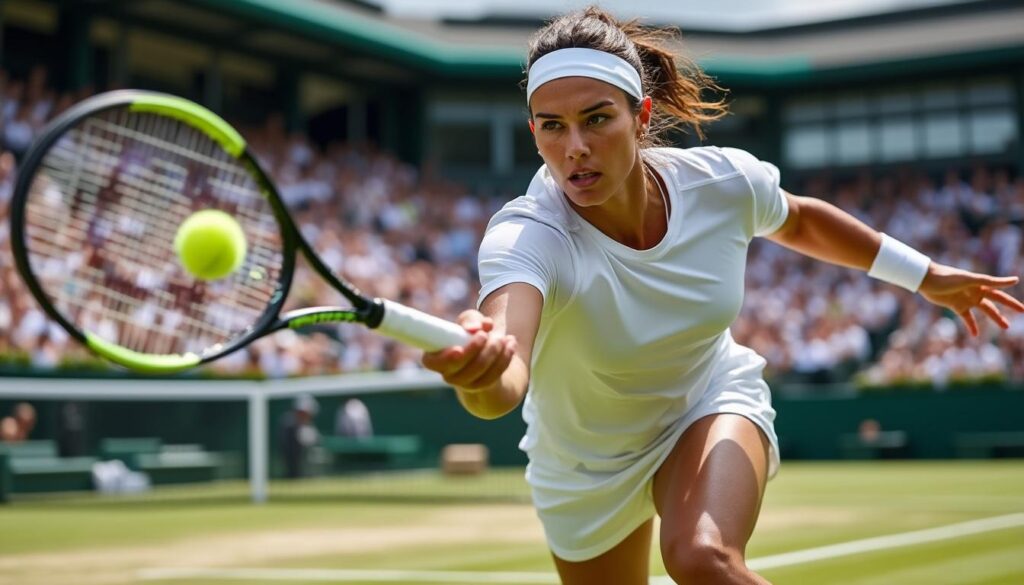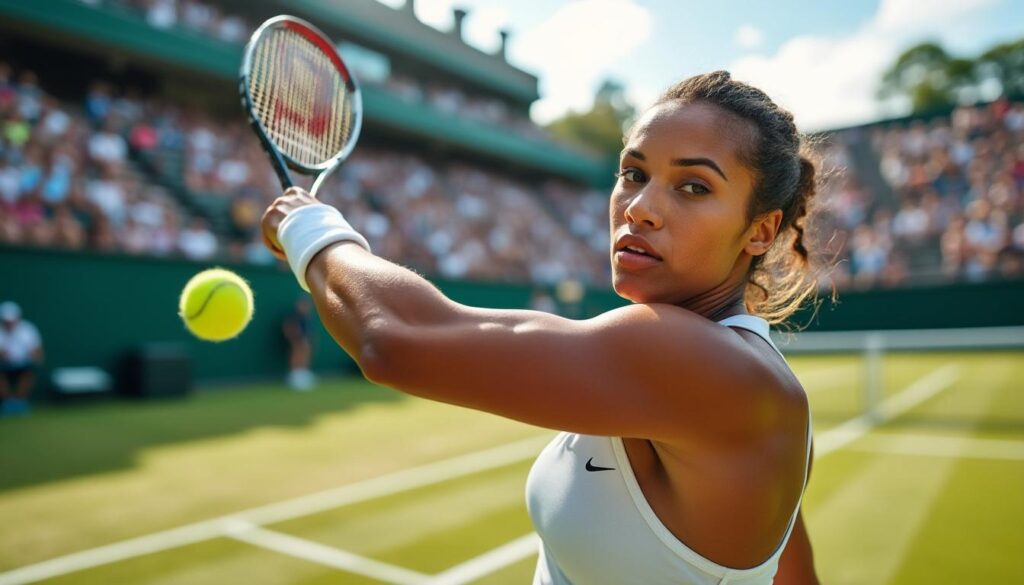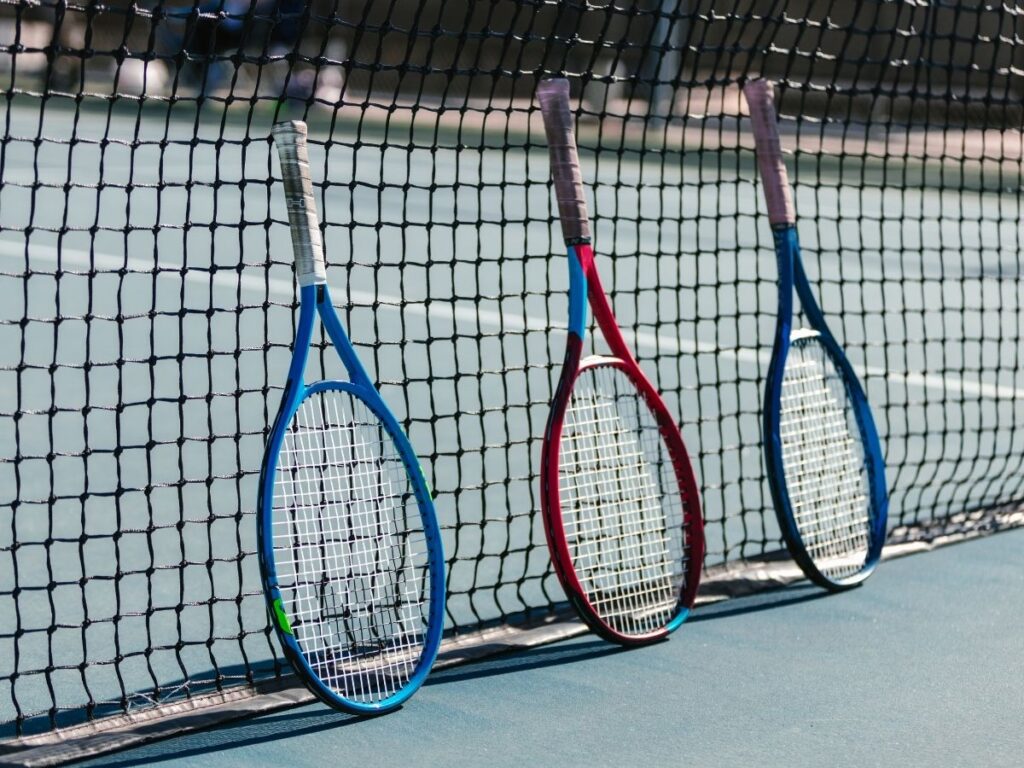
Baseline rallies form the heart of modern tennis strategy, where every shot can be a test of skill, patience, and tactical intelligence. The art of creating pressure without necessarily blasting winners is a nuanced game that challenges players to outsmart opponents by controlling shot depth, placement, and spin. This subtle chess match from behind the baseline blends power with precision, forcing opponents into tough decisions and mounting errors. In a world where brands like Wilson, Babolat, and Yonex engineer rackets that enhance spin and maneuverability, the way players craft their baseline pressure tactics continues to evolve alongside technological advances and match analysis. Understanding how to manipulate rally characteristics is key to transforming defensive exchanges into offensive opportunities, making baseline play far more than a simple back-and-forth.
While many focus on powerful strokes or explosive net play, the baseline wall built with tactical intelligence often dictates the outcome. This insight opens the door to smarter play, blending the finesse of shot selection with the raw mechanics of execution. In doubles or singles, the player who best harnesses depth and angle wields the real pressure, turning even the longest rallies into strategic battles. For enthusiasts and club players seeking to elevate their court presence, appreciating the layered dynamics of baseline rallies—how to build, sustain, and suddenly exploit pressure—can be transformative. This guide delves into strategic mechanisms that maximize control, unsettle opponents, and provide a pathway to victory through compelling baseline tactics and precision play.

Mastering Depth and Placement to Dominate Baseline Rallies
The foundation of pressure in baseline rallies hinges on the ability to consistently hit deep shots. Keeping the ball close to the opponent’s baseline limits their options and forces defensive positioning. Experts recommend focusing on depth over outright pace because a deeper ball pushes the adversary further back, restricting their angles and shot-making ability. When players sustain this depth, they often gain the advantage in the ‘baseline chess game’ by moving the opponent into uncomfortable territory.
A crucial element in this strategy is the control over crosscourt rallies. Rather than trading power blindly, players are advised to maintain moderate pace while emphasizing depth, utilizing racquets like Head and Tecnifibre crafted for precision and control rather than sheer speed. This method encourages forcing opponents behind the baseline which creates openings near the net or elicits short balls ripe for attack. For example, a well-placed deep forehand to a player’s backhand corner consistently increases rally-winning chances.
Implementing this tactic requires a mix of technical skills and mental discipline. Players must balance shot height (“adding height to generate depth”) to ensure the ball crosses comfortably deep over the net without becoming overly vulnerable. This technique has been observed in top-level players’ matches, such as in the breakdown of Osaka vs. Collins, where consistent deep balls forced errors and shortened rallies: Osaka vs. Collins Analysis.
Practical tips to enhance depth and placement:
- Use the full swing to generate controlled topspin that ensures passing over the net with safety and penetration.
- Target the opponent’s baseline corners, especially if their backhand is weaker, to limit aggressive counterplay.
- Adopt grip variations for better baseline control, utilizing insights from expert guides such as Grip Variations for Baseline Control.
- Practice drills focusing on hitting consistent deep crosscourt shots, emphasizing accuracy over speed.
- Select racquets designed for balance and precision, like Prince or Fila models, which suit baseline grinders.
| Shot Characteristic | Impact on Rally Pressure | Recommended Equipment |
|---|---|---|
| Deep Crosscourt Shots | Pushes opponent behind baseline; limits angles | Wilson Pro Staff, Babolat Pure Aero |
| Controlled Topspin | Maintains depth with safety; forces defender to lift | Head Speed, Yonex Ezone |
| Varying Height | Adjusts shot difficulty; keeps opponent guessing | Tecnifibre T-Fight, Dunlop CX Series |

Applying Early Pressure: The Importance of Warning Shots in Baseline Tactics
Introducing pressure early in a rally shapes the opponent’s behavior and opens up tactical opportunities later. One effective approach is firing an “early warning shot” down the line. This technique prevents the net player or baseline opponent from freely poaching or intercepting the ball, forcing them to remain cautious and less aggressive. Recreational players often miss this subtler approach, focusing purely on rally prolonging or hard hitting, but pros and advanced players recognize the psychological impact of a surprise down-the-line strike.
Such a shot, even if it narrowly misses or is defended, forces opponents to rethink their positioning and shot anticipation. In doubles, this can prevent an interception-happy net player from dominating the middle, while in singles it disrupts rhythm and forces awkward returns. Tennis legends like Serena Williams have famously used these tactics, mixing upfront aggression with consistent baseline pressure: Serena Williams Training Routine.
To execute this maneuver effectively:
- Identify moments when the opponent’s net player leans forward or expects a crosscourt ball.
- Use compact swings with brands like Nike-endorsed rackets and strings configured to allow quick directional changes.
- Be prepared to follow up the shot by advancing or resetting to the baseline depending on the opponent’s return.
- Incorporate this in practice routines to build confidence and accuracy under pressure.
- Observe match footages where players effectively keep opponents “honest” by threatening with these shots early in points.
| Benefit | Effect on Opponent | Strategic Outcome |
|---|---|---|
| Disrupts Net Player’s Positioning | Net player less aggressive; avoids risky poaches | Creates safer openings at the net for partner or self |
| Instills Uncertainty | Opponent reacts cautiously; decreases confidence | Increases chances for forced errors or weak returns |
| Psychological Edge | Opponent thinks twice before executing favored shots | Maintains mental dominance throughout rally |
Height Variation and Court Positioning: Key to Outmaneuvering Opponents
Strategically altering shot height at different court positions creates layers of tactical pressure in baseline rallies. From the deep baseline, hitting with greater arc height generates topspin and depth, forcing opponents to hit their next ball on an upward trajectory, often giving the original hitter time to recover. Conversely, stepping inside the baseline just slightly demands lower trajectory shots with increased pace, upping the tempo and denying opponents preparation time.
Such shot variation is pivotal for controlling the rally’s rhythm. Players using this tactic cleverly adjust their play between rally segments, mixing higher topspin lobs with low, piercing drives. This method balances risk and reward, keeping adversaries guessing on the proper response. Incorporating equipment from Prince or Dunlop, known for providing stable string tension and quick maneuverability, supports these subtle positional shots.
Effective height variation techniques include:
- From the baseline, utilize heavy topspin with a higher trajectory to increase depth and defensive solidity.
- Advance into the court for short balls and strike them flatter and lower to ramp up aggression.
- Practice hitting lower, pacey shots close to the net when moving forward, forcing awkward returns.
- Observe how elite players like Iga Swiatek modify height and spin to manage rally tempo: Iga Swiatek Tactical Insights.
- Train with interval workouts to handle the physical demands of sharp tempo change during rallies: Tennis Interval Workouts.
| Court Position | Shot Height | Effect on Opponent |
|---|---|---|
| Deep Baseline | High with topspin | Pushes opponent deep; requires upward return |
| Inside Baseline | Lower and flatter | Shortens opponent reaction time; causes pressure |
| Near Net | Very low pacey volleys | Forces opponent into defensive shots |
Utilizing Footwork and Positioning to Enhance Pressure
Height variation works hand-in-hand with swift, intelligent footwork. Foot positioning allows players to better control stroke execution, especially when transitioning between defensive deep balls and aggressive net approaches. Modern tennis training emphasizes explosive lateral moves and split-step timing, aided by advanced routines like those in the “Serena Williams Workouts” for core strength and agility: Serena Williams Core Workouts.
During baseline rallies, staying dynamic and ready to adjust height and pace depending on ball trajectory is vital. Failure to position optimally can result in weak returns or costly errors. Thus, alongside using heights, positioning is a critical variable in applying continuous pressure.
Effective Volley Placement and Anticipation to Capitalize on Pressure
In both singles and doubles baseline rallies, the ability to anticipate and punctuate pressure points with well-placed volleys is decisive. As rallies lengthen, forcing opponents into defensive mode through strategic depth and height variation, players looking to finish points aggressively must master volley accuracy around the net.
A common mistake is aiming volleys over or around the opponent, which provides them time and angle for a response. Instead, aiming volleys toward the opponent’s feet creates higher difficulty, as it forces them to respond with awkward upward strokes. In doubles, this tactic also disrupts opponents’ net formations and synergy.
Following these volley placement strategies boosts the ability to convert baseline pressure into points:
- Target the opponent’s feet to limit control and shot variety.
- Be mindful of court coverage and partner positioning in doubles to avoid open angles.
- Adjust volley pace to keep opponents off balance, mixing soft and firm placement.
- Practice drills focused on foot-targeted volleys for better execution under pressure.
- Equip with lightweight Tecnifibre or Dunlop rackets to improve volley reflexes and maneuverability.
| Volley Target | Purpose | Expected Result |
|---|---|---|
| Opponent’s Feet | Complicates response; forces upward strokes | Increased weak returns; higher chance to finish point |
| Around Opponent | Creates openings but high risk | Opportunity for outright winner or counter attack |
| Crosscourt Angles | Tilt opponent side to side | Weakens positioning; induces fatigue |
Counteracting the Lob: Staying Aggressive in ‘No-Man’s Land’
The dreaded lob emerges as a particularly potent weapon against baseline rally pressure, often forcing players into the problematic “No-Man’s Land”—the area just inside the service line where players become vulnerable. Handling this threat demands clever positioning and tactical anticipation, rather than retreat or panic.
Professionals and coaches advocate utilizing the No-Man’s Land effectively by split-stepping at or near the service line. This ready stance allows quick reactions: either moving forward on a volley or retreating efficiently when a lob is launched. Timing the split-step is crucial, giving the player a racket on the ball more often and preventing opponents from exploiting the middle court.
Players trained to contend with frequent lob attempts maintain offensive positioning while reducing chance of being caught out, as highlighted in strategies for managing lobs: Tennis Lob Strategies. Moreover, mastering this balance frustrates opponents who rely heavily on lob tactics, forcing them to alter game plans or commit errors.
Methods to deal with lobs productively include:
- Positioning at the service line while preparing for net approach.
- Practicing quick backward and lateral movements for effective lob retrieval.
- Improving overhead smash accuracy by utilising racquets optimized for volley power, such as Yonex or Babolat.
- Developing anticipation skills through video analysis of opponent tendencies.
- Maintaining mental toughness when forced into defensive situations; anticipate and attack when opportunities arise.
| Strategy | Benefit | Equipment Recommendations |
|---|---|---|
| Split-step at Service Line | Improved reaction time; better volley opportunities | Prince Phantom, Dunlop CX 200 |
| Quick Lateral Movements | Effective lob retrieval; avoids being caught out | Wilson Ultra Light Nano Carbon Frame |
| Overhead Smash Training | Finishes points early; counters lob strategy | Babolat Pure Drive, Yonex Vcore |