Cramping is a formidable adversary for tennis players, especially under the oppressive conditions of high humidity, as dramatically exemplified in the recent Shanghai Masters. The unexpected retirement of Jannik Sinner due to severe leg cramps during a tight match highlighted the vulnerability even the fittest athletes face against nature’s relentless humidity. With moisture-laden air complicating hydration and muscle function, players, coaches, and sports scientists are gaining fresh insights into the management of cramps and maintaining peak performance despite challenging weather. This unfolding story sets the stage to deeply explore how athletes can adapt, prepare, and excel in humid environments, making it a pivotal case study for the tennis world at large.
In brief:
- Jannik Sinner’s retirement at the Shanghai Masters was caused by severe leg cramps exacerbated by high humidity.
- Humidity affects player endurance, hydration needs, and tennis ball behavior, requiring tactical and physical adjustments.
- Proper hydration, cooling strategies, and muscular care are essential to prevent cramps amidst demanding tour conditions.
- Professional gear from brands like Nike, Adidas, and Under Armour play crucial roles in managing athlete comfort and performance.
- Lessons from elite matches emphasize the importance of tailored nutrition, effective recovery, and the use of innovative accessories in humid climates.
- The impact of humidity on muscle cramping and player stamina
- Hydration strategies and nutritional insights for high humidity tennis competition
- The role of professional gear and recovery accessories in mitigating cramp risk
- Case analysis: Jannik Sinner’s retirement at the Shanghai Masters
- Adapting training and tournament preparation to extreme weather conditions
The scientific impact of high humidity on muscle cramping and tennis performance
High humidity environments significantly alter the physiological landscape for tennis players. When the air becomes thick with moisture, sweat evaporation diminishes, impeding the body’s natural cooling system. This generic inefficiency raises core body temperature faster and accelerates dehydration—a known trigger for muscle cramps during endurance sports.
Muscle cramps can be attributed to neuromuscular fatigue precipitated by electrolyte imbalances, dehydration, and impaired muscle function. Under humidity conditions above 70%, such as those often recorded during the Shanghai Masters, these risk factors multiply. Notably, players struggle to maintain electrolyte balance due to excessive salt loss through sweat that is less effective at cooling in muggy air.
In tennis, where quick direction changes, repeated sprints, and rapid muscle contractions define play, these environmental challenges accumulate, pushing muscles towards fatigue and twitching spasms. To compound matters, the tennis balls themselves behave differently in humid surroundings: absorbing water and gaining up to 50% additional weight, reducing bounce and speed—factors that subtly alter game dynamics and force players to expend more energy on court.
- Reduced sweat evaporation: Limits cooling, accelerates fatigue.
- Electrolyte depletion: Sodium, potassium losses worsen cramping risk.
- Heavier tennis balls: Alter shot timing and stamina requirements.
- Impaired muscle contraction: Increased potential for early-onset cramps.
| Humidity Level | Impact on Player | Recommended Player Action |
|---|---|---|
| 60-70% | Moderate discomfort, slight sweating inefficiency | Increase hydration, rely on breathable gear like those from Nike |
| 71-80% | High dehydration risk, cramping more frequent | Use electrolyte supplements, apply cooling methods with Hydro Flask and ice towels |
| 81% and above | Severe fatigue, increased muscle cramp incidence | Integrate rest intervals, employ body care products like Body Glide and Theragun |
The interconnectedness of environment, physiology, and tennis demands necessitates an integrated management approach to minimize cramping risk. Adopting this holistic perspective assists players not only in surviving but mastering the humid tennis venues from Shanghai to tropical climates worldwide.
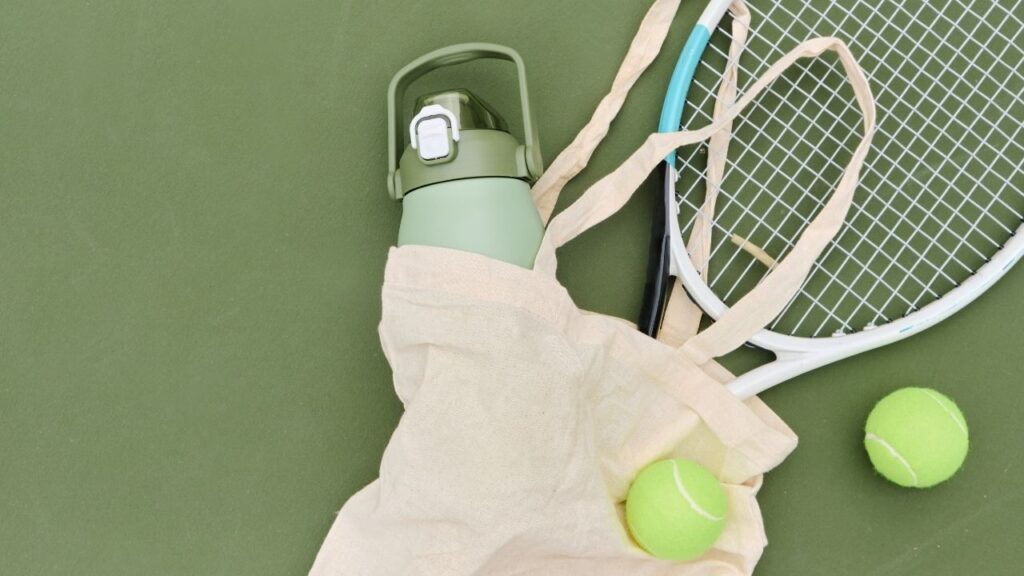
Hydration strategies and nutritional insights to combat cramping in humid tournaments
What separates champions from also-rans under punishing conditions often boils down to nutrition and hydration nuance. As seen during Shanghai Masters play, effective hydration—rich in electrolytes and carefully timed—curbs the onset of cramps and sustains peak court movement.
Traditional water consumption isn’t enough; players must maintain electrolyte homeostasis, replenishing lost sodium, potassium, magnesium, and calcium during matches and practice. Solutions like Skratch Labs electrolyte mixes have become staples in tennis bags, providing a precise balance for sustained performance. Furthermore, hydration vessels like Hydro Flask enable players to keep drinks chilled, extending the refreshing effect crucial in hot conditions.
Leading athletes adopt fluid replacement routines adapted to match intensity, ambient conditions, and personal sweat rates. They integrate beverages like Gatorade or its rival Powerade, specifically engineered to restore essential minerals quickly. Nutritional strategies often converge with recovery protocols emphasizing adequate carbohydrate intake and balanced protein to support muscle repair.
- Pre-match hydration: Consume fluids with electrolytes 2-3 hours before play.
- In-match sipping: Regular intake every 15-20 minutes prevents significant dehydration.
- Post-match replenishment: Emphasis on protein and antioxidants to reduce inflammation.
- Nutrition timing: Balanced meals supplemented with quick energy snacks like bananas and nuts.
| Hydration Component | Benefit | Example Products |
|---|---|---|
| Electrolytes | Prevent cramping, support nerve and muscle function | Skratch Labs, Gatorade, Powerade |
| Cold water | Reduces body temperature, delays fatigue | Hydro Flask bottles |
| Carbohydrates | Replenish energy stores | Bananas, energy bars |
| Protein | Muscle repair and recovery | Lean meats, recovery shakes |
Players endorsing brands like Adidas or Under Armour frequently blend these nutritional strategies with innovations in fabric technology to optimize sweat-wicking and comfort over long matches in humid settings. Emphasizing these detailed routines enhances endurance and limits cramp-prone muscle exhaustion—a takeaway vividly underscored by Sinner’s experience.
Professional gear and recovery accessories that reduce cramping risks in humid tennis events
Managing cramps isn’t just about hydration and nutrition — it involves leveraging cutting-edge gear designed to keep players comfortable and muscles primed in extreme conditions. Industry leaders such as Nike, Adidas, and Under Armour invest heavily in developing fabrics that promote ventilation, manage moisture, and preserve muscle temperature.
Compression wear, now widely adopted, supports blood flow and helps reduce muscle fatigue during matches held under oppressive muggy conditions. Incorporating products from this category into a player’s tournament week routine can modify postural muscle response, minimizing cramp likelihood.
Additionally, the use of recovery technologies is becoming indispensable in elite tennis circles. Devices like the Theragun provide deep muscle percussion therapy to relax tight areas and improve circulation. Body Glide and similar anti-chafe products prevent skin irritation under sweat-soaked conditions, indirectly reducing muscle stress and cramping triggers. Meanwhile, hydration packs from manufacturers like CamelBak facilitate constant fluid access, even in rigorous training sessions.
- Moisture-wicking apparel: Keeps skin dry, maintains body temperature.
- Compression gear: Enhances circulation, supports muscles during play.
- Percussion massage devices: Speeds recovery and eases muscle tightness.
- Hydration packs: Provide accessible fluids during training and match preparation.
- Anti-chafe balms: Protect skin, reduce discomfort contributing to muscle fatigue.
| Equipment | Primary Function | Brand Examples |
|---|---|---|
| Moisture-wicking shirts and shorts | Evacuate sweat, prevent overheating | Nike Dri-FIT, Adidas Primeknit, Under Armour HeatGear |
| Compression sleeves and socks | Improve blood flow, reduce muscle vibration | Nike Pro, Adidas Alphaskin |
| Massage devices | Relieve muscle knots and tension | Theragun Pro, Hypervolt |
| Hydration systems | Continuous fluid supply during play | CamelBak backpacks, Hydro Flask bottles |
| Anti-chafe balms | Reduce skin irritation for comfort | Body Glide, Squirrel’s Nut Butter |
Incorporating these products into a well-rounded tournament week routine—not just match day—can elevate player readiness and significantly reduce disabling cramping episodes. Pro players at the Shanghai Masters have been increasingly vocal about their reliance on these tools, affirming their role in modern tennis survival and success under extreme conditions.
Analyzing Jannik Sinner’s retirement: emotional and physical toll of cramping under extreme conditions
Jannik Sinner’s withdrawal due to leg cramps against Tallon Griekspoor in Shanghai was an unanticipated blow with ripple effects on the tournament’s dynamics and deeply human lessons about the fragility of players in extreme humidity. Despite his recent triumph at the China Open, the relentless moisture in the air took an evident toll on his muscle function.
During a grueling battle extending over two and a half hours, Sinner showed signs of slowing mobility and distress. Medical timeouts and treatment efforts came too late to offset the accumulated dehydration and electrolyte imbalance. His retirement at a critical juncture—down 6-7 (3), 7-5, 3-2—spotlights how even the top-tier conditioning and preparation cannot always outwit nature’s challenges.
- Physical signs: Muscle stiffness, spasms, and inability to sustain sprinting intensity.
- Mental strain: The frustration and psychological pressure following cramp onset.
- Tactical impact: Forced alterations in play style, conceding momentum to opponents.
- Post-match rehabilitation: Crucial for recovery speed and long-term health preservation.
| Match Phase | Observed Signs | Impact on Sinner’s Play |
|---|---|---|
| Early sets | Maintained fluid movement and energy | Competitive baseline exchanges |
| Mid-match | Indicators of cramping, flagged for medical timeout | Reduced movement, cautious positioning |
| Retirement point | Severe cramping, inability to continue | Match concession |
The emotional weight of retiring before a packed crowd, knowing the stakes, and foregoing a potential title due to cramps is a reminder of the sport’s harsh unpredictability. It encourages players and their teams to proactively employ the hydration, nutrition, and recovery lessons that the Shanghai conditions so ruthlessly demand. Sinner’s case is a cautionary tale illustrating the need for continuous adaptation in elite sports performance.
Optimizing tennis training and tournament preparation for extreme humidity
Lessons gleaned from Shanghai are provoking shifts in preparation routines tailored for humid climates. Elite players now strategize not only on court skills but on environmental conditioning, adapting their physical training, nutrition, and recovery to offset humidity-induced limitations.
Key tactics involve simulated humidity training environments to acclimatize muscles and cardiovascular systems to moisture-heavy air. Coaches recommend dynamic stretching and specific mobility drills that enhance blood flow and stave off cramps even before exertion begins. Stretching routines focused on tennis mobility form an essential pillar.
Furthermore, pre- and post-match recovery practices now often incorporate foam rolling, percussion therapy with devices like Theragun, and careful monitoring of hydration levels with state-of-the-art personal sensors. Nutritionists emphasize precise meal timing and electrolyte balancing, leveraging insights from professional tennis player diets to refine fueling strategies under stress.
- Training in climate-controlled chambers mimics humid match conditions.
- Hydration strategy practice includes trial of Gatorade and Powerade electrolyte drinks.
- Usage of compression wear during training aids muscle recovery and circulation.
- Incorporating dynamic stretching and tennis-specific mobility drills reduces injury and cramp risk.
- Post-match recovery employs technology like Theragun and ice towels for muscle relaxation.
| Preparation Element | Purpose | Example Techniques and Products |
|---|---|---|
| Environmental acclimatization | Build tolerance to high humidity and heat | Climate chambers, simulated match play |
| Nutrition & hydration protocols | Maintain electrolyte and fluid balance | Gatorade, Powerade, Skratch Labs mixes |
| Mobility & stretching | Enhance muscle elasticity, reduce cramp risk | Tennis mobility drills, dynamic stretching routines |
| Recovery tools | Accelerate muscle healing and relaxation | Theragun, ice towels, Body Glide |
Embracing a comprehensive approach encompassing equipment choices, hydration, nutrition, and conditioning is critical in mitigating cramping episodes. For players aiming to dominate next-level tournaments under heat and humidity stress, like the Shanghai Masters, such meticulous preparation can spell the difference between victory and forced retirement.