December ushers in a pivotal moment for tennis players seeking to sharpen their skills and amplify performance for the upcoming season. As the year draws to a close, the focus tightens on specific techniques and training methods that promise the greatest impact within a short time frame. The subtle art of balancing technical prowess, mental resilience, and physical conditioning becomes paramount. This month is not about drastic overhauls but strategic refinements that elevate a player’s competitive edge while nurturing long-term growth.
Across clubs and courts worldwide, the December practice period has evolved into a unique blend of tactical drills and psychological management aimed to foster both confidence and adaptability. Players are encouraged to embrace match situations early and often — not as final proof of readiness but as essential learning environments. This shift in approach embodies the 2025 trend where performance hinges less on flawless technique and more on the ability to adapt under pressure, manage nerves, and execute under dynamic conditions.
The emphasis is now on practical, scenario-based training that mirrors real competition stressors—players simulate come-from-behind games, face distractions during points, and experiment with tactical shifts on the fly. Combined with targeted physical workouts that enhance core, lateral movement, and explosive strength, these techniques form the backbone of effective December practice routines. Players, coaches, and enthusiasts alike are drawn to evidence-based strategies that promote sustainable improvement and foster a passionate connection to the game.
Key Takeaways:
- Initiate competition exposure immediately: Early and regular match play builds indispensable confidence and resilience.
- Prioritize behavioral goals over outcomes: Focusing on composure, effort, and adaptability enhances player development more than winning stats alone.
- Incorporate adaptable training methods: Constraint-based drills and match-like simulations sharpen decision-making under pressure.
- Focus on tennis-specific physical conditioning: Exercises that enhance lateral mobility, core power, and explosive speed prevent injury and boost performance.
- Manage pre-match nerves with mindful strategies: Controlled breathing and practice under stress equip players to handle real match anxiety effectively.
Why Early Competition and Behavior-Focused Training Are Revolutionizing Tennis Practice in December
The perpetual question of when to introduce competition into a player’s regimen finds a surprising answer in the current tennis landscape: as early as possible. This philosophy upends traditional beliefs that perfect technique should precede competitive play. It recognizes competition as an ongoing learning laboratory, a dynamic space where players refine skills through real-world interaction rather than isolated drills. From informal games among friends to official tournaments, each encounter challenges players to adapt tactically and mentally, sharpening their ability to respond to unpredictable match conditions.
Encouraging match play without waiting for ‘perfect readiness’ also mitigates the common pitfall of performance anxiety born from avoidance. Exposure breeds familiarity, reducing fear and inspiring confidence. This shift aligns closely with ecological dynamics approaches, where skills emerge through environment interaction—players learn by doing, experimenting, and reacting.
Supporting this, emphasis on behavioral intentions rather than just technical execution is a core December practice focus. Players might set goals such as “maintain focus when trailing” or “display positive body language under pressure,” shifting attention from rigid outcome measures to flexible, mental frameworks that sustain performance regardless of scoreline. This mental reframing fosters resilience, turning setbacks into opportunities to adapt instead of frustrations that dismantle confidence.
- Start competition exposure without delay to gain real-match experience.
- Set concrete behavioral goals to nurture a winning mindset.
- Adapt training to replicate match scenarios including simulated pressure points.
- Use pre-competition weeks to ease intensity, emphasizing strengths and fun.
- Implement controlled breathing techniques to help players manage nerves.
| Concept | Traditional View | Updated 2025 Approach |
|---|---|---|
| Competition Timing | Only after mastering fundamentals | Start immediately to build confidence |
| Training Focus | Perfect technique first | Realistic, adaptable skills development |
| Mental Preparation | Eliminate nerves | Manage nerves through exposure and breathing |
| Behavioral Goals | Focus on outcomes (wins/losses) | Prioritize composure and effort |
| Pre-Tournament Week | High-intensity training | Light, confidence-boosting sessions |
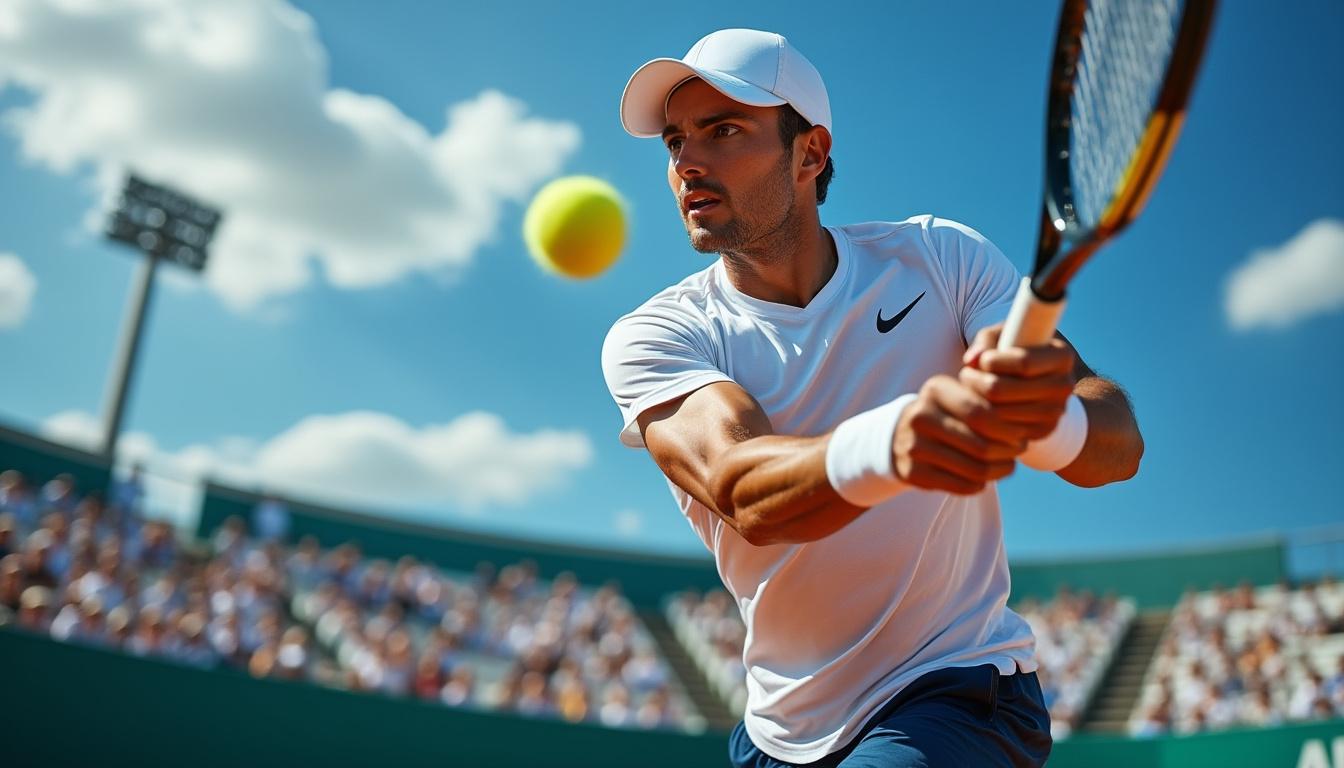
Essential Tennis Drills to Prioritize: Building Skills That Translate to Match Success
Drills chosen for December practice must reflect the evolving needs of tennis players emphasizing realistic, adaptive, and pressure-tested scenarios. Rather than isolated technical repetition, drills simulate game-play complexity and foster decision-making. Here are key drills every player should prioritize:
- Constraint-Based Rally Simulations: Begin points with a scoring disadvantage (e.g., 0–30) encouraging strategic comeback play and cultivating mental toughness.
- Serve Accuracy Training: Repetition focused on deliberately placing serves within challenging zones while under pressure, linking to mental training to improve serve focus and consistency (serve accuracy techniques).
- Behavioral Drills: Exercises emphasizing emotional control such as reframing frustration or maintaining body language to foster positive court presence.
- Match Point Pressure Plays: Practice sets where players face simulated match points or break points to train clutch performance.
- Footwork and Movement Agility: Dynamic drills like lateral monster walks and clockface lunges to ingrain explosive, tennis-specific movement patterns (footwork drills).
Through these drills, players simultaneously improve technical execution, mental strategy, and physical responsiveness necessary for top-level performance. Training in game-like environments accelerates skill transfer to competition. Consistent repetition of these drills in December lays a foundation for resilience and versatility across various match conditions.
| Drill Name | Primary Focus | Benefit |
|---|---|---|
| Constraint-Based Rally | Strategic play from deficits | Builds comeback mindset and game intelligence |
| Serve Accuracy Training | Serve placement and mental focus | Improves serve consistency and pressure management |
| Behavioral Control Drills | Emotional regulation | Makes positive body language habitual |
| Match Point Simulations | Clutch performance practice | Prepares players for high-stakes pressure |
| Footwork Agility Drills | Lateral speed and balance | Enhances court coverage and reduces injury risk |
Physical Conditioning Priorities for Tennis Players in December
December training transcends skill drills alone by integrating targeted physical conditioning essential for performance and injury prevention. The modern player’s conditioning program focuses on tennis-specific needs:
- Lateral Strength and Mobility: Exercises like the monster walk build hip and core strength pivotal for explosive side-to-side court coverage.
- Core Stability and Power: Dynamic exercises including planks with variations and medicine ball tosses develop a stable torso that fuels powerful strokes.
- Explosive Speed and Agility: Interval sprints simulate match point bursts, improving quickness and recovery between points.
- Flexibility and Recovery: Incorporating foam rolling and mobility work aids muscle recovery and maintains peak range of motion (recovery and mobility workouts).
- Functional Strength Training: Incorporate resistance-based movements that mimic tennis motions, such as twisting chops with elastic bands, to improve rotational power and control.
These conditioning elements collectively produce a player capable of enduring lengthy rallies, lasting matches, and unpredictable conditions like cold or wet courts in December. Strength without mobility compromises fluidity, while endurance without power limits shot-making effectiveness. Balancing these components ensures comprehensive preparation that stands up to the physical demands faced during tournaments and rigorous practice periods.
| Exercise | Focus Area | Expected Outcome |
|---|---|---|
| Monster Walk | Hip and core strength | Improved lateral movement and first step quickness |
| Plank Variations | Core stability and balance | Enhanced stroke power and injury prevention |
| Interval Sprints | Explosive speed and endurance | Better point-to-point movement and stamina |
| Medicine Ball Tosses | Explosiveness and rotational power | Stronger, more dynamic shot execution |
| Foam Rolling | Recovery and muscle relaxation | Reduced soreness and quicker recovery |
Managing Psychological Challenges and Nerves During December Tennis Practice
One of the most critical and nuanced aspects of December training lies in addressing the mental challenges that players face as competitions loom. Pre-match nerves, performance anxiety, and the pressure of expectations can significantly impact results. Instead of attempting to eliminate these nerves, modern training methodologies promote managing and adapting to them.
Developing mental toughness involves exposing players to controlled pressure environments within practice. This might include:
- Simulating distractions, such as crowd noise or unexpected delays during drills.
- Creating ‘match point down’ scenarios that force players to respond under high stakes.
- Incorporating mindfulness and breathing exercises to center focus between points.
Such strategies condition the athlete’s mind to shift from reactive worry to proactive problem-solving. Players learn to calm their nervous system with simple breathing routines and accept mistakes as part of the learning curve. This mental framework encourages resilience and a positive emotional approach, which can become a decisive factor in close match situations.
- Practice in noisy, distracting conditions to simulate real match atmospheres.
- Encourage players to speak affirmations and focus on effort rather than outcome.
- Use visualization techniques combined with breathing exercises to reduce tension.
- De-emphasize winning or losing, and instead highlight process goals like adaptability and composure.
| Mental Strategy | Purpose | Practice Method |
|---|---|---|
| Controlled Exposure | Build resilience under pressure | Simulate match point down and distractions |
| Breathing Techniques | Manage anxiety and regain focus | Practice deep, controlled breathing between points |
| Behavioral Goal Setting | Focus effort on process | Set intention to remain positive and composed |
| Mental Visualization | Increase confidence | Visualize successful plays and calm responses |
Optimizing Equipment and Recovery Strategies To Complement December Practice
Optimal tennis practice in December also demands smart equipment choices and recovery protocols. The cold, shorter daylight hours, and sometimes damp conditions can affect player readiness and injury risk. Investing time to refine gear, such as choosing the ideal tennis racquet suited for winter hard courts (see best tennis racquets for specific surfaces), selecting proper footwear that offers grip and support on potentially slick courts, and packing essential items following expert recommendations (tennis bag essentials), ensures players are physically and mentally prepared every session.
Equally important is incorporating dedicated recovery routines. After intense drills and conditioning, engaging in mobility workouts that increase joint flexibility and reduce tightness accelerates recovery and decreases injury risk (mobility-focused recovery workouts). Foam rolling and stretching conclude sessions on a note that respects the demands placed on the athlete’s body.
- Evaluate and update racquet choices to match current court conditions and player needs.
- Choose footwear optimized for December’s changing indoor/outdoor surfaces to maintain traction and support.
- Maintain a well-stocked bag with essentials ranging from hydration to recovery aids.
- Regularly perform post-practice mobility and foam rolling to aid muscle recovery.
- Balance workload to avoid burnout as the competitive season approaches.
| Aspect | Recommendation | Benefit |
|---|---|---|
| Racquet Selection | Choose racquets appropriate for surface and control needs | Enhances shot precision and reduces fatigue |
| Footwear | Use tennis shoes with optimal grip for winter conditions | Prevents slipping and supports court movements |
| Bag Essentials | Hydration, warm-up clothing, recovery tools | Maintains player readiness and comfort |
| Recovery Workouts | Incorporate foam rolling and mobility circuits | Accelerates muscle relaxation and injury prevention |
| Workload Management | Prioritize light sessions heading into tournaments | Protects against overtraining and optimizes performance |
When is the ideal time for players to start competing in tennis?
Players should start competing immediately, including informal matches and practice scenarios, as early exposure builds confidence and enhances adaptability in real match conditions.
How should players manage pre-match nerves effectively?
Players develop coping skills by simulating pressure situations in training and using controlled breathing between points to calm anxiety and focus attention.
What types of physical workouts are recommended for tennis players in December?
Workouts promoting lateral mobility, core strength, explosive speed, and recovery exercises like foam rolling are essential to maintain peak fitness and reduce injury risk.
Why are behavioral goals important compared to focusing solely on match outcomes?
Behavioral goals foster mental toughness, resilience, and positive attitudes that sustain performance irrespective of winning or losing, leading to continuous development.
How does equipment choice affect tennis training and performance during the winter season?
Using racquets and shoes suited for cold and wet court surfaces improves control and safety, while carrying proper gear supports optimal preparation and recovery during practice.