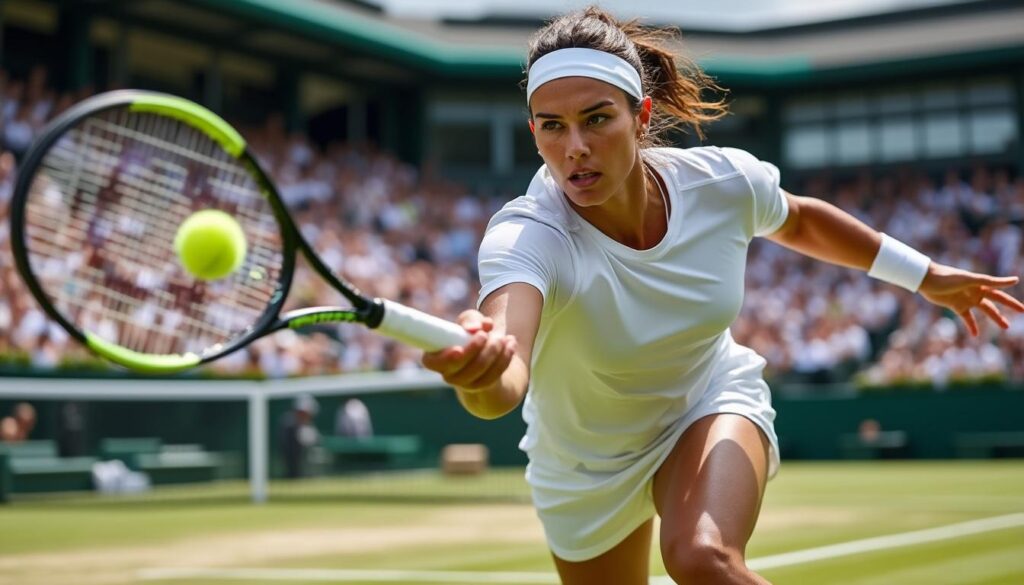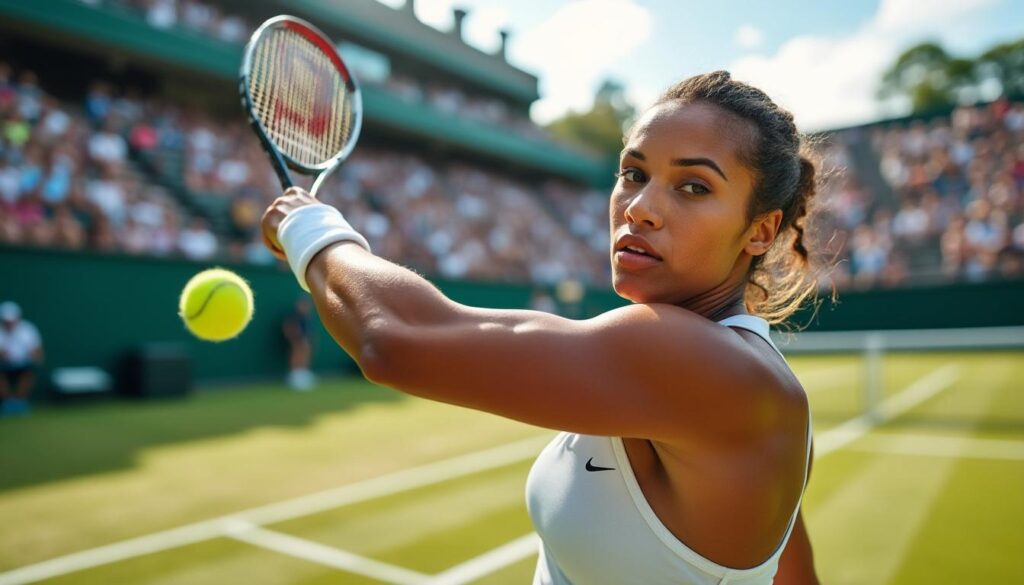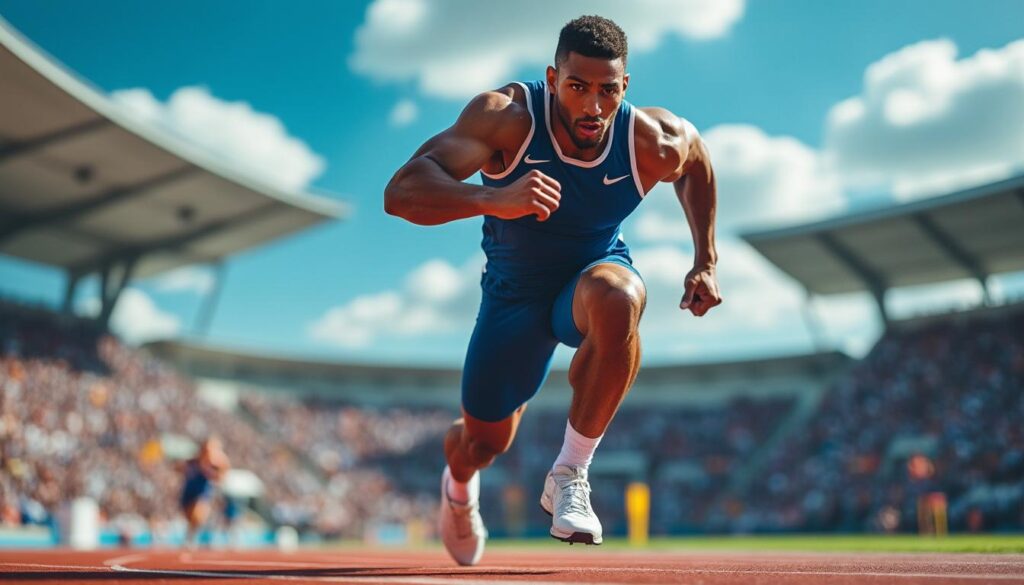
In today’s fiercely competitive sports environment, the margins between victory and defeat can hinge on the slimmest edge—precise preparation and strategic mastery. Tactical rehearsal drills have surged to the forefront, becoming indispensable tools as athletes sharpen their match strategies. These drills simulate real-game pressure and scenarios, allowing players to rehearse their moves, decisions, and responses before stepping onto the field or court. It’s no longer enough to rely solely on raw skill and physical conditioning. The 2025 sports landscape demands athletes who think several steps ahead, react instantly, and collaborate seamlessly within their teams.
These tactical drills serve as mental and physical blueprints, where every repetition builds instinctual awareness and strategic clarity. From small-sided games that highlight positioning nuances to scenario-based problem solving that demands split-second innovation, athletes engage in purposeful training that mirrors the intensity and unpredictability of actual competition. This focus on skill refinement, strategy execution, and game preparation nurtures a deeper understanding of the sport’s intricacies, empowering athletes to outsmart opponents and adapt swiftly under pressure. In essence, tactical rehearsal is the crucible where performance improvement is forged.
Whether in football, tennis, basketball, or other dynamic sports, this approach reinvents training sessions from rote physical drills into high-octane strategic workouts. Athletes emerge sharper, more confident in their roles, and ready to make decisive moves that can alter the course of a match. The pulse of modern sports beats fastest when mental agility pairs with physical excellence, and tactical rehearsal drills are the heartbeat that drives those elite performances.
Key Points
- Tactical rehearsal drills enhance quick decision-making and strategic thinking under game conditions.
- Integrating training that mimics real match scenarios is critical to athlete performance improvement.
- These drills boost teamwork by clarifying player roles and communication during practice sessions.
- Skill refinement through focused drills helps athletes adapt to varied match strategies against opponents.
- Combining physical conditioning with mental preparation prepares athletes for high-pressure competition moments.
How Tactical Rehearsal Drills Shape Athletes’ Match Strategy Refinement
At the core of any sporting success lies a profound grasp of tactical details, which goes beyond pure athleticism. Tactical rehearsal drills serve as the rehearsal stage for athletes to experiment and refine their strategic choices in a controlled yet lifelike environment. These drills provide a fertile ground where theory meets practice, letting athletes experience the consequences of their decisions in simulated match situations before the heat of competition.
For example, football players engage in positional drills tailored to simulate defensive pressure or attacking transitions. They rehearse exact movements, anticipating opponents’ maneuvers and calibrating precise responses. This intense repetition elevates their game intelligence, enabling players to perform fluidly and with foresight during matches. Such drills don’t just improve muscle memory; they deepen an athlete’s mental map of the game.
The beauty of these rehearsal drills is their diversity and adaptability. Coaches formulate scenarios that reflect an opponent’s most threatening tactics or exploit potential weaknesses in a team’s own setup. Overload games, where a team faces numerical disadvantage, drill defensive resilience and counter-attack strategies. Shadow play focuses on marking and positioning, teaching athletes the art of anticipation.
Integral to these exercises are small-sided games, which hone communication and tactical synergy among teammates. Reduced player numbers increase involvement and force constant tactical adjustments—players learn to coordinate closely, cover spaces efficiently, and execute strategies cohesively. This mirrors the dynamic shifts athletes face in actual matches, where awareness and precision can dictate outcomes.
In 2025, the convergence of tactical rehearsal with technology advances such as video analysis and real-time feedback enhances the efficacy of these drills. Players review their performances instantly, identify areas for improvement, and receive guided modifications to sharpen their tactical responses further. This iterative process of action, review, and refinement is key to evolving strategies that keep pace with ever-changing competition levels.
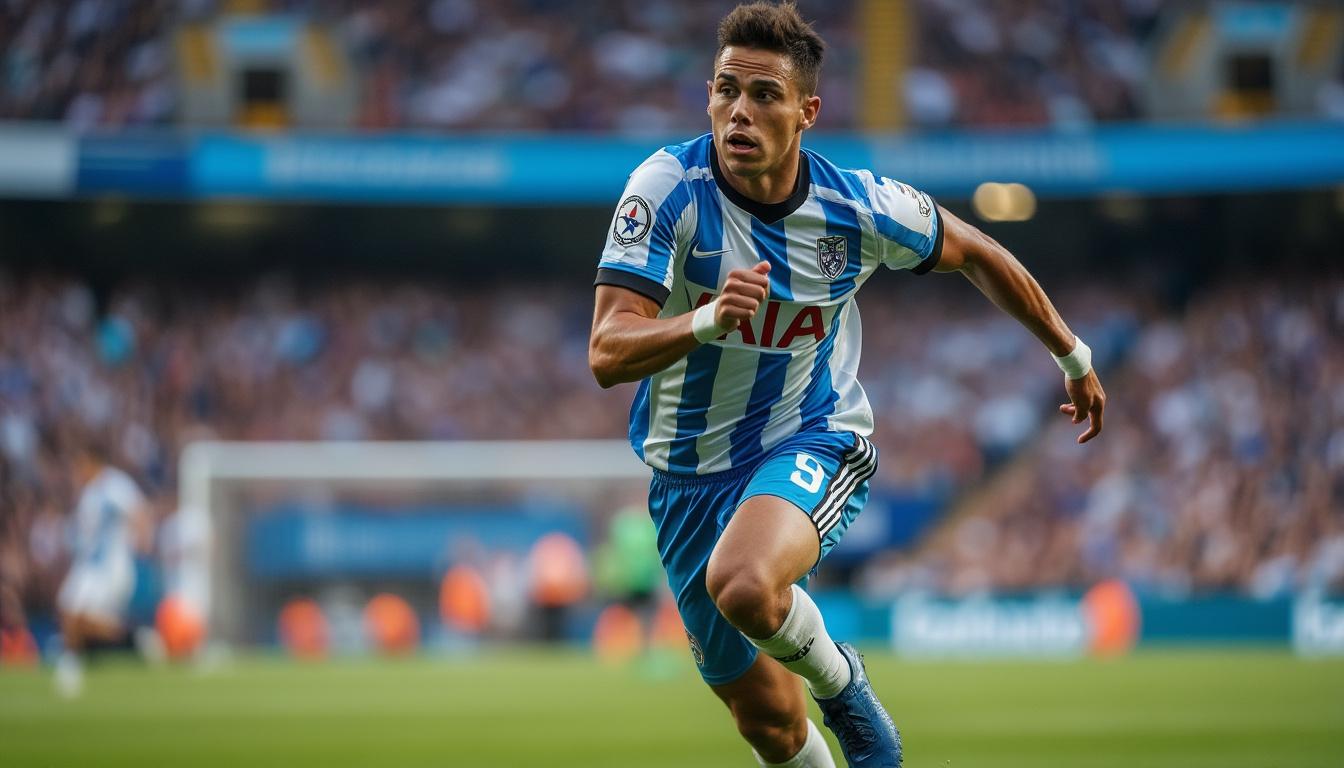
Effective Tactical Training: Techniques to Boost Strategic Execution in Practice Sessions
Tactical rehearsal drills are not generic; they demand meticulous design to match the specific demands of each sport and athlete’s role. These drills seamlessly integrate mental conditioning with physical execution, ensuring that players develop the cognitive agility required to make split-second decisions amid fatigue and pressure.
One compelling technique is scenario-based problem solving. Here, athletes are presented with real-time challenges such as playing from behind in score or reacting to unexpected opponent formations. This demands rapid tactical evaluation and adaptability, strengthening the athlete’s capacity to maintain composure and choose the optimum course under duress.
Another powerful tool is the fusion of physical and tactical training. Drills integrate agility and endurance exercises while simultaneously requiring strategic decisions. For instance, basketball players may dribble through a congested court setup, choosing when to pass, shoot, or drive based on evolving defensive alignments. These simultaneous demands simulate real match intensity and sharpen the athlete’s ability to perform with clarity during competition.
Communication drills also receive increased emphasis. Effective teamwork is born from shared understanding and constant dialogue. Tactical rehearsal sessions incorporate exercises where athletes practice calls, signals, and spatial awareness to coordinate actions in fluid match situations. This intensifies on-court chemistry and reduces costly errors born from miscommunication.
Shadow play drills are especially important for defensive roles. Players shadow opponents’ movements closely, learning to maintain optimal positioning and anticipate next steps without direct contact. This hones patience, positioning, and the intuition necessary to neutralize threats before they escalate.
The combination of these sophisticated rehearsal techniques generates athletes who don’t just react on instinct but operate with a clear tactical blueprint. Ultimately, training becomes a strategic rehearsal, with every drill serving as an opportunity to replicate, evaluate, and perfect match day decision-making.
The Role of Coaches in Elevating Tactical Awareness Through Training
Behind every athlete mastering tactical rehearsal drills, there stands a coach choreographing an environment of strategic growth and mental toughness. Coaches play an essential role in educating players not just physically but mentally, guiding them through the complex chessboard that is modern competitive sports.
Their approach involves customizing drills to athlete profiles, acknowledging individual strengths, learning curves, and psychological readiness. A defender’s tactical drills vary significantly from a striker’s, with unique focuses on positioning, transitions, or offensive creativity. Tailored training ensures each athlete hones the most relevant skills for their strategic function.
Coaches also craft training sessions that incrementally raise difficulty, simulating rising pressure and tactical complexities closer to competitive realities. Players experience situational stress like time constraints or uneven team numbers, forcing rapid strategic thinking. These progressive challenges develop resilience and sharpen an athlete’s capacity for tactical adjustment—a quality that often distinguishes the elite from the rest.
Incorporating technology is another critical coaching tactic. Video reviews dissect match and practice footage, spotlighting tactical successes and errors. This feedback loop allows players to visualize their choices, understand their consequences, and internalize corrections. Analytical insights transform mental preparation from abstract concepts into concrete learning points.
Furthermore, coaches cultivate teamwork by fostering shared tactical language and encouraging open communication. By bridging individual efforts into united team action, these training philosophies build the trust and synergy needed to execute complex game plans seamlessly. When athletes understand their roles deeply, decisions flow organically, creating a fluid, adaptive competitive force.
Ultimately, the coach–athlete dynamic in tactical rehearsal is a partnership—both engage relentlessly in pursuit of mastery. Coaches drive focused training environments where tactical rehearsal drills mold athletes into strategic competitors ready to face any match challenge.
Integrating Tactical Drills into Sport-Specific Training Routines for Consistent Improvement
Tactical rehearsal drills thrive when seamlessly woven into an athlete’s broader training regimen. The most successful sports programs marry technical skill development with tactical rehearsal to promote holistic excellence. This combination generates athletes capable of dynamic physical execution coupled with sharp strategic insight.
Integration starts by identifying core tactical themes specific to each sport and position. For example, football midfielders focus on spatial control and transition management, while tennis players refine shot selection and court positioning in response to opponent tendencies. Coaches and trainers then embed tactical drills aligned with these priorities into every practice session.
Small-sided games provide an ideal vehicle for this integration. These condensed matches foster a high volume of realistic touches, tactical choices, and rapid role shifts in a manageable format. Players repeat critical tactical elements frequently, ingraining strategy execution into muscle memory.
Regular analysis and reflection are vital. Post-session reviews, through player self-assessment and coach feedback, highlight areas needing refinement. This continuous cycle of practice, evaluation, and adjustment ensures tactical rehearsal is not a one-off exercise but an evolving discipline driving performance improvement.
Effective integration also embraces mental conditioning. Simulation of high-stress moments within drills, such as crunch time scenarios, trains athletes to maintain composure. The mental toughness developed translates directly into confidence during crucial competitive turning points.
Below is a table outlining example tactical drills alongside their targeted attributes and key benefits within a typical training program:
| Drill Type | Target Skill | Primary Benefit | Typical Use |
|---|---|---|---|
| Shadow Play | Positioning, Anticipation | Enhances defensive awareness and reaction speed | Defensive drills and match simulation |
| Overload Games | Decision-making under pressure | Builds resilience and tactical creativity | Training for defense and counter-attacks |
| Small-Sided Games | Communication, Tactical Coordination | Improves teamwork and role clarity | Regular practice sessions |
| Scenario-Based Drills | Adaptability, Stress Management | Prepares athletes for unexpected match situations | High-pressure simulation training |
Advancing Tactical Rehearsal Drills: The Future of Match Preparation and Performance Enhancement
The ongoing evolution of sports tactics demands that athletes continually refine their approaches. Tactical rehearsal drills are evolving too, embracing advances in biomechanics, AI-driven analytics, and augmented reality training to create ever-more immersive and effective practice sessions.
Augmented reality setups for tactical rehearsal, for instance, allow athletes to engage with virtual opponents and scenarios layered directly onto their training environment. This fusion creates a hyper-realistic training atmosphere where athletes can experiment with strategy and see the immediate impact of their choices in a controlled but challenging context.
Data-driven insights are becoming crucial, with wearables and sensors providing real-time feedback on athlete positioning, reaction time, and decision accuracy during tactical drills. Coaches and players gain unprecedented clarity on performance metrics that translate directly into enhanced strategy execution and skill refinement.
Moreover, personalized tactical rehearsal programs tailored by AI algorithms analyze past performances and predict opponent tendencies. These bespoke training paths optimize an athlete’s development focus areas, accelerating growth and sharpening competitive edges.
As we progress through 2025, the fusion of technology and tactical training promises to redefine match preparation. Athletes who adopt and embrace these innovations will find themselves better equipped to anticipate, adapt, and dominate in their respective sports, making tactical rehearsal drills not just important but essential pillars of modern athletic success.
What are tactical rehearsal drills in sports?
Tactical rehearsal drills simulate real-game scenarios, helping athletes practice decision-making, positioning, and teamwork under conditions similar to actual matches. These drills improve strategic thinking and game execution.
How do tactical drills improve an athlete’s performance?
By training in game-like conditions, athletes enhance their ability to read the game, anticipate opponents’ moves, and execute strategies confidently, resulting in faster decisions and better teamwork during competitions.
Can tactical rehearsal drills be tailored to individual athletes?
Yes, coaches customize drills to suit each athlete’s position, strengths, and learning needs, ensuring that tactical training aligns with personal and team goals for maximum effectiveness.
What role does technology play in tactical rehearsal training?
Technology, including video analysis, AI, and augmented reality, provides athletes and coaches with detailed feedback, enabling precise adjustments and personalized tactical development programs.
Why is teamwork emphasized in tactical drills?
Teamwork ensures players understand their roles and communicate effectively, allowing the collective execution of complex strategies that would be impossible to achieve individually during high-pressure matches.