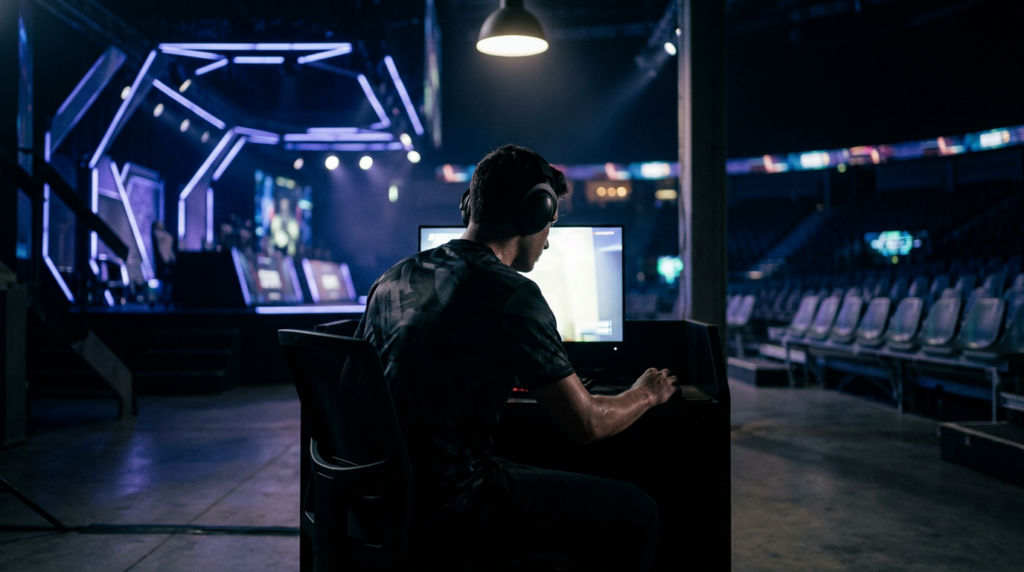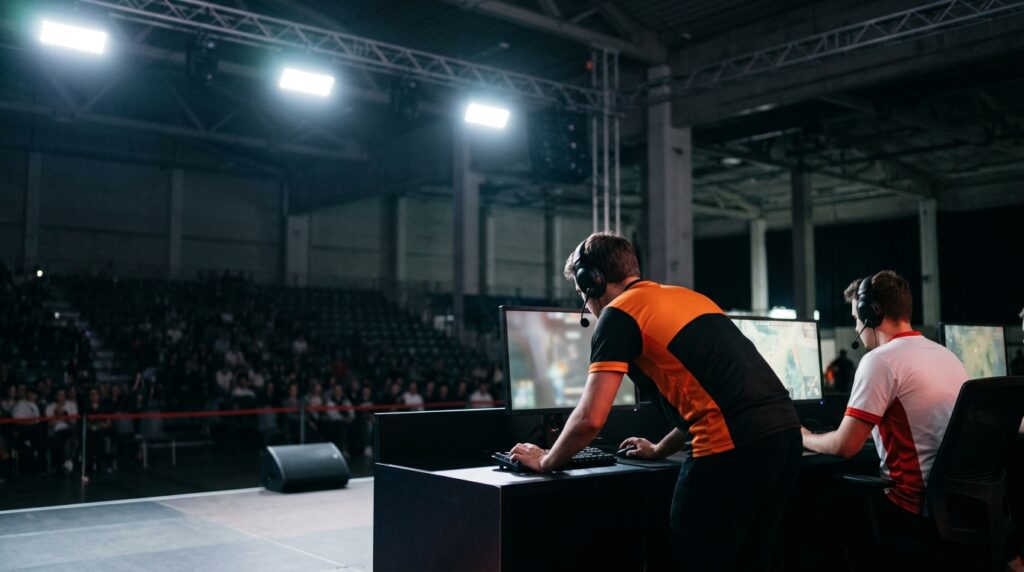
When Fnatic and T1 collide, anticipation hangs thick in the air. Chants thunder through packed arenas and digital streams, each side bracing for heartbreak or glory. These aren’t just matches, they’re battles for pride, legacy, and the soul of entire fanbases. Social feeds explode with memes, hot takes, and raw emotion the moment the action starts. Rivalries in esports fuel the scene, transforming casual viewers into lifelong devotees.
When History Repeats: The Pulse of Esports Clashes

A single spark, an upset, a controversial play, a flash of trash talk, can ignite a rivalry that refuses to die. Narratives quickly spiral beyond the game itself. T1 versus Fnatic isn’t just a League of Legends fixture; it’s a saga written across stages from Seoul to Berlin, each meeting adding new heroes and villains to the story.
Their recent encounters have delivered fireworks. Fnatic’s calculated aggression meets T1’s disciplined macro game, and every skirmish is dissected frame by frame. When Fnatic’s ADC nails a game-winning pentakill. Twitter erupts in jubilation and despair. Cameras catch T1’s coach, stone-faced, and he’s instantly immortalized in memes. The drama spills far beyond the Rift, echoing wherever fans gather to relive the spectacle.
Other rivalries have carved their own legends. Evil Geniuses versus Team Liquid. NAVI against Astralis. Each brings a unique flavor and mythology. NAVI and Astralis have met in so many Counter-Strike finals that every pistol round feels like a fresh chapter. Strategies are rewritten, legends forged. One botched retake can haunt a team for seasons.
Statistics only add fuel. Head-to-head win rates. KDA ratios, map pool numbers, every data point becomes ammunition for fans and analysts. In 2025. Evil Geniuses held a 60% win rate over Team Liquid, but Liquid snatched the most crucial playoff series. That reversal keeps the rivalry burning: anything can happen.
Turning Points and Human Stories: Beyond the Scoreboard
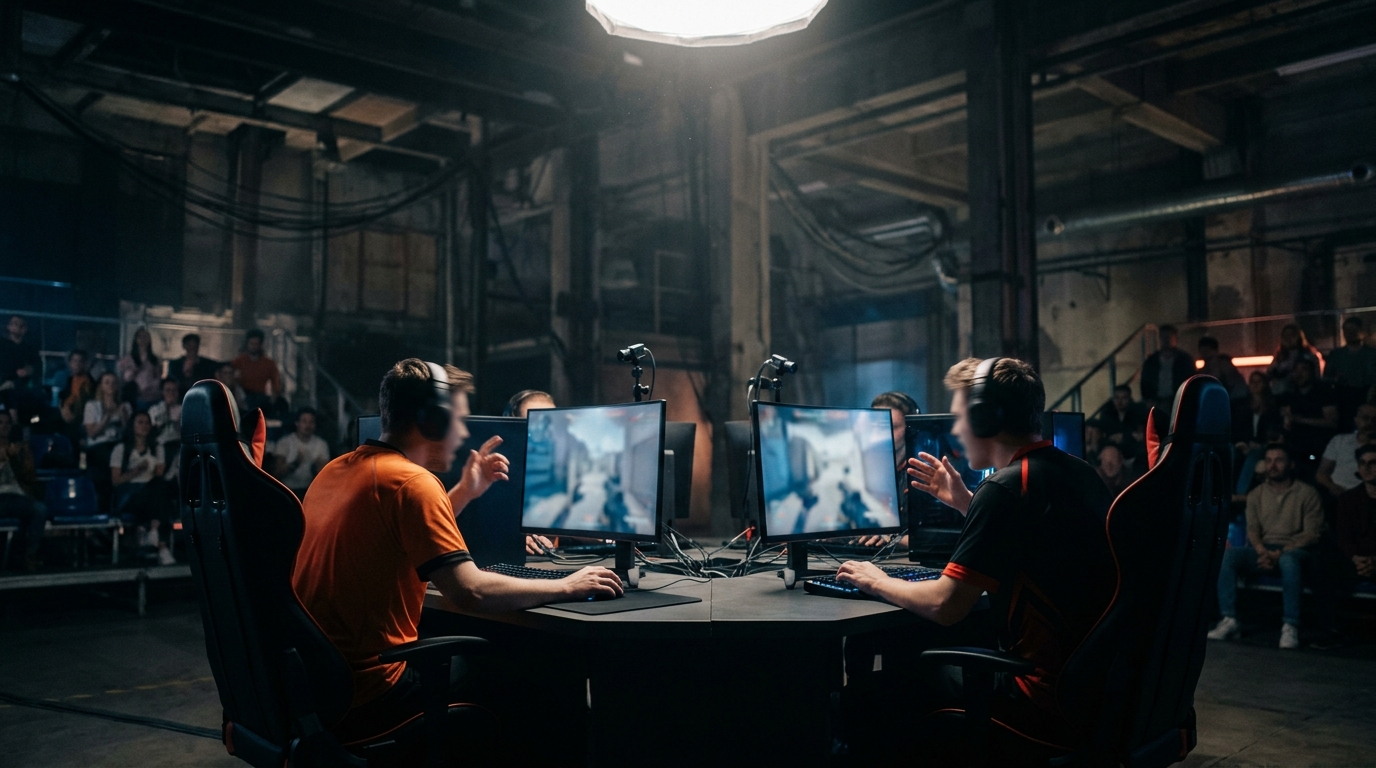
For players, these matches cut deep. A rivalry loss can linger for years, shaping careers and team cultures. Pressure behind the scenes is relentless. Coaches spend weeks crafting new drafts, analysts pore over hours of tape, and players push themselves to the edge. When Astralis finally broke NAVI’s winning streak, their captain’s tears on the broadcast captured a cathartic release for a squad that had fallen short so many times.
Fans don’t just watch, they shape the drama. When Evil Geniuses and Team Liquid face off. Reddit floods with predictions and banter. Inside the arena, banners wave and coordinated chants build into a storm of noise impossible for players to ignore.
Rivalries ripple far beyond bragging rights. Sponsors track every highlight-reel play, knowing one moment can send merchandise sales soaring. Tournament organizers craft entire narratives around these clashes, promoting rematches with cinematic trailers and selling out venues. Esports betting rides the waves of these matchups, as fans try to predict the next twist in an unpredictable saga. Technology amplifies every moment, immortalizing classic clashes and fueling new conversations about how virtual experiences might reshape the way fans engage with classic esports clashes.
At the core, it’s always about people. The rookie who silences a crowd. The veteran who rallies a team from the brink. Rivalries that turn teammates into enemies and, sometimes, back again. These stories endure, long after the final Nexus falls or the last bomb is defused.
A new chapter is always just a match away. In esports, a rivalry never truly ends, it only waits for the next spark.