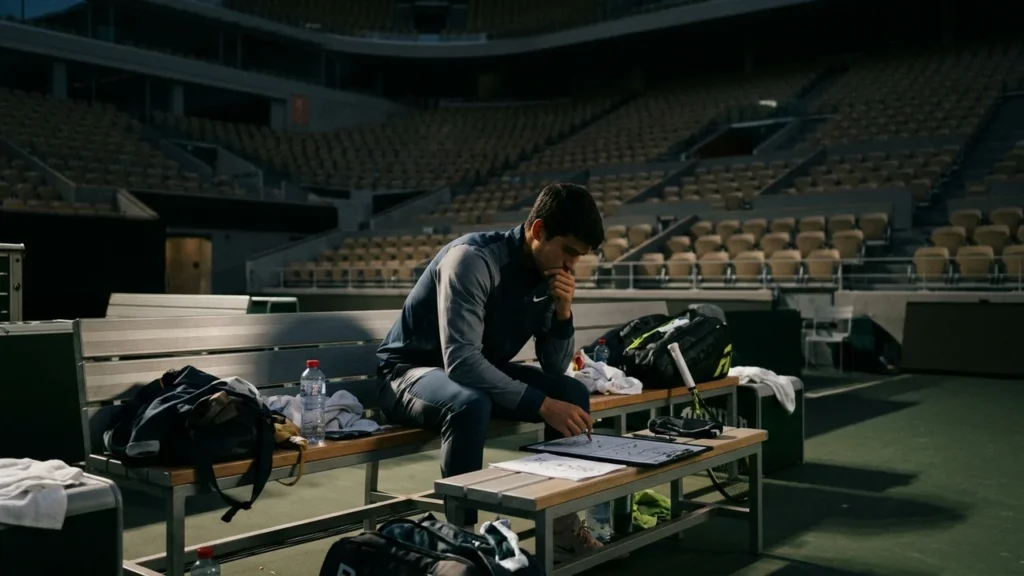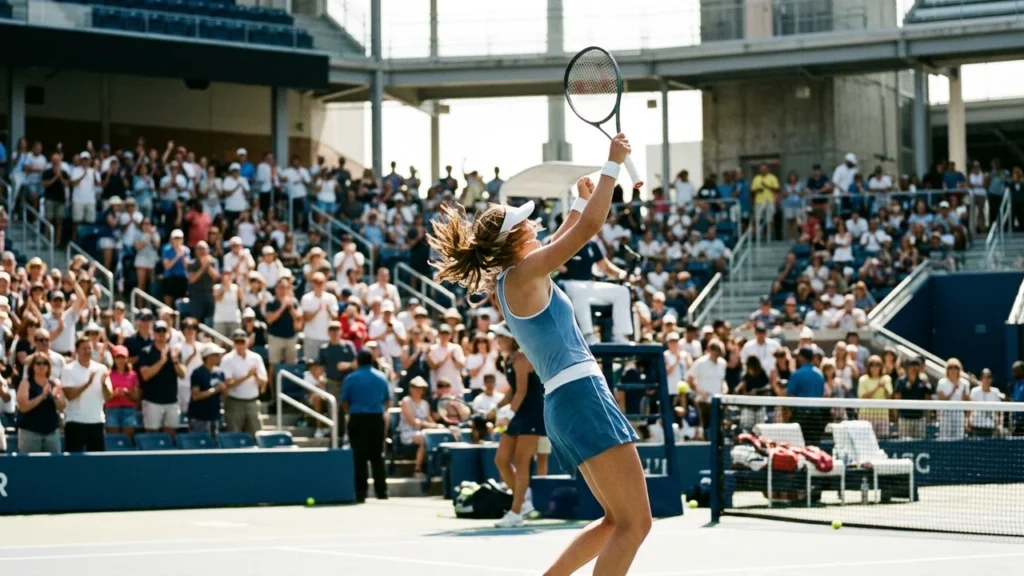
Tennis insiders never tire of the US Open’s wildest upsets, and with good reason. The visceral, stunned reaction when a heavy favorite crashes out at Flushing Meadows? That’s pure sporting electricity. Players, coaches, and fans can talk tactics and form until they’re blue in the face, but nothing sends shockwaves through the locker room like a giant-killing under the New York lights. For champions sent packing, the pain lingers. For those who pull off the impossible, the triumph echoes for years.
Year after year. US Open upsets trigger fierce debate. Are the seeds overrated? Is the pressure too much for the big names? Did the underdogs just want it more? The post-match reaction is often brutal. Pundits and ex-pros waste no time questioning preparation, hunger, and even the “mental fortitude” of those who crumbled. In the stands, the energy turns electric. Fans love an underdog story, but when a household name gets torched in the opening rounds, the stadium feels like it’s in on a delicious secret.
Let’s not pretend these aren’t tennis earthquakes. The greatest US Open upsets have repeatedly rewritten the script, exposing vulnerabilities in legends and launching new contenders into the spotlight.
It isn’t just about one bad day. These moments reveal the raw, unpredictable soul of the sport.
When History Gets Ripped Up: The Anatomy of a US Open Shock

Predictions? Toss them out. The US Open’s hard courts don’t care about rankings or reputations. Recent performance metrics show that even top seeds riding dominant win streaks are never safe. The tournament has chewed up and spat out more than a few “unbeatable” favorites, often after months of hype and statistical superiority. Numbers look silly when a qualifier storms through in four sets.
Tactical carnage defines the best upsets. These aren’t just flukes: they’re masterclasses in exploiting weaknesses and rattling nerves. The underdog’s serve suddenly finds the corners. The favorite’s forehand collapses under pressure. The crowd starts to believe. Team dynamics shift in an instant. Coaches scramble for answers, physios work overtime, and the “sure thing” narrative evaporates.
Nightmares for legends are born here. The tournament’s history is littered with world No.1s dumped out by players ranked outside the top 50, a stat that should haunt anyone with Grand Slam ambitions. Competition implications are massive. Draws open up, title favorites vanish, and suddenly the “unthinkable” becomes the new normal.
| Year | Favorite Seed | Underdog | Round | Outcome |
|---|---|---|---|---|
| X | Top 5 | Outside 50 | Early | Upset Win |
| Y | Defending Champ | Qualifier | Second | Shock Loss |
That’s not just chaos. That’s the US Open’s signature move.
Psychological fallout hits just as hard. When a titan falls, other contenders smell blood. The locker room’s mood shifts: why not me? Head-to-head records and recent form get tossed out the window. Every player left in the draw feels the tremor.
Suddenly, the path to the trophy gets murky, unpredictable, and deeply entertaining.
Today, the significance is bigger than ever. In a sport obsessed with data and “expected wins,” US Open upsets remind everyone that the human element can never be factored out. These shocks matter because they keep tennis honest, raw, and gloriously uncertain. Every year. New York serves up a reminder: no champion is safe, and no storyline is too wild for the US Open.