Alexandra Eala’s US Open exit sparked discussion among players and observers about the unique pressure surrounding her rise. Coco Gauff, who knows the weight of expectation, drew a distinction between the challenges she faces and those confronting Eala. “No, I can’t at all, because she’s the first Filipino player to break a lot of the barriers that she’s done, especially on the female side,” Gauff stated.
Gauff pointed to Manny Pacquiao, a national sporting icon, to explain the singularity of Eala’s position. Every Eala match carries more than a test of technique or stamina. Crowds, expectations from the Philippines and the symbolism attached to her victories create a level of scrutiny rarely seen in tennis.
Gauff has faced the attention that comes with emerging as an American talent with Serena Williams’ legacy in the background. Eala’s pressure is more concentrated. Each rally can carry the weight of representation for a nation still waiting for another player to match her breakthroughs.
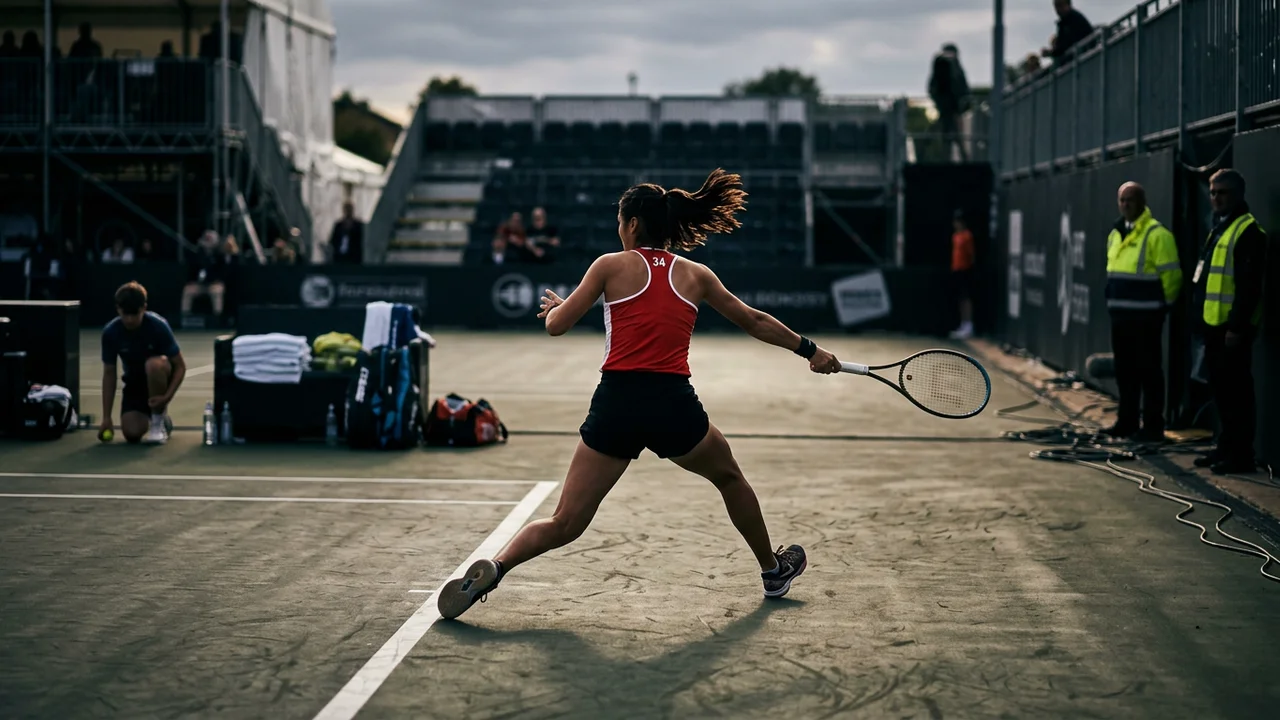
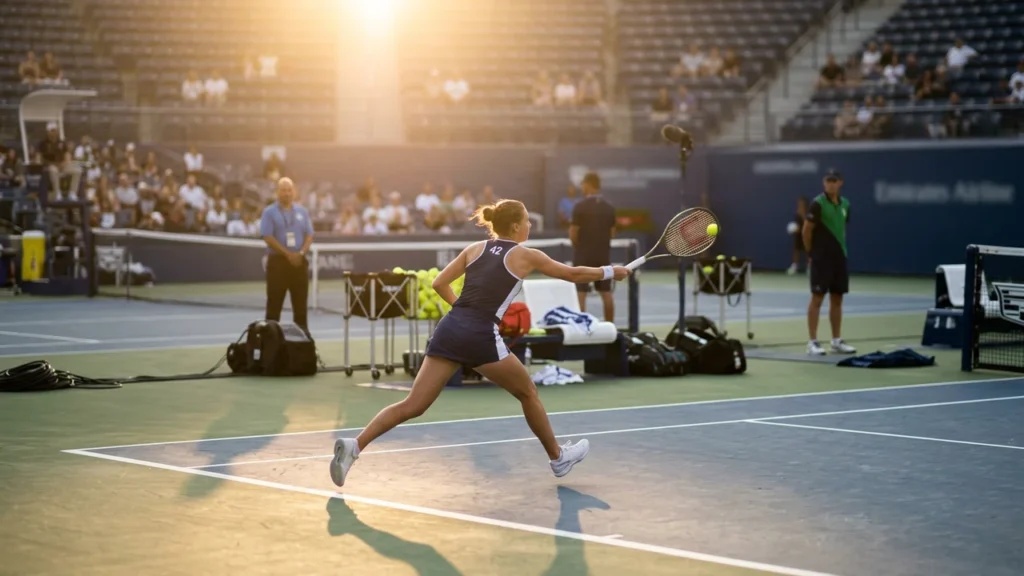
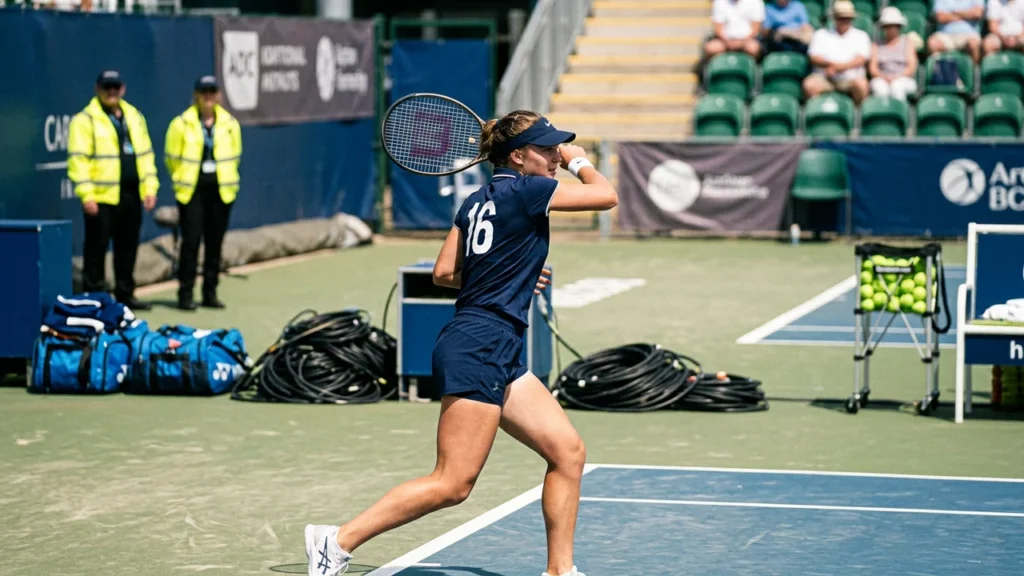
That burden was evident during Eala’s third-round encounter with Iva Jovic at Flushing Meadows.
Their tactical exchanges stretched over three hours and pushed both players physically and mentally. Monica Seles, a nine-time Grand Slam champion, praised the spectacle and said she wished for a best-of-five format to savor the battle. A predominantly pro-Eala crowd gave the match the feel of a home fixture, raising the stakes on every point.
Eala had to manage more than court position. She also had to absorb the energy from the stands and turn it into an advantage.
Her ascent has not followed the usual development path of players from established tennis nations. Becoming the first Filipino to win a WTA singles title last month and reaching world number 18 changed how opponents and analysts view her matches. Filipino flags at WTA events now accompany a player whose inside-out forehand and two-handed backhand patterns are matched by crowd momentum that can quickly shift a contest.
“I feel like she has more pressure than I do,” Gauff said.
The American system, with its deep pool of former champions and established infrastructure, distributes attention across several contenders. Eala carries a more individual burden as the leading face of Filipino tennis.
Recent results reinforce her standing. Eala reached the fourth round at Wimbledon and became the first Filipino to win a match at the US Open in the Open era. Her return home after Wimbledon included an honor from the Philippine president, underscoring her role as both athlete and ambassador.
Jovic, Eala’s conqueror in New York, described the toll of their match: “It took losing my earrings, falling literally flat out on the floor, cuts on my knees, mental breakdowns. It took literally everything.”
Both players finished with positive winner-to-unforced-error ratios, reflecting the quality of a match played under intense physical and psychological strain.
Gauff respects Eala’s journey while recognizing how isolated her position can be. “I’m lucky to be from the US, where we had a lot of icons to look up to, people who have already broken down doors for me to be here where I am. I can’t really empathise in that aspect,” she said.