

Every rally in tennis begins with a serve—a lightning bolt that can dictate the tempo of the entire match and leave opponents scrambling. The serve isn’t just about brute force; it’s a symphony of precision, timing, and strategy, demanding more than raw athleticism. It’s the prelude to every point, the secret weapon players wield to control the court. In this dynamic arena, the tennis serve has evolved into both an art and science, tailored by each player’s unique style and physicality. From the sharp slice serves of the pros like Roger Federer to the explosive first serves of Serena Williams, mastering this shot translates into a profound competitive edge.
As the game speeds into 2025, advancements in rackets from brands like Wilson, Head, and Babolat have revolutionized how players harness power and spin. Combine those tech leaps with cutting-edge training techniques, and suddenly the once elusive bomb serve becomes attainable for players of all levels. Yet, there’s more beneath the surface than simply “hitting hard.” It’s about coordinated body movement, the perfect ball toss, laser-focused mental routines, and the subtle grip changes that turn a decent serve into a weapon of destruction.
This deep dive into the powerful tennis serve explores essential techniques, insider tips, and the practice routines that can boost your game exponentially. Whether you wield a Prince, Yonex, or Lotto racquet, or lace up with Adidas or Asics on your feet, we’ll crunch the technical, physical, and mental edges to sharpen your serve. And as you chase that ace down the T or slice a curving serve wide, know you’re joining a tradition of champions and innovators who see the serve as the ultimate declaration of control.
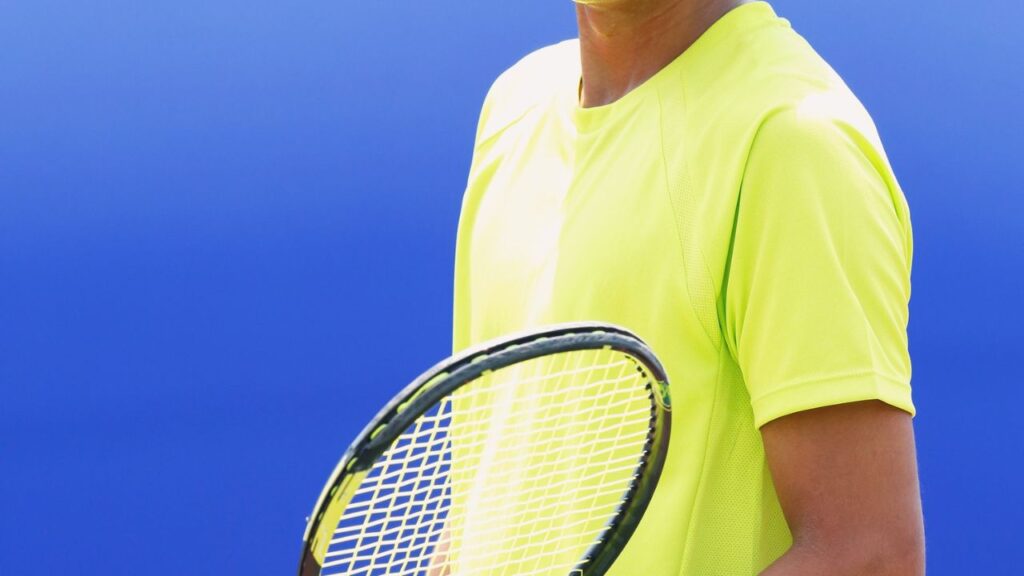
Mastering Serve Technique: The Foundation of a Powerful Tennis Serve
At the heart of every explosive tennis serve lies flawless technique—an element that demands precision and repetition. First, grip pressure is a silent game changer. Holding your racquet too tightly can actually slow down racket head speed, while a grip that’s too loose offers zero control. The magic lies in maintaining a consistent, firm-but-relaxed grip. Players using Wilson or Head racquets find experimenting with grip pressure during training can unlock surprising speed and spin without sacrificing control.
Footwork during serve preparation is often underrated. The feet aren’t static; they act as the powerhouse priming the kinetic chain. Starting with your stance, players must balance on the balls of their feet, aligned roughly shoulder-width apart. The rear foot executes a pivot as you coil your torso, transferring weight from the back foot to the front foot. This weight shift is essential for generating torque and leveraging body strength up through the core into the racquet.
A consistent toss underpins every reliable serve. It sounds simple but tossing the ball at a consistent height and position can mean the difference between an ace and a double fault. Practice tossing without swinging to fix muscle memory. Notice how top pros using Babolat or Prince racquets often release the ball from the same spot. This consistency allows the server to predict exactly where the ball will meet the racquet, maximizing power delivery and precision.
Key elements to focus on for technical mastery:
- Grip pressure: Find the ideal balance for racquet control and speed.
- Foot positioning and pivot: Utilize proper stance and weight transfer.
- Consistent ball toss: Practice releasing the ball in the exact spot every time.
- Body rotation: Engage hips and shoulders to maximize racket head speed.
- Follow-through: Complete the motion for balance and accuracy.
| Serve Component | Purpose | Common Mistakes | Pro Tip |
|---|---|---|---|
| Grip Pressure | Balance control and racket speed | Too tight causes tension, too loose loses control | Use a relaxed firm grip; experiment with minor pressure tweaks |
| Footwork & Weight Transfer | Generate torque and transfer power | Static feet, poor pivoting, or insufficient weight shift | Practice coordinated rear foot pivot and front foot step timing |
| Ball Toss | Maintain serve consistency | Inconsistent height or lateral variation | Toss high enough and repeating exact release point |
| Body Rotation | Add speed and power through torque | Using arm only without torso involvement | Engage hips and shoulders for a fluid unwind |
| Follow-Through | Stabilize motion and improve accuracy | Cutting off swing too early or improper finishing | Complete swing naturally with smooth deceleration |
Harnessing these fundamentals with brands like Nike or Adidas supplying apparel that boosts mobility can elevate your training sessions. Pairing your serve work with strength and flexibility drills from resources like TennisGuide.net’s fitness exercises helps safeguard your body while amplifying performance.
Serve Tips to Unlock Power and Consistency on the Court
Unlocking the raw power behind a serve is more layered than swinging harder. It’s about biomechanical wizardry and mental craft. Leveraging your entire body—especially the legs and core—injects electricity into your serve. Without proper weight transfer from back to front foot, the motion falls flat. The secret is mastering explosive leg drive combined with core torque that releases like a coiled spring at contact.
Also, serve placement strategies transform your serve from a mere shot into a tactical weapon. Mixing up service locations (wide, body, or down the T) tips off your opponent and opens the court for the next shot. Slazenger or Yonex racquets offer maneuverability requisite for tactical adjustments mid-match. Observing pros mainstreaming slice or kick serves showcases how variation imposes mental pressure on opponents, leading to more free points.
Tip list for maximizing serve power and precision:
- Explode with leg drive: Use bent knees and push-off to generate initial force.
- Engage core muscles: Initiate torso twist and rapid untwisting at contact.
- Perfect your racket snap: Quick racket head acceleration through the ball.
- Master ball placement: Serve to opponent’s weaker side or body.
- Vary spin types: Experiment with slice and topspin to disturb rhythm.
| Tip | Impact | How to Practice | Common Pitfalls |
|---|---|---|---|
| Leg Drive | Increases serve speed and power | Practice explosive jumps and squats | Not bending knees enough reduces drive |
| Core Engagement | Maximizes torque and racket speed | Drills focusing on medicine ball twists | Relying too much on arm muscles alone |
| Racket Snap | Adds speed and spin | Shadow swinging with emphasis on wrist flick | Slowing down at point of contact |
| Serve Placement | Disrupts opponent’s return rhythm | Practice targeting cones placed strategically | Inconsistent aim and predictability |
| Spin Variation | Makes serve harder to read and return | Use slice and topspin drills with ball machines | Overusing one spin type loses element of surprise |
To develop mental toughness that matches these technical skills, players donning Lotto gear often adopt routines emphasizing breathing and visualization before service. Adopting a ritual calms nerves, so pressure-packed points no longer throw off the rhythm. For more intricate serve tactics and mental strategies, this TennisGuide resource covers the pro breakdowns you’ll want in your corner.
Practice Routines and Drills to Build a Powerful Tennis Serve
Powerful serves don’t arise out of luck or sporadic efforts—they are forged through relentless, methodical practice. Integrating drills that emphasize each segment of the serve sequence sharpens muscle memory and builds confidence under pressure. The drills below, recommended by top coaches worldwide, can be incorporated alongside your choice of premium racquets, whether it’s Wilson’s latest model or a classic Prince.
Drills to enhance serve components:
- Ball Toss Repetition Drill: Without hitting, toss the ball 50 times aiming for the sweet spot each time.
- Leg Drive Explosive Jumps: Develop power with plyometric exercises emphasizing quick knee bends and push-offs.
- Shadow Serve Drill: Practice the serve motion smooth and slow to focus on precise mechanics.
- Target Practice: Place cones or markers in service boxes and aim serves to land on them.
- Pressure Simulation: Practice serving under timed or score-based challenges to mimic match stress.
| Drill | Focus Area | Benefits | Frequency |
|---|---|---|---|
| Ball Toss Repetition | Toss accuracy and consistency | Improves muscle memory and serve reliability | Daily, 10 minutes |
| Leg Drive Jumps | Power generation | Builds explosive strength and endurance | 3 times per week |
| Shadow Serve | Technique refinement | Allows focus on form without ball | Daily, 15 minutes |
| Target Practice | Placement and precision | Develops accuracy in match settings | 2-3 times per week |
| Pressure Simulation | Mental toughness | Prepares for real match pressure | Weekly |
Pairing structured sessions with sustainable endurance work, as detailed on TennisGuide.net, ensures that your serve remains potent match after match. On a surface note, adapting serve technique to courts—be it grass, clay, or hard court—is crucial. Each one demands slight adjustments in ball spin and speed, impacting serve strategy.
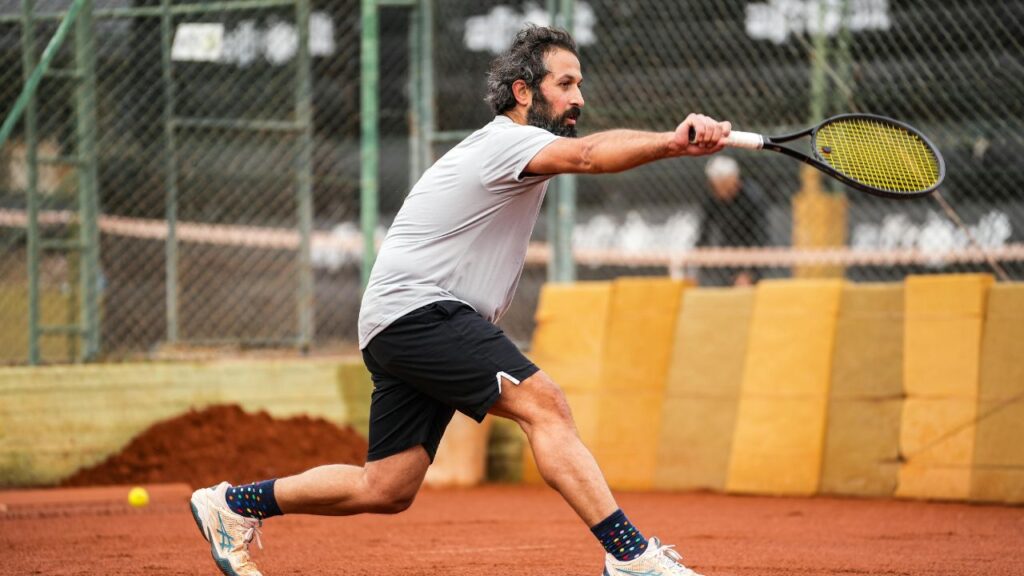
Adapting Your Serve Across Different Tennis Surfaces in 2025
The modern player’s arsenal includes adjusting serves to the court’s unique characteristics. Hard courts give the ball a predictable, fast bounce, ideal for a flat, powerful serve that blasts down the T. Clay courts, in contrast, slow down the ball and raise its bounce, compelling servers to incorporate more spin, like slice or kick serves, to keep the ball low and tricky.
On grass courts—the fastest of all—players rely heavily on slice serves that skid on low, making returns difficult. Players using Yonex or Wilson racquets often tweak their service motions subtly to conform to each surface, leveraging their technical mastery to maximize effectiveness.
Around the major tournaments in 2025, adaptable servers consistently rise in rankings. Those who master serve adjustments according to surface nuances gain a massive competitive advantage over rivals who remain static in their approach. Brands like Nike and Adidas continue innovating footwear to optimize footing for these surface-specific movements, underpinning better serve executions.
| Surface | Serve Characteristics | Effective Serve Types | Recommended Racquet Brands |
|---|---|---|---|
| Hard Court | Fast, predictable bounce | Flat serve, slice serve | Wilson, Babolat, Prince |
| Clay Court | Slow, high bounce | Kick serve, heavy topspin | Head, Yonex, Wilson |
| Grass Court | Low, slippery bounce | Slice serve, flat serve | Wilson, Yonex, Slazenger |
Those seeking to optimize performance should consider expert gear guidance such as the Best Tennis Rackets of 2025 and the Tennis Shoes Guide for the Right Fit available to unlock serve potential with the right tools.
Mental Game and Handling Pressure: Winning the Serve Battle Every Time
Pressure points in tennis magnify every ounce of doubt or confidence, especially on crucial serves. The mental game separates good servers from legend-tier aces whose serves resonate like battle cries. Rituals are paramount—before the serve, rituals might include deep breathing techniques, visualizing the ball’s trajectory, or verbal power cues.
Elite players wearing brands like Lotto and Nike emphasize routine and focus, knowing that the serve is also a test of psychological endurance. Managing stress and maintaining composure on match points or tight tiebreaks can mean the difference between victory and heartbreak. Strategies to overcome serving nerves entail psychological conditioning as much as physical preparation.
Key mental strategies to master your serve include:
- Pre-serve routine: Establish consistency and calm.
- Visualization: Picture a perfect serve trajectory beyond the net.
- Controlled breathing: Reduce adrenaline surges that cause rushed motions.
- Positive self-talk: Build confidence and resilience.
- Focus on the process: Concentrate on technique rather than outcome.
| Strategy | Benefit | Implementation | Common Mistakes |
|---|---|---|---|
| Pre-serve Routine | Consistency and calmness | Create a fixed ritual before each serve | Skipping routine or changing pattern |
| Visualization | Enhances confidence and precision | Mentally rehearse serve trajectory | Overthinking and losing spontaneity |
| Controlled Breathing | Regulates nerves and physical tension | Practice deep breathing and pauses | Shallow breathing or hyperventilating |
| Positive Self-talk | Boost morale under pressure | Use affirmations and remind success moments | Negative internal dialogue |
| Process Focus | Prevents distraction by outcome | Concentrate on motion and ball toss | Losing focus on mechanics |
Players looking to deepen their mental game should explore resources like Winning Match Strategy frequently updated with insights that fortify mental toughness.
Frequently Asked Questions About Powerful Tennis Serve
-
How can I improve my serve consistency?
Improvement begins with focused practice on ball toss and footwork, combined with a solid pre-serve routine that grounds your mental state for each serve.
-
What’s the best way to generate power in my serve?
Utilize leg drive and core engagement to create torque, transferring energy efficiently into the racket at the moment of contact.
-
How do I handle serving under pressure?
Employ breathing techniques, positive mental cues, and maintain a consistent pre-serve routine to stay calm and focused during high-stress points.
-
Which racquet brands are best for serve optimization?
Wilson, Head, Babolat, and Prince produce rackets engineered for power and control, while Yonex and Slazenger offer excellent options for spin-oriented serves.
-
How should I adapt my serve to different court surfaces?
Adjust serve speed, spin, and placement to the surface—for example, use heavy topspin serves on clay and slice serves on grass to maximize effectiveness.