

In the fast-paced world of doubles tennis, success hinges on more than just individual skill. It demands seamless coordination, sharp tactical awareness, and dynamic formations that can disrupt even the toughest opponents. The court extends wider, the ball moves faster, and every move must be calculated to perfection. Whether you’re assaulting the net, serving up pressure, or strategizing returns, mastering effective doubles tennis strategies is your ticket to outmaneuvering rivals and seizing victory. From classic formations like the Australian and I-formation to razor-sharp positioning and aggressive net play, the doubles arena is an intense blend of art and science—where split-second decisions translate into game-changing moments. This guide dives deep into the must-know tactics and formations that will elevate your doubles game to a professional level, blending timeless techniques with fresh insights crafted to meet the demands of 2025’s evolving competitive landscape. Strap in and get ready to transform your approach to doubles tennis, delivered with the raw passion and precision that only true tennis aficionados can appreciate.
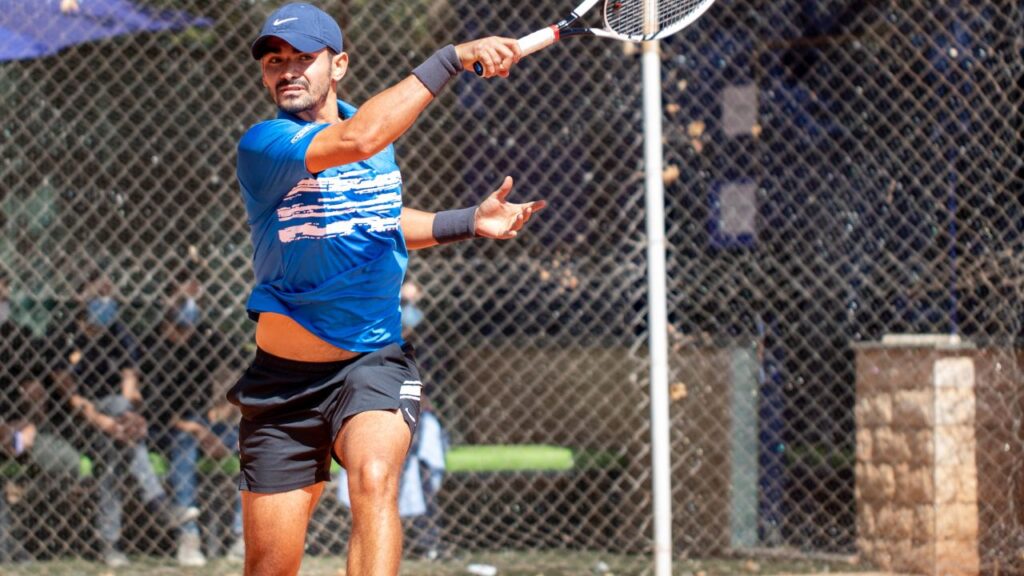
Mastering Positioning and Court Coverage: The Foundation of Doubles Tennis Strategies
Positioning in doubles tennis is the invisible thread weaving together every winning rally. Unlike singles, where the focus is on individual battle across the baseline, doubles demands two players to operate like a well-oiled machine, sweeping the court efficiently and cutting off angles with instinct and intent. The importance of standing in the right place in every rally cannot be overstated—it is the launchpad for effective serves, returns, and volleys.
At the start of a point, the server should position slightly inside the singles sidelines for optimal court coverage. Standing too close to the center or too far wide risks leaving lethal angles open to the opponents. The server’s partner typically adopts a mid-court stance, envisioning a giant X across the service box to align themselves perfectly. For returners, comfort shifts further back at the baseline, especially against powerful serves—it’s about buying those extra milliseconds to prepare for the return and set up the next shot.
Tracking opponents is the next cornerstone. Doubles players excel when they hit balls directly towards the corresponding opponent—baseliner to baseliner and net player to net player—this consistent targeting extends rallies and pressures the opposition. Net players, armed with quick reflexes, focus on squeezing points out with aggressive volleys aimed at the feet or wide angles, forcing opponents to scramble.
- Proper initial positioning: Stay inside singles sidelines for serve, mid-court to cover the net.
- Tracking opponents: Aim shots based on opponent’s court position.
- Dynamic movement: Follow the ball like a magnet, adjusting depth between baseline and net.
Movement with the ball is more than a tacit effort; it’s a tactical art where volleyers act like magnets pulled toward the ball’s position to maintain court control. This off-the-ball activity ensures no weak spots appear, ready to react against fast replies or poaches. Reacting swiftly, especially when the ball is behind your partner, is a critical skill that separates the good teams from the great. Focusing on the net opponent, anticipating poaches, and avoiding being caught flat-footed helps in closing points quickly.
| Position | Starting Location | Primary Role | Common Mistakes |
|---|---|---|---|
| Server | Inside singles sidelines | Initiate offensive point via serve | Standing too wide or center |
| Server’s Partner | Mid-court, center of service box | Ready for net play and poaches | Poor anticipation, mispositioning |
| Returner | Baseline behind service line | Return serve with power or placement | Too close, giving little reaction time |
| Returner’s Partner | Cut line of service box | Set up poaches and intercepts | Over-committing forward too early |
Building this foundation is essential, but execution requires synchronicity and constant adjustment. Players outfitted with gear from brands like Wilson, Babolat, and Head benefit from enhanced precision and durability, translating tactical potential into consistent performance at every level.
Powerful Serve and Return Tactics That Control the Doubles Match
In doubles, the war often begins with the serve and return. These play phases wield disproportionate influence on the momentum and control of the point. Employing clever formations such as the Australian and I-formation can not only surprise opponents but also carve open spaces for aggressive net play.
The Australian formation sees the server and net player both align on the same side of the court. This alignment forces receivers to take difficult down-the-line shots, frequently pushing them into errors or weak returns. While the Australian formation grants the net player extraordinary advantage in covering cross-court shots, it leaves half of the court vulnerable and demands flawless volleying skills.
Conversely, the I-formation serves as a deception trick to unsettle the returner. The net player crouches near the service line’s center while the server positions near the baseline center. This set-up disrupts the returner’s reading, opening poaching paths for the net player and creating psychological pressure.
When serving, harnessing the strengths of your serve—be it a powerful ace or a vicious slice—is vital. Targeting opponents’ backhand or a less agile player with pinpoint precision can quickly establish dominance. Similarly, the returner should avoid topping the ball unnecessarily, focusing instead on precision returns that pull the net player out of position, opening the court for the server’s partner to execute volleys.
- Australian Formation: Aggressive net coverage, high-risk areas.
- I-Formation: Confuses opponents, creates poaching opportunities.
- Serve Focus: Exploit opponent’s weakest return side.
- Return Strategy: Low, angled returns targeting net player’s feet or the middle strap.
| Formation | Best For | Advantages | Disadvantages |
|---|---|---|---|
| Australian | Advanced players with strong net skills | Forces difficult returns; excellent cross-court net coverage | Leaves half court open; demands high volley accuracy |
| I-Formation | Intermediate to advanced players | Disrupts returner; enhances poach opportunities | Vulnerable to down-the-line returns |
| Two Back | When net player struggles or opponents have big serves | Improved reaction time; solid defense | Reduced net pressure; more baseline rallies |
Brands like Prince, Yonex, and Dunlop produce some of the best rackets and grip technology to maximize serve spin and accuracy, giving players the tools to put their tactics into relentless practice. Strengthening these tactical serves and returns often creates those dramatic moments worth exploring in the latest tournament upsets and shocks.
Dominating the Net: Advanced Poaching, Volleying and Communication for Doubles Success
The net is the real battleground in doubles. It’s where points are won and lost, where lightning-quick reflexes meet meticulously planned tactics. The ability to dominate this zone demands mastering poaching, volleying, and tactical communication.
Poaching is the art of aggressively intercepting your opponents’ shots, usually by the net player moving suddenly toward the middle of the court to volley an opponent’s return. This surprise tactic forces errors and tightens the grip on the point’s momentum. Timing is everything; poaches on low balls or immediately following a partner’s serve can create crises for the opposing team.
The ‘windshield wiper’ movement further refines net coverage. Similar to a windshield cleaner sweeping back-and-forth, doubles partners must fluidly shift positions in tandem to seal open spaces, especially when one player chases wide returns. When one is pulled off court, the other sneaks in to cover the middle, ensuring no weak spots.
Pinching, the lateral diagonal movement at the net, restricts the opponent’s cross-court angles, forcing them into riskier shots. This strategic positioning often provokes weak returns for easy putaways. Faking moves—pretending to poach before recovering position—adds a psychological layer that confuses opponents and reinforces court control.
- Poach effectively: Strike low balls; anticipate swiftly after serve.
- Use windshield wiper movement: Maintain unified court coverage with partner.
- Pinch the middle: Squeeze opponents’ angles for safer volleys.
- Fake poaches: Distract opponents and buy recovery time.
- Communicate constantly: Use signals, verbal calls, and between-point talk.
| Technique | Purpose | Key Tips | Common Pitfalls |
|---|---|---|---|
| Poaching | Intercept and volley opponent’s shot | Move early, target low balls, coordinate with partner | Overcommitting, poor timing |
| Windshield Wiper | Cover all open court areas dynamically | Move with partner, stay flexible | Leaving middle open during recovery |
| Pinching | Limit opponents’ cross-court shots | Diagonal movement, strong volley contact | Poor positioning, allowing angle escapes |
| Fake Poach | Distract and unsettle opponents | Timing, subtle body language | Overdoing, telegraphing intent |
Modern doubles players gravitate towards rackets equipped with maneuverable yet powerful frames from Tecnifibre, Volkl, and Mizuno to deliver blistering volleys and quick poaches that leave opponents guessing infinitely. Communication is the unseen weapon; whispered plans and hand signals spell the difference between disaster and domination.
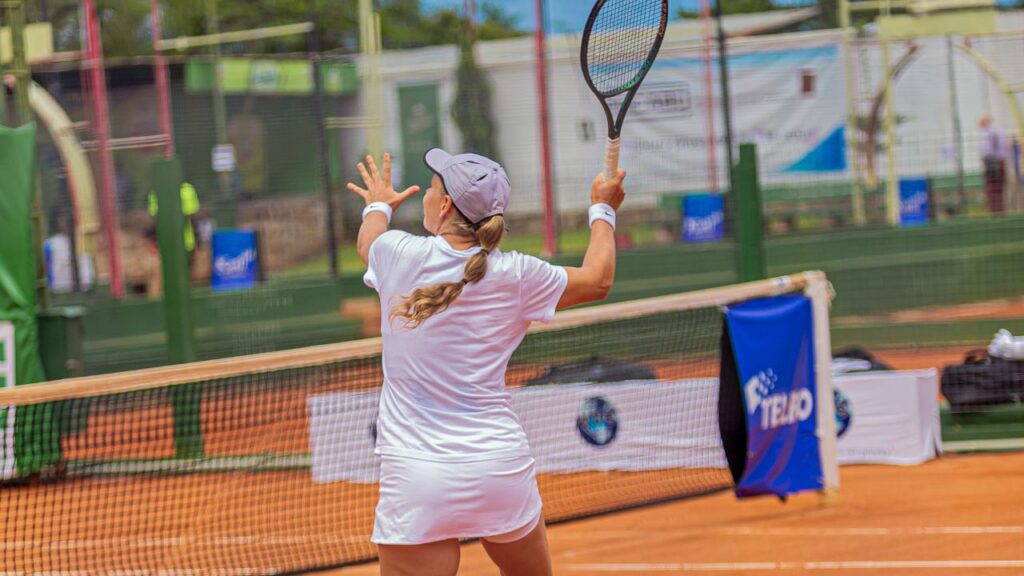
Flexible Formations and Playing to Maximize Strengths in Doubles Tennis
One of the sharpest weapons in doubles tennis is adaptability. As every opposing pair offers unique challenges, shifting your formation dynamically and playing to your combined strengths forms the bedrock of elite doubles play.
Consider the “Two Back” formation: a pragmatic, defensive setup employed when net play falters or opponents serve with overwhelming power. Both players stay at the baseline to maximize reaction time and build a rock-solid defense. The tradeoff? Reduced peak pressure on opponents at the net, but increased rally control and error forcing.
On offense, aggressive pairings wield the Australian or I-formations to pressure opponents relentlessly, reshaping angles and crafting chaos on their side. Teams pair a powerful baseline hitter with a quick net partner to balance firepower and finesse.
- Adapt formation: Tailor strategy for matchup and surface conditions.
- Play to strengths: Leverage one partner’s net prowess with the other’s baseline dominance.
- Adjust in-match: Shift positions on the fly responding to opponent tactics.
- Psychological play: Mix up serves, poaches, and formations to destabilize adversaries.
| Formation | Best Use | Strengths | Weaknesses |
|---|---|---|---|
| Two Back | Defensive; against big servers or when struggling at net | Time to react, solid defense | Less net pressure, longer rallies |
| Australian | Aggressive; confuse opponents on returns | Cross-court net coverage; forces errors | Half court open, requires strong volleys |
| I-Formation | Deceptive; to enable poaching | Disrupts returner; opens poaching lanes | Exposure to down the line returns |
Top tier players outfit themselves with equipment from Gamma, Babolat, and Wilson, whose newest models feature enhanced spin and control technology allowing fluid transition between baseline shots and net volleys—critical when formations demand sharp versatility.
This fluidity and understanding of doubles formations not only boost effectiveness but make the game an electrifying chess match, a drama unfolding at every point and rally, constantly keeping spectators and opponents on the edge of their seats.
Common Doubles Tennis Challenges and How to Overcome Them with Strategic Adjustments
Doubles tennis, despite its thrilling pace and camaraderie, wrestles with particular challenges. Knowing how to counteract lobbers, pushers, and even situations where you find yourself with a weaker partner is the acid test of tactical excellence.
Lobbers can disrupt net domination by forcing players to retreat. The key defense is maintaining depth in court positioning, avoiding crowding the net unnecessarily, and anticipating lobs early. Strategic backing off allows players to smash overheads decisively instead of scrambling defensively.
Pushers, those who play defensively waiting for errors, can be defeated by applying continuous return pressure and maintaining baseline dominance to fatigue opponents. Intensive targeting of weak spots, combined with tactical switching between lob and low drives, raises the error rate on their side.
Playing with a weaker partner demands patience and positioning that directs play to the stronger partner’s forehand side, especially on the ad court. Coordination and communication become paramount here, helping the weaker player focus on high-percentage shots and net play support.
- Against lobbers: Keep depth; retreat to baseline on lobs.
- Against pushers: Apply pressure with aggressive, deep returns.
- Weak partner strategy: Play ad side; funnel plays to stronger partner.
- Maintain communication: Call shots, plan poaches and lob defenses.
Matching these adaptive tactics with the right rackets and strings from Head, Prince, and Tecnifibre can amplify your control and shot reliability in pressure moments. Skilled doubles players refine these responses relentlessly to turn struggles into opportunities.
FAQ: Essential Doubles Tennis Strategies and Tips
- Q: How do you beat a lobber in doubles tennis?
A: Stand deeper to give yourself time, anticipate lob directions, and capitalize on overheads by moving back and positioning diagonally alongside your partner. - Q: What’s the best way to handle pushers in doubles?
A: Apply continuous pressure with deep returns, targeting their weaknesses and forcing errors by varying pace and placement. - Q: How can I win doubles with a weaker partner?
A: Position yourself favorably on the ad side, funnel plays to your stronger side, and maintain constant communication to support your partner’s strengths. - Q: How to become more aggressive at the net in doubles?
A: Take the ball early to cut off opponents’ setup, anticipate where their shots will land, and use timely poaches to disrupt their rhythm.