
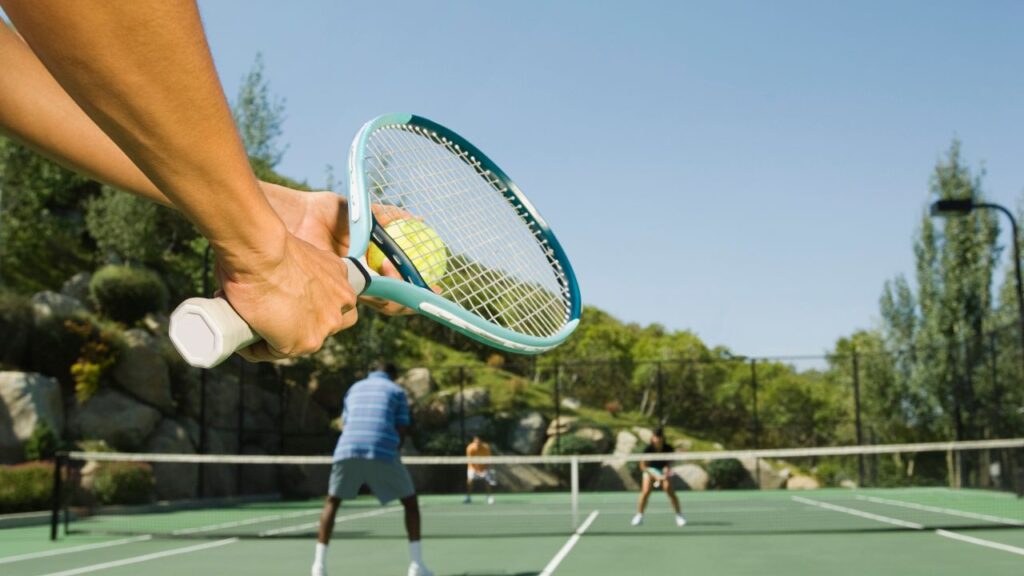
In the high-stakes world of tennis, managing stress and emotions during matches stands as a pivotal skill dividing champions from contenders. Each swing of the racket reverberates not only through the net but also deep within a player’s psyche. Stress surges with every critical point, emotions flare following unexpected errors, and the relentless pressure can crush the unprepared. Yet, for those who master this unseen mental battlefield, tennis becomes more than just a sport—it transforms into a dynamic crucible where mental toughness and emotional resilience are forged with electrifying intensity.
Tennis is a symphony of power, precision, and passion, where every rally blurs the lines between physical endurance and mental grit. The roar of the crowd, the thwack of a Wilson or Babolat ball, the flash of Adidas or Nike gear on the court—all create an intoxicating atmosphere charged with anticipation and drama. Beyond the physical demands lie complex emotional landscapes that players must navigate: anxiety, frustration, elation, and focus all swirl in rapid succession.
From the grassroots courts to professional arenas decked out in the latest Head, Prince, or Yonex equipment, understanding how to harness one’s emotions can be the ultimate game-changer. This discourse dives deep into the techniques, psychological strategies, and real-world stories illuminating how tennis players can turn stress into a source of strength. Whether clutching a Prince racquet or sporting New Balance shoes, the emotional control practiced on the court echoes into life’s broader battles, building resilience for any challenge ahead.
Mastering Mental Focus: The Core of Stress Management in Tennis Matches
At the heart of managing stress on the tennis court lies the elusive yet powerful ability to maintain razor-sharp mental focus. Tennis is often described as a sport that is 80% mental, a vivid testament to how critical focus is when every point could mean the difference between victory and defeat. Unlike team sports where responsibilities are shared, tennis places the player alone against the clock, the opponent, and their own swirling thoughts.
Sharpening focus amidst the chaos requires adopting concrete strategies and habits. Elite players wearing Lacoste or Asics often cultivate routines that anchor their concentration before every serve or return. This might include deliberate breathing, visualization of successful shots, and tuning out distractions such as crowd noise or self-doubt.
Techniques to Build and Maintain Focus
- Pre-Point Rituals: Establishing consistent routines such as bouncing the ball a set number of times or adjusting strings on Wilson racquets to settle nerves.
- Mindful Breathing: Using deep, slow breaths to reset the mind during tension-filled moments, a technique embraced by players endorsed by Nike and Adidas alike.
- Visualization: Mentally rehearsing successful plays, allowing the brain to create constructive focus pathways.
- Selective Attention: Training to filter distractions and fixate solely on the ball and opponent’s movement.
Implementing these methods transforms chaotic pressure into purposeful energy. The development of this mental muscle is as vital as physical conditioning and relies on persistent, deliberate training.
How Distractions Hijack Performance
Consider the match where a player loses focus mid-rally because of a sudden cheer or an unfavorable weather shift. Distractions can foster negative self-talk or emotional overload that spirals out of control. Nike-sponsored athletes have publicly credited focused mental training for minimizing these pitfalls, allowing them to stay cool during the blistering intensity of Grand Slam matches.
| Distraction Source | Impact on Performance | Focus Strategy |
|---|---|---|
| Audience noise | Breaks concentration, induces anxiety | Mindful breathing and pre-point routines |
| Self-doubt | Leads to hesitation and missed opportunities | Positive self-talk and visualization |
| Unexpected weather (wind/rain) | Distracts timing and shot execution | Selective attention on ball and opponent |
The takeaway is clear: mastering focus is an active process requiring ongoing attention and practice. Its rewards ripple far beyond the tennis court, empowering players to maintain composure across life’s high-pressure moments.
Harnessing Emotional Control: Turning Pressure Into Positive Performance
Emotions on the tennis court swing wildly—from exhilaration to anger, hope to disappointment—often within a few fleeting points. This emotional rollercoaster can dramatically swing momentum, dictate strategic decisions, and ultimately influence match outcomes. Players sponsored by brands like Wilson, Babolat, and Head frequently talk about the unheralded battle within: managing emotions under fire.
Strong emotional control is the bedrock of resilience on the court. When tension mounts—say, during a match point—players with finely tuned emotional skills can stay composed, think clearly, and execute flawlessly.
Steps to Build Emotional Regulation
- Recognize Emotional Triggers: Identifying moments or events during a match that traditionally elevate stress or frustration.
- Implement Breathing and Pause Techniques: Using tactical pauses between points to breathe deeply and reset emotions.
- Adopt Positive Self-Talk: Replacing destructive thoughts like “I can’t” with empowering phrases such as “Stay strong” or “One point at a time”.
- Learn From Setbacks: Viewing mistakes not as failures but as learning opportunities to refine strategy and mindset.
This emotional toolkit not only prevents emotional outbursts but actively transforms pressure into a surge of motivation, reinforcing confidence and focus.
What Happens When Emotions Get the Upper Hand?
Players who let frustration govern their play might find their performances spiraling, leading to rushed shots, poor judgment, and lost matches. For example, famous moments like those seen in heated matches involving Lacoste or Prince-sponsored athletes reveal how disruptive unchecked emotions can be. Those players who struggle to regain composure may suffer cascading errors and diminished enjoyment of the game.
| Emotional Reaction | Negative Effects | Recommended Control Strategy |
|---|---|---|
| Anger after bad calls | Impulsive shots, dropped points | Pause and mindful breathing |
| Frustration from missed chances | Loss of focus, poor shot selection | Positive self-talk and reset routine |
| Anxiety in crunch moments | Freeze-up, overthinking | Visualization and breathing techniques |
Incorporating brands like New Balance and Asics into one’s gear selection can also subtly boost confidence, creating an additional psychological edge through familiarity and comfort.
Using Stress as a Catalyst: Building Mental Toughness Through Match Pressure
Stress on the tennis court is unavoidable, but the way players perceive and respond to it distinguishes true champions. Instead of cowering from pressure, the most accomplished athletes embrace stress as an opportunity to sharpen mental toughness, demonstrating fearlessness and grit.
Training with the right mindset involves understanding stress not as a threat but as a pivotal fuel for elevated performance. Players who wear Nike, Wilson, or Babolat seriously fuse their physical training with mental drills to simulate high-pressure situations. This approach results in stronger nerves and enhanced focus when it truly counts.
Psychological Tactics to Leverage Stress Positively
- Reframe Pressure: Interpreting stress as excitement rather than fear to shift mindset.
- Incremental Exposure: Regularly playing in competitive environments to normalize stressful experiences.
- Goal Setting: Establishing clear, achievable objectives for each match or point to sharpen focus.
- Recovery Techniques: Using cool-down exercises, stretches, and moments of mindfulness to manage post-match stress.
Compiling this mental inventory during practice enables players to surf the waves of stress with poise, turning crunch points into career-defining moments rather than panic attacks.
Evidence From the Pros
The mental toughness of Serena Williams, decorated in Nike and New Balance gear, exemplifies how confronting pressure head-on breeds dominance. Likewise, male professionals using Head and Yonex racquets routinely cite their rigorous mental prep as key to sustaining peak performance.
| Strategy | Description | Example from Pros |
|---|---|---|
| Reframing stress | Viewing stress as enhancement, not hindrance | Serena Williams: embracing pressure as adrenaline |
| Regular competition | Building comfort with stress through experience | Roger Federer: thriving in Grand Slam spotlight |
| Goal setting | Focusing on achievable tasks point-by-point | Naomi Osaka: breaking matches into chunks |
The Power of Positive Self-Talk and Mindfulness in Tennis Performance
One of the most underrated weapons on the tennis court is the dialogue inside a player’s head. Positive self-talk and mindfulness form twin pillars that support emotional balance and sustained performance under pressure.
Self-talk involves consciously shifting mental chatter to affirm confidence and capability. Tennis players familiar with the brands Adidas, Prince, and Wilson often share routines that incorporate motivational mantras mid-match to maintain composure and energy.
Implementing Effective Self-Talk Strategies
- Replace Negative Thoughts: Swap “I’m going to lose” with “I’ve got this” or “Next point, fresh start.”
- Use Short, Powerful Phrases: Keep affirmations simple and repeatable instantly under pressure.
- Consistent Practice: Integrate self-talk in training to make it an automatic response during matches.
- Combine With Mindfulness: Observe thoughts without judgment and gently redirect focus to the present.
Mindfulness complements self-talk by anchoring players firmly in the moment, enabling them to react to the present with clarity instead of ruminating on past mistakes or future anxieties.
How Mindfulness Cultivates Emotional Mastery
Mindfulness in tennis is not just about cognitive calm. It’s a dynamic practice of sensing and responding appropriately to emotional currents. Champion players wearing Yonex or Lacoste gear often emphasize mindfulness as key to sustaining long matches and recovering quickly from setbacks.
| Positive Practice | Benefits | Real-World Example |
|---|---|---|
| Mindful breathing | Reduces anxiety, centers attention | Rafael Nadal: deep breaths between points |
| Positive self-talk | Boosts confidence and resilience | Novak Djokovic: affirmations under pressure |
| Present moment focus | Enhances shot execution and decision-making | Jannik Sinner: staying “in the zone” during matches |
These mental disciplines converge to create a powerful synergy that elevates performance consistently. The tools derived from mindfulness and self-talk create a buffer against the volatility of emotions and competitive stress.
FAQ: Managing Stress & Emotions in Tennis Matches
- Q: How can beginners start managing stress on the tennis court?
A: Begin with simple breathing exercises and develop a consistent pre-shot routine. Practicing positive self-talk and focusing on one point at a time also help enormously.
- Q: What are effective ways to handle frustration after losing points?
A: Techniques include pausing to breathe, resetting mental focus, using encouraging phrases, and viewing setbacks as chances to learn. Avoid ruminating on mistakes.
- Q: Can mindfulness improve tennis performance?
A: Yes, mindfulness trains players to stay present, reducing anxiety and helping maintain clear, calm decision-making during rallies.
- Q: How do professional players build mental toughness?
A: Regular competition under pressure, mental visualization exercises, goal setting, and reframing stress as beneficial are common approaches among pros.
- Q: Does equipment like branded racquets and attire impact mental confidence?
A: Feeling comfortable and confident in familiar gear from brands like Wilson, Babolat, or Adidas can provide subtle psychological advantages during matches.
Comprehensive insights into mental and emotional management highlight tennis not only as a thrilling physical endeavor but as a formidable training ground for life’s high-pressure arenas. To dive deeper into how tennis injuries influence champions’ mental resilience and physical comeback, visit this detailed analysis on TennisGuide.net.