
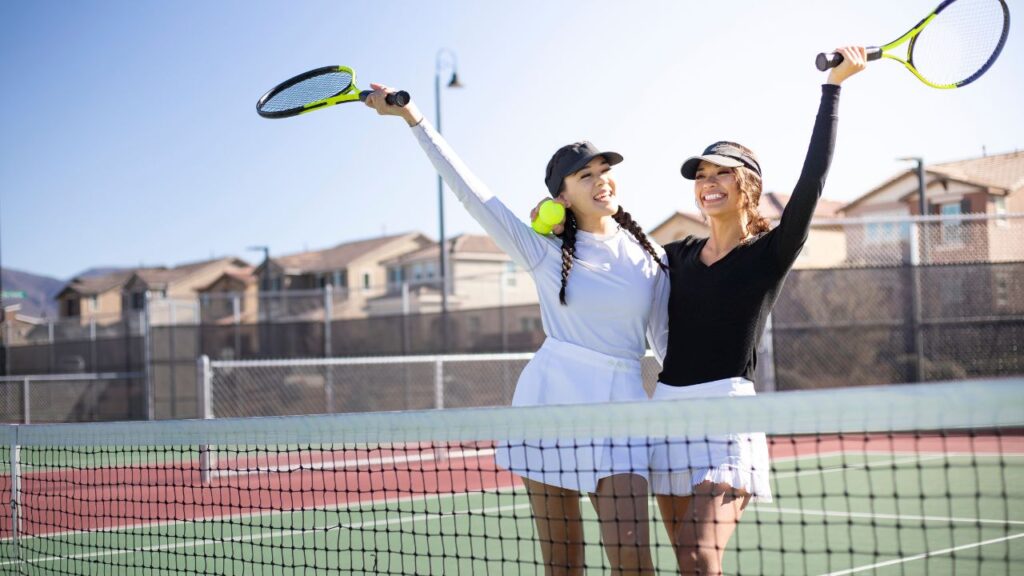
Tennis is not just a match of skill; it’s a gripping saga of self-discovery and relentless improvement. Every serve, stroke, and rally writes a chapter in your personal game story. Yet, too often players find themselves stuck in a rut, unsure of how to break through plateaus and unleash their true potential. In the electrifying world of tennis, mastering the game begins with mastering oneself. Understanding where you shine, where you falter, and how to evolve is the key to turning good performances into great ones. The spotlight is on self-analysis—an often overlooked but powerful tool that can transform a weekend warrior into a formidable court presence.
Imagine harnessing the confidence of a pro like Novak Djokovic or the fiery determination of Serena Williams. What sets these giants apart isn’t just raw talent but their deep knowledge of their own strengths and the ruthlessness with which they attack their weaknesses. This insight guides not only their training routines but also their tactical decisions during match point tension.
For those armed with that drive but unsure of the roadmap, rigorous self-analysis is the compass. It demands honesty, discipline, and a suite of tools and techniques that go far beyond simply hitting balls. Lighting up your path toward better footwork, stronger volleys, or steadier serves starts with asking the right questions about your game. How well do you move under pressure? Does your racket choice, be it a Wilson or a Babolat, complement your playing style? Can your string tension from Luxilon or Solinco enhance your control and power? These are no idle ponderings—they’re the foundations of targeted improvement.
In this guide, tennis enthusiasts of all levels will delve into actionable strategies to analyze performance, diagnose issues, and craft a tailored development plan. From mental toughness and physical conditioning to equipment insights courtesy of Yonex, Head, and Prince, it’s time to revolutionize your approach. Get ready to elevate your game with expert-backed methods and real-world examples that resonate on every court from local clubs to grand slam arenas.
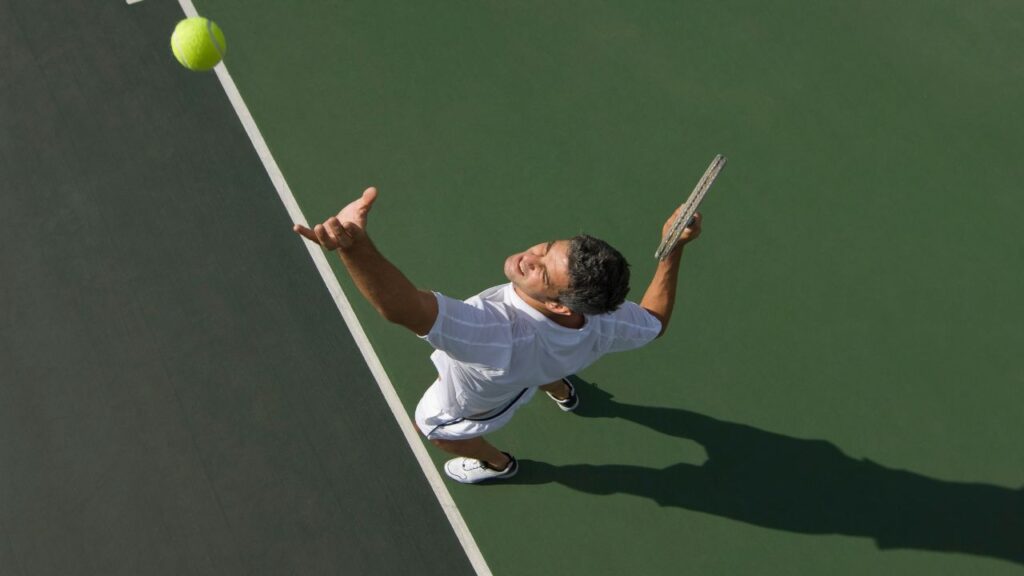
Unlocking Self-Efficacy to Transform Your Tennis Game
The real game changer in tennis doesn’t always happen in those jaw-dropping rallies—it starts in the mind. Self-efficacy, the belief in one’s ability to execute actions successfully, is the secret weapon every player needs. Originated by psychologist Albert Bandura, this concept is a powerhouse for anyone striving to improve and maintain their physical activity, especially tennis.
Players with high self-efficacy tend to:
- View challenges as opportunities to master new skills instead of threats to avoid.
- Set challenging goals and drastically commit to them, pushing beyond comfort zones.
- Persevere vigorously through setbacks, rather than giving up at the first sign of failure.
- Quickly rebound from defeats, using mistakes as fuel for future victories.
On the flip side, low self-efficacy leads to doubts, avoidance of challenges, lower goal ambitions, and sluggish recovery from mishaps. For tennis players, this psychological armor—or the lack thereof—is as crucial as choosing the right racquet from trusted brands like Prince or Tennis Warehouse gear that suits your grip and style.
How can players boost their self-efficacy for tennis? Here are the four major influences:
- Past performance: Building confidence by recalling and mastering previous tennis success or skills.
- Vicarious experience: Learning through watching similar players overcome obstacles or nail crucial shots.
- Verbal encouragement: Receiving praise and constructive feedback from coaches, teammates, or mentors.
- Physiological cues: Managing nerves and anxiety to maintain optimal performance under pressure.
| High Self-Efficacy in Tennis Players | Low Self-Efficacy in Tennis Players |
|---|---|
| Embrace difficult drills as challenges | Avoid complex shots, fearing failure |
| Set ambitious goals (e.g., improve backhand accuracy) | Settles for minor improvements only |
| Resilience through match setbacks | Gets discouraged easily after losses |
| Quick mental recovery after errors | Dwells on mistakes, diminishing confidence |
Understanding and developing self-efficacy means providing players with tools that increase belief in their tennis abilities. That’s why combining mental conditioning with tactical routines—using equipment from Gamma to Yonex and string technologies like Luxilon and Solinco—creates a winning formula.
Pinpointing Strengths and Weaknesses through Detailed Match Analysis
Self-improvement in tennis demands a clear-eyed examination of your on-court performance. Like a seasoned coach breaking down match footage with a magnifying glass, players must analyze strokes, movement, and decision-making patterns to identify exactly where gains can be made.
Start by recording matches or practice sessions, then review with an analytical mindset. Notice your strongest assets: is your forehand delivering consistent power? Does your footwork—possibly aided by effective drills using Prince or Head equipment—allow you to corner opponents quickly? Recognize these strong points.
Then, uncover the glitches: Are your volleys weak or inconsistent? Does fatigue cause your backhand to falter late in matches? Do your string tensions from Babolat or Wilson sometimes betray you under pressure? The ability to see these cracks is your doorway to targeted training.
Key areas for analysis include:
- Technical proficiency: Stroke mechanics, grip adjustments, swing path.
- Physical conditioning: Endurance, speed, reaction time.
- Mental focus: Concentration during pressure points, emotional control.
- Equipment effectiveness: How your racquet, strings, shoes, and even accessories support or hinder play.
| Aspect | Evaluation Criteria | Sample Improvement Strategy |
|---|---|---|
| Serve Technique | Consistency, Speed, Placement | Practice with a focus on racquets like Yonex or Babolat to maximize spin and control |
| Footwork | Agility, Balance | Incorporate ladder drills and plyometric exercises designed to boost quickness and balance |
| Stroke Variety | Forehand, Backhand, Volley | Experiment with different string types such as Luxilon for power or Solinco for control |
| Mental Resilience | Stress Management, Focus during Match Points | Adopt mindfulness techniques and mental rehearsal practices |
Deep analysis also means seeking feedback from trusted coaches and peers who can observe angles you might miss. Tools available at places like TennisBuddy or Tennis Warehouse provide advanced video analysis software and tracking devices that elevate your understanding.
Setting Realistic, Progressive Goals to Cement Improvement
Once strengths and weaknesses are in hand, it’s time to build clear, progressive goals that motivate and stretch your ability. This is where the theory of self-efficacy kicks into high gear. You want to set goals that feel just out of reach, yet attainable with effort, to keep yourself engaged and motivated rather than overwhelmed.
Start with small milestones related to behavior and skills—not lofty fitness targets that might demoralize newcomers. For example, committing to a daily 15-minute footwork drill using agility ladders from Prince, or consistently practicing a slice serve with spin-enhancing strings from Gamma are more tangible, confidence-building goals.
Incremental goals create a steady upward spiral of confidence, enabling you to:
- Track measurable progress with tools like pedometers or activity logs to observe improvement patterns over weeks or months
- Maintain motivation by celebrating wins at every stage
- Adjust tactics or focus areas dynamically as new weaknesses emerge or strengths develop
- Reinforce belief that growth is possible, fortifying your self-efficacy
| Goal Type | Example Goal | Benefits |
|---|---|---|
| Technical Skill | Improve first serve accuracy from 60% to 75% in three months | Enhances match-winning opportunities and builds serve confidence |
| Physical Endurance | Complete daily 20-minute agility and endurance sessions five times a week | Improves stamina for longer matches and explosive movements |
| Mental Toughness | Develop a pre-shot routine to calm nerves during match points | Reduces anxiety, sharpens focus, and improves shot execution under pressure |
| Equipment Familiarity | Experiment with string tensions from Luxilon and Solinco to find optimal control-power balance | Customizes gear to playing style and maximizes on-court performance |
Reach out to reputable vendors like Tennis Warehouse or TennisBuddy for the latest in racquets, strings, and accessories from top brands including Wilson and Head. The right equipment choices will amplify your commitment to training and elevate your gains.

Utilizing Mental Techniques to Reinforce Confidence and Consistency
Tennis is as much a mental battlefield as it is a physical one. The fiercest rival might not be across the net but lurking in the form of self-doubt or negative thought spirals. Incorporating mental training techniques strengthens self-efficacy and helps players weather slumps and unexpected setbacks.
Core mental strategies include:
- Pre-shot routines: Rituals that bring focus and calm before every serve or groundstroke.
- Positive self-talk: Using affirmations to boost confidence and replace judgmental inner voices.
- Visualization: Mentally rehearsing successful shots or match scenarios to prepare the brain and body.
- Mindfulness and relaxation: Techniques to control physiological cues like elevated heartbeat or muscle tension during tense moments.
These techniques not only improve performance but solidify your self-efficacy, helping you bounce back faster from errors or lost points. Players who master their mental game often find that their tactical instincts sharpen, enabling smarter choices when the scoreboard tightens.
| Mental Technique | Description | Impact on Tennis Performance |
|---|---|---|
| Pre-shot Routine | Consistent process to focus before each stroke | Stabilizes nerves and improves shot precision |
| Positive Self-Talk | Replacing negative thoughts with empowering statements | Increases confidence and resilience |
| Visualization | Imagining successful plays and outcomes | Enhances preparedness and reduces performance anxiety |
| Mindfulness & Relaxation | Techniques such as deep breathing to reduce stress | Controls physiological arousal, improving decision-making |
Coupling these approaches with regular physical drills, equipment selection from brands like Yonex or Babolat, and continuous self-evaluation is a recipe for sustained progress. These mental tools can radicalize your tennis journey and translate restless energy into focused, match-winning power.
Leveraging Technology and Equipment to Amplify Your Self-Improvement Journey
The modern tennis player has an edge unavailable to those who played just two decades ago — cutting-edge technology and high-performance equipment tailored for individual strengths and ambitions. Savvy players use this arsenal to gather data, refine technique, and upgrade gear regularly.
Wearables and apps designed by TennisWarehouse and TennisBuddy monitor movement patterns, stroke consistency, and even heart rate, providing invaluable feedback that informs training choices. Video analysis tools let players slow down crucial moments, learn from errors, and iterate on form with precision impossible to achieve with the naked eye.
Equipment itself has evolved: racquets now feature graphite composites from Head and Prince, providing lighter frames with explosive power. String technology from Gamma, Luxilon, and Solinco offers different tension and spin properties, allowing players to customize their weapon for control or aggression depending on their style. Grip choices from Wilson, Yonex, or Babolat complement these setups, ensuring comfort and maneuverability.
Smart tennis gear is more than just hardware; it’s a partner in self-improvement. Choosing the right racquet is not a one-size-fits-all matter—players must experiment strategically and receive expert advice to find the sweet spot that elevates their game rather than hinders it.
- Invest in technology that provides objective data on your play (speed, placement, spin)
- Use video feedback to spot subtle flaws or breakthroughs in your mechanics
- Regularly evaluate and upgrade racquet and string choices from trusted brands like Wilson, Head, and Prince
- Explore tension adjustments and string types from Gamma and Luxilon for handling different match conditions
| Technology & Equipment | Purpose | Benefit |
|---|---|---|
| Wearable Trackers | Monitor physical metrics like speed, heart rate, stroke count | Provides actionable data for targeted training |
| Video Analysis Software | Review stroke mechanics and match performance | Enables detailed feedback and adjustment |
| Advanced Racquets (Prince, Head, Wilson) | Tailored for power, control, and play style | Maximizes performance with custom features |
| Specialized Strings (Gamma, Luxilon, Solinco) | Enhance spin, control, or durability | Optimizes play to player preferences |
Armed with the combined strength of self-awareness, mental fortitude, and cutting-edge equipment, tennis players stand at the edge of transformation. This blend makes self-improvement an invigorating, data-driven journey toward excellence. Whether armed with a Wilson racquet or outfitted with the latest string tech from Solinco, your next breakthrough awaits in the synergy of mind, body, and gear.
Frequently Asked Questions About Analyzing and Improving Your Tennis Game
- Q: How can I accurately measure my tennis self-efficacy?
A: Use brief self-efficacy questionnaires specifically designed for physical activity, rating confidence in various situations like practicing when tired or in bad weather. Tracking performance over time also reveals self-efficacy growth. - Q: What role does equipment play in self-improvement?
A: Equipment tailored to your playing style—racquet, strings, grip—can boost confidence and performance, making technical improvements more effective and durable. - Q: How to set goals that do not overwhelm a beginner?
A: Focus on behavior-focused, small attainable milestones like footwork drills or incremental serve improvements. Gradually increase challenges based on progress. - Q: Can mental training really impact match outcomes?
A: Absolutely, mental training like visualization and positive self-talk reduces anxiety, sharpens decision-making, and often swings tight matches in your favor. - Q: What technology is best for tennis self-analysis?
A: Wearable sensors and video analysis apps from trusted sources like TennisWarehouse and TennisBuddy provide precise data and feedback essential for targeted improvements.