

Every tennis player understands that the battle on court is not only about power or precision but also about the essential gear beneath their feet. The tennis shoe sole plays a starring role, influencing every sprint, slide, and pivot. Whether you’re darting across the unforgiving surfaces of hard courts, skimming slides on clay, or adapting to the soft, unpredictable grass, the right sole can turn a stutter step into a winning dance. As 2025 unfolds, the relentless drive toward innovation continues to propel brands like Nike, Adidas, Asics, New Balance, Wilson, Babolat, Puma, Mizuno, K-Swiss, and Diadora into the limelight, redefining how tennis shoes meet the demands of the surface beneath. This guide zeroes in on the cutting-edge details every player—from rookies chasing their first volley to seasoned pros chasing titles—needs to know about tennis shoe sole types designed for the unique challenges of different court surfaces.
Choosing the appropriate tennis shoe isn’t just about style or brand loyalty—it’s a calculated strategy that protects your joints, streamlines your movement, and frays the edges of fatigue. Unlike running shoes or casual sneakers, tennis shoes shoulder the load of abrupt lateral movements, explosive accelerations, and sudden stops. Missteps in footwear selection can manifest as painful blisters, ankle sprains, or even chronic issues like plantar fasciitis, making the stakes high when it comes to the right sole for the court you face.
From the precise zigzag herringbone treads on clay court shoes that slice through dusty surfaces, to the aggressive spike or nub designs crafted to grip blades of grass without tearing the turf, tennis shoe soles are masterpieces of functional art. This article dives deep into the specifics of shoe sole structures, breaking down the technical features that contribute to peak performance and injury prevention on each surface type, and provides insights into pairing those characteristics with your foot type. Discover how the fusion of design and material science shapes the tennis shoe’s sole as the ultimate tool for court domination in 2025.
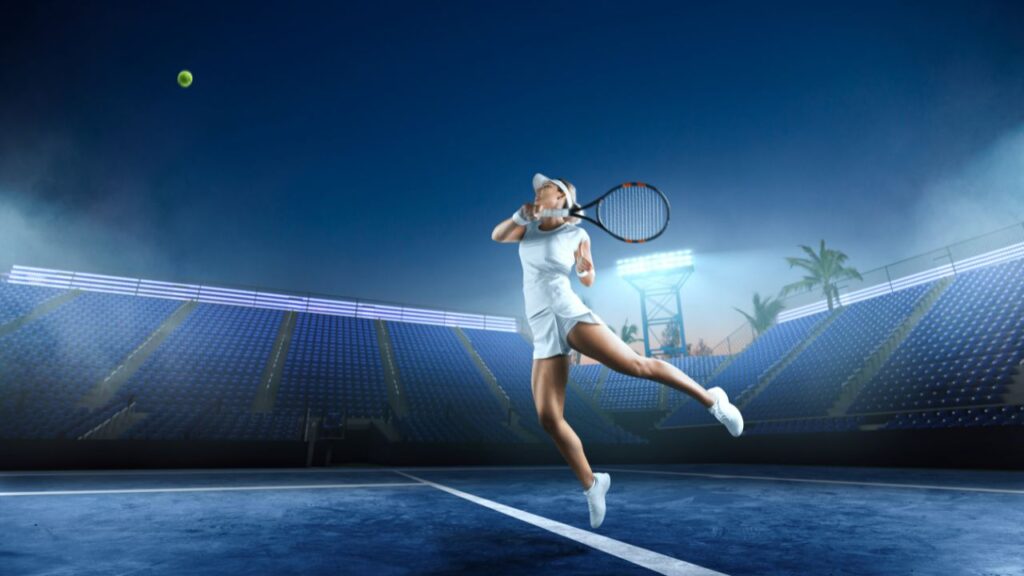
Hard Court Tennis Shoe Soles: Precision Meets Durability for Maximum Impact
The relentless bounce and unforgiving nature of hard courts demand shoes built like armored tanks with the comfort of silk. Hard courts—hybrid cement or acrylic layers over asphalt bases—are the most common and toughest terrains for tennis footwear. The shock you absorb here is brutal: thousands of pounds of force with every stomp, pivot, and sprint. Enter hard court tennis shoes with soles designed to take the punishment and give you an edge.
Durability is the name of the game on hard courts. Brands like Nike and Wilson engineer outsoles with tough rubber compounds fortified to guard against premature wear. Reinforced toe caps protect the high-impact zones where players drag their toes in aggressive stops or lunges. A thick, abrasion-resistant sole can extend your shoe’s lifespan dramatically, especially for those grinding long matches week after week.
The outsole pattern for hard courts typically features a modified herringbone design or grid-like pattern. This configuration strikes a perfect balance between grip and lateral flexibility. The tight pattern reduces dirt buildup, maintaining traction during those lightning-fast direction changes that define competitive play.
A prime example is the Adidas Barricade, which melds high abrasion rubber with a sturdy herringbone outsole that refuses to quit. New Balance too offers options that blend plush cushioning with durable rubber, creating a harmonious blend of protection and comfort essential on hard courts.
Cushioning is critical to absorb shock and protect your knees and ankles from the harsh, inflexible surface. Look for midsoles loaded with EVA foam or gel inserts, common in Puma and Mizuno tennis shoes, that cradle your foot with every stride. The balance between cushioning and stability ensures you don’t lose your footing when launching into explosive lateral drives.
Considerations for hard court shoes:
- Outsole: Durable rubber with a tight herringbone or grid pattern
- Cushioning: High-impact absorbing midsoles with EVA or gel technology
- Support: Reinforced heel and toe areas with stable shanks for lateral control
- Weight: Moderate; enough to provide protection but not hinder speed
| Brand | Example Model | Key Sole Feature | Best For |
|---|---|---|---|
| Nike | Air Zoom Vapor Pro | Durable rubber outsole with herringbone pattern | Hard courts, aggressive lateral movement |
| Adidas | Barricade | Reinforced durability with grid-like sole | Long sessions on tough surfaces |
| New Balance | Fresh Foam Lav | Cushioned EVA midsole with tough rubber outsole | Comfort and endurance on hard courts |
| Wilson | Kaos 2.0 | Lightweight yet durable sole optimized for speed | Quick players on rigid courts |
Staying Injury-Free on Hard Courts:
- Rotate your tennis shoes every 45-60 hours of play to prevent cushioning breakdown.
- Inspect outsole wear regularly, replacing shoes when excessive sole degradation happens.
- Combine with orthotic insoles if you have specific foot needs to improve shock absorption.
Clay Court Tennis Shoe Soles: Mastering the Art of Traction and Slide
Clay courts beckon a different kind of dance—sliding with grace and control, carving arcs in the dusty red or green. Unlike hard courts, clay demands shoes designed to straddle the line between gripping firm and permitting smooth slides. This subtle balance is achieved through specialized sole patterns and material choices that are almost an art form.
The hallmark of clay court shoes is the herringbone outsole pattern. Unlike the denser pattern used on hard courts, this one features broad, sharply defined zigzag grooves that prevent clay buildup while maximizing traction. The design channels dust and fine particles away from the sole, maintaining consistent grip during long rallies.
Brands like Babolat and K-Swiss take pride in engineering lightweight shoes with herringbone patterns that keep the player light on their feet and swiftly mobile. The outsole rubber compounds are generally softer to enhance flexibility and provide the just-right grip without locking the foot.
In addition to outsole design, the upper material in clay shoes is often lighter and less bulky compared to hard court shoes. This reduction in weight supports quicker directional changes required by clay’s sliding nature.
Top clay court shoe features:
- Outsole Pattern: Wide, deep herringbone grooves for optimal dust clearance and traction
- Rubber Compound: Softer rubber for flexibility and controlled slips
- Weight: Lightweight upper for agility
- Support: Balanced to allow sliding yet maintain stability
| Brand | Example Model | Key Sole Feature | Best For |
|---|---|---|---|
| Babolat | Propulse Fury Clay | Soft rubber outsole with aggressive herringbone | Clay court agility and slide control |
| K-Swiss | Hypercourt Express 2 Clay | Wide tread patterns for dust clearance | Enhanced stability on clay |
| Asics | Gel-Resolution 8 Clay | Responsive sole with clay-optimized traction | Longevity and support during long matches |
| Diadora | S.Contour 7 Clay | Lightweight flexibility with clay-specific outsole | Comfort and precise footing on red clay |
Practical Tips for Clay Court Shoes:
- Regularly clean the outsole to avoid clay buildup that reduces traction.
- Choose shoes with a snug fit to prevent foot slippage inside the shoe during slides.
- Monitor tread wear—once the herringbone grooves flatten, traction is compromised.
Grass Court Tennis Shoe Soles: Gripping a Delicate Battlefield
Grass courts are the velvet gloves of tennis surfaces—soft, lush, and highly susceptible to damage from sharp shoe treads. The unique challenge is balancing stability and traction without tearing up the precious grass blades beneath your feet. Thus, grass court shoe soles come armed with specialized nubs or pimples that provide foothold without invasion.
Unlike the almost aggressive grit of hard court soles or the zigzag freedom of clay, grass court shoes feature small, spaced-out rubber nubs that distribute pressure gently yet firmly. This design reduces slippage yet keeps the turf in pristine condition, essential for prestigious grass tournaments such as Wimbledon.
Brands such as Mizuno, Puma, and Diadora have carved niches in crafting lightweight grass court shoes with soles prioritizing this delicate balance. These shoes typically have thinner outsoles compared to hard court models, to keep the foot closer to the ground for enhanced balance during swift reaction drills.
Features that define grass court soles include:
- Outsole: Soft rubber nubs or pimples arranged to minimize turf damage
- Weight: Exceptionally lightweight for rapid footwork
- Flexibility: Thin outsole for close-to-ground feel and agility
- Traction: Focused on grip over slip prevention without over-penetration
| Brand | Example Model | Key Sole Feature | Best For |
|---|---|---|---|
| Puma | Ultraride Grass | Rubber nubs for minimal turf disruption | Rapid movement on grass courts |
| Mizuno | Wave Exceed Tour 5 AC | Lightweight outsole with flexible nubs | Balance and speed on grass |
| Diadora | Speed Blushield Fly 2 | Low profile rubber pimples for grip | Delicate surfaces with quick lateral plays |
| Wilson | Kaos 3.0 Grass | Nubbed sole with enhanced flexibility | Grass tournaments and fast courts |
Grass Court Shoe Maintenance and Tips:
- Use a soft brush to remove grass and dirt without damaging the nubs.
- Avoid playing on wet grass to reduce slipping risk and preserve sole condition.
- Rotate with a secondary pair to prolong sole lifespan and maintain traction quality.
Multi-Surface (All-Court) Tennis Shoe Soles: Versatility Without Compromise
For players who thrive on unpredictability or frequent courts of various surfaces, the multi-surface or all-court tennis shoe is the ultimate asset. Balancing traction, durability, and cushioning across hard, clay, and synthetic surfaces, these shoes are like the Swiss Army knives of tennis footwear.
The key lies in the outsole pattern, which typically features a modified herringbone design that’s less pronounced than clay shoes but offers superior grip compared to standard hard court soles. This compromise ensures that dust and dirt don’t clog the treads, while retaining enough bite for sudden stops on hard courts.
Nike and Babolat lead innovations with models that integrate rubber compounds tailored for optimal wear resistance on cement but flexible enough for softer synthetic courts. New Balance introduces advanced foam midsoles to enhance shock absorption and energy return, while Adidas focuses on durability and lateral support for players who demand stability across surfaces.
Characteristics of all-court soles include:
- Outsole Pattern: Multi-directional herringbone or dimpled design for varied traction
- Durability: Moderate to high, optimized for frequent surface changes
- Cushioning and Support: Balanced to perform well on both soft and hard courts
- Weight: Typically mid-range, blending protection and mobility
| Brand | Example Model | Key Sole Feature | Best For |
|---|---|---|---|
| Nike | Air Zoom Cage 4 All Court | Modified herringbone with multi-surface rubber | Players switching courts regularly |
| Babolat | Propulse All Court | Durable outsole with balanced traction | Versatile court use |
| Adidas | Adizero Ubersonic 4 | Durability combined with lateral support | Competitive multi-surface players |
| New Balance | El3000v6 All Court | Advanced cushioning with versatile outsole | Comfort and performance on varied courts |
Smart Tips for All-Court Shoes:
- Assess the primary court surface you play on to select the best all-court shoe for your needs.
- Check outsole tread depth regularly; a shallower tread means less traction and more slipping.
- Pair shoes with moisture-wicking socks to prevent foot fatigue across longer matches.
Matching Tennis Shoes to Foot Types: Find the Sole That Fits Your Foundation
To maximise court performance, the sole’s compatibility with your foot type is just as critical as the court surface. Three primary foot types influence the support, cushioning, and flexibility your shoe should offer: pronation, supination, and neutral.
Pronated Feet: Stability is King
Pronators experience inward rolling of the foot during movement, resulting in uneven wear on shoe soles and increased injury risk. Shoes with enhanced arch support and a firm midsole help maintain proper alignment and prevent excessive inward rolling. Brands like Asics and K-Swiss excel in manufacturing models that incorporate medial posts or stability shanks to counter this motion.
Supinated Feet: Cushioning for Impact Absorption
Supinators push weight outward, often leading to high arches and pressure on the shoe’s outer edge. This foot type requires plush cushioning, excellent shock absorption, and flexible soles to reduce impact stress. New Balance and Puma both create tennis shoes tailored for supinated feet, focusing on flexible midsoles and responsive cushioning systems.
Neutral Feet: Freedom with Protection
Neutral feet are the ideal basketball of support and flexibility, sporting well-balanced arches and even weight distribution. Players with neutral feet enjoy a broad range of shoe styles but should always prioritise a comfortable fit and adequate cushioning to prevent fatigue and impact injuries. Wilson and Diadora offer neutral-friendly models that blend comfort and performance.
Summary Table: Foot Type and Shoe Sole Recommendations
| Foot Type | Key Shoe Features | Recommended Brands |
|---|---|---|
| Pronated | Strong arch support, stability shank, firm midsoles | Asics, K-Swiss, Wilson |
| Supinated | Cushioning, flexible soles, shock absorption | New Balance, Puma, Diadora |
| Neutral | Balanced cushioning and support | Wilson, Diadora, Nike |
Players seeking more about fitting the right shoe to their foot type can explore in depth at TennisGuide.net’s comprehensive fit guide.
FAQ: Essential Questions About Tennis Shoe Soles and Court Surfaces
- Q: Can I use the same tennis shoes for both hard courts and clay courts?
A: While some all-court shoes offer versatility, specialized shoes for hard and clay courts provide optimal traction and durability. Clay shoes have outsole patterns preventing dirt buildup and allowing sliding, whereas hard court shoes focus on shock absorption and durability. - Q: How often should I replace my tennis shoes to avoid injury?
A: It’s recommended to replace tennis shoes every 45-60 hours of play, or when you notice the outsole is worn, cushioning feels compressed, or support diminishes. - Q: What are the risks of wearing the wrong shoes on different court surfaces?
A: Inappropriate shoes can cause poor traction, leading to slips, falls, and increased injury risk like ankle sprains or stress fractures. They also accelerate shoe wear, costing more over time. - Q: Can I use tennis shoes designed for grass courts on hard courts?
A: Grass court shoes have softer soles with nubs that may wear out quickly on hard courts and don’t offer sufficient shock absorption. It’s best to use shoes designed for the specific surface to optimise performance and prolong shoe life. - Q: Are there tennis shoe brands that cater to specific foot types?
A: Yes, brands such as Asics and K-Swiss focus on stability for pronators, while New Balance and Puma create cushioned, flexible shoes for supinators. Wilson and Diadora provide balanced options for neutral feet.
For beginners starting their tennis journey, discovering the correct gear is pivotal. Explore this comprehensive beginner’s equipment guide to elevate your game from the first serve. Complement your footwear with crucial game accessories detailed at TennisGuide.net’s must-have accessories page, ensuring every aspect of your play is covered.