

Grass court tennis is where tradition meets lightning-fast action—the birthplace of lawn tennis and the home of the sport’s most prestigious events like Wimbledon. On this surface, every point feels like a high-stakes rally, where reflexes sharp as razors and precision shots can turn the tide in an instant. Players who dominate on grass harness the power of serve-and-volley tactics, capitalize on low, skimming bounces, and embrace the unpredictability that challenges even the best athletes. This unique blend of speed, finesse, and strategic pressure makes grass court tennis an electrifying spectacle and a coveted skill set for players striving to conquer the season’s most coveted titles.
The fast pace means every shot demands crisp technique and split-second decision-making. Grass rewards those who anticipate, explode forward, and transition swiftly from serve to net domination. Grip brands like Wilson, Babolat, and Head are engineered to offer the perfect racket tension for this demanding surface, delivering power without sacrificing control. Meanwhile, the right tennis shoes, from Asics to Nike and Adidas, provide crucial traction on the slippery grass, turning split-second moves into match-winning plays.
Grass courts are a battleground for contrasting styles—big servers like those equipped with Prince rackets look to earn aces, while expert volleyers rely on Dunlop and Yonex to finesse their net play. Every player faces a choice: unleash aggressive attacks or patiently construct points, navigating the fickle bounce underfoot. Whether you’re stepping onto a grass court for the first time or tracking the latest tournament battles, understanding its nuances is your first step toward victory.
Explore the thrill, the tactics, and the gear that define grass court tennis. Take a deep dive into how to adjust your game, master its quirks, and play with the confidence that wins matches. Discover emerging stories from the 2025 ATP and WTA tours, upcoming grass court tournaments, and essential equipment tips that sharpen your competitive edge. This is where heritage and modern expertise collide—where legends are born and tennis history is written, one grass-court point at a time.
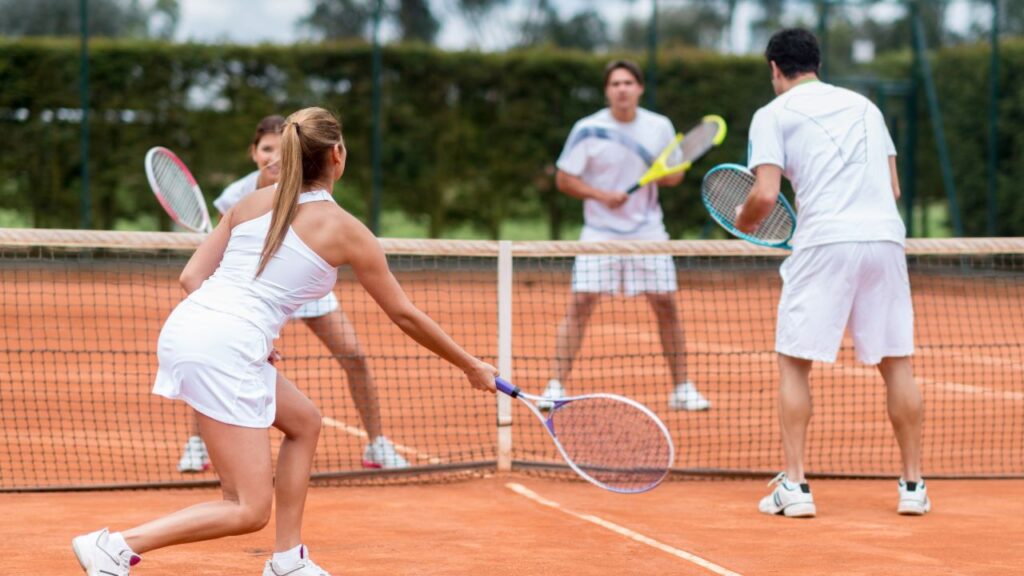
Mastering Grass Court Tennis Techniques: Serve, Volley & Movement Strategies
Grass court tennis demands a mastery of particular techniques that exploit the surface’s fast pace and low bounce. The serve becomes your most potent weapon here, transforming into a high-velocity missile that sets up immediate dominance. The low ball bounce favors aggressive play, forcing players to react quickly with a volley or an approach shot. Understanding how and why to adapt your strokes and footwork is vital for turning every point into a winning opportunity.
To hammer your first serve on grass, position yourself with the racket-side foot parallel to the net and the lead foot angled slightly at the nearest net post. Launch the ball overhead with a sharp toss in front of your body, engaging powerful rotational momentum as your racket races explosively forward. Brands like Wilson and Babolat provide rackets engineered for precise control and power, helping players execute this aggressive weapon efficiently.
Once the serve is delivered, rushing the net remains one of the highest-percentage tactics. The server’s ability to execute a strong approach shot and immediately take control of the net forces opponents into a defensive posture. Volleys require a delicate balance of touch and decisiveness; the ball’s low bounce demands players keep their racquets steady and anticipate quick returns. Yonex and Dunlop rackets often earn praise for their volley-friendly designs, balancing maneuverability and reach.
Movement on grass involves rapid, restrained footwork. Unlike the stable footing on hard courts, grass can be slippery, demanding shoes with specialized treads. Players frequently look to Asics, Nike, and Adidas for tennis shoes designed for optimal grip and cushioning that protect joints while allowing explosive bursts. Effective shuffling, combined with split-step timing just before opponent contact, allows players to adapt to odd bounces and spring forward to the ball.
Key techniques to focus on when playing grass court tennis include:
- Powerful, precise first serves to dictate play and earn aces
- Swift transition to the net with strong approach shots
- Controlled, sharp volleys exploiting the low ball bounce
- Explosive, cautious footwork to maintain balance on slippery grass
- Strategic use of slice shots and drop shots to keep opponents off balance
This combination of techniques pushes players to confront the unique challenge of grass courts: unpredictability. A ball’s bounce can vary sharply with slight changes in grass wear, weather, or court maintenance. Players experienced in adapting mid-rally often outlast even physically superior opponents.
As grass court tennis continues to evolve, new products and technologies contribute to player success. Prince and Slazenger rackets, celebrated for versatile designs, have helped players refine their spin and placement strategies. Meanwhile, adjusting racket tension can significantly affect control and power transfer—discover more insights on achieving your perfect racket tension for grass play.
Advanced Movement Drills to Improve Grass Court Agility
Refining your footwork on grass isn’t just about speed but precision and balance. Drills that emphasize explosive lateral cuts, split-step timing, and controlled bounding are essential. Start with shadow movement without the ball, gradually incorporating volleys and approach shots.
Players frequently practice short sprints from baseline to net and back to simulate match conditions. Balance boards and stability exercises further enhance proprioception, which is crucial for adjusting to the slippery grass surface. These drills help prevent injuries and sharpen reflexes, ensuring players remain light on their feet and ready to pounce on weak returns.
- Split-step timing drills with reaction cues
- Baseline-to-net sprint intervals
- Volley-stick drills emphasizing quick racquet response
- Lateral shuffle patterns with cone markers
- Balance board training for ankle and knee stability
Combine these movement drills with proper tennis shoes suitable for grass courts. Consult our tennis shoes guide for insights on choosing footwear that blends grip, comfort, and durability tailored for grass conditions.
Grass Court Tennis Strategy: Serve-and-Volley Versus Baseline Play
The grass season traditionally favors serve-and-volley players due to the surface’s speed and low bounce. This tactic leverages an aggressive serve followed by a quick advance to the net, applying intense pressure on opponents forced to respond from awkward positions. However, the modern game has seen baseline players develop adaptive strategies to succeed on grass, balancing power and patience.
Serve-and-volley style players often rely on sharply angled serves, strong approach shots, and precise volleys to shorten points. This tactic suits players comfortable with dynamic net play and quick reflexes. Rackets from Yonex and Dunlop complement this style with balance and maneuverability for rapid volley exchanges.
On the other hand, baseline players utilize heavy slice and topspin shots to manipulate ball behavior. Slice shots, especially, keep the ball low and skid on the grass, forcing opponents to bend and react swiftly. Players equipped with Babolat and Head rackets find their arsenal improved by spin-friendly beams and string technology.
Patience is a virtue here. Points on grass can be lightning fast or drawn out by smart defensive plays. Baseliners are also known to incorporate drop shots and lobs to disrupt net rusher rhythm.
Here’s a comparison chart to help decide your strategic style on grass courts:
| Aspect | Serve-and-Volley | Baseline Play |
|---|---|---|
| Playing Focus | Attack net quickly after serve | Control rallies from baseline |
| Typical Shots | Power serves, sharp volleys, approach shots | Topspin groundstrokes, slices, drop shots |
| Advantages | Shortens points, puts pressure, exploits fast surface | More consistent in longer rallies, keeps opponent guessing |
| Challenges | Vulnerable to passing shots and lobs | Requires patience and defensive skills |
| Recommended Brands | Yonex, Dunlop, Prince | Babolat, Head, Wilson |
Regardless of your style, blending elements of both can be the key to mastering the grass court. Flexibility to charge the net, mix up shot selection, and read opponent tendencies will tilt match momentum in your favor.
Maintaining and Preparing Grass Courts for Optimal Playability
Grass courts bring a classic beauty to tennis but require meticulous upkeep to maintain peak performance and player safety. Unlike hard and synthetic courts, grass demands constant grooming—mowing, watering, and pest control—to keep the playing surface even and resilient.
Seasonality plays a major role; grass courts have limited windows when conditions are optimal. Excess rainfall or drought can degrade bounce characteristics and footing. This is why elite tournaments invest heavily in groundskeeping to preserve court integrity throughout the grass season.
Top maintenance tasks essential for grass courts:
- Mowing: Regular mowing to keep grass height between 8-12mm ensures a fast, consistent bounce.
- Watering: Proper irrigation balances moisture, preventing hard patches or slippery mud.
- Rolling: Rolling the court compacts soil for even footing and mitigates divots.
- Pest Management: Prevents damage from insects that could weaken grass blades.
- Aeration: Enhances root health and drainage for durability.
Players notice the difference in ball bounce and court speed throughout the season. Older, worn grass or poor maintenance leads to unpredictable bounces, forcing tactical adjustments. This variability adds to the mystique and challenge of grass tennis but also makes maintenance a vital part of success.
For aspiring players looking to practice year-round, many resorts and clubs are now turning to synthetic grass or hybrid surfaces that mimic natural grass but reduce upkeep and extend usability. These courts use advanced materials and coatings from trusted brands such as Slazenger and Prince to replicate bounce and speed.
Grass courts are a unique environment where player skill meets natural elements. Maintaining that balance between tradition and technology keeps the surface fair and exciting for every player hitting the court.
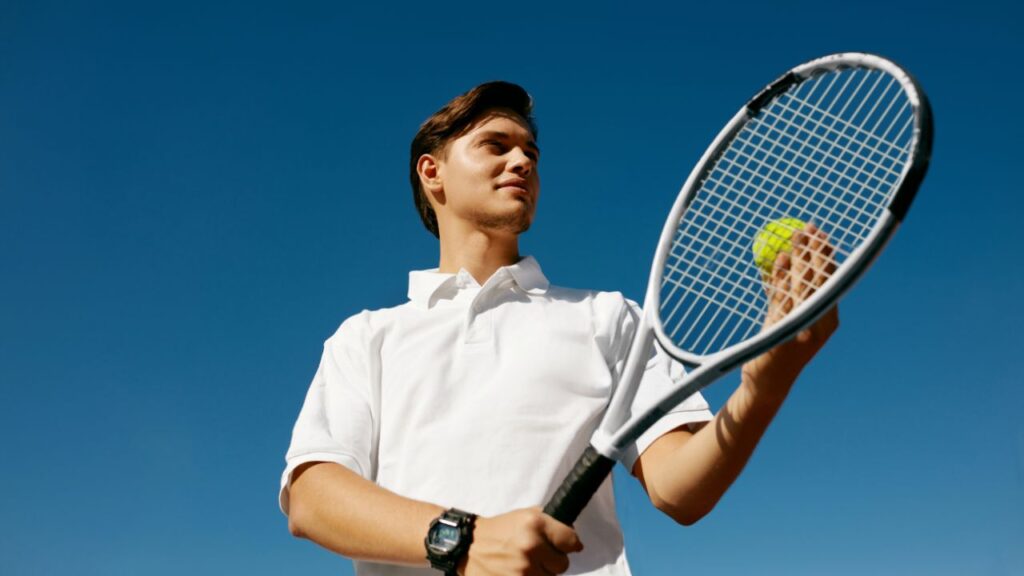
Essential Equipment and Gear for Dominating Grass Court Tennis
On the high-speed battleground of grass courts, having the right gear can make or break your performance. Every detail—from racket choice to shoe selection—matters when points flash by in the blink of an eye. Spending time understanding which equipment complements grass tennis will enhance your shots, movements, and endurance.
Top rackets for grass courts often blend lightweight design with power and volley control. Brands like Wilson, Babolat, and Head lead the pack in producing rackets tailored for fast surfaces:
- Wilson Pro Staff 97: Offers great precision and excellent serve responsiveness.
- Babolat Pure Aero: Known for enhanced spin generation with aerodynamic frame.
- Head Prestige: Combines comfort with control for touch volleys and approach shots.
Racket tension adjustment plays a vital role on grass courts. Slightly looser strings can allow more power and forgiveness on fast surfaces, while tighter strings offer precision control. Visit this guide on perfect racket tension for personalized tuning tips.
Footwear on grass demands unique traction properties to prevent slips and injuries. Brands like Asics, Nike, and Adidas craft shoes with specialized outsole patterns and durable upper materials designed to withstand moisture and variable traction. Avoid hard-soled shoes made for clay or hard courts—look instead for spiked or nubbed soles that grip turf effectively.
Aside from rackets and shoes, consider these gear essentials for grass court success:
- Moisture-wicking apparel: Lightweight fabrics that keep you dry under sun and humidity
- Grip enhancers: From overgrips to sweatbands, maintain a secure hold on your racket during fast exchanges
- Sun protection accessories: Hats, visors, and high-SPF sunscreen for outdoor play
- String technology: Polyester strings for durability and spin; multifilament for comfort
Players interested in elevating their game can consult the beginner tennis equipment guide as well as ongoing tournament updates at TennisGuide.net’s tournament page. Additionally, regular checks on the latest tennis rankings reveal who’s mastering grass this season, inspiring your own tactical evolution.
Grass Court Tennis Frequently Asked Questions
- What makes grass courts different from other surfaces?
Grass courts are the fastest tennis surface with a low, often unpredictable bounce, rewarding players with quick reflexes and aggressive net play. - How should I adjust my serve for grass courts?
Emphasize a powerful, accurate first serve with varied spin and placement to maximize pressure and open net opportunities. - Which racket brands are most popular for grass court play?
Wilson, Babolat, Head, Prince, Yonex, and Dunlop produce rackets favored by grass court specialists. - What types of shoes are best for grass tennis?
Tennis shoes with spiked or nubbed soles from brands like Asics, Nike, and Adidas offer superior grip and safety on grass surfaces. - Can grass courts be played year-round?
Due to weather and maintenance demands, natural grass courts are typically seasonal; synthetic grass alternatives provide year-round options.