

The fast-paced dance of tennis on hard courts isn’t just a clash of racquets and balls; it’s a testament to agility, power, and precision. The hard surface, often the stage for grand slam showdowns and nail-biting exchanges, demands a relentless blend of speed and strategy. Every bounce resonates with intensity, making it clear why mastery on these courts elevates players into legends. From the blistering serves to the sudden directional changes, understanding the nuances of hard court tennis is essential for both novices and seasoned athletes craving dominance.
Hard courts famously fast-track the ball’s speed compared to clay and grass, turning matches into high-octane spectacles. But beneath this surface lies a complex web of technique and tactics designed to harness and manipulate that speed. Through the perfect combination of footwork, shot selection, and gear choice—from iconic Wilson rackets to Nike’s cutting-edge tennis shoes—players unlock the doors to victory. This narrative unfolds through timeless techniques blending raw power and sharp finesse required for supreme control.
Across tennis scenes from bustling urban clubs to global stadiums, hard courts define modern competition’s heart and pulse. Whether it’s young hopefuls breaking their first sweats or ATP stars evolving their games, the lessons embedded in mastering fast surfaces carry universal weight. Dive deeper into the core mechanics driving success on hard courts, while exploring the best practices, celebrated equipment from brands like Babolat, Yonex, and Head, and the evolving tactics that separate the contenders from the champions.
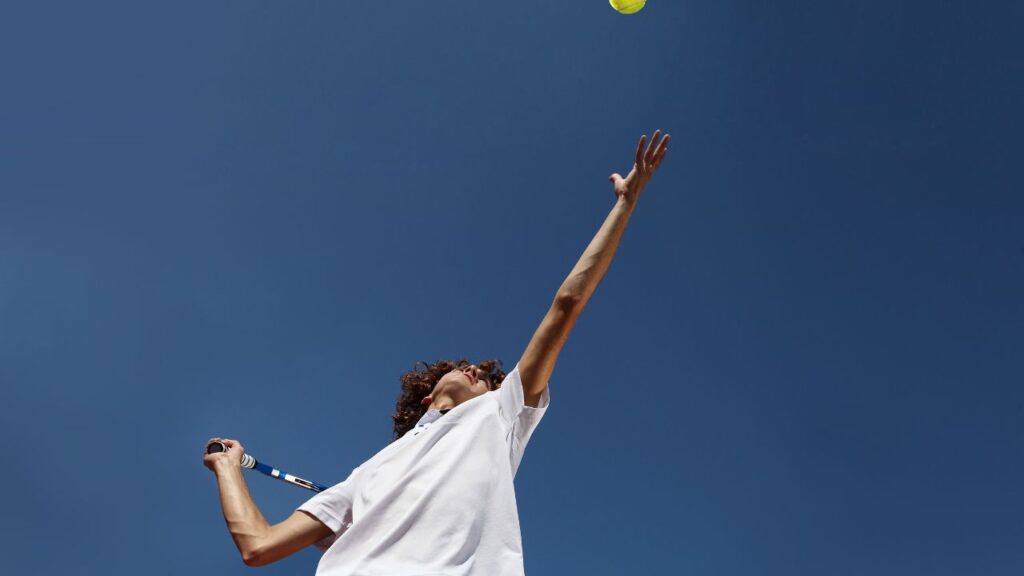
Mastering Footwork and Movement Techniques for Hard Court Tennis
When the court speed accelerates, precision footwork becomes the backbone of every rally. Unlike slower surfaces like clay, hard courts demand explosive lateral shifts and seamless recovery steps, enabling players to chase lightning-quick balls and position themselves for winners. Footwork isn’t simply about speed—it’s about timing, balance, and seamless transitions tailored to the fast-paced rhythm.
For players seeking supremacy on hard courts, integrating specific movement techniques can create significant advantages. The split-step, a critical preseason motion, prepares the body for rapid directional changes. Players execute this subtle hop just as the opponent contacts the ball, priming muscles to react instantly. Coupled with low center of gravity and flexed knees, this allows sharper cuts and explosive pushes.
- Explosive lateral movements: Engage calf and thigh muscles to slide or sprint sideways swiftly.
- Quick recovery steps: After striking a shot, pivoting back quickly to neutral aids court coverage.
- Efficient energy use: Minimize overexertion by optimizing step length and motion economy.
- Maintaining balance: Use arm extension and core strength to stabilize during fast strokes.
Integrating this footwork framework demands dedicated practice. Coaches often emphasize cones and ladder drills to replicate in-match intensity. Professional athletes like Carlos Alcaraz and Coco Gauff showcase how fluid movement creates offensive opportunities and defense resilience alike. Notably, their ability to blend sharp reflexes with tireless endurance enables them to cover every inch of the court with seeming ease.
Beyond movement, surface interaction matters. Hard courts typically provide consistent ball bounce, but their unforgiving texture requires players to safeguard their joints. This ties directly into equipment decisions such as proper tennis shoes—leading brands like Adidas, Lotto, and Nike precisely engineer soles to absorb impact and enhance grip. Selecting the right footwear not only shields ankles and knees but also contributes to powerful starts and stops crucial on fast courts. For deeper insights on injury prevention tailored for hard courts, see tennis injuries and their impact on champions.
| Movement Technique | Purpose | Benefits on Hard Courts |
|---|---|---|
| Split-Step | Prepares for quick reaction | Enables instant directional changes, critical against fast shots |
| Lateral Slides | Cover ground horizontally | Maintains speed and balance on fast, hard surfaces |
| Recovery Steps | Return to optimal court position | Quicker repositioning to anticipate opponent’s next shot |
Footwork intertwining with tactical positioning demands attention to the player’s style and court strategy. All-court players like Novak Djokovic exploit this, effortlessly shifting between baseline dominance and near-the-net aggression. This versatility, built on impeccable footwork, showcases how techniques adapt around the fast nature of hard courts.
Shot Selection and Modification for High-Speed Hard Court Play
High-speed courts accelerate the margin for error significantly. On hard surfaces, selecting the right shot is a strategic weapon in itself. Players must modulate their power and spin to harness the pace while counteracting the surface’s unforgiving rebound. Shot modifications are less about raw power and more about intelligent placement and disguising intent.
Among the most powerful strokes on hard courts is the flat forehand. The low trajectory combined with minimal spin allows the ball to surge through the court, pressuring opponents and forcing hurried responses. Conversely, incorporating topspin with moderate depth adds control, allowing players to clear the net safely while pushing their adversaries back.
- Flat shots: Perfect for attacking and finishing points quickly.
- Topspin shots: Offer safety and consistency on aggressive baseline rallies.
- Slice backhands: Disrupt rhythm by keeping the ball low and skidding off the court.
- Drop shots and angles: Exploit opponent’s positioning and court speed.
Beyond the familiar, integrating advanced shot techniques like the inside-out forehand or the sudden backhand lob brings unpredictability. This compels rivals to constantly adjust, often creating openings in the blistering exchanges. The ability to generate spin with brands like Babolat and Tecnifibre’s strings enhances this skill, offering the modern player greater shot variety.
Shot power and placement converge with string tension and racquet choice. High tension strings generate more control, ideal for managing hard court speed. Iconic racquets from Prince and Dunlop are cherished for their blend of power and maneuverability, enabling players to dial in specific stroke styles with precision. Beginners looking to find their perfect setup can check the perfect racket tension guide for expert advice.
| Shot Type | Characteristics | Best Use on Hard Courts |
|---|---|---|
| Flat Forehand | Low spin, fast speed | Closing points early with aggressive baseline play |
| Topspin Forehand | Higher arc, increased control | Keeping rallies consistent and dictating baseline pace |
| Slice Backhand | Skidding and low bounce | Breaking up rhythm and forcing net approaches |
Professional match observations from recent years emphasize the importance of quick thinking in shot selection. When players face high-velocity serves or rapid rallies, their tactical adjustments often define match outcomes—as seen in numerous ATP tournaments this season.
Racquet and Gear Optimization for Enhanced Hard Court Performance
Hard courts impose unique physical demands that shape equipment choices as much as technique. From racquets to apparel, optimal gear complements and amplifies player strengths to outpace competitors. Modern technologies from leading manufacturers ensure players stay fierce and resilient.
Racquets with a slightly stiffer frame deliver rapid power transfer but require control and timing to avoid mishits. Brands like Wilson and Yonex consistently innovate around this balance, offering models that cater to aggressive baseline hitters and net rushers alike. Weight distribution, string patterns, and grip tailor racquets for diverse play styles pivotal on fast courts.
- Frame stiffness: Enables fast ball acceleration but demands precise timing.
- String tension: Adjusted for control or power depending on player preference.
- Grip size and type: Enhances comfort and shot accuracy.
- Shoes with impact absorption: Brands like Adidas, Nike, and Lotto focus on cushioning to protect joints from the shock of hard surfaces.
Footwear, often considered an afterthought, is a keystone on fast courts. Players battling through grueling matches rely on shoes engineered to prevent injuries without sacrificing explosiveness. Dunlop and Prince also contribute specialized shoe lines designed for stability and traction on these unforgiving grounds.
Complementing gear is the choice of apparel—lightweight yet durable fabrics that wick away sweat while allowing freedom of movement. Nike’s cutting-edge collections blend style with performance, instrumental for players maintaining peak focus and agility during tournaments like the US Open and Australian Open, staples on hard courts and covered in our upcoming tennis tournaments coverage.
| Equipment | Key Features | Impact on Hard Court Play |
|---|---|---|
| Wilson & Yonex Racquets | Stiff frame, balanced weight | Power and precision for aggressive baseline and net play |
| Adidas, Nike & Lotto Shoes | Cushioned soles, good traction | Injury prevention and fast directional changes support |
| High-Tension Strings (Babolat, Tecnifibre) | Control with spin potential | Enhanced shot variation and consistency |
Mental Toughness and Tactical Adaptation on Rapid Hard Courts
Speed and technique only tell half the story. Outstanding players on hard courts share a relentless mental fortitude and adapt tactics fluidly under pressure. The stakes rise fast, and the swift surface amplifies anxiety. Maintaining cool under fire enables players to sustain high performance and execute plans fluently.
A key to mental resilience is routine—many pros develop pre-serve rituals combining deep breathing, focused visualizations, and positive self-talk. These help athletes quiet the crowd’s roar and focus solely on the point ahead, even at match point. For beginners intrigued by such mental coaching, the basics are broken down clearly in our beginner tennis guide.
- Focus maintenance: Techniques to stay fully present, ignoring distractions.
- Pressure management: Tools for coping with high-stress moments.
- Tactical flexibility: Adjusting shot selection and positioning on the fly.
- Opponent analysis: Identifying weaknesses during fast exchanges.
Adapting tactics dynamically becomes a weapon on hard courts. For instance, if an opponent thrives on baseline rallies, shifting to aggressive net approaches or drop shots can break their rhythm. Players empowered by thorough preparation often dictate match tempo, turning rapid exchanges into strategic battles. The rise of new challenges is chronicled extensively with exciting talent on tennis guide’s spotlight for upcoming tennis stars.
| Mental Strategy | Purpose | Effect on Hard Court Match |
|---|---|---|
| Pre-Serve Routine | Maintain composure and focus | Allows sharp execution under pressure |
| Pressure Coping Techniques | Reduce anxiety impact | Ensures consistent performance throughout match |
| Dynamic Tactical Shifts | Outsmart opponent’s gameplay | Creates numerous winning opportunities |
Training Drills and Practice Routines Tailored for Fast Hard Court Tennis
Exceptional hard court tennis skills flourish through relentless practice and targeted drills. Training revolves around replicating in-game pace and conditions, strengthening reflexes, sharpening shot execution, and cementing mental toughness.
Key drills harness footwork speed, shot precision, and endurance:
- Shadow Play: Simulate strokes and footwork without the ball, emphasizing smooth movement and muscle memory.
- Target Practice: Aim for specific court zones with forehands, backhands, and serves to enhance precision.
- Reaction Drills: Partner-based exercises with random ball feeding to improve reaction time and adaptability.
- Serve and Volley Drills: Train swift approach and net clearance to exploit hard court speed advantages.
Coupling these with cardiovascular training increases stamina essential for lengthy fast-paced matches. Embracing technology such as video analysis fine-tunes technique and identifies weaknesses early. Equipment selection also intertwines with practice, ensuring players build skills that fully utilize gear strengths from brands like Wilson and Babolat.
Players eager to assemble appropriate gear for training and competition can consult our beginner tennis equipment guide. And looking to catch thrilling matches live? Access streaming details at live streaming for grand slams.
| Drill Type | Focus Area | Hard Court Benefit |
|---|---|---|
| Shadow Play | Footwork & technique | Improves smooth movement and prepares body for fast courts |
| Target Practice | Shot precision | Enhances control and court awareness under speed pressure |
| Reaction Drills | Reflexes & adaptability | Sharpens responses against fast ball speed |
| Serve & Volley | Aggressive net play | Utilizes hard court speed for offensive advantage |
Frequently Asked Questions about Hard Court Tennis Techniques
- What footwork techniques best suit hard court tennis?
Mastering the split-step, explosive lateral moves, and quick recovery steps provide the agility essential for fast hard court play. - How does shot selection change on faster hard courts?
Players often rely on a blend of flat and topspin shots, modifying angles and spin to control pace and keep opponents off balance. - Which tennis brands offer the best equipment for hard court players?
Renowned brands like Wilson, Head, Babolat, Dunlop, Yonex, Tecnifibre, Adidas, Nike, and Lotto offer tailored racquets, strings, shoes, and apparel designed for hard court demands. - How important is mental toughness in hard court matches?
It is crucial; maintaining focus and adapting tactics swiftly can tip the scales in tightly contested high-speed points. - Where can beginners find reliable tennis equipment suited for hard courts?
Resources like our beginner tennis equipment guide offer expert advice on picking the right gear.