

In the evolving arena of tennis, the playing surface is not just a backdrop but a defining factor that shapes every serve, volley, and rally. While grass, clay, and hard courts dominate the spotlight, there lies an intriguing world of alternative surfaces like carpet and artificial grass that have carved their own niche among players and facilities. These surfaces combine innovation and tradition, offering unique dynamics and new challenges that influence game strategies and player performance. As the sport embraces advances in technology and design, the choices for court surfaces expand, catering to diverse climates, maintenance needs, and playing styles. From the textured resilience of ProCourt carpet to the lush synthetic blades of TennisGrass, understanding these alternatives is key to mastering the full spectrum of tennis experience.
These unconventional surfaces often come with a promise—extending play into indoor arenas or transforming spaces into year-round playgrounds with minimal upkeep. Manufacturers like CourtCraft and SportCourt have perfected materials such as Astroturf and QuickDry infused carpets, blending safety and performance in ways that traditional courts can struggle to match. Each surface carries its own rhythm, bounce, speed, and feel, enticing players hungry for fresh challenges. As 2025 sets new standards in tennis court technology, these alternatives don’t just complement the classic trio but compete for attention in sports facilities worldwide.
Whether driven by climate constraints, budget considerations, or a quest for novel playing sensations, carpet and artificial grass courts are an exciting frontier. They invite not just players but coaches, facility planners, and sports enthusiasts to reconsider the boundaries of surface performance and durability. Dive into this detailed exploration of carpet and artificial grass surfaces to unlock the secrets behind their construction, benefits, limitations, and how they influence the artistry and athleticism of tennis.
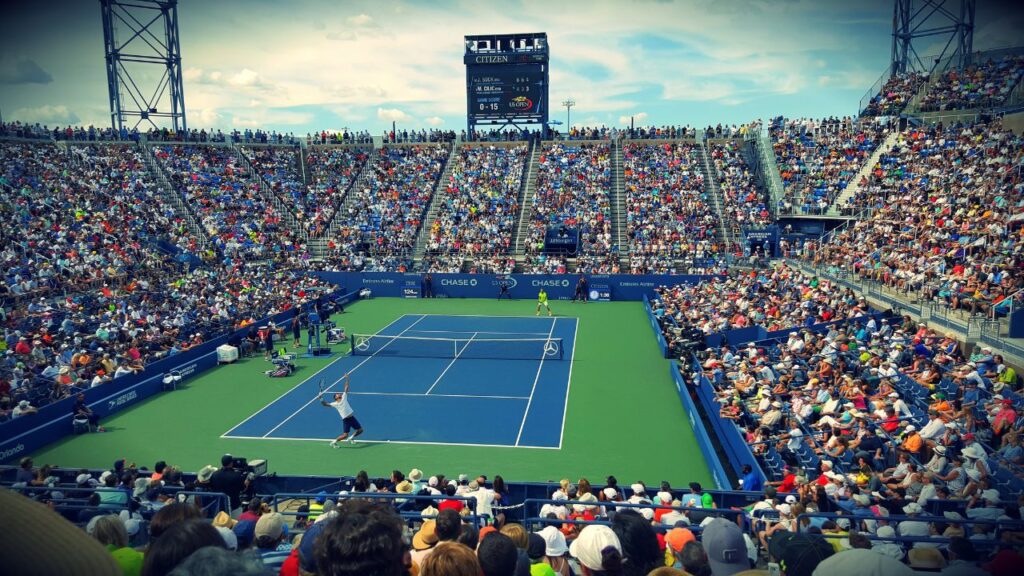
Exploring Carpet Tennis Courts: Performance and Practicality in Indoor Play
Carpet courts represent a compelling chapter in the tennis surface atlas, primarily emerging as a versatile indoor solution. These courts, often constructed using synthetic fibers like nylon or polypropylene, provide a unique blend of speed and comfort that transforms the indoor tennis experience. Carpet surfaces—such as those delivered by CarpetCourt and ProCourt—are designed not just for playability but for a sustainable lifespan that can withstand rigorous sporting action, making them a favored choice in multipurpose sports centers worldwide.
The hallmark of carpet courts is their consistent ball bounce paired with an adjustable speed spectrum. This adaptability stems from the ability to modify fiber density and backing materials, allowing suppliers like TennisTec to tailor surfaces to particular features. Players experience faster ball speeds akin to grass courts but benefit from the indoor environment that negates the weather’s unpredictability. The result is a dynamic, high-tempo game that rewards swift reflexes and electric footwork.
Beyond performance, carpet courts boast exceptional installation and maintenance advantages. The modular nature of these carpets enables swift installation over concrete or wooden subfloors, reducing downtime and initial costs. CarpetCourt’s attention to cushioning layers, including foam pads, softens impacts, providing injury-preventive benefits appreciated by players focused on longevity. Maintenance demands remain minimal—regular vacuuming and occasional surface treatments suffice to keep the court in competitive shape, which contrasts sharply with the upkeep challenges of grass or clay.
Advantages of Carpet Courts include:
- Rapid installation and surface customization
- Consistent bounce with adjustable speed ranges
- Indoor usability enabling year-round tennis
- Lower maintenance needs and cost-effectiveness
- Enhanced player safety via cushioning technologies
However, the convenience of carpet courts is balanced by limitations. The indoor exclusivity constrains outdoor application, and the synthetic feel may lack the tactile feedback some players crave. The surface can be slippery, especially without proper tennis shoes crafted for grip, such as models detailed in our tennis shoes guide. Moreover, carpet courts have waned in professional prominence, eclipsed by hard courts in major tournament rotations, though their niche appeal in training and club play remains robust.
To better understand how carpet courts fit within the broad tennis landscape, consider this performance comparison:
| Characteristic | Carpet Courts (ProCourt, CarpetCourt) | Grass Courts (GrassMaster, TennisGrass) | Hard Courts (SportCourt, FlexCourt) |
|---|---|---|---|
| Ball Speed | Fast, adjustable | Fastest | Medium-fast |
| Ball Bounce | Medium-low, consistent | Low, uneven | Medium-high, consistent |
| Footing | Cushioned, requires proper shoes | Natural grass grip | Firm, less forgiving |
| Maintenance | Low – vacuum and treatment | High – mowing and watering | Medium – cleaning and resurfacing |
| Indoor/Outdoor | Generally indoor | Outdoor only | Both |
Carpet courts continue to provide a safe, durable alternative, especially appealing in regions with volatile weather patterns or limited outdoor space. Institutions like D1 Sports Training partner with producers such as XGrass to guarantee surfaces that maintain their integrity despite relentless training demands. These innovations keep carpet courts part of pro-level training regimens, reinforcing their relevance in 2025’s tennis ecosystem.
The Rise of Artificial Grass Tennis Courts: Blending Tradition with Modern Innovation
Artificial grass courts, evolving far beyond their early synthetic lawn origins, now stand as a sophisticated alternative that captures the essence of traditional grass surfaces with added durability and ease of use. Brands like GrassMaster and TennisGrass lead the charge, producing surfaces that replicate natural grass’s aesthetics and playing dynamics while offering robust weather resistance and extended longevity.
Modern artificial grass courts are engineered from premium American-made fibers, often paired with advanced infill systems composed of crumb rubber and sand to optimize cushioning, ball bounce, and player traction. This combination delivers a predictable pace that falls between grass and hard courts, accommodating both aggressive net rushers and baseline strategists. Moreover, artificial grass’s QuickDry technology ensures rapid surface recovery after play or rain, enhancing court availability and minimizing downtime.
For clubs and recreational facilities, artificial grass represents a striking balance between tradition and practicality. The surface’s natural look and feel provide psychological comfort and aesthetic appeal, while its synthetic endurance drastically reduces maintenance burdens. Unlike natural grass that demands constant mowing, watering, and fertilizing, synthetic options require only routine brushing and cleaning, making them highly cost-efficient over time.
Key Benefits of Artificial Grass Courts include:
- Lifelike playing experience with moderate ball speed and bounce
- Durability under diverse weather conditions
- Lower maintenance than natural grass
- QuickDry systems for enhanced playability
- Optimal cushioning for joint safety
Nonetheless, artificial grass has its quirks. Initial installation costs can be significant, particularly when paired with elaborate base-laying techniques designed to optimize drainage and firmness. While it comes close to mimicking natural grass, some purists argue that slight differences in ball behavior and court feel remain. Still, for many players and venues, the trade-off is worthwhile.
| Feature | Artificial Grass (GrassMaster, TennisGrass) | Natural Grass | Hard Court |
|---|---|---|---|
| Ball Speed | Medium-fast | Fast | Medium-fast |
| Ball Bounce | Medium, consistent | Low | Medium-high |
| Footing | Cushioned with crumb rubber infill | Natural grip | Firm and stable |
| Maintenance | Minimal – brushing and cleaning | High – watering and mowing | Moderate |
| Weather Impact | QuickDry and all-weather | Weather dependent | Mostly weather resistant |
As the tennis community demands more sustainable and accessible playing surfaces, artificial grass courts emerge as a frontrunner in transforming how and where tennis can thrive. With brands like CourtCraft applying innovative turf technology, players get a hybrid of elegance and endurance that elevates all levels of the game.
Comparing Surface Technologies: Carpet versus Artificial Grass in Tennis Court Construction
Delving deeper into tennis court construction reveals crucial distinctions between carpet and artificial grass surfaces, shaping player experience and site management. From the base layers to the topmost fibers, each material draws on cutting-edge technologies that impact speed, safety, and maintenance.
Carpet courts typically feature multi-layer constructions incorporating a durable backing, premium fibers, and padding layers like 5MM foam pads that absorb shock and modulate ball rebounds. This design, perfected by producers such as TennisTec and CarpetCourt, results in a cushioned yet responsive court ideal for high-intensity training environments.
Meanwhile, artificial grass courts integrate a synthetic grass layer backed by advanced infill designed to simulate soil and natural turf beneath the blade tips. Crumb rubber, sand, and other materials form a resilient substructure that ensures stability and player comfort on top. The careful calibration of fiber tallness and density by GrassMaster exemplifies the art of mimicking a natural grass court’s fluid movement and unpredictable ball deflections.
Construction Features Comparison:
| Aspect | Carpet Courts (ProCourt, CarpetCourt) | Artificial Grass Courts (GrassMaster, TennisGrass) |
|---|---|---|
| Surface Material | Nylon/Polypropylene fibers on cushioned backing | Polyethylene fibers with crumb rubber and sand infill |
| Shock Absorption | 5MM foam pad and fiber resilience | Infill base absorbs impact, cushioning joints |
| Weather Suitability | Primarily indoor, protected environments | Designed for all-weather, outdoor and indoor use |
| Maintenance | Minimal – vacuuming and surface care | Routine brushing and occasional cleaning |
| Longevity | 8-12 years with proper care | 10-15 years depending on conditions |
Investing in the right surface calls for factoring in these technical nuances alongside player and environmental considerations. For example, facilities looking for multi-sport adaptability might lean toward carpet courts integrated with color-coded inlays and logos for versatile usage. By contrast, venues prioritizing outdoor authenticity favor artificial grass solutions with quick-dry systems for enhanced all-weather performance.
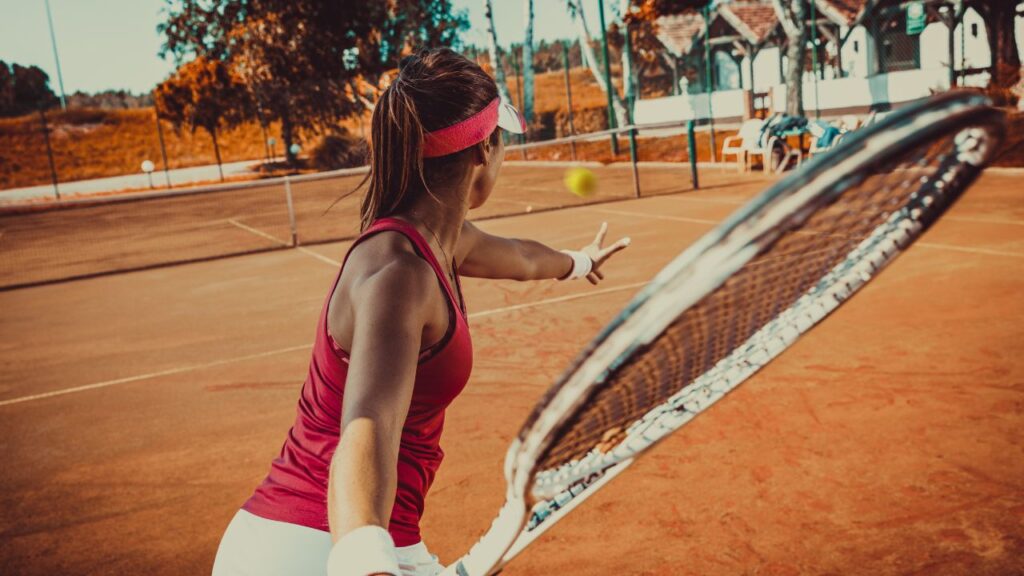
Advanced Maintenance Techniques for Carpet and Artificial Grass Courts
Keeping these surfaces at peak performance requires specialized knowledge. Carpet courts benefit from anti-static treatments and regular checks for loose seams that could impact ball bounce. Artificial grass courts demand consistent infill levels and grooming with mechanical brushes to prevent fiber matting and maintain optimal turf height. Both surfaces may integrate TennisTec and CourtCraft products to bolster durability and performance longevity.
- Schedule quarterly deep cleaning and inspections
- Use manufacturer-recommended cleaning agents
- Prompt repair of surface damage minimizes injury risk
- Implement training on player footwork to reduce wear spots
Continuous innovation in surface technologies means players and managers benefit from partnerships with trusted brands and facilities optimized for injury prevention, as highlighted in our prevent tennis injury tips and impact of injuries on champions. Such efforts contribute to sustaining the competitive edge and vibrancy of tennis courts worldwide.
Innovations and Trends in Tennis Court Surfaces: What to Expect in 2025
The trajectory of tennis surface technology is marked by exciting developments designed to refine performance, safety, and sustainability. The increasing adoption of hybrid solutions, such as synthetic clay overlays combined with artificial grass bases, is expanding surface options for players and operators alike. SportCourt and FlexCourt lead innovation with modular systems that allow rapid installation and surface customization to suit local climates and player preferences.
Eco-friendly materials are also gaining traction. Manufacturers invest in recyclable fibers and environmentally responsible infill materials, aligning with global sustainability goals without compromising on playability. Meanwhile, digital integration of court materials with sensors to monitor wear and optimize maintenance schedules is transforming court management into a data-driven science.
Emerging trends shaping tennis courts include:
- Hybrid flooring blends for tailored play characteristics
- Eco-conscious materials to reduce carbon footprint
- Smart surface technologies with embedded sensors
- Customization with logos, CourtCraft line markings
- Rapid installation methods for flexible facility use
| Innovation | Impact on Play and Maintenance | Examples |
|---|---|---|
| Smart Surfaces | Real-time court condition monitoring, injury prevention | CourtCraft sensor mats |
| Hybrid Surfaces | Customizable game speed, all-weather durability | Synthetic clay with Astroturf base |
| Eco Materials | Reduced environmental impact, sustainable sourcing | Recycled fibers by TennisTec |
| Modular Systems | Fast set-up and reconfiguration for multi-use | FlexCourt panels |
The convergence of aesthetics, innovation, and player welfare signals a bright future for tennis courts that prioritizes not just the game’s pulse but its long-term health, as also discussed in tennis recovery and rest research. This evolution invites facility owners and players to consider surface technology as a strategic investment rather than just infrastructure.
Maximizing Player Performance and Safety on Carpet and Artificial Grass Courts
At the intersection of technology and sport, ensuring player performance and injury prevention on alternative surfaces like carpet and artificial grass demands careful consideration. The cushioned nature of these courts offers considerable relief on joints compared to harder surfaces, decreasing risks tied to repetitive impact. However, unique challenges such as potential slipperiness on carpet courts and infill compaction on synthetic lawns require tailored approaches.
Emphasizing proper footwear is paramount. Players should opt for shoes specifically engineered to provide traction on Astroturf and carpet courts, avoiding slips that can cause acute injuries or inhibit movement. Recent insights from the perfect racket tension guide underline how equipment and surface synergy can amplify control and reduce strain.
Adopting efficient footwork techniques, learned through programs such as those featured by D1 Sports Training, minimizes excessive wear on critical areas of the court and enhances player agility. Furthermore, regular conditioning and recovery regimens, informed by tournament shock analyses and injury prevention strategies, keep athletes competitive and resilient.
Key tips for optimal play on these surfaces include:
- Use of surface-appropriate shoes with strong grip on synthetic materials
- Regular warm-up and stretching tailored to cushion impact on joints
- Incorporation of rest and recovery protocols to prevent overuse injuries
- Equipment adjustments such as racket string tension for enhancing control
- Staying hydrated and managing court time to maintain peak focus
| Factor | Carpet Courts | Artificial Grass Courts |
|---|---|---|
| Impact on Joints | Good cushioning, less strain | Moderate cushioning with infill support |
| Slippage Risk | Higher, dependent on footwear | Lower, thanks to textured fibers and infill |
| Footwork Adaptation | Fast-paced, quick recovery needed | Stable footing allowing smooth gliding |
| Recommended Shoes | Specialized carpet court tennis shoes | Multi-surface shoes with grip for synthetic turf |
Pairing the right equipment with surface awareness maximizes player agility, reduces injury risks, and turns alternative surfaces into launching pads for thrilling tennis action. Further insights on choosing must-have tennis accessories amplify this synergy, supporting a seamless game experience every time a player steps onto these vibrant courts.
Frequently Asked Questions about Carpet and Artificial Grass Tennis Courts
- Q1: How does carpet tennis court speed compare with other surfaces?
Carpet courts offer a fast, but adjustable speed that can be tailored by manufacturers like ProCourt, making them faster than hard courts but generally slower than natural grass. - Q2: Are artificial grass courts suitable for outdoor use year-round?
Yes, with QuickDry technology and sturdy infill systems, artificial grass courts like those by GrassMaster are designed for prolonged outdoor use and can withstand various weather conditions. - Q3: What is the main maintenance difference between carpet and artificial grass courts?
Carpet courts require minimal care, primarily vacuuming and surface treatments mainly indoors, whereas artificial grass courts need regular brushing to maintain turf height and infill integrity outdoors. - Q4: Can playing on carpet or artificial grass reduce injury risk?
Both surfaces provide cushioning that reduces joint strain compared to hard courts, but players must address specific risks such as slippage on carpet and infill compaction on artificial grass through proper footwear and court care. - Q5: How long do carpet and artificial grass tennis courts typically last?
With proper maintenance, carpet courts last 8-12 years, whereas artificial grass courts can remain functional for 10-15 years depending on usage and environment.