

From the sun-scorched courts of local parks to the buzzing atmosphere of community tennis clubs, amateur tennis tournaments are pulsating hubs of energy, skill, and sheer determination. These vibrant competitions are more than just matches; they’re a rite of passage for players hungry to measure their prowess, sharpen their skills, and bask in the thrill of competitive play. Whether just stepping onto the court or aiming to climb the ranks, understanding the fundamentals of participating in these tournaments transforms mere games into adrenaline-charged spectacles. Beyond the back-and-forth rallies and the thwack of racquet strings, a world of rules, preparation strategies, and tactical insights awaits. This world is infused with fierce rivalries, heart-stopping points, and personal growth moments that define the sport’s magnetic allure.
In 2025, amateur tennis has surged with renewed vigor, bolstered by technological advances in gear from brands like Wilson, Babolat, Head, and Yonex, while fashion icons such as Nike, Adidas, and Asics continue influencing player apparel with sleek, performance-driven designs. These tools don’t just elevate gameplay but boost confidence and endurance, proving vital in high-stake matches that test stamina and skill to the brink. Understanding tournament structures, proper etiquette, and player commitment are essential stepping stones for anyone drawn toward this electrifying landscape. With competitions ranging from local club events to national contests, the journey through amateur tournaments is a thrilling narrative of ambition, preparation, and the relentless pursuit of excellence.
Amateur tennis may wear a casual label, but beneath its surface lies a sophisticated ecosystem blending tradition, competition, and community. It’s a sport where every serve and volley is steeped in both technical precision and raw emotion. Stakes may be high, but the spirit remains inviting, open to newcomers willing to embrace challenge and triumph alike. Pouring sweat and passion into the game transforms these tournaments from mere contests into personal sagas, where every point scored is a chapter in an unfolding story of resilience and tenacity.
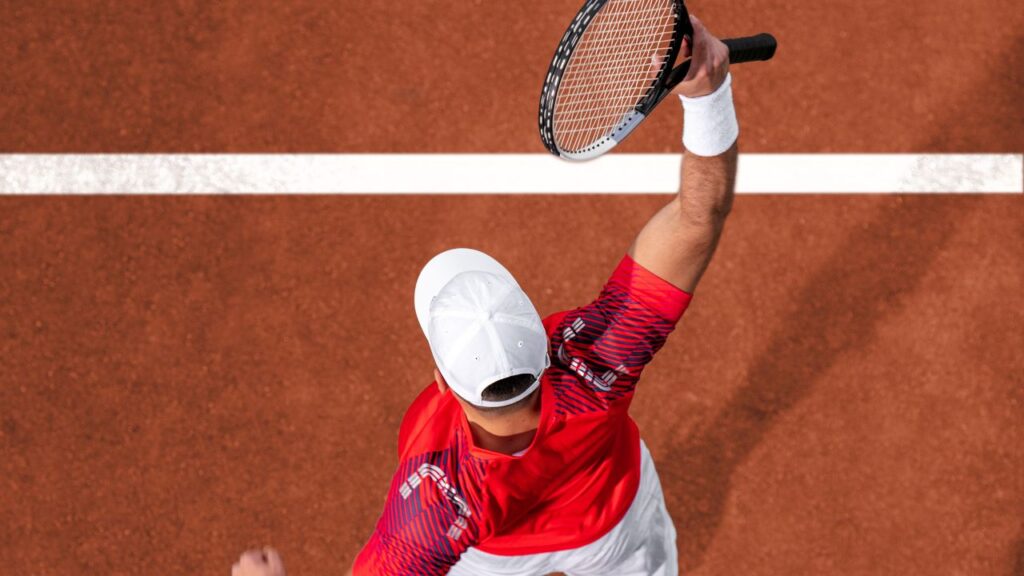
Demystifying Amateur Tennis Tournament Formats and Match Progressions
Understanding the format of amateur tennis tournaments unlocks the door to fully appreciating the gameplay and the drama embedded in each confrontation. Most amateur competitions adhere to a single-elimination format: a “lose once, and you’re out” scenario that injects every rally with high stakes. This system presses players to bring their absolute best from the first serve. Matches advance through a series of rounds, with players whittled down until a champion emerges.
To break it down by rounds, a typical structure includes the:
- Round of 64 – A common starting point for district and club-level tournaments.
- Round of 32 – Where competition sharpens and fatigue starts creeping in for those who maintain momentum.
- Round of 16 (or the Fourth Round) – The battlefield for contenders who are serious about the title.
- Quarterfinals – Matches here often feel like mini-finals, showcasing tactical brilliance and nerve.
- Semifinals – Threshold before the grand showdown; energy surges, and mental toughness reigns supreme.
- Finals – The culmination where champions are forged amid roaring applause and intense pressure.
Smaller community tournaments may start with fewer players, for example, from the Round of 32 or Round of 16, while more extensive regional events mirror national competitions kicking off at Round of 64 or even 128 for the most comprehensive draws. Success demands navigating this ladder with consistent prowess under pressure.
Within this framework, match formats typically vary. In amateur leisure rounds, matches might be best-of-three sets, offering players a challenging yet manageable arc. College and regional contests may push that to best-of-three with a tiebreak or potentially best-of-five in advanced stages. In contrast, professional and some elite amateur events often use best-of-five sets for men to test stamina and strategic depth.
| Level of Competition | Typical Tournament Size | Number of Rounds | Match Format |
|---|---|---|---|
| Local Amateur Tournament | 32-64 Players | 3-6 Rounds | Best-of-3 sets |
| College/Regional | 64-128 Players | 5-7 Rounds | Best-of-3 or Best-of-5 sets |
| National/Elite Amateur | 128+ Players | 7+ Rounds | Best-of-5 sets |
Simplifying match progression by understanding these formats sharpens spectator enjoyment and player preparedness. Knowing when to conserve energy, when to surge, and how to weather the psychological storms of elimination matches becomes an internal chess game played across polished synthetic courts or dusty clay.
Playing under pressure against a racquet brand favorite—be it a Wilson Pro Staff, a Babolat Pure Aero, or a Yonex VCORE—adds dimension to gameplay. Such equipment blends modern innovation with player style, delivering unmatched power, control, and precision. Players who equip themselves with the right gear—paired with athletic wear from Nike or Adidas designed for peak mobility—gain an edge, physically and mentally, amplifying their tournament campaign.
Essential Preparation Tips for Seamless Entry into Amateur Tennis Tournaments
Registering for a tournament isn’t just about signing up with a click— it’s the first energetic step toward a whirlwind adventure of preparation, discipline, and self-belief. The path to competitive play is steep but rewarding, demanding players know the ropes before their match time. Here are key preparation pillars that every aspiring amateur tournament player must heed:
- Familiarize with Tournament Rules: Different tournaments may have subtle rule variations, especially about scoring systems, time allowances, or conduct standards. Reading official rulebooks or tournament guidelines lets players avoid costly missteps and unexpected penalties.
- Official Registration and Eligibility: Be aware of deadlines, fees, ranking prerequisites, and eligibility requirements set by tournament organizers. Many amateur competitions require membership with associations — for example, regional tennis bodies or the national tennis federation.
- Physical Conditioning: Intense matches across multiple rounds test endurance. Incorporate cardiovascular conditioning, agility drills, and strength training tailored for tennis to build resilience on court.
- Mental Fortitude Training: High-pressure match points need unwavering focus. Techniques like visualization, controlled breathing, and strategic goal-setting can shape a winner’s mindset, helping players face challenges head-on.
- Gear Check: Assure the racquet tension, strings, shoes from Dunlop or Prince, and apparel from Tecnifibre or Asics are tournament-ready—durable and comfortable to give confidence and glide during match play.
- Practice Under Match Conditions: Simulating the competitive environment with practice matches, incorporating tie-breakers and timed sets, prepares players for the intensity and unpredictability of tournament play.
| Preparation Aspect | Examples/Actions |
|---|---|
| Rules Knowledge | Study tournament-specific regulations; confirm scoring and conduct guidelines |
| Registration | Meet deadlines; verify eligibility; pay entry fees on time |
| Fitness | Run sprints, ladder drills, core strength workouts, endurance training |
| Mental Training | Visualization exercises; meditation; pressure simulation drills |
| Equipment | Ensure Wilson, Babolat, Head racquets checked; wear Nike or Adidas quick-dry gear |
| Practice | Organize practice sets mimicking tournament intensity; use match analysis |
Prepared players step onto the court ready to seize momentum. The blend of disciplined training, sound strategy, and high-quality equipment generosity from brands like Prince and Tecnifibre can tilt close matches into decisive victories. Unsurprisingly, mental toughness often becomes the make-or-break factor as physical talents become evenly matched in most tournaments.
How to Navigate Match Day: Performance Strategies and On-Court Etiquette in Amateur Tennis
Match day is where months of toil crystallize into moments of impact—the point-by-point battle of wills and skills that write the stories of amateur tennis. To excel requires more than raw ability; it demands keen strategic acumen and adherence to the unwritten honor code cherished across tennis courts worldwide.
Key to performance is a robust pre-match routine: a dynamic warm-up to spark muscle readiness, targeted stretching to avoid injury, and brief mental rituals like focusing exercises or cue words that prep the mind. Such routines resemble those used by the professionals, albeit tailored for the amateur stage.
During matches, players face tactical challenges—when to play aggressive, when to stall for stamina, and how to exploit opponents’ weaknesses. Successful amateurs blend shot variety—slice backhands, topspin forehands—with court positioning strategies to keep adversaries guessing.
- Communication and Sportsmanship: A polite handshake or nod before and after matches isn’t just tradition; it sets a respectful tone. Congratulating opponents for skillful play and accepting line calls gracefully foster goodwill and friendships.
- Managing Momentum: Tennis is a game of swings. Recognizing shifts in momentum and staying calm through frustrating rallies helps retain composure and dominate closing points.
- Handling Pressure Points: At critical junctures—set points, match points—controlling breathing and maintaining focus separate winners from the rest.
- Following Local Rules: Whether it’s dress code adherence or time limits on warm-ups, knowing and respecting event-specific guidelines reflects professionalism and commitment.
| Match Day Strategy | Execution Techniques |
|---|---|
| Warm-Up | Light jogging, dynamic stretches, shadow swings |
| Shot Variety | Mix topspin, slice, drop shots; adjust pace and spin |
| Sportsmanship | Handshake, positive communication, accepting line calls gracefully |
| Momentum Management | Deep breaths, positive self-talk, tactical timeouts if allowed |
| Rule Adherence | Wear appropriate Nike or Adidas gear; follow event-specific codes |
Beyond the tactics, on-court etiquette defines a player’s reputation and the sport’s soul. Holding composure, displaying respect, and honoring traditions elevate amateur tennis from mere competition to a communal celebration of athleticism and camaraderie. This honorable conduct, embraced by players wielding Dunlop or Tecnifibre racquets, creates memorable encounters that extend beyond the final score.
Embracing the Journey: The Personal and Social Rewards of Amateur Tennis Tournaments
Participating in amateur tennis tournaments offers far more than just victory trophies or shiny medals—it delivers a portfolio of personal growth and vibrant community connections that resonate well beyond the baseline. Every match embodies a chapter in a player’s unfolding tennis saga marked by resilience, skill maturation, and emotional highs.
Here’s why these tournaments captivate players:
- Competitive Thrill: The rush of pounding serves, fierce rallies, and clutch moments elevates heart rates and spirits alike, generating feelings akin to stepping onto a battlefield of nerve and prowess.
- Fitness Benefits: Repeated intense motion builds cardiovascular health, agility, strength, and reflexes vital for life on and off the court.
- Skill Enhancement: Facing diverse opponents exposes players to a range of playing styles and strategies, sharpening adaptability and on-court intelligence.
- Camaraderie and Networking: Tennis tournaments forge friendships and social networks, sometimes lasting a lifetime, built on shared passion and mutual respect.
- Confidence and Mental Resilience: Overcoming the highs and lows of competition cultivates a mental toughness transferable to other life arenas.
| Benefit Category | Impact on Player | Long-Term Effect |
|---|---|---|
| Competitive Excitement | Boosts adrenaline and motivation | Fuels commitment and ongoing passion |
| Physical Fitness | Enhances endurance and strength | Supports healthy lifestyle habits |
| Strategic Growth | Expands tactical awareness | Improves game adaptability |
| Social Bonds | Creates friendships and mentorships | Builds community engagement |
| Psychological Strength | Develops focus and stress management | Transfers to broader life confidence |
These rich rewards blossom for players equipped with proper gear. Imagine the lightning speed enabled by an Adidas outfit engineered for agility or the stability from Asics shoes built to absorb impact. Brands like Wilson, Head, and Babolat don’t merely outfit players; they supply the tools for these personal triumphs.
Frequently Asked Questions About Amateur Tennis Tournament Participation
- What are the typical eligibility requirements for amateur tennis tournaments?
Most amateur events require players to be members of the hosting tennis association, meet age or ranking standards, and pay entry fees. Registration deadlines and documentation vary by tournament. - How important is choosing the right tennis racquet for amateur tournaments?
Crucial. The right racquet from Wilson, Babolat, Head, or Prince tailored to a player’s style can significantly influence power, control, and injury prevention during intense matches. - Are there dress code rules players must follow?
Absolutely. Many tournaments enforce dress codes specifying appropriate tennis shoes (Asics, Nike, Adidas, etc.) and attire to maintain professionalism and court safety. - How many matches does one typically play in an amateur tournament?
Depends on tournament size and format. Most competitions feature 3 to 7 rounds, so players may play that many matches if they reach the finals. - What mental strategies can improve performance during high-pressure points?
Focus techniques like visualization, controlled breathing, and staying present help manage nerves and sharpen concentration during critical moments.