

Every tennis player knows the serve and return form the heartbeat of every match. Precision in serving sets the stage, but mastering the return often steals the spotlight – a pulse-racing duel where milliseconds decide the victor. Imagine the gravity of a blistering first serve hurtling at 120mph, and the electrifying tension as the returner meets it with perfect timing, redirecting the momentum with surgical precision. This adrenaline-packed exchange defines champions and frustrates opponents. For anyone passionate about elevating their game, no practice routine delivers impact like a well-crafted Serve + Return combo. The strategic beauty of consolidating these two skills into a seamless training flow unlocks new levels of speed control, consistency, and tactical prowess that echo long after the practice ends.
In today’s tennis landscape, where players wield racquets from leading brands like Wilson, Babolat, and Head outfitted with cutting-edge Luxilon or Gamma strings, there’s no excuse for sloppy starts. The relationship between serve and return demands respect and discipline, yet so many players train them separately. What if you could bind these two pillars in a single routine to accelerate mastery and sharpen competitive instincts? Step onto the court armed with Prince, Yonex, and Dunlop racquets, and discover a revolutionary drill framework that echoes the finesse of the pro circuit but tailored for every level of tennis enthusiast. The Serve + Return combo routine isn’t just practice; it’s a revelation in courtcraft.
As the sun beats down on hardcourts or the crisp air chills a clay duel, this protocol is about more than repetition — it’s rhythm, decision-making, and muscle memory forged in the heat of controlled intensity. Integrated exercises, smart progression, and a tactical mindset become your ladder out of the beginner trenches. Embracing cutting-edge techniques, equipment innovations such as Tecnifibre strings, and timeless principles perfectly balance serve power with return resilience. Dive deep into drills designed to tame the fastest serves, meet the ball with a “butterfly net” touch, and channel that energy into reliable, high-percentage returns. Ready to reshape your approach? Let’s translate the complexities of the serve and return into your ultimate practice protocol.
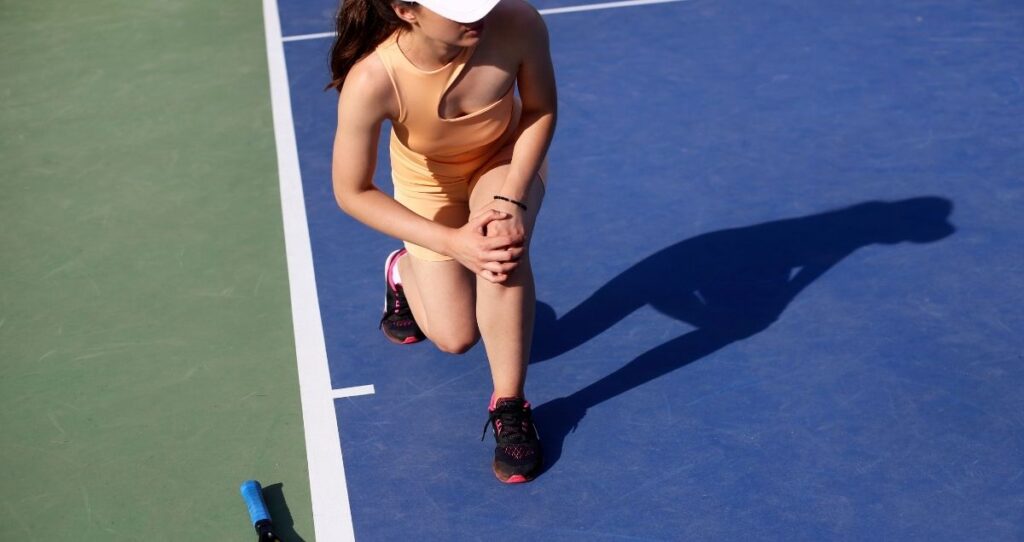
Mastering the Art of Serve and Return Combo Routines for Tennis Players
At the core of any compelling Serve + Return training routine lies the mastery of timing, movement, and controlled aggression. Tennis legends refine these moments — the serve’s explosive start and the return’s daunting split-second response — into a dance of power and precision. This section explores how blending serve and return practices cultivates mental clarity and physical finesse that pure serve drills or return drills alone cannot provide.
Serve + Return combo routines benefit players across the spectrum—from novices adjusting grips to pros fine-tuning tactical returns against the fiercest servers. Using equipment from industry favorites like Babolat and Yonex, players learn to harness every muscle twitch and racquet swing into a fluid potion of control and power. Here’s how the strategic practice enhances your game:
- Develop Immediate Reaction Skills: Combining serve and return drills trains neural pathways to respond faster against incoming pace.
- Build Consistency Under Pressure: Shifting quickly from offense (serve) to defense (return) during sets builds match resilience.
- Promote Tactical Awareness: Practicing sequences simulates real-match stress, enabling smarter shot selection on returns.
- Optimize Stamina and Footwork: Serve + Return drills demand continuous movement, thereby improving endurance and court positioning.
- Refine Control & Grip Techniques: Transitioning between serving and returning sharpens grip changes and wrist control with racquets like Wilson or Prince.
The serve itself is technically demanding—requiring perfect toss, aggressive racquet acceleration, and impeccable foot alignment. Meanwhile, the return of serve, arguably the toughest stroke to master, challenges players to “meet the ball” rather than hit it. This subtle difference transforms return success. When paired, these skills spark a grander synergy, conditioning athletes to adapt to speed changes and varied spins from live serves—whether they come fast and flat or heavy with topspin or slice.
- Key Components of an Effective Serve + Return Combo Routine:
- Start with moderate-paced serves to decelerate the returner’s reactions.
- Gradually escalate serve speed and spin intensity, pushing return control boundaries.
- Use targets—service boxes and baseline spots—to enforce precision over raw power.
- Include random placement drills to simulate unpredictable opponent strategies.
- Incorporate recovery footwork drills between serve and return to mimic real-game rallies.
Interestingly, players equipped with Tecnifibre strings report a balance between power and control, aiding the execution of these combo drills. Moreover, racquet selection matters—the slightly larger head sizes found in brands like Volkl provide a forgiving sweet spot important for refining return accuracy during high-speed drills.
| Component | Description | Benefits |
|---|---|---|
| Controlled Serve | Focus on racquet acceleration and ball toss location to produce consistent serves | Builds reliable service foundation to initiate rallies confidently |
| Measured Return | Practice meeting the ball with a slow swing to control speed and direction | Improves return placement and reduces error frequency |
| Simulated Match Pace | Alternate serves and returns at varying intensities | Condition reflexes and develop stamina for match-style tempo |
Step-by-step Serve + Return Drills to Improve Fast Serve Returns in 2025
Facing a blistering 120mph serve isn’t a situation that allows for hesitation or panic. Returning fast serves is a skill that separates the contenders from also-rans. The formula? Replace wild swings and rushed strokes with a calm “meet the ball” mindset amplified by targeted drills layered into an effective Serve + Return combo routine.
Successful return players understand they don’t always have to “hit” the ball with ferocious force when returning a fast serve. Instead, a delicate touch—like a butterfly net catching a butterfly—is the secret. This mental shift shortens backswing and slows racquet movement, ensuring control not chaos. Let’s break down essential drills that develop this mastery for players armed with racquets from Dunlop, Head, and Wilson among others.
- Meet the Ball and Return to Your Own Service Box
The initial drill lowers the speed of the practice serve — your partner serves medium-paced balls just inside the service line to provide pressure without chaos.
Goal: Simply meet the ball in front and return it to your own service box without swinging aggressively.
This fight against ingrained fast-swing habits builds refined racquet control and deliberate contact point focus. - Meet and Push Over the Net into Opponent’s Service Box
Once you can consistently control returns short of the net, add a slight push to get the ball over.
Goal: Reach 50%+ returns landing deep into the opponent’s service box, simulating tournament match conditions.
This step adds gentle power while maintaining the “meet” technique, transitioning from defense to offense. - Meet and Power a Deep Return
Here, the player increases swing energy just enough to launch deeply beyond the service box but still controlled to avoid errors.
Goal: Return 75%+ of serves deep to prevent opponent’s easy attacks.
Building wrist and forearm control with Babolat or Prince racquets optimizes this drill’s effectiveness. - Randomized Serve Placement and Spin
The partner varies serve speeds, spins, and placements—high slice, heavy kick, flat fast serves—to challenge the returner’s adaptability and real-match readiness.
Goal: Strengthen footwork and reflex anticipation. - Footwork Reset and Split Step Between Serve and Return
Between each combo iteration, execute a quick split-step and reset to simulate instant reaction in match conditions.
Goal: Conditioning explosive responses essential for handling high-pace volleys after the return.
Success lies in patience and repetition. Integrating Luxilon or Gamma strings into this training can enhance feel and power modulation for precise returns and serves. The finesse gained here echoes into competitive rallies, making every shot count.
| Drill | Focus | Progression Goal |
|---|---|---|
| Drill 1: Ball Meeting | Contact point timing and racquet control | Consistent returns to own service box |
| Drill 2: Push Over Net | Controlled power addition | 50%+ returns deep |
| Drill 3: Deep Returns | Energy and accuracy enhancement | 75%+ deep returns |
| Drill 4: Random Spin & Placement | Adaptability and footwork | Real-match readiness |
| Drill 5: Footwork Reset | Explosive split-step | Improved reaction time |
The Strategic Impact of a Serve + Return Combo on Tennis Matches
In professional tennis, battles are fought and won in the first exchanges: the serve and its immediate counter, the return. Understanding the strategic weight of a Serve + Return combo routine transcends technical skill—this is about altering momentum, putting opponents on the back foot, and seizing early advantage.
Top-tier competitors harness this combo to dictate tempo: a well-placed serve followed by a swift, precise return breaks rhythm and forces errors or defensive play. The combo serves as a dual weapon, disrupting opponents’ anticipation and planting psychological doubt. These elements combined shape match narratives from grassroots tournaments to the grandest stages like Wimbledon or the US Open.
Five reasons why the Serve + Return combo changes match dynamics:
- Sets the Match Tempo: Aggressive serves coupled with controlled returns create flow and pressure.
- Destroys Opponent Rhythm: Variability in serve speed/spin mixed with unpredictable returns keeps opponents guessing.
- Builds Tactical Flexibility: Players can switch from attack to defense quickly based on combo execution.
- Drains Opponents Physically & Mentally: High-intensity rally starts reduce opponent’s stamina.
- Enhances Confidence & Psychological Edge: Dominance in early exchanges boosts player morale and intimidates rival.
Using racquets crafted by iconic brands such as Yonex, Volkl, or Tecnifibre—paired with String sets like Luxilon or Gamma that optimize tension and durability—can emotionally empower players. An optimal combo practice translates into clutch match moments: think of matches where receiving players like Novak Djokovic put relentless pressure on servers who feed off that first stroke advantage.
| Match Phase | Serve + Return Focus | Impact on Match Outcome |
|---|---|---|
| Early Game | Establish speed control and targeting | Control momentum and baseline dominance |
| Mid Game | Adjust tactics based on opponent tendencies | Force errors and create break opportunities |
| End Game | Maintain composure and high-percentage returns | Secure key points and close out sets |
Equipment Essentials and Setup for Serve + Return Combo Success
Picking the right gear turbocharges your Serve + Return drills. The perfect blend of racquet, string, and grip can transform timing and control during both of these critical strokes. Here’s the lowdown on what to consider, backed by latest trends and innovations dominating courts in 2025.
Racquet Selection: Choose a frame that matches your style—power hitters may prefer stiffer frames like those offered by Wilson and Babolat, while players craving control and spin lean toward Head or Prince. Brands like Yonex and Volkl provide balanced frames suited for versatile all-court styles.
String Choices: High-quality strings can elevate every serve and return. Strings such as Luxilon and Gamma are prized for durability and control, sustaining tension that maintains power without sacrificing precision.
Grip and Comfort: Proper grip size and tension prevent slippage and enable smooth transitions between serve and return grips. Ergonomics matter not just for comfort, but also to reduce injury risk during rapid finger and wrist movements.
- Key Equipment Tips for Drills:
- Keep racquet tension moderate for control—avoid extreme tightness that reduces feel.
- Choose multi-filament or polyester strings based on your blend of comfort and spin needs.
- Regularly check grip wear; a fresh grip supports responsive racquet handling.
- Consider dampeners tuned to reduce vibration without losing ball feedback.
- Test string setups with Serve + Return drills to find the ideal tension and elasticity.
| Equipment | Recommended Use | Benefit for Serve + Return |
|---|---|---|
| Wilson Pro Staff Racquet | Power baseline serving | Maximizes racquet head speed for heavy serves |
| Babolat Pure Drive Racquet | Spin-heavy returns and controlled power | Helps meet the ball effectively with control |
| Luxilon ALU Power Strings | Serve and return control | Maintains tension and durability during intense drills |
| Gamma Synthetic Gut Strings | Comfort and feel on returns | Absorbs shock and adds precision |
| Head Revolutionary Grip | Secure hold during rapid serve-to-return transitions | Reduces hand fatigue and improves shot consistency |
Integrating Serve + Return Combo Routines into Your Weekly Tennis Training
Consistency beats intensity—especially when it comes to mastering serve and return mastery. A structured weekly plan weaving in Serve + Return combo drills delivers exponential gains if executed smartly. Each session should balance fundamentals, progressive challenges, and recovery.
Here’s a sample weekly schedule designed for tennis players of all levels wanting to maximize their synergy between serve and return, integrating lessons from top coaches and real-world tennis demands:
- Monday: Serve Technique & Placement Focus
15 minutes warming up with Prince racquets, followed by progressive target serves emphasizing precision over power. - Tuesday: Return Mechanics Drills
Practice “meet the ball” drills returning moderate serves with controlled swing speeds. Use Dunlop racquets for added control during these sessions. - Wednesday: Serve + Return Integration
Execute combo patterns at varied speeds and spins. Include situational drills simulating actual match scenarios, testing reaction and footwork. - Thursday: Recovery and Light Footwork
Focus on flexibility and mobility workouts, supplemented by shadow movements and split-step timing exercises. - Friday: Random Serve + Return Challenge
Partner feeds diverse serves with variable depth and spin. Respond with strategic returns using Yonex racquets known for their versatile sweet spot. - Saturday: Match Simulation & Practice Sets
Play point-based games emphasizing serve plus return sequences to translate drills into competitive rhythm. - Sunday: Rest & Mental Rehearsal
Visualize serve and return scenarios. Study videos on placement tactics and spin analysis from pros.
This rhythm encourages gradual progress without burnout. A well-meshed combo routine unleashes two-pronged advantages and sharpens competitive instincts. See how these tips and gear align perfectly with the insightful guidance offered by TennisGuide.net’s advanced training resources to take your game to new heights.
| Day | Focus | Key Equipment | Goal |
|---|---|---|---|
| Monday | Serve Placement & Power | Prince Racquet | Sharpen serve consistency |
| Tuesday | Return Mechanics | Dunlop Racquet | Build subtle control |
| Wednesday | Serve + Return Combo | Yonex Racquet | Improve match readiness |
| Thursday | Recovery & Footwork | Body Exercises | Enhance mobility |
| Friday | Random Serve Challenge | Yonex Racquet | Adaptability |
| Saturday | Match Play Simulation | Babolat Racquet | Translate training to match |
| Sunday | Rest & Visualization | None | Mental preparation |
Frequently Asked Questions About Serve + Return Combo Routines
- Q: Why is the “meet the ball” concept crucial for returning fast serves?
A: It prevents overswinging on fast serves by focusing on controlled contact, reducing errors and improving consistency. - Q: How often should players incorporate Serve + Return combo routines in practice?
A: Ideally, 2-3 times per week, balanced with other training components for recovery and skill refinement. - Q: Which racquet brands best support these drills?
A: Wilson, Babolat, Head, Prince, Yonex, Dunlop, Tecnifibre, Volkl, Gamma, and Luxilon-equipped racquets all offer great options suited to various styles. - Q: Can beginners effectively use these combo routines?
A: Absolutely. The progression drills start slow and focus on control, making them approachable for all skill levels. - Q: How can video resources enhance serve and return practice?
A: Visual learning reinforces technique, spin recognition, and tactical choices, accelerating improvement.