

The world of professional tennis is aflame with tales of resilience as players from the top echelons of the ATP and WTA tour prepare for pivotal returns. These stories of comeback from injury and personal trials don’t just highlight the physical toll of the sport but spotlight the sheer determination and soul it takes to re-enter the spotlight. The past years have seen astonishing turns in careers—meticulous rehabilitation, strategic coaching shifts, and mental recalibration creating some of the most compelling narratives in sport today.
Names that once dominated headlines now face new challenges, balancing the razor-thin line between pushing limits and safeguarding longevity. Icons such as Naomi Osaka and Angelique Kerber, fresh from maternity leaves, are charting ambitious paths back to competitive peak. Meanwhile, gritty warriors like Amanda Anisimova and Stefanos Tsitsipas are navigating tough physical hurdles, armed with redefined game plans and renewed spirits.
In this surge of the human spirit meeting athletic excellence, brands like Nike, Adidas, Wilson, Babolat, and Head continue to provide the technological edge and gear vital to these athletes’ comebacks. The intertwining of cutting-edge sports science and old-school hustle underpins each player’s journey back to the courts. This cycle of ascent, injury, and return isn’t a mere blip — it’s emblematic of the relentless spirit coursing through tennis’s veins.
As these top-ranked players ramp up their training and eye major tournaments in 2025, the tennis world watches with bated breath. Their stories offer a window not only into the demanding grind of professional tennis but into the profound mental toughness that defines champions. For fans new or well-versed looking to deepen their understanding, this beginner’s guide offers an accessible deep dive into the sport’s intricacies that set the stage for these high-stakes returns.
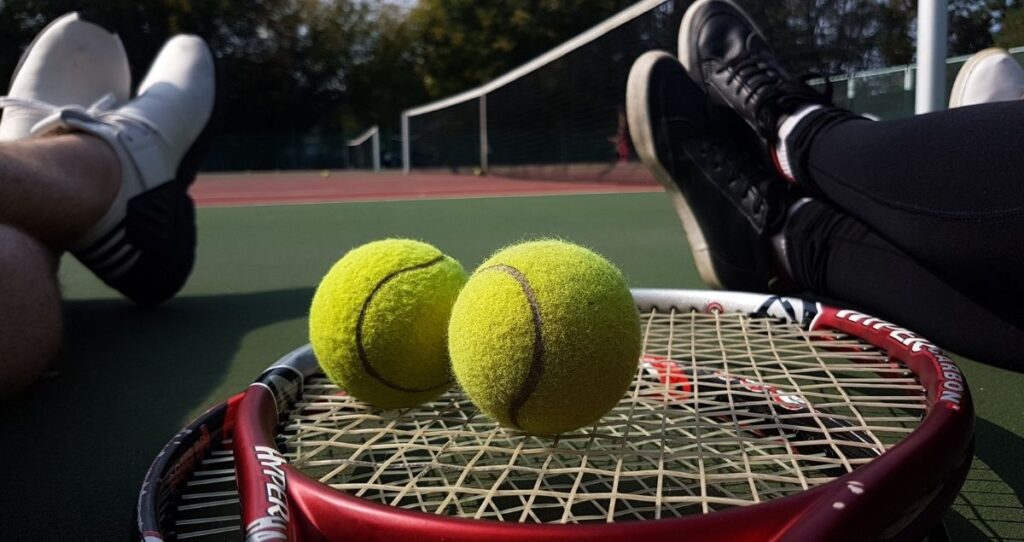
Injury Comebacks of Leading ATP Stars: The Battle Beyond the Baseline
The ATP circuit’s elite wrestle with more than just their opponents—they battle injuries that threaten to derail their careers. This gruelling tour isn’t kind to the body, especially for players like Stefanos Tsitsipas and Reilly Opelka, whose powerful strokes and expansive reach can become liabilities without peak physical health. Their comebacks are intricate puzzles, demanding smart scheduling, physiotherapy, and recalibrated mental endurance. For instance, Opelka’s comeback from wrist surgeries witnessed strategic use of protected rankings to enter high-stake tournaments, a tactical move crucial in preserving his ATP standing while managing his recovery pace.
Tsitsipas illustrates the multifaceted nature of a comeback: the Greek star’s journey involves sweeping changes, from his coaching setup to equipment switching between Wilson and Babolat racks. These shifts impact everything from ball control to pace, underlining how equipment giants like Wilson and Babolat play a silent yet influential role in a player’s revival strategy.
A list of pivotal elements driving ATP comebacks:
- Enhanced physiotherapy and injury management regimes with Head and Asics-approved gear for optimal support.
- Smart tournament selection influenced by the ranking and court surface to maximize points gain and minimize risk.
- Psychological resilience programs to rebuild competitive confidence and manage anxiety in pivotal matches.
- Schedule adjustments to balance competitive play and rest, aided by advanced analytics.
| Player | Injury | Current Ranking (2025) | Predicted Return Tournament | Key Comeback Strategy |
|---|---|---|---|---|
| Stefanos Tsitsipas | Back and wrist issues | 25 | Indian Wells Masters | Coaching overhaul & racket optimization (Wilson to Babolat and back) |
| Reilly Opelka | Double wrist surgery | 93 | ATP 250 Auckland | Protected ranking entry and targeted tournament play |
| Denis Shapovalov | Knee injury | 27 | US Open Series | Tactical skipping of non-point events; fitness focus |
The journey back for ATP players also hinges on the evolving science of sports medicine combined with mental conditioning. The physical strain of playing with lingering pain contrasts sharply with the exhilaration of a powerful serve or a razor-sharp backhand strike—all wrapped in the uncertainty that defines every comeback attempt.
WTA’s Top 10 Comebacks: Courage, Creativity, and Court Craft
Among the WTA’s top contenders, the saga of injury and recovery reads like a compelling epic. Naomi Osaka, who holds four Grand Slam titles, is a symbol of rebirth after motherhood reshaped her career priorities and style. Osaka hasn’t played since late 2023 but targets big tournaments early in 2025, with a fresh mindset and newly honed skills highlighted by her evolving circuits between Nike’s performance wear and the top-tier racquets of Wilson.
Angelique Kerber’s return after childbirth mirrors a different kind of battle, one blending athletic rigor with nurturing responsibility. Her focus zeroes in on the 2024 Paris Olympics, a coveted stage that fuels her training intensity. Like Osaka, Kerber relies on a team supporting her physical and mental wellness, with careful attention to recovery backed by some of the best in sports apparel and recovery tech from Adidas and New Balance.
Sensations like Emma Raducanu and Markéta Vondroušová, the 2023 Wimbledon champ, are carving their paths from injury to excellence. Raducanu’s multiple surgeries and careful scheduling reflect a commitment to longevity, underscored by the powerful resources of sponsors like Lacoste and Puma. Vondroušová’s comeback from shoulder surgery emphasizes patient, tailored physical therapy and match play, underscoring how strategic rest and stretching can prevent reinjury.
- Structured training blending physiotherapy with skill refinement using Under Armour and Asics gear for movement efficiency.
- Psychological coaching addressing burnout, confidence restoration, and competitive focus.
- Gradual reintegration into tournaments, favoring hard courts initially with plans for a strong clay season.
- Partnerships with apparel and equipment brands to enhance comfort and performance during long sessions.
| Player | Recent Injury/Reason for Break | 2025 Ranking | Upcoming Highlighted Tournament | Return Focus |
|---|---|---|---|---|
| Naomi Osaka | Maternity leave and mental health | 46 | Australian Open 2025 | Mindset restructuring & fitness reinvigoration |
| Angelique Kerber | Maternity leave | 31 | United Cup & Paris Olympics | Balance fitness with family; Olympic qualification |
| Emma Raducanu | Multiple surgeries on wrists and ankle | 298 | Auckland & Australian Open (qualifying rounds) | Gradual match play & injury prevention |
Modern tennis isn’t just about power—it’s a ballet of precision and endurance. Players’ outfits and equipment from brands like Puma, Lacoste, and new high-tech ventures continue to influence their mobility, court feel, and overall stamina, elements critical to successful comebacks. For newcomers, understanding these details highlights how injury recovery encompasses all aspects of sport, from sweat to style.
Strategic Mental & Physical Reload: Crafting a Comeback in Tennis’s High-Pressure World
A player’s return from injury demands more than skincare and muscle rehab—it requires a recalibration of mind, body, and spirit. The mental strain is often underestimated in the intense drama of professional tennis. Players like Amanda Anisimova and Denis Shapovalov embody this complex dynamic. Their comebacks involve slowing down, embracing new routines and support systems, and a relentless internal battle against anxiety and self-doubt.
Anisimova’s journey from a top-25 teenage prodigy to a more mature athlete includes managing back pain and the grief from personal losses. It’s a story layered with emotional strength and an evolution in her gameplay, shaped by newly employed physiotherapists and mental coaches alike. Shapovalov’s cautious, analytical approach illustrates the evolution of a player who once bore the weight of physical pain and is now learning to channel experience over raw explosion.
- Creation of personalized healing schedules incorporating Asics and New Balance footwear designed for injury recovery walks and courtside agility.
- Use of mindfulness and sports psychology techniques to build focus, reduce pressure, and enhance match-day performance.
- Nutritional moderations aligned with physical load, optimizing recovery and stamina.
- Incremental inclusion of competitive matches tailored with special ranking entries.
| Player | Psychological Focus | Physical Rehab | Support Team | Competitive Strategy |
|---|---|---|---|---|
| Amanda Anisimova | Burnout recovery & mental toughness | Back & general fitness | Full-time physiotherapist and mental coach | Gradual re-entry into tournaments with special ranking |
| Denis Shapovalov | Anxiety management and match focus | Knee recovery and conditioning | Physiotherapy and sports psychologist | Selective tournament play skipping point-less events |
The combination of physical rehabilitation with psychological fortification is the frontier of high-performance tennis recovery. Players often need to re-learn their game under new paradigms, adjusting technique and approach in line with their current physical capacities and long-term career visions. Beginners striving to understand tennis’s demanding dynamics will find this integration vital in appreciating what it takes to succeed at the highest level.
Upcoming Tournament Stars: Profiles of Players Poised to Ignite the 2025 Season
As the 2025 season ignites, the spotlight shines brightly on those gearing up for major tournament returns. Amanda Anisimova, Naomi Osaka, and Emma Raducanu are among those who promise high drama and electrifying play on the court. Their preparation phases are keenly watched, with training camps integrating advanced gear from Topspin favorites like Lacoste and Head, matched with apparel innovations from Under Armour and New Balance, optimizing their power and agility.
These athletes’ profiles reveal a map of comeback strategies dependent not only on healing but clever adaptation. Anisimova, fighting her way back from a career rollercoaster, harnesses a calm, methodical approach, paying off in recent matches where she showed glimpses of her former dominance. Osaka’s approach combines the focus of a mother with a competitive edge, mixing intense practice sessions with a detailed understanding of game tactics. Raducanu’s return journey is underscored by patience and commitment, breaking down her comeback into manageable milestones aligned with her wrist and ankle recovery.
- Comprehensive fitness regimes blending endurance and explosive power drills underpinned by Asics and Adidas gear.
- Equipment customization focusing on racquet tension and shoe support from Wilson and Babolat to minimize strain.
- Mental conditioning emphasizing adaptability and clutch performance under pressure.
- Optimized nutrition and hydration plans to sustain energy throughout long tournaments.
| Player | Targeted Tournament | Key Preparation Focus | Support Gear Sponsors | Projected Impact |
|---|---|---|---|---|
| Amanda Anisimova | Auckland & French Open 2025 | Mental stamina and physical resilience | Nike, Wilson | |
| Naomi Osaka | Brisbane and Australian Open 2025 | Strategic game awareness and fitness | Under Armour, Wilson | |
| Emma Raducanu | Auckland qualifiers & Australian Open qualifiers | Injury management and confidence building | Lacoste, Babolat |
Keeping a pulse on these comebacks adds layers of excitement to each tournament, as fans witness not only matches but battles of grit and glory. The ongoing evolution of tennis gear technology combined with individualized coaching programs equips these players with tools essential for not only returning but for conquering anew.
Frequently Asked Questions About Tennis Player Injuries and Comebacks
- Q: How do players manage pressure during their comeback?
- A: Players often work with sports psychologists to develop coping strategies that help manage anxiety and maintain focus during high-pressure matches.
- Q: What role does equipment play in injury prevention?
- A: Modern equipment such as cushioned footwear from Asics and high-tension racquets from Babolat help minimize strain on the body, aiding in injury prevention and recovery.
- Q: Can tennis players fully recover from surgery to reach their previous level?
- A: With advances in medical science and comprehensive rehabilitation programs, many players successfully return to or even surpass their previous performance levels, although individual results vary.
- Q: How important is mental health in the comeback journey?
- A: Mental health is critical; players often need to rebuild confidence and manage burnout alongside physical recovery to succeed in the comeback.
- Q: What are special rankings and how do they assist players returning from injury?
- A: Special rankings allow injured players to enter tournaments based on their ranking prior to injury, giving them opportunities to compete without starting from scratch in the rankings.