

As tennis surges into the future, the courts are no longer just arenas of raw talent and grit—they’ve become hubs of cutting-edge technology where smart wearables redefine how players train, compete, and recover. The 2025 tennis scene thrives on innovation, where gadgets powered by AI and biometric insights push athletes beyond their limits, turning every swing and footstep into a data point that fuels peak performance. From wrist-worn analytics giants like Garmin and Apple to sleek smart rings and sensor-laden apparel from brands such as Babolat and Zepp, the fusion of tech and tennis promises an electrifying leap forward.
Gone are the days when tennis training was purely sweat and hustle; today, it’s a precision science. Smart wearables deliver instant feedback on mechanics, health, and strategy, transforming players of all levels into informed tacticians. As demands escalate, so do the expectations from gadgets that now decode swing speeds, estimate fatigue, monitor hydration, and even anticipate injury risks—all with razor-sharp accuracy. The year 2025 marks the peak of this revolution with devices becoming lighter, smarter, and more intuitive than ever before.
Whether you’re chasing the next grand slam glory or carving out your personal best on the weekend courts, understanding and mastering these analytics gadgets can make the difference between merely playing tennis and dominating the game. This article dives deep into the top smartwear innovations tailored for tennis, revealing the tech fusions that are setting new standards, while shining a light on key players in this digital arena—Garmin, Fitbit, Apple, Samsung, Whoop, Polar, Sony, Babolat, and Zepp. Prepare to discover how the pulse of data and the soul of competition merge on the court in 2025.
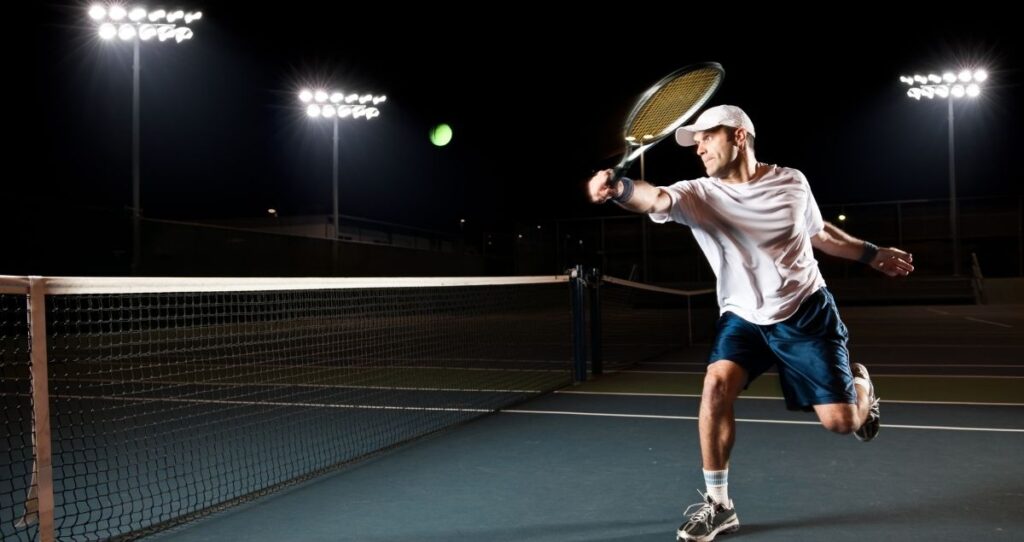
Advanced Tennis Smartwatches and Fitness Trackers: The Heartbeat of Performance Analytics in 2025
In 2025, tennis smartwatches and fitness trackers have evolved into indispensable tools for athletes hungry to edge out the competition. These devices no longer just count steps or track heart rate; they’ve transformed into sophisticated performance analytics platforms blending real-time data capture with actionable insights crafted for tennis aficionados.
Leading manufacturers like Garmin, Apple, and Fitbit have embedded specialized tennis modules into their top-tier models. Take the Garmin Forerunner 265 and Apple Watch Series 9, for instance—these smartwatches deliver precise swing analysis by tracking wrist motion patterns at lightning speed, quantifying variables such as swing speed, stroke count, and shot accuracy. This level of feedback illuminates weak spots and strengths alike, allowing players to tailor their training with pinpoint precision.
Moreover, these devices integrate heart rate monitoring with accuracy surpassing 95%, an essential tool not just for tracking exertion but for managing recovery during matches and practice sessions. The advanced GPS tracking feature captures every nuance of court movement, from baseline footwork to aggressive net approaches, revealing inefficiencies that could be costing precious points.
However, it’s not just about raw stats. These models offer AI-driven coaching tips that adapt to the user’s playing style and data history. Real-time vibration alerts can warn when fatigue sets in, reducing the risk of injury—a vital edge in grueling matches. For those serious about embracing data-driven improvement, these smartwatches have become extensions of their tennis journey, turning every session into a carefully calibrated battle plan.
Essential Features of Tennis Smartwatches and Trackers
- Swing Analysis: Advanced 3D motion sensors evaluate stroke mechanics, enabling detailed shot-by-shot breakdowns.
- Heart Rate & Recovery Tracking: Continuous monitoring to optimize rest and prevent overtraining.
- GPS and Movement Tracking: Map court coverage, speed, and agility metrics for comprehensive performance insights.
- Water Resistance: Rugged designs suitable for outdoor courts and unpredictable weather conditions.
- Battery Longevity: Devices like Garmin offer up to two weeks of usage, perfect for intense training blocks.
| Device | Key Features | Battery Life | Price Range |
|---|---|---|---|
| Garmin Forerunner 265 | Swing analysis, GPS, heart rate monitoring | Up to 14 days | $399 – $599 |
| Apple Watch Series 9 | Heart rate alerts, third-party tennis apps, GPS | Up to 18 hours | $399 – $499 |
| Fitbit Charge 6 | Sleep & recovery tracking, heart rate variabilities | Up to 7 days | $149 – $199 |
For a comprehensive dive into optimizing training with such tech, explore training techniques enhanced by analytics and master the way data shapes athletic growth.
Revolutionary Tennis Sensors and Connected Wearables: Precision Data Meets On-Court Excellence
Beyond wrist-worn devices, the tennis world has exploded with sensor technology that fits seamlessly on racquets, clothing, and accessories. Brands like Babolat and Zepp lead the charge with ultra-lightweight, high-fidelity sensors designed to dissect every nuance of your swing and movement.
These compact devices attach discreetly to the racquet or are embedded within smart strings, tracking data points such as:
- Shot type recognition — forehands, backhands, volleys differentiated with near-perfect accuracy
- Spin rate analysis — quantifying topspin and slice impact on ball trajectory
- Impact location — identifying sweet spot hits versus off-center strikes
- Shot count and tempo — monitoring rally intensity and pace
These sensors pair with smartphone apps to produce detailed post-match analytics, offering stunning heatmaps and charts that transform raw numbers into intuitive visuals. Tennis trainers and players alike praise this technology for its ability to spotlight tactical weaknesses and capitalize on strengths.
Additionally, the rise of Sony’s innovative wearable tech blends biometric monitoring with embedded sensors, delivering an all-encompassing picture of a player’s physiological state and technical output. This holistic approach is making waves among elite competitors as well as club players eager to fast-track their improvement.
| Gadget | Main Metrics | Integration | Price |
|---|---|---|---|
| Babolat Play Sensor | Swing type, impact precision, shot count | Mobile App (iOS/Android) | $199 – $250 |
| Zepp Tennis 2 | Shot analysis, spin rate, stroke tempo | Mobile App + Coach Analytics Dashboard | $150 – $200 |
| Sony Smart Tennis Sensors | Biomechanics + physiology tracking | App + Cloud sync | $300 – $450 |
Exploring smart wearable tennis accessories goes beyond technology; it’s about harnessing innovation to enhance match-winning strategy and physical conditioning. For tutorials on advanced training, check out master classes that combine tech and training for explosive results.
AI-Driven Coaching and Smart Training Tools: The Personalized Tennis Revolution
The tennis coaching landscape has undergone a metamorphosis thanks to AI-powered wearables and training platforms. Devices once relegated to recording stats now serve as personal trainers and strategists, providing adaptive feedback that learns from every swing, sprint, and set.
Platforms leveraging AI analyze aggregated biometric and performance data, delivering uniquely tailored training regimens that evolve alongside the athlete. For example, the Whoop strap integrates recovery and strain analytics to suggest when to push hard or dial back intensity, a vital feature to avoid overuse injuries.
In parallel, smart compression clothing embedded with biosensors supports muscle recovery and circulation. These intelligent garments, often developed in partnership with brands like Polar, adjust compression levels dynamically, accelerating healing and enhancing endurance during long tournaments. The seamless interplay of data-driven coaching and smart apparel signifies a future where wearables become integrated members of an athlete’s support team.
- Dynamic training plans: AI crafts workouts adapted to recovery status and performance variance.
- Real-time biomechanical corrections: Motion sensors alert deviations from optimal form.
- Enhanced recovery protocols: Smart garments optimize muscle repair through targeted compression.
- Injury prevention: AI detects early fatigue markers to mitigate risks.
| Product | Key Benefits | Integration Method | Price Range |
|---|---|---|---|
| Whoop Strap 4.0 | Recovery tracking, strain analytics, sleep monitoring | 24/7 wearable + App | $239 – $399 |
| Polar Smart Compression Wear | Dynamic muscle support, circulation enhancement | Bluetooth-enabled garment | $150 – $300 |
| AI Tennis Coach Platforms | Personalized training plans, biomechanical alerts | Mobile & Web App | Subscription-based |
Elite and amateur players can harness this sophisticated intelligence to optimize every aspect of their training. For insights on turning data into tennis victories, explore strategic approaches powered by analytics that win matches.
Innovative Smart Shoes and Footwear Sensors: A New Step in Tennis Performance Monitoring
Tennis demands explosive footwork, and in 2025, smart footwear is stepping in as a game-changer. Innovations by industry leaders like Samsung, Nike, and Adidas are embedding sensors into shoes to trace gait, pressure distribution, and movement efficiency with unprecedented precision.
These connected shoes deliver insights into how players move across the court — revealing subtle weaknesses in foot placement or stride that affect speed and injury risk. Real-time feedback allows athletes to adjust on the fly, while post-session reports illuminate trends that can guide long-term training.
Among the most notable features:
- Pressure Mapping: Tracks weight distribution to identify imbalances.
- Stride Analysis: Measures stride length and frequency for optimal speed.
- Jump Metrics: Quantifies vertical leap and landing mechanics.
- Injury Risk Warnings: Detects fatigue and abnormal movement signature patterns.
| Smart Shoe Model | Key Metrics | Battery Life | Price Range |
|---|---|---|---|
| Samsung SmartStride Pro | Pressure mapping, gait analysis | Up to 12 hours | $350 – $450 |
| Nike Intelligent Runner | Strike pattern, jump metrics | Up to 10 hours | $250 – $350 |
| Adidas Smart Stride | Stride length, fatigue detection | Up to 11 hours | $280 – $400 |
For those serious about elevating footwork, these smart shoes offer a fusion of sport science and technology that’s nothing short of revolutionary. Check out fitness exercises tailored for better footwork to complement these high-tech kicks.
Comprehensive Wearable Data Analytics and Smart Recovery Solutions: The Future of Tennis Training
The narrative of athletic training in tennis would be incomplete without mentioning the rise of comprehensive data analytics platforms and smart recovery technology. In 2025, wearables from brands like Whoop and Polar feed performance data into cloud-based AI hubs, unlocking insights that human coaches alone could never produce.
AI models analyze biometric, physiological, and mechanical data streams to craft training programs tailored not just to performance goals but to minute fluctuations in athlete health. This tight feedback loop accelerates skill acquisition and keeps injury at bay.
On the recovery front, smart devices like percussive massage guns and smart compression boots have moved from luxury to necessity. Athletes use these tools post-match or post-practice to enhance blood circulation, reduce inflammation, and speed healing. The integration of IoT connectivity allows practitioners and coaches to monitor recovery remotely, optimizing schedules and load management seamlessly.
- Smart Recovery Devices: Massage guns, compression gear, and heat therapy technology.
- Cloud-Based Analytics: AI platforms translating raw data into actionable training and recovery insights.
- Hydration Monitoring: Smart water bottles tracking fluid intake and suggesting personalized hydration plans.
- Biosensor Integration: Detecting fatigue, ECG, and HRV for holistic health monitoring.
| Technology | Key Benefits | Representative Devices | Price Range |
|---|---|---|---|
| Percussive Therapy | Accelerates muscle recovery, reduces soreness | Hypervolt 2, PowerDot Duo 2.0 | $200 – $400 |
| Smart Compression Wear | Improves blood flow and muscle repair | Polar Compression Gear | $150 – $300 |
| Hydration Tracking | Optimizes fluid balance and performance | Hidrate Spark Pro | $50 – $80 |
| Cloud Analytics Platforms | Data-driven coaching and performance optimization | Strava, TrainingPeak Pro | Subscription-based |
These technological breakthroughs emphasize a paradigm shift in tennis training—from reactive to predictive and preventive methodologies. To expand on data-driven performance enhancement, visit tennis self-assessment techniques and take control of your athletic future.