
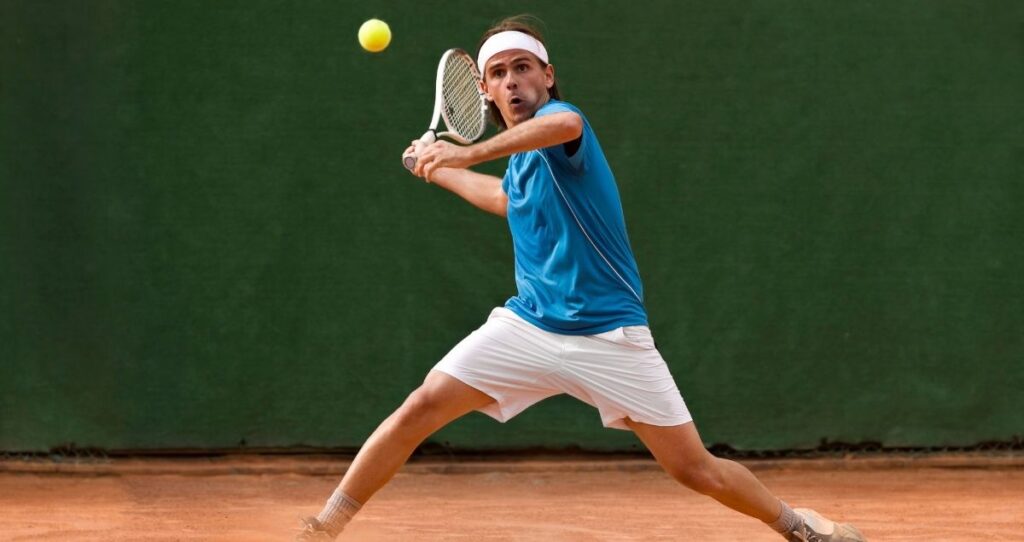
In the electrifying world of tennis, every serve is a calculated symphony of power, precision, and nerve. The difference between a blistering ace and a double fault often hinges on a player’s mental game as much as their physical prowess. As tennis players chase the perfect serve, they discover an unexpected but potent ally: the court wall. Not just a mere backdrop, the wall transforms into a relentless coach, sharpening focus, enhancing muscle memory, and fostering the mental discipline essential to master serve accuracy. From the budding amateur picking up a Wilson racket for the first time, to seasoned pros fine-tuning their Nike or Head gear, the fusion of mental training and on-court wall practice has emerged as a breakthrough strategy by 2025.
Serving against the wall isn’t just about repetitive hitting; it’s a targeted mental exercise that breaks down a player’s serve into manageable pieces, reinforcing confidence and visualization techniques celebrated by elite players utilizing gear from Adidas, Yonex, and Babolat. Alongside physical conditioning drills from Tennis Warehouse’s cutting-edge programs and strategic guidance on court positioning rooted in Prince and Lacoste traditions, mental rehearsal embedded in wall practices accelerates skill acquisition in unprecedented ways. This synergy reflects an evolution where psychology meets technique—how a calm mind, visual precision, and mental resilience unlock the elusive perfection of serve placement and power, turning every match into a battlefield where mental toughness plays match point.
Mental Training Fundamentals for Serve Accuracy Enhancement
Serve accuracy in tennis is far more than mechanical repetition; it’s a cerebral game demanding sharp mental acuity. Players across all skill levels, whether wielding a sleek Babolat or under Armour racquet, recognize that consistent serve success necessitates rigorous mental preparation. Central to this is the practice of visualization—a powerful technique endorsed at Tennis Guide—which allows players to mentally rehearse their serve before hitting the ball. Visualizing the service box, the trajectory, and the exact landing spot transforms abstract hope into confident execution.
Another critical aspect of mental training lies in controlling stress and emotions during matches, a skill honed over steady wall practices that simulate match pressure by demanding continuous focus. This form of psychological conditioning reduces serve anxiety, enabling players to maintain calm under fire, a factor often highlighted by top pros sponsored by Wilson and Head. The wall becomes a silent mentor, reflecting back every error or triumph immediately, guiding players toward a mental resilience that physical drills alone cannot achieve.
Key elements of mental preparation tied to wall practice include:
- Focused Breathing Techniques: Calming the mind pre-serve for optimal concentration.
- Goal Setting: Defining precise serve targets with incremental difficulty enhances motivation—a strategy detailed at Tennis Guide on tennis goals.
- Self-Talk and Positive Reinforcement: Cultivating confidence through constructive inner dialogue.
- Routine Development: Preparing with consistent ritual actions before every serve to trigger focus and reduce distractions.
| Mental Technique | Description | Application Example |
|---|---|---|
| Visualization | Mental rehearsal of serve trajectory and placement | Imagining the ball landing in the exact corner of the service box before the serve |
| Stress Control | Techniques to manage pressure in matches | Applying breathing exercises before serving during wall drills |
| Focused Attention | Maintaining concentration on serve mechanics | Using a wall to simulate rapid returns enhancing reflexes |
This mental framework is the backbone to improving serve consistency, complementing physical regimens available at renowned training hubs such as Tennis Guide physical training and gear innovations from Prince and Adidas that empower players to seamlessly integrate mental toughness with athletic execution.
Harnessing the Wall: Practical Drills to Perfect Serve Placement
The tennis wall transforms mental strategies into muscle memory through practical, high-rep serve drills that demand precision and focus. Brands like Wilson and Head feature prominently in these drills, as their rackets provide the balance and control essential for repeatability. Lining the wall with chalk-drawn targets simulating service boxes challenges players to aim with unflinching accuracy. These targets become visual beacons guiding player intention, essential for building a serve that curves gracefully into precise positions—a skill pivotal in advanced tournament play.
Drills incorporating walls often focus on:
- Target Practice: Drawing multiple serve targets at varying heights and widths on the wall to refine different serve types (flat, slice, kick).
- Repetition with Feedback: Serving continuously against the wall to create a feedback loop where each return spot informs corrections.
- Dynamic Footwork Integration: Moving between target zones to simulate match serve situations, reinforcing foot positioning and balance.
- Serve-Rally Transition Drills: Following a serve and volley movement pattern against the wall to bridge serve accuracy and court control.
| Drill Name | Purpose | Key Focus | Recommended Gear |
|---|---|---|---|
| Chalk Target Serve | Enhance serve placement precision | Aim and control of serve trajectory | Wilson Pro Staff or Babolat Pure Aero |
| Footwork Shuffle | Simulate match serve positioning | Quick repositioning and balance | Head Graphene 360 and Adidas tennis shoes |
| Serve-Volley Wall Drill | Transition from serve to net play | Fast reflexes and shot variety | Prince Textreme and Yonex Ezone |
Emphasizing serve mechanics as you engage in these drills maximizes benefits, especially when integrating visual and kinesthetic feedback cultivated by wall practice. Tuning equipment choices, from the racquet’s tension to the comfort of Under Armour apparel, also plays a crucial role in maintaining sharp serve form and mental poise throughout sessions.
Building Mental Resilience Through Solo Wall Practice
The court wall, steadfast and unforgiving, doubles as a psychological training ground for cultivating mental resilience. Unlike the unpredictability of hitting with a partner or machine, the wall returns every ball faithfully with no distractions or emotional feedback, embodying a patient yet relentless opponent. This dynamic forces players into a mental state of unwavering focus, critical when serving under tournament pressure or tight match conditions.
Solo practice at the wall has these mental benefits:
- Immediate Feedback Loop: The wall returns every serve precisely, letting players instantly gauge serve accuracy and consistency.
- Discipline and Endurance: Solo sessions build stamina and reinforce the habit of deliberate practice, crucial for integrating strategies from competitive mindset training.
- Reduced Performance Anxiety: Playing against a non-judgmental wall fosters courage to attempt challenging serves without fear of criticism.
- Confidence Building: Successive successful serves against the wall amplify a player’s self-assurance ahead of real match situations.
| Benefit | Description | Match Impact |
|---|---|---|
| Consistent Precision | Regular serve accuracy through repetition | Higher first-serve percentages under pressure |
| Mental Endurance | Extended focus during long matches | Better recovery and strategic shot selection |
| Anxiety Control | Less stress from competitive scrutiny | More relaxed serving and gameplay |
| Self-Confidence | Trust in one’s own skill set | Willingness to attack serves aggressively |
The solitary nature of wall training aligns perfectly with the multi-layered mental toughness required by players donning gear from Lacoste or Under Armour, equipping them with the psychological armor needed for high-stakes competition.
Overcoming Limitations: Combining Wall Practice with Live Play for Optimal Results
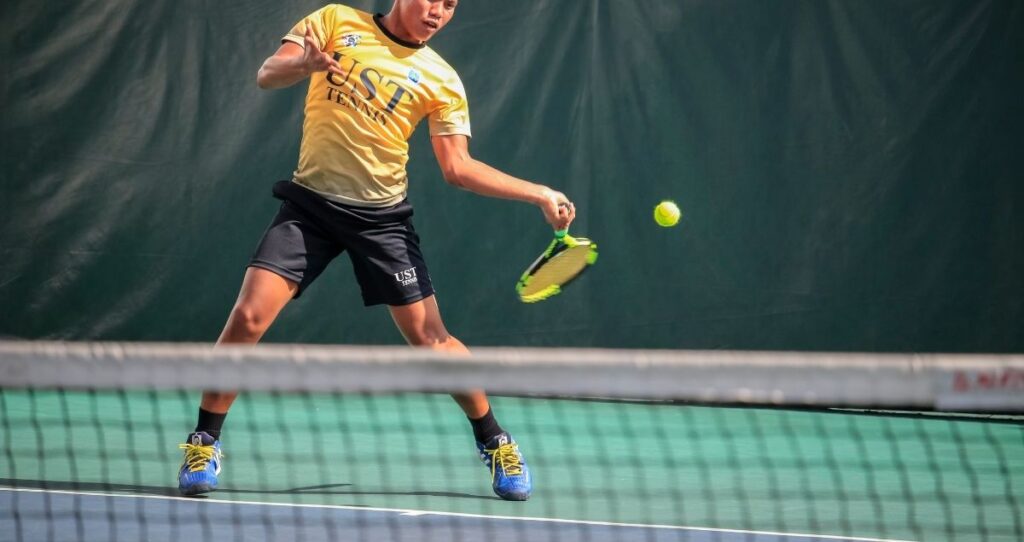
No training method stands alone when perfection is the goal. While the wall sharpens fundamental serve mechanics and mental acuity, it lacks the variability and unpredictability of a live opponent. Elite players sponsored by Nike or Yonex acknowledge the wall’s limitations and advocate mixing its use with traditional drills and competitive matches to cultivate adaptive skills.
Key challenges and solutions include:
- Limitation: The wall returns shots with consistent topspin and predictable bounce, which differs from real match spins.
Solution: Incorporate ball machine sessions or practice with partners who vary shot spins and speeds to counterbalance this predictability. - Limitation: The absence of pressure from a responsive opponent fails to replicate match intensity.
Solution: Pair wall drills with simulated match play and mindset training—resources found at Tennis Guide training. - Limitation: Poor simulation of court movement patterns especially in singles.
Solution: Integrate footwork drills like those emphasized by Tennis Warehouse’s court conditioning programs alongside wall practice.
| Wall Limitation | Impact on Player | Mitigation Strategy |
|---|---|---|
| Predictable Spin and Bounce | Reduced adaptability to real-game variability | Ball machines and partner drills augment training |
| Missing Opponent Pressure | Limited development of mental toughness | Simulated competitive scenarios and mindset training |
| Lack of Dynamic Movement Practice | Insufficient footwork conditioning | Integration of specialized footwork exercises |
Blending these training means ensures players equipped with the latest Wilson, Prince, and Adidas gear not only develop precise serves but also acquire the adaptive intelligence and tactical awareness vital to dominate the court.
Frequently Asked Questions about Mental Training and Wall Practice
- Can practicing serves against a wall really improve match-day serve accuracy?
Absolutely. The wall offers immediate feedback and builds muscle memory, key elements for transferring skills to match situations. Coupled with mental training techniques, this practice reinforces serve confidence and precision. - Is wall practice suitable for beginners, or should they start with a partner or coach?
Beginners can greatly benefit from wall practice because it helps develop fundamental timing, eye-hand coordination, and consistency. However, combining wall sessions with coaching enhances technique and prevents ingraining poor habits. - How can mental visualization be integrated with wall serve drills?
Players should actively imagine the ideal serve trajectory and target zones before each serve. Incorporating visualization into each wall drill session sharpens focus and reinforces positive neural pathways. - What gear brands support effective serve training with wall practice?
Leading tennis brands such as Nike, Wilson, Head, Babolat, Prince, Adidas, Yonex, Lacoste, and Under Armour provide rackets, apparel, and accessories conducive to comfortable and performance-enhancing practices. - How often should players include wall serve practice in their training routine?
Regular sessions, at least 2-3 times per week, striking a balance with live play and physical conditioning, optimize serve accuracy improvements and mental conditioning as outlined at Tennis Guide’s improvement strategies.