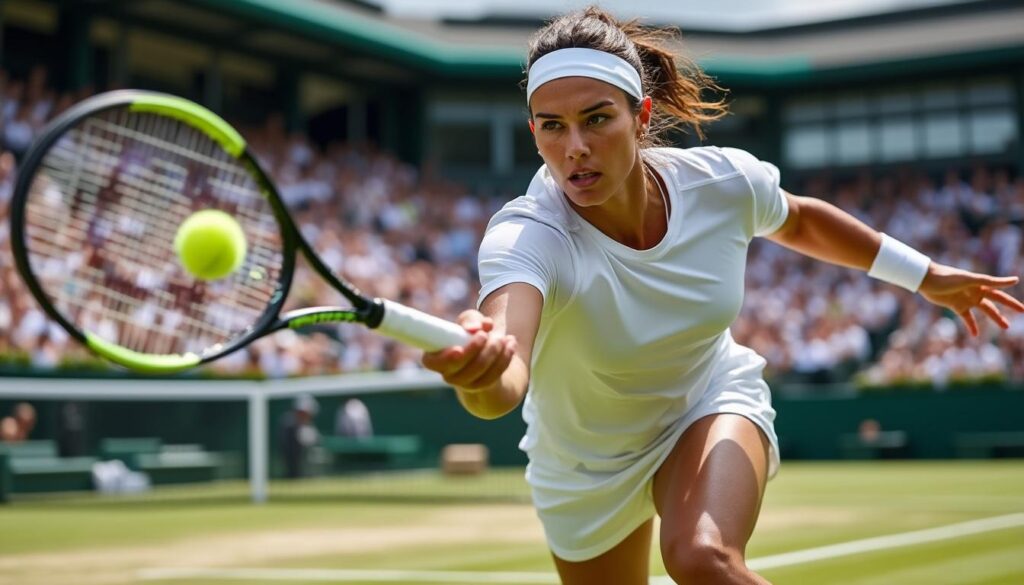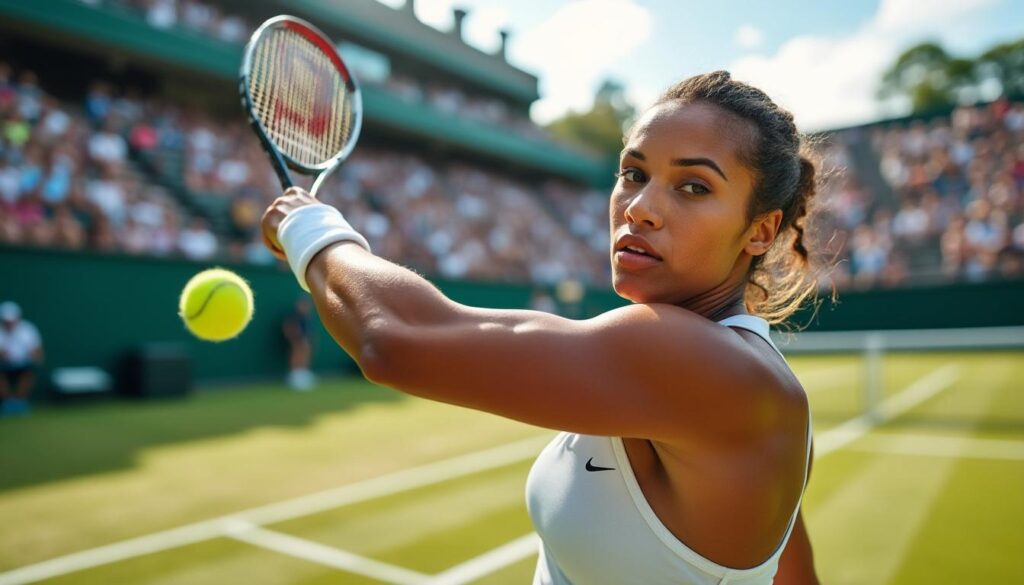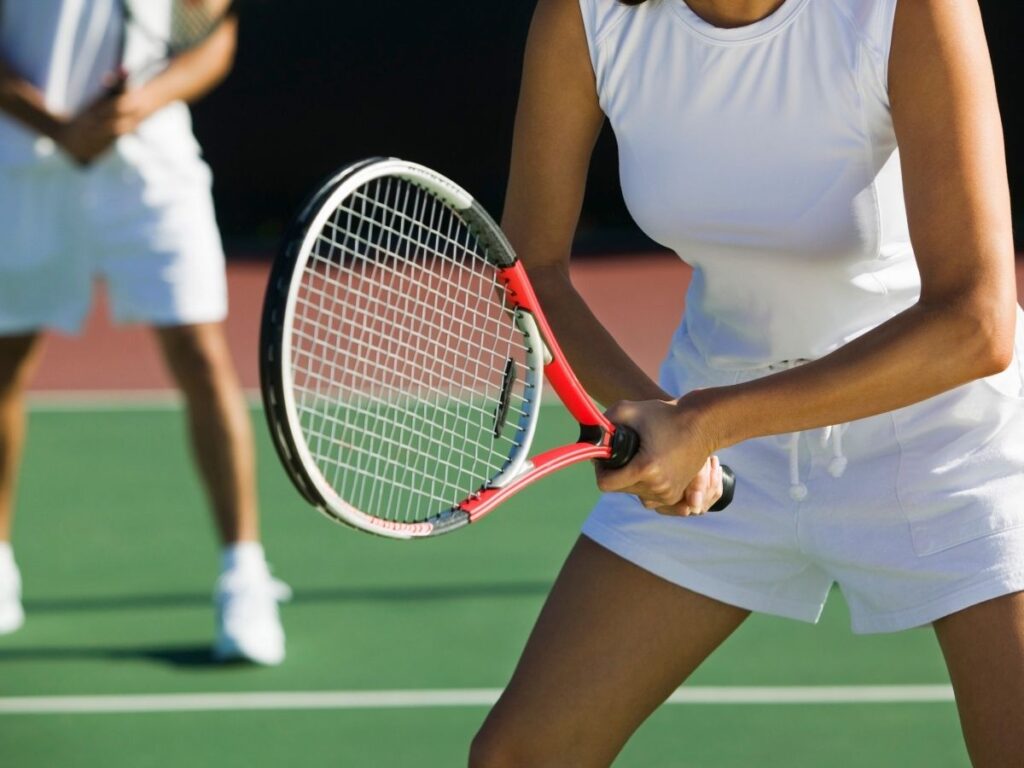
Tennis tie-breaks are where champions are forged and nerves are tested to their limits. The intense pressure of these moments—where every point feels like a mountain climb and the margin for error vanishes—can daunt even seasoned players. Yet mastering this pressure is vital to elevating performance from good to legendary. Simulating the exact atmosphere of tie-break pressure in practice is not merely a training exercise; it’s a mental and physical crucible that prepares players to conquer pivotal moments on the court. By cultivating resilience through tailored drills and strategic scenarios, players transform anxiety into focused aggression, tension into laser-sharp concentration. The path to clutch performance in tie-breaks demands deliberate practice under pressure, where swing consistency, tactical acumen, and mental toughness meld seamlessly. This guide delves deep into effective methods to simulate tie-break intensity during practice—equipping tennis enthusiasts and competitors alike with tools to face match-deciding points with unwavering confidence and poise.
Building Realistic Tie-Break Pressure Simulations in Tennis Practice
Cultivating the ability to perform under tie-break pressure starts with replicating the unique intensity of these decisive game scenarios during practice. Unlike regular games, tie-breaks demand an elevated level of mental stamina, clutch shot execution, and strategic precision. Here’s how players and coaches can construct practice routines that mirror the pressure cooker environment of tie-breaks:
- Set Clear, High-Stakes Objectives: Implement practice matches or drills where every point counts towards a tangible reward or consequence. For example, players might earn points towards a prize or must perform a penalty exercise on errors.
- Use Point-Based Tie-Break Formats: Instead of traditional games, organize mini tie-breaks (first to 7 points with a 2-point lead), ensuring players experience the shifting momentum and urgency.
- Introduce Time Pressures: Encourage players to complete points or serve within a compressed time frame, simulating the adrenaline spike of match-critical moments.
- Simulate Crowd and Environmental Pressure: Harness the energy of teammates, coaches, or recorded crowd noise via technology platforms like PlaySight or Tennis Channel videos, allowing players to get accustomed to distractions.
- Track Performance Metrics Real-Time: Use devices from brands like Wilson, Babolat, or HEAD Tennis equipped with sensors to monitor first serve percentages, unforced errors, and winners under simulated pressure to provide objective feedback.
By designing practice drills with these components, players not only improve technical execution but also forge the psychological habit of thriving under tie-break duress. Importantly, these methods fuel breakthroughs seen among professional athletes, who regularly compete with the support of tools like Tennis Warehouse for gear and Tennis Mentor for focused mental training approaches. Incorporating variable pressure drills heightens adaptability, allowing players to seamlessly transition from routine sets to the crucible of tie-break play.
| Practice Element | Purpose | Example |
|---|---|---|
| High-Stakes Point Drill | Simulate match pressure by attaching rewards or penalties to each point | Players must make 5 consecutive serves within a target area or perform push-ups |
| Mini Tie-Break Matches | Replicate tie-break scoring and momentum | First to 7 points, two point lead; coach acts as umpire |
| Time-Constrained Shot Execution | Generate adrenaline and quick decision-making | Serve or return within 10 seconds after the previous point |
| Environmental Distraction Simulation | Build focus amidst noise and distractions | Play with crowd noises via audio or teammates cheering |
| Performance Data Tracking | Offer objective feedback on pressure shot execution | Use PlaySight video and sensor data to analyze serve speed and accuracy |
Integrating these focused pressure elements into practice creates a robust foundation for replicating the nerve-wracking dynamics witnessed during legendary tie-breaks at Grand Slams or ATP/WTA finals. As one examines phenoms discussed in the Tennis Channel and TopCourt or follows the careers of stars like those featured on https://tennisguide.net/iga-swiatek-title-chase/, the common denominator is relentless practice of high-pressure scenarios that transform talent into triumph.

Using Breathing and Physical Conditioning to Manage Tie-Break Stress
Pressure in a tie-break doesn’t just test a player’s shot-making—it actively challenges their physiological responses. Elevated heart rates and tightening muscles can sabotage the smooth strokes needed during these critical moments. Thus, mastering breathing techniques and physical conditioning are paramount components of practicing tie-break pressure.
Breathing Techniques for Stress Control: Players can adopt focused breathing strategies such as box breathing or diaphragmatic breathing to anchor themselves before each crucial point. For example, using the box breathing method (inhaling for four seconds, holding for four, exhaling for four, and holding again for four) quickly reduces anxiety and helps regain composure before stepping up to serve or return.
Physical Conditioning That Mimics Pressure Scenarios: Drawing inspiration from drills like golf suicides—run-sprint combination drills that push heart rate and force rapid ball strike—tennis players can incorporate dynamic movements between points. This not only replicates the elevated physical demand during long rallies but also acclimates the body to perform under physical stress.
- Incorporate sprinting or jumping jacks between serves or points to raise heart rate deliberately.
- Practice hitting shots within a short window post-physical exertion simulating intense tie-break moments.
- Recognize and monitor physical tension using self-awareness drills where players consciously contract and relax muscles to maintain ideal swing fluidity.
By combining these physiological drills with mental training, players convert tension into controlled energy, facilitating sharper decision-making and smoother strokes. Accessory brands like Nike Tennis emphasize the importance of tailored athletic wear that supports optimal movement and breathing efficiency, adding a layer of performance enhancement. Additionally, players leveraging technologies such as PlaySight provide valuable biometric feedback, enabling refinement of these practices to individual needs.
Applying Game-Specific Scenarios to Elevate Tie-Break Practice
Embedding specificity into practice drills enhances the transfer of skills to competitive match situations notably. Replicating moments where players must harness clutch performance during tie-breaks is crucial for tournament readiness.
Consider the following scenario-based drills tailored for tie-break mastery:
- Pressure Serve Simulation: Practice first serves with consequences for misses. For example, players attempt a series of serves with a target count to hit, where failure triggers physical or mental challenges like sprinting or target visualization resets.
- Match Point Retention Drills: Simulate scenarios where players start practice points down match point and work on aggressive, composed returns or serves to generate comebacks.
- Transitioning from Baseline to Net Under Pressure: Replicate tactics players employ in tie-breaks, including unexpected forays to the net to capitalize on opponent pressure, demanding sharp footwork and timing.
- Shot Selection Under Duress: Integrate decision-making drills where players choose shot types based on score, opponent tendencies, and environmental factors, mirroring the rapid choices required in tight tie-breaks.
These drills mimic the decision density of professional matches broadcast on Tennis Channel and serve as valuable preparation for players gazing at titles like those chronicled in https://tennisguide.net/jabeur-injury-dubai-muchova/ or https://tennisguide.net/sinner-fritz-cincinnati-quarterfinal/. The strategic use of brands like HEAD Tennis and Babolat rackets during these drills reinforces the technical assurance needed to execute under fire.
| Scenario Drill | Objective | Suggested Equipment |
|---|---|---|
| Pressure Serve Simulation | Enhance first serve accuracy and mental tenacity | Wilson Pro Staff or Babolat Pure Aero, target cones |
| Match Point Comeback | Build resilience and clutch shot-making | HEAD Tennis racquets, Tennis Warehouse courts |
| Baseline-to-Net Transition | Improve tactical versatility under pressure | Nike Tennis footwear, quick-step agility ladders |
| Shot Selection Drills | Train rapid decision-making | PlaySight feedback system, TopCourt tactical analysis |
By embedding these game-tailored scenarios within training, players acclimate not just to pressure but also to the strategic complexity of tie-breaks. This holistic approach enhances the probability of clinching those nail-biting final points.
Leveraging Technology and Analytics to Quantify Tie-Break Pressure Performance
The advent of technology in tennis has revolutionized practice, enabling players to quantify and dissect every stroke, serve, and sprint. Simulating tie-break pressure now also demands data-driven feedback to track progress and identify weaknesses when the stakes are highest.
Modern tennis tools and platforms play pivotal roles:
- PlaySight Smart Courts: Provide video analytics, real-time metrics, and pressure simulation environments that mimic tournament conditions, crucial for tie-break readiness.
- Wearable Sensors from Wilson and Babolat: Monitor heart rate variability, stroke mechanics, and fatigue markers to assess when performance under pressure wanes.
- Tennis Warehouse and Tennis Mentor Software: Offer tailored drills with adaptive difficulty, ensuring players continually challenge themselves in pressure situations.
- TopCourt Tactical Sessions: Analyze professional tie-break patterns and decision-making, offering strategic insights to incorporate into personal practice.
By integrating these technologies, players can simulate pressure scenarios with scientific accuracy and more profound mental insight. Tracking progression through metrics such as serve speed consistency or unforced error rates during tie-break drills bridges the gap between practice and high-stakes competition. Additionally, platforms like USTA’s development programs increasingly feature these tools to elevate grassroots pressure handling skills, creating a pipeline of mentally tough athletes.
| Technology Tool | Function | Pressure Simulation Benefit |
|---|---|---|
| PlaySight Smart Courts | Video analytics and real-time feedback | Replicates tournament distractions and scoring pressure |
| Wilson/Babolat Sensors | Biometric and performance tracking | Monitors physiological responses to pressure |
| Tennis Warehouse Drills | Adaptive practice modules | Challenges mental resilience progressively |
| TopCourt Tactical Analysis | Professional match pattern breakdowns | Improves strategic pressure play knowledge |
Refined by metrics, practice becomes a laboratory of pressure simulation, finely tuned to a player’s evolving threshold. The regular integration of these smart tools is becoming a staple for professionals preparing for epitomic moments akin to those documented in recent tour battles, including events shared on Tennis Channel or insights found at https://tennisguide.net/indian-wells-final-highlights/ and https://tennisguide.net/improve-tennis-training/improve-tennis-skills-video/.

Fostering Mental Resilience to Thrive in Tie-Break Pressure Situations
Technical skill alone cannot secure victory in tie-breaks—mental resilience often spells the difference between triumph and heartbreak. Building a mindset that embraces pressure as a motivator rather than a threat is essential. Here are key strategies to develop mental fortitude during practice:
- Visualization Techniques: Players rehearse successful tie-break scenarios in their minds, vividly experiencing the sensory details and emotional triumph.
- Pre-Point Routines: Consistent rituals before every serve or return help focus attention and anchor calmness; for example, spinning the racquet or bouncing the ball a set number of times.
- Reframing Anxiety as Excitement: Cognitive shifts from negative stress to positive arousal empower players to harness adrenaline productively.
- Progressive Exposure: Gradually increasing the pressure level in practice—from friendly matches to competitive simulations—builds tolerance and confidence.
- Mindfulness and Breathing Integration: Techniques that foster present awareness reduce distractions from negative thoughts during high-pressure moments.
Such mental conditioning is frequently spotlighted by elite coaches and showcased on platforms like Tennis Mentor and TopCourt, where psychological prep guides complement physical drills. The careers of players overcoming adversity, for instance detailed at https://tennisguide.net/nadal-return-three-set-win/ or https://tennisguide.net/sabalenka-us-open-semis/, underscore the paramount role of mental strength.
Structured mental training woven into pressure simulation drills engenders composure, grit, and an unwavering competitive edge. In turn, this leads players to seize crucial points rather than succumb to them.