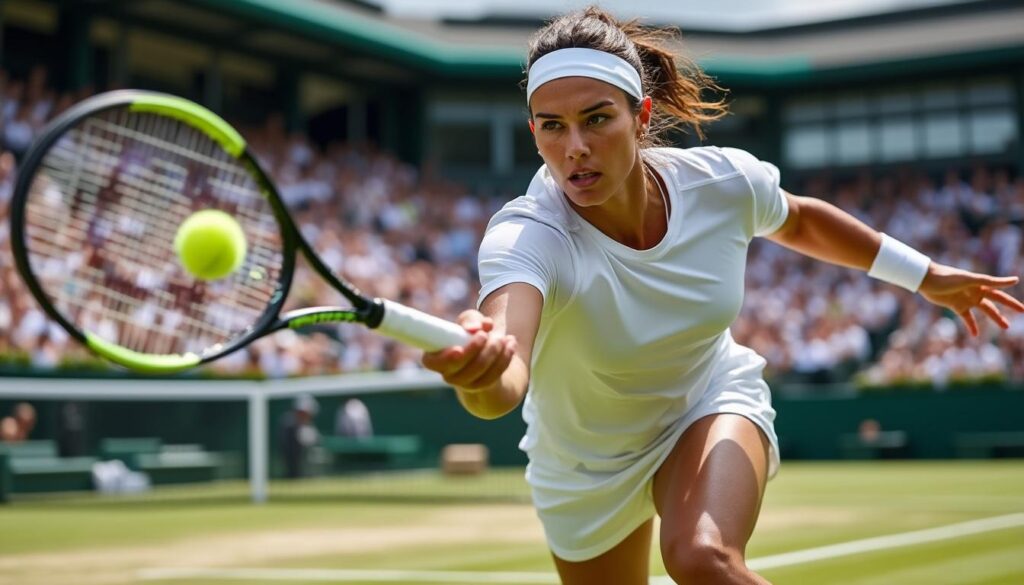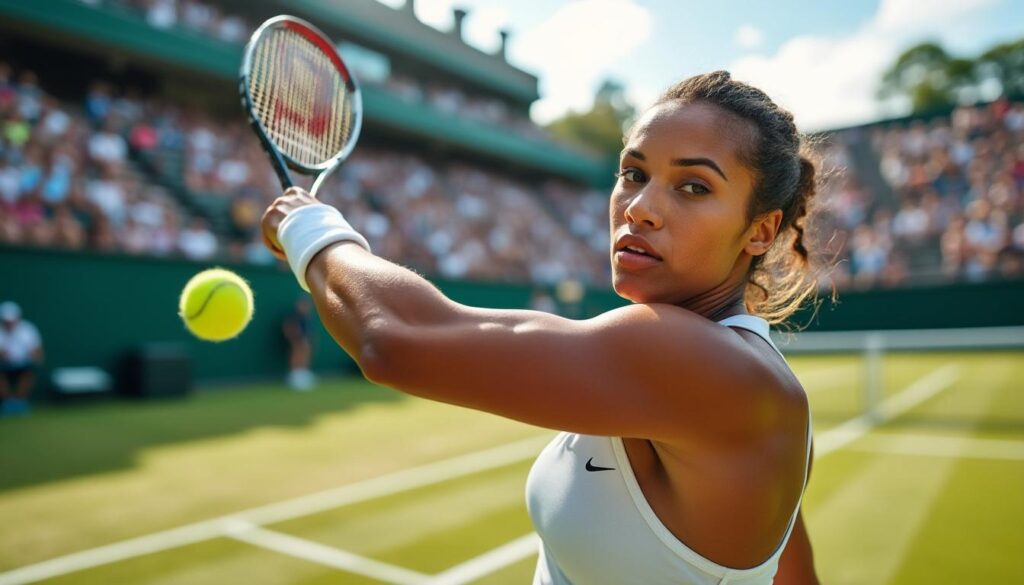
Serena Williams is not just a tennis legend; she is an embodiment of power, precision, and relentless dedication. For everyday players, her training regimen might seem intimidating at first glance, but it holds invaluable lessons on how to merge strength, agility, and mental toughness into a practical and effective routine. Adapting Serena’s professional approach for amateur players involves understanding the key elements of her workouts, her dietary balance, and her injury-prevention strategies—all of which contribute to one of the most remarkable athletic careers in tennis history.
Everyday tennis enthusiasts can learn to harness the fundamental principles behind Serena’s training without needing the intense schedules or professional-level equipment. The magic lies in consistency, functional training, and listening to your body—a philosophy Serena adopted throughout her years on tour to stay in peak form. Coupled with the right gear from brands like Nike, Wilson, and Under Armour, and recovery tools such as the Theragun, her daily routine offers a blueprint for longevity, power, and grace on the court.
From her strength-building sessions focused on arms, legs, and core to her strategic cardio and HIIT workouts designed for stamina and injury prevention, Serena’s routines can be broken down into flexible programs suitable for players at all levels. Her diet, predominantly raw and vegan during the season, combined with supplements like multivitamins and protein shakes, contributes substantially to energy maintenance and recovery.
With simplified variations of Serena’s exercises, access to modern fitness analytics for smarter training, and a focus on mental toughness as outlined at tennisguide.net, amateur players can elevate their game while forging a healthier lifestyle. Moreover, incorporating some elements from Serena’s recovery and mobility strategies, supported by hydration solutions such as Hydro Flask bottles, further enhances physical readiness and endurance.
Serena Williams’ training routine is not just about mimicry; it’s a masterclass on adapting elite techniques to suit personal goals and capabilities. For those eager to transform their tennis experience and overall fitness, her regimen stands as an inspiring and actionable roadmap.
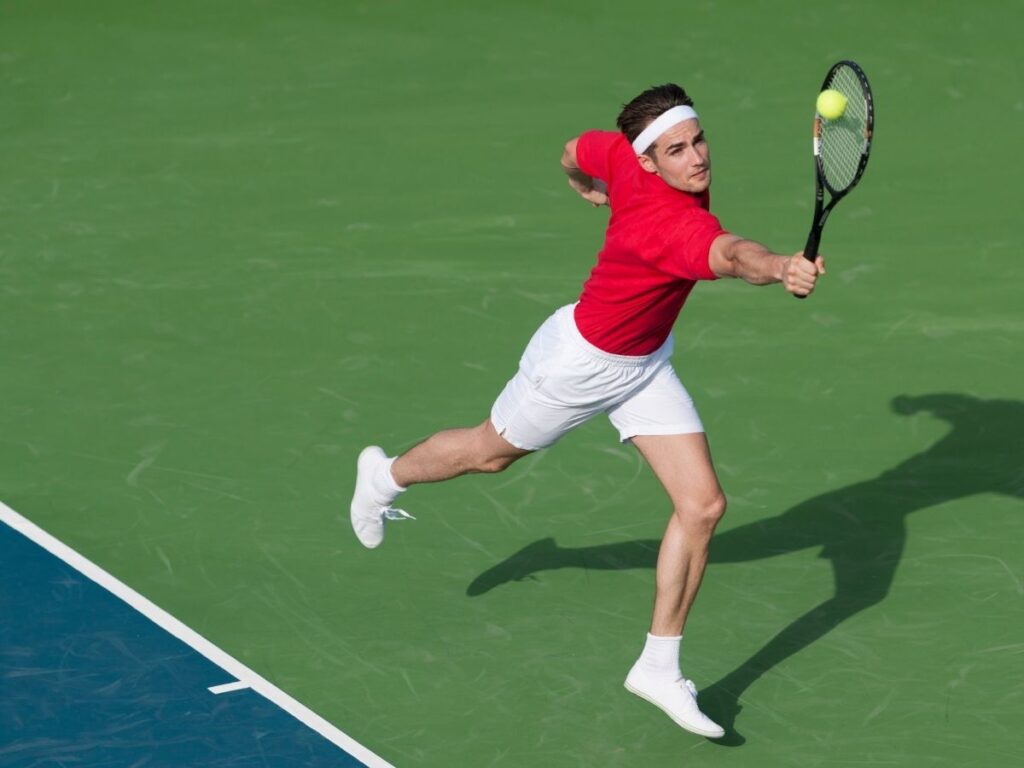
Transforming Serena Williams’ Arm and Core Workouts for Everyday Tennis Players
Serena Williams’ formidable arm strength and core stability are central to her explosive power and control on the tennis court. While professional sessions are rigorous, the foundational exercises are accessible with slight modifications for regular players. A routine inspired by Serena’s arm workouts can dramatically improve stroke power, injury resilience, and overall agility.
Her arm workout typically involves high-intensity repetitions such as rolling knee tucks, plank rows, fitness ball transfers, and resistance band hip extensions—all targeting muscle strength, stability, and endurance. For amateurs, performing controlled sets with manageable resistance bands or bodyweight exercises simulates these effects effectively.
- Rolling Knee Tucks: Enhances abdominal and hip flexor strength, which is crucial for balanced, explosive movements.
- Plank Rows: Builds upper back and arm strength, supporting strokes and improving posture.
- Fitness Ball Transfers: Engage the core and hand-eye coordination—skills transferable to dynamic tennis movements.
- Resistance Band Hip Extensions: Strengthens glutes and stabilizes hips, which aids in lateral court movement.
Players can perform each movement for 3-4 sets of 12 repetitions, resting briefly between sets, gradually increasing intensity as fitness improves. Using approachable equipment like resistance bands or even household items allows for convenient home workouts without access to a gym.
In tandem with arm exercises, Serena emphasizes her core and lower body regimen to maintain impeccable balance and power generation. Bicycle crunches, leg crunches (both horizontal and vertical), pillar holds, dumbbell walking lunges, and step-ups develop the stabilizing muscles essential for tennis agility.
Here’s an adapted core and leg workout checklist inspired by Serena’s protocol:
- Bicycle Crunches (3 sets of 15–20 reps)
- Leg Crunches (horizontal then vertical, 3 sets of 12)
- Pillar Holds (Planks, holding for 30–45 seconds, 3-4 sets)
- Dumbbell Walking Lunges (or bodyweight lunges, 3 sets of 12 each leg)
- Dumbbell Step-Ups (or stair step-ups, 3 sets of 10-12)
This strength foundation paves the way for amplified serve speeds and superior court coverage, traits Serena exhibits with commanding precision. Notably, integrating smart training analytics, like the solutions described at tennisguide.net, helps amateurs track progress, identify weak points, and optimize their routines further.

Adapting Serena’s Booty and Lower Body Workout for Enhanced Court Movement
One of Serena Williams’ signature strengths lies in her powerful lower body, which generates vigorous lateral sprints, explosive courtside stops, and relentless endurance. Serena’s tailored workout heavily features barbell pause squats, front squats, and box squats, each performed in 5 sets of 12 repetitions. However, such weights and volumes might overtax daily players.
Everyday players can replicate the fundamental benefits of these movements using body-weight exercises enhanced by resistance bands or lighter weights. Squat variations form the cornerstone for improved leg strength, glute activation, and injury prevention. Real-life court performance depends on being able to stop, start, and shift directions repeatedly without risking knees or back.
Here is a wholesome list of adapted exercises to upgrade your lower body routine:
- Bodyweight Pause Squat: Pause for 2-3 seconds at the bottom to strengthen control and build muscular endurance.
- Resistance Band Front Squat: Use bands to simulate front-loading weight, focusing on upright posture and quad engagement.
- Step-Back Lunges: Mimic court movements, strengthening hamstrings, quads, and stabilizers.
- Box Squats with Medicine Ball: Sit back to a box gently holding a medicine ball to emphasize glute recruitment.
- Lateral Skater Hops: Improve explosive side-to-side mobility and balance for volley positioning.
| Exercise | Sets | Repetitions | Benefit |
|---|---|---|---|
| Bodyweight Pause Squat | 3-4 | 12-15 | Leg strength, muscle endurance |
| Resistance Band Front Squat | 3 | 10-12 | Quad activation, posture control |
| Step-Back Lunges | 3 | 12 per leg | Court movement simulation |
| Box Squats with Medicine Ball | 3 | 10-12 | Glute recruitment, balance |
| Lateral Skater Hops | 3 | 20 reps | Explosive lateral speed |
Incorporating these movements a few times per week provides a robust shield against common tennis injuries such as ACL strains, a common setback even elite players contend with. Furthermore, prepping the knees and hips adequately echoes Serena’s own careful approach, using elliptical machines and light cardio to protect her joint health in the long term.
Cardiovascular Conditioning: Balancing Serena Williams’ Agility Training with Everyday Demands
Cardio is the backbone of Serena Williams’ endurance. Recognizing her knees bear the brunt of years on tour, Serena employs a strategic blend of running, elliptical workouts, and walks to maintain heart health and agility without aggravating existing wear. For recreational players, the focus should be on balancing intensity at sustainable levels that boost endurance while minimizing injury risk.
High-Intensity Interval Training (HIIT) infuses cardiovascular training with bursts of explosive power, much like in Serena’s routine and ideated in resources such as tennisguide.net. Short sprints, shuttle runs, and net approach drills infused with recovery periods dramatically improve both anaerobic and aerobic capacity, dramatically benefitting court stamina.
A balanced cardio workout plan tailored for non-professionals includes:
- Dynamic warm-up: jogging, skipping ropes, and mobility stretches for 10 minutes.
- HIIT Circuit: 20-second sprints or quick footwork drills, 40-second rest, repeat for 15-20 minutes.
- Low-impact steady-state cardio: 20-30 minutes on elliptical or brisk walking for knee joint protection.
- Recovery and flexibility: thorough stretching and foam rolling post-cardio, aiding in muscle recovery.
Integrating cardio elements builds the endurance needed to sustain aggressive baseline rallies or aggressive net play during multi-hour matches—mirroring Serena’s commitment to maintaining peak conditioning. Modern fitness wearables, like Fitbit and the Peloton bike, can help amateurs structure and monitor their efforts for long-term progression.
Crafting a Sustainable Nutrition and Supplement Plan Inspired by Serena Williams’ Diet
Serena Williams’ nutrition strategy plays an outsized role in her on-court success and recovery. Throughout the tennis season, she adheres mainly to a raw and vegan diet, emphasizing lentils, nuts, sprouted quinoa, and beans for vital nutrients. For everyday players, adapting some of these principles helps increase energy, reduce inflammation, and speed recovery.
Here’s a simplified breakdown of Serena’s daily eating approach beneficial to amateur players:
- Breakfast: Strawberry oats with almond butter to kickstart metabolism and provide lasting energy.
- Morning Snack: Whole-grain toast with peanut or almond butter and fresh fruits to maintain blood sugar.
- Lunch: A nutrient-rich salad with spinach, tomatoes, mandarin oranges, and almonds dressed lightly with lemon juice.
- Afternoon Snack: Protein-rich options such as grilled chicken (for non-vegans) or nutrient-dense plant beverages like matcha green tea.
- Dinner: Brown rice with chia seeds, hemp protein, and a medley of fresh vegetables offering balanced macronutrients for recovery.
Incorporating supplements supports the dietary framework by promoting immune health, antioxidant defense, and muscle repair. Serena’s selection includes:
- Oregano oil and garlic: Antioxidant-rich and protective against infections and inflammation.
- Protein shakes: Aid muscle synthesis and enhance post-workout recovery.
- Multivitamins: Bridge nutritional gaps and support overall wellness.
| Supplement | Main Benefit | Reason to Consider |
|---|---|---|
| Oregano Oil and Garlic | Antiviral and immune support | Fights common illnesses and supports energy levels |
| Protein Shake | Muscle repair and growth | Promotes faster recovery, aids fat loss |
| Multivitamins | Nutritional completeness | Supports heart, eye health, cognitive function |
Balancing hydration also plays a crucial role. Using products like the Hydro Flask water bottles ensures constant replenishment, vital for players during intense training or match play. Coupling proper nutrition with recovery technologies from brands like Beats by Dre (for mental focus through music) and Lululemon (for comfortable training wear) equips players with holistic preparation for performance.
Implementing Recovery and Injury Prevention Techniques Inspired by Serena’s Routine
Longevity in tennis is not solely about training hard but also about smart recovery, a fundamental aspect of Serena Williams’ longevity on the court. Years of rigorous play have taught her the value of protecting her joints, particularly her knees, through tailored mobility workouts, rest, and technologies.
Using recovery tools such as the Theragun for muscle relaxation and self-myofascial release can prevent overuse injuries and improve blood flow. Serena complements this with careful warm-ups and stretching, which amateurs can emulate to lower muscle stiffness and improve range of motion.
Recommended recovery and injury prevention practices include:
- Post-match foam rolling to relieve muscle tightness (see techniques here).
- Regular use of elliptical training or swimming days to reduce impact on joints.
- Consistency in dynamic stretching focused on key tennis muscle groups.
- Mental recovery, balancing physical exertion with focus-building exercises outlined at tennisguide.net.
Serena’s approach embodies a balance between effort and mindfulness, with structured rest days that respect the body’s limits while priming it for future exertion. For the everyday player eager to avoid chronic injuries, integrating recovery routines and monitoring physical load through tools such as Fitbit or Peloton smart devices promotes sustainable progress and a long-lasting tennis journey.