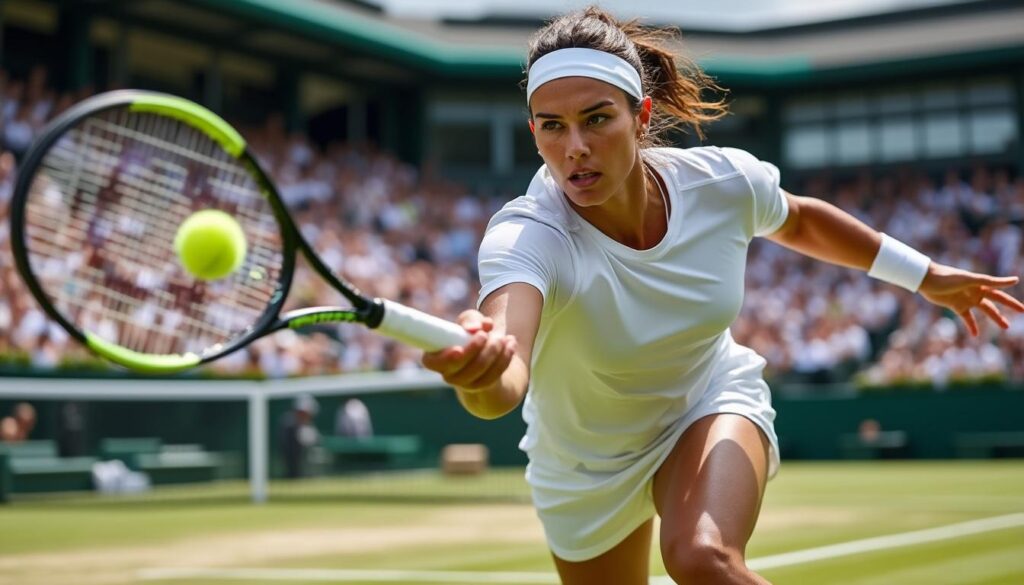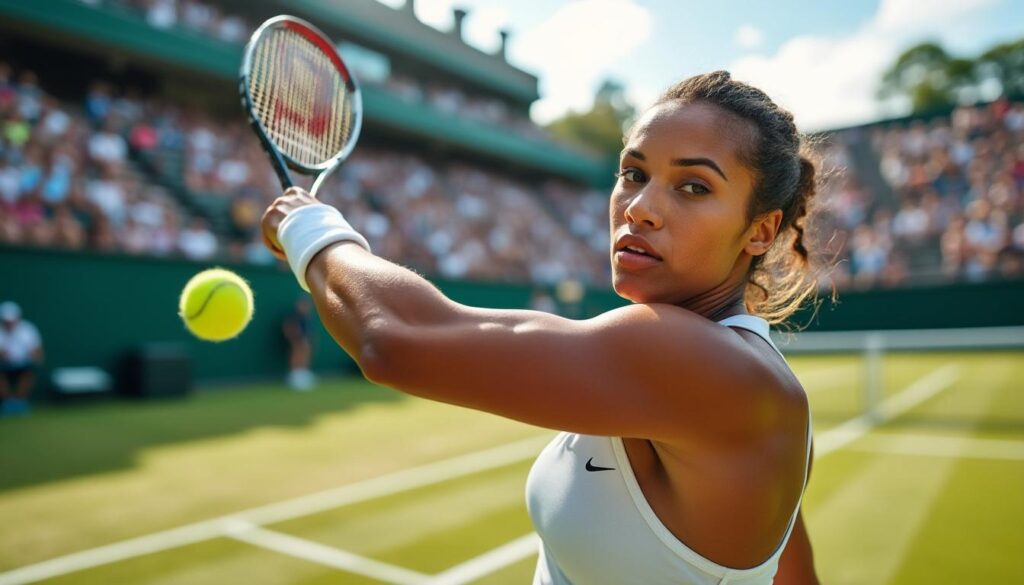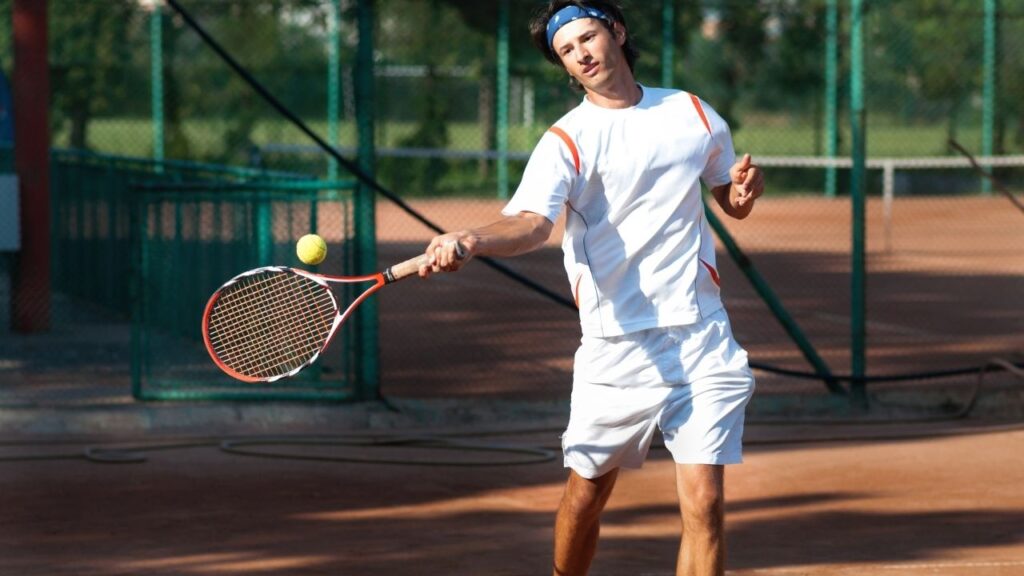
Setting training goals finely tuned to the performance targets of a major tournament like the Japan Open is an art that blends strategic planning, physical conditioning, mental mastery, and adaptive skill enhancement. For players eyeing success in Tokyo’s prestigious courts, aligning day-to-day practice regimes with long-term competitive objectives is crucial. The Japan Open, a highlight of the professional tennis calendar, demands athletes to not only demonstrate technical brilliance but also exhibit endurance, tactical acumen, and psychological resilience under pressure. Achieving peak performance at this event means shaping training with a laser focus on both individual weaknesses and game-specific strengths, guided by clear metrics and ongoing assessment.
From beginners figuring out the essentials of stroke production to seasoned pros perfecting high-stakes serve accuracy, the pathway to Japan Open glory starts with concrete, actionable goals. The significance of equipment choice — whether Asics running shoes providing court agility or Yonex rackets enhancing shot control — becomes evident as players tailor their gear and drills strategically. Furthermore, the mental aspect, including concentration routines and confidence-building strategies, cannot be overlooked in this multifaceted preparation. In the evolving landscape of tennis training, integrating data-driven insights and time-tested methodologies offers a winning formula that connects foundational skills with elite tournament ambitions.
Tennis enthusiasts and professionals keen on mastering their Japan Open aspirations find themselves navigating a landscape rich with resources, from specialized conditioning programs to video breakdowns of previous tournament highlights. The ability to cascade broad performance goals into daily practice schedules is at the heart of this journey, revealing how consistent, focused effort translates into memorable on-court moments. This article explores the vital elements of aligning training with Japan Open performance aspirations, weaving technical guidance, anecdotal examples, and holistic development approaches into a comprehensive narrative.
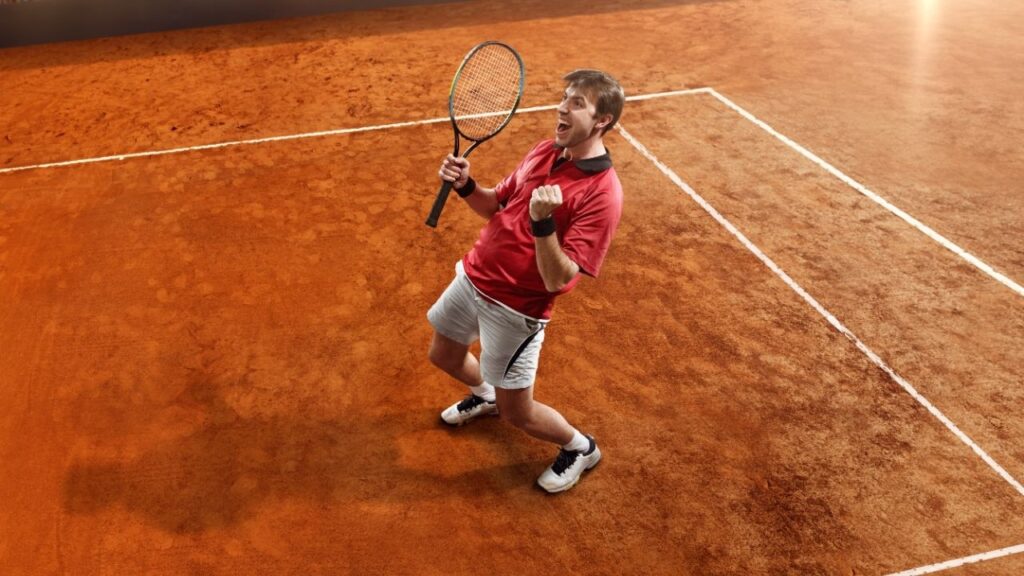
Strategically Designing Training Goals to Match Japan Open Competitive Demands
Success at the Japan Open is reserved for those who meticulously map out their training goals to harmonize with the unique challenges the tournament presents. This event demands a fusion of dynamic baseline rallies, precision net play, and relentless physical endurance, making it crucial that aging traditional methods pivot towards methodologies rooted in adaptability and strategic clarity. Structuring training goals means first dissecting the tournament’s core demands and then framing objectives that cater to these specific areas.
Competitive performance objectives should break down into sub-categories such as strength, agility, tactical awareness, and technical fluency. For instance, targeting improvement in serve accuracy can rely on drills tailored specifically to the tournament’s pace and surface characteristics. Utilizing resources such as serve accuracy training allows players to sharpen this critical weapon. Additionally, considering how various footwear like Asics or Mizuno provide traction on particular court types can impact lateral quickness drills and overall movement patterns.
Setting goals that emphasize recovery and injury prevention is equally paramount. The intensive match play at the Japan Open necessitates a regimen that balances exertion with resilience-building practices like post-match foam rolling and shoulder stability circuits, detailed extensively in recovery and injury prevention guides. Without such recovery-oriented goals, players risk burnout and compromised performance.
| Training Focus Area | Japan Open Performance Goal | Training Goal Example | Recommended Equipment |
|---|---|---|---|
| Serve & Return Accuracy | Increase first-serve success rate to 70% | Perform targeted serving drills 3x weekly, focusing on placement and speed control | Nike tennis shoes, Yonex rackets |
| Endurance & Agility | Complete matches without significant drop in speed | Incorporate high-intensity interval training (HIIT) sessions twice per week | Asics court shoes, Mizuno performance apparel |
| Mental Focus & Resilience | Maintain concentration for entire match duration | Practice mindfulness and visualization exercises daily | Under Armour breathable gear |
| Shot Precision & Placement | Execute over 60% forehand winners | Engage in aim-based drills emphasizing directional control | New Balance tennis wear, Adidas grip-enhanced gloves |
- Analyze past Japan Open matches to identify key tactical adjustments.
- Use surface-specific footwork drills to adapt to court textures and speed.
- Implement a schedule balancing physical conditioning with technical refinement.
- Monitor physiological data to prevent overtraining and maximize recovery.
Integrating such focused and measurable goals forms a roadmap where each practice session inches the athlete closer to their Japan Open aspirations. The harmony between sport science, strategic goal setting, and high-quality equipment—such as Puma or Speedo accessories enhancing hydration and comfort—creates an environment conducive to excellence.
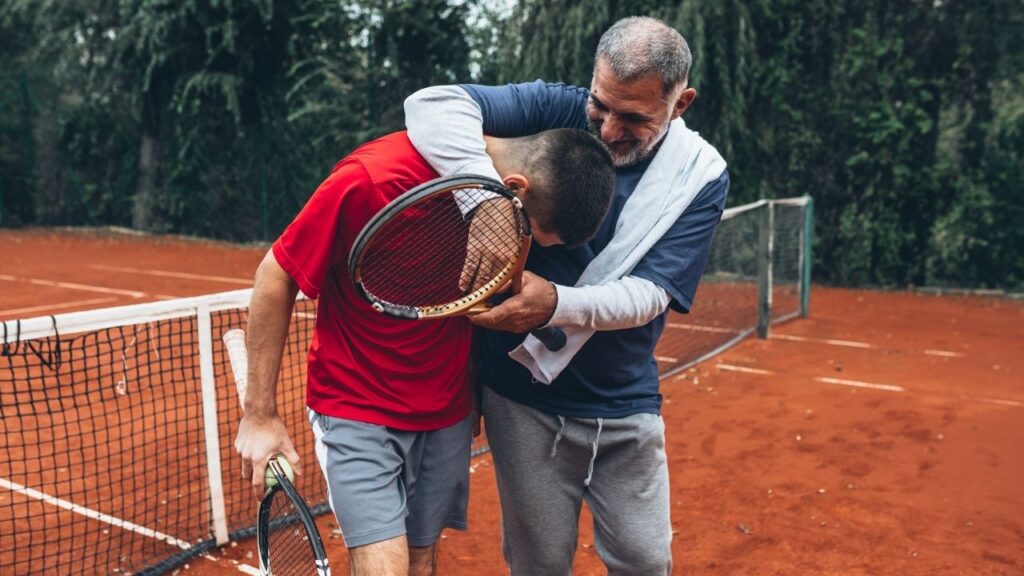
The Role of Mental and Tactical Training in Aligning with Japan Open Performance Objectives
Mental fortitude is the silent engine driving success at demanding tournaments like the Japan Open. Training goals that integrate cognitive toughness, stress management, and strategic adaptability fuel an athlete’s capacity to endure the psychological pressures synonymous with this elite competition. Without deliberate mental conditioning, players face vulnerability to pressure-induced errors that can derail progress despite physical readiness.
Training in this dimension often involves developing focus and emotional regulation through structured exercises such as mindfulness meditation and scenario-based visualization. For example, mastering the art of maintaining calm during critical points can be achieved via focused training regimens explained in resources like tennis mental training for focus. Pairing mental drills with physical effort ensures that athletes build resilience in match-like conditions, simulating the heightened tension of Japan Open encounters.
Tactically, players need to hone their ability to analyze opponents’ styles and adapt play patterns dynamically. This involves establishing targeted goals to refine shot selection, court positioning, and rally construction. Incorporating frequent video reviews of competitors’ previous Japan Open performances—available on platforms such as feature match breakdowns—gives players a strategic edge by mapping out exploitable tendencies.
- Develop a pre-match routine emphasizing visualization and breathing techniques.
- Include tactical drills that simulate various rally scenarios and opponent strategies.
- Schedule regular feedback sessions with coaches focusing on mental and tactical progress.
- Employ video analysis tools to customize game plans for each opponent.
The combined mental and tactical training creates a synergy where a player’s mindset reinforces their technical execution. Top brands support this holistic preparation with gear designed for both comfort and functionality—Under Armour clothing offering breathability, and Adidas shoes enhancing quick directional changes, optimizing both body and mind preparation.
Leveraging Japanese Management Philosophy for Efficient Tennis Training Goal Alignment
Adopting management practices inspired by Japanese philosophy like Hoshin Kanri offers compelling insights into aligning tennis training goals with performance outcomes. Originating from corporate strategies such as those pioneered by Toyota, Hoshin Kanri facilitates the alignment of long-term visions with actionable daily activities. This method is remarkably transferable to athletic preparation where clear, cascading objectives ensure that every training session contributes meaningfully towards Japan Open performance ambitions.
Hoshin Kanri emphasizes comprehensive planning, participative management, and regular review, creating a feedback loop that enables continual refinement. Applying this to tennis involves setting breakthrough objectives—such as increasing serve ace frequency or reducing unforced errors—and cascading these into specific weekly and daily practice targets. Weaving athlete input with coach guidance echoes Hoshin’s participative approach, fostering ownership and motivation that often accelerates progression.
| Hoshin Kanri Step | Application in Tennis Training | Example in Japan Open Preparation |
|---|---|---|
| Establish Vision and Strategic Goals | Define top performance ambitions for Japan Open. | Target a top 8 finish with specific ranking improvements. |
| Develop Breakthrough Objectives | Set major annual milestones. | Increase first serve percentage by 10% over six months. |
| Cascade Goals | Translate annual goals into weekly and daily training tasks. | Incorporate serve accuracy drills thrice weekly. |
| Implement Action Plans | Design detailed practice schedules and resource allocation. | Integrate equipment choices like Puma court shoes for agility. |
| Regular Review and Adjustment | Conduct frequent assessments and tweak plans accordingly. | Monthly analysis meetings with coaching staff and physiotherapists. |
- Encourage open communication between players, coaches, and support teams.
- Use data analytics tools to track progress against defined metrics.
- Balance training intensity with recovery and injury prevention protocols.
- Adjust goals responsively to evolving competitive and physical conditions.
Integrating Hoshin Kanri’s disciplined yet flexible framework ensures a grounded, transparent, and motivating environment. The synergy between traditional Japanese management and modern tennis training exemplifies an innovative approach to achieving Japan Open success. Players outfitted with New Balance gear for optimal comfort and speed find seamless adaptation within this system, embodying harmony between mindset, methodology, and material support.
Individualized Training Approaches Tailored for Japan Open Success
Recognizing the varied developmental pathways of players, effective training alignment requires personalized plans. This ensures that interventions speak directly to an athlete’s strengths, weaknesses, and competitive calendar leading up to the Japan Open. The essence lies in crafting goals that are SMART — Specific, Measurable, Achievable, Relevant, and Time-bound — with adaptability built into the process.
For example, a young player with exceptional endurance but inconsistent shot placement would focus their goal-setting around precision drills and mental consistency. Conversely, a seasoned player aiming to break into a higher ranking tier might prioritize tactical adaptability and recovery optimization, targeting sustainability through the rigorous tournament schedule.
To foster this level of customization, several strategies have proven effective:
- Conduct detailed baseline assessments covering technical, physical, and psychological aspects.
- Utilize wearable tech and video analysis to identify subtle performance trends over time.
- Integrate feedback loops involving coaches, sports psychologists, and fitness trainers.
- Adjust equipment selections based on evolving needs — for instance, switching between Nike and Asics footwear to match court types and training intensity.
Such tailored programs reflect an intricate dance between athlete individuality and objective standards demanded by events like the Japan Open. This personalization often translates to more sustainable motivation and tangible improvements in areas spotlighted in effective tennis training goal guides.
Integrating Cutting-Edge Sports Science and Technology to Enhance Training Outcomes for the Japan Open
Progress in sports science continually reshapes how tennis players prepare for pivotal tournaments such as the Japan Open. Leveraging technological advances and evidence-based conditioning protocols allow athletes to optimize performance margins in an intensely competitive arena. This section explores how incorporating high-intensity interval training (HIIT), biomechanical analysis, and recovery innovations aligns with goal-setting frameworks targeting peak tournament readiness.
HIIT has surged as a preferred conditioning method, enhancing both anaerobic and aerobic capacities crucial for tennis. Structured sessions improve players’ ability to sustain explosive shots and rapid court coverage under fatigue — vital traits visible in Japan Open matches. Complementary to this, specialized circuits focusing on shoulder stability reduce injury risks linked to the intense demands of serving.
Biomechanical analysis tools now enable precise adjustments in stroke mechanics, minimizing inefficiencies and amplifying shot power. Players can iteratively refine forehand and backhand techniques by referencing slow-motion video and data overlays, honing execution to the microsecond. For those seeking to boost spin or control, understanding the physics of string tension offers actionable insights, detailed in resources such as racket string topspin boost.
| Sports Science Technique | Performance Target Addressed | Training Application |
|---|---|---|
| High-Intensity Interval Training (HIIT) | Improved stamina and quick recovery during matches | Exercise circuits combining sprints, lateral movements, and agility drills |
| Biomechanical Stroke Analysis | Enhanced stroke efficiency and reduced injury risk | Video feedback sessions for forehand, backhand, and serve mechanics |
| Recovery Protocols (Foam Rolling, Stretching) | Accelerated muscle repair to sustain training intensity | Daily post-training foam rolling and shoulder stability exercises |
| String Tension Optimization | Increased control and topspin for aggressive baseline play | Customized string setups according to court conditions and playing style |
- Integrate wearable sensors to monitor physiological responses during practice.
- Schedule recovery days with active mobility work to enhance joint health.
- Use video analysis for refined feedback on shot placement and timing.
- Experiment with different footwear from brands like Adidas and Puma to optimize movement.
Technology not only accelerates progress but also personalizes training to the player’s current state, translating to smarter workloads and better pacing en route to the Japan Open. This fusion between innovation and goal setting epitomizes modern tennis preparation.