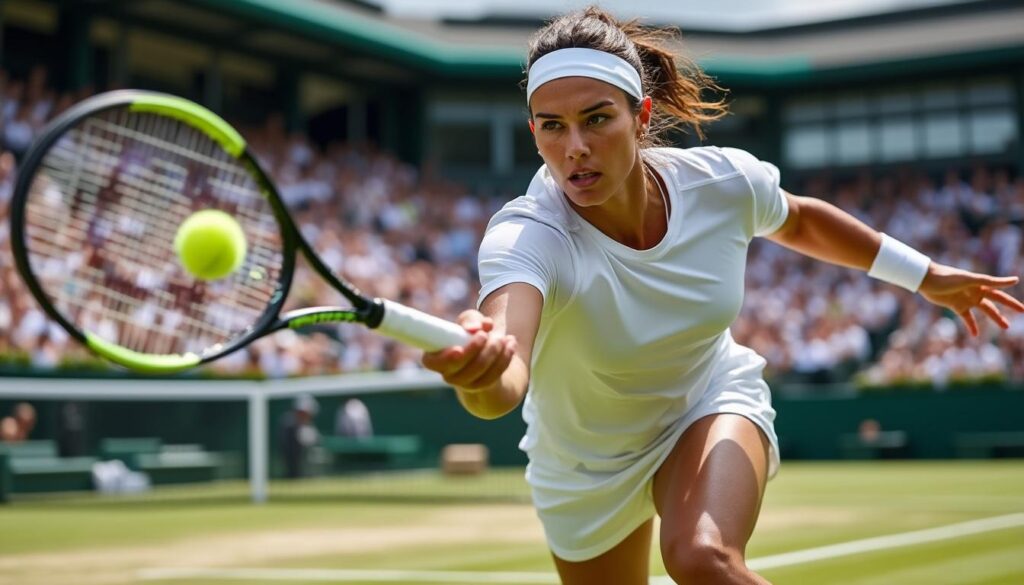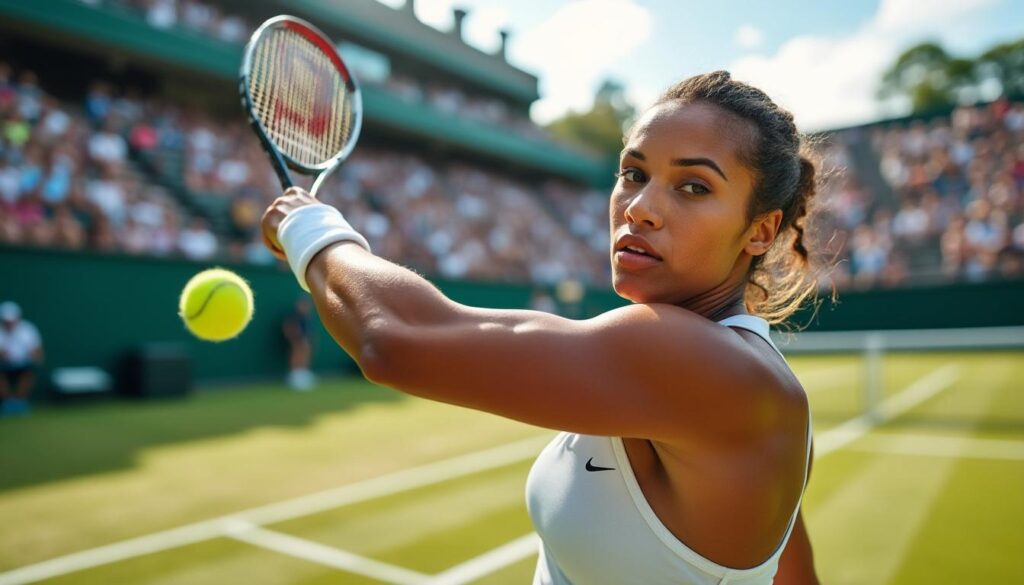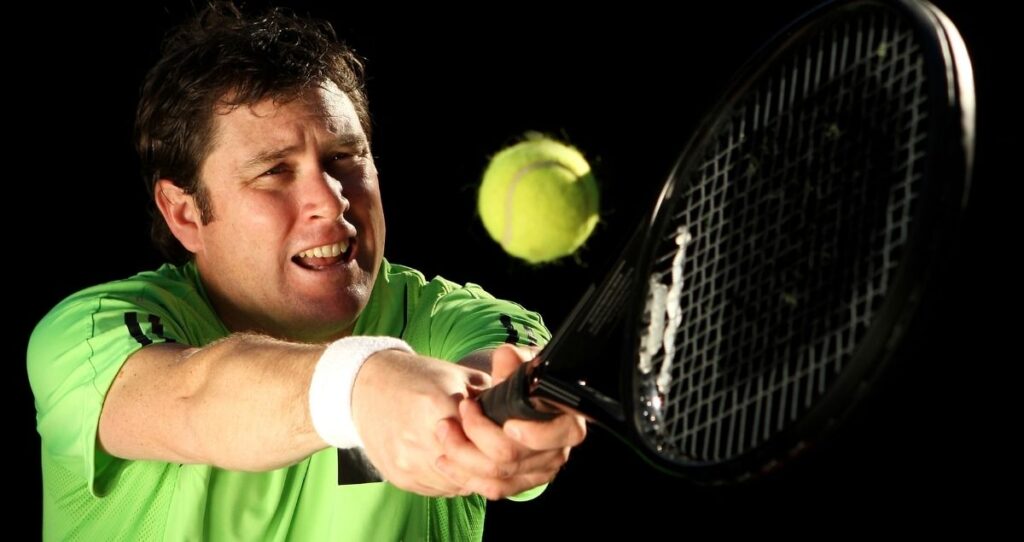
The autumn season ushers in a renewed vigor on tennis courts worldwide, where junior players are refining their skills to make impactful strides in their tennis journeys. This fall, coaches dedicate themselves to cultivating more than just strokes and serves; they focus on nurturing the essential attributes and techniques that create resilient, adaptable athletes eager to thrive in competitive arenas. With eyes on both immediate improvement and long-term growth, the spotlight falls on balancing technical skill development with mental fortitude and cultivating a genuine passion for the game. In doing so, coaching programs leverage insights from player development science and tailor training to meet the unique needs of each player.
Companies like Wilson, Babolat, and Head have innovated equipment that aids young players in mastering grips and strokes, while the emergence of smart technology such as tennis analytics gadgets informs coaching strategies with precise data. As academies integrate these modern tools with time-tested training methods, the autumn months become a crucial chapter for setting visions, targeting specific skill enhancements, and building competitive confidence. This article explores the multifaceted coaching focus this fall—from technical fundamentals and advanced stroke production to mental toughness, parent-coach partnerships, and the thoughtful integration of competitive play designed to produce well-rounded, steadfast tennis players.
Fundamental Techniques in Youth Tennis Development this Fall
The cornerstone of all successful tennis careers is a mastery of the fundamentals, and this fall season coaches prioritize solidifying the basics while subtly integrating advanced skills. A key focus lies on perfecting grip variations and follow-through mechanics, which govern a player’s control and power generation. Proper gripping techniques, such as the continental for serves and volleys, and the eastern forehand grip for baseline strokes, set the stage for consistent shot execution and accuracy.
Training drills tailored to reinforce these fundamentals involve repetitive shadow tennis and targeted stroke practices that emphasize the fluidity of each shot’s follow-through. Developing this consistency prevents the formation of bad habits that can impede long-term progression. By reinforcing these essentials, coaches ensure players possess the tools to build more complex skills. For example, integrating specialized serves, like a slice or kick serve, becomes more effective when foundational grips and swings are firmly established.
- Grip mastery: Focusing on grip variations to promote shot control and baseline precision, as detailed in specialized guides such as Grip Variations for Baseline Control.
- Follow-through drills: Repeat stroke patterns emphasizing smooth, directed follow-throughs to build stroke efficiency.
- Basic stroke consistency: Groundstroke and volley pattern repetition curtailed to boost rally endurance.
- Footwork integration: Dynamic foot positioning drills synchronized with stroke production to enhance court coverage and shot preparation.
| Technique | Focus Area | Expected Outcome |
|---|---|---|
| Grip Technique | Correct hand placement | Improved shot variety and control |
| Follow-Through | Consistent stroke finish | Power efficiency and accuracy |
| Footwork | Balanced movement patterns | Better court positioning and endurance |
| Stroke Repetition | Muscle memory development | Reliable stroke mechanics under pressure |
Academies such as Silicon Valley Tennis Academy emphasize using quality rackets from brands like Yonex and Prince to optimize grip comfort and shot responsiveness, enabling young athletes to practice with feel and precision. Coaches recommend gradual progression into advanced tactical tools, ensuring players’ development is comprehensive without overwhelming their skillset. This methodical buildup sets the foundation for the transition from practice halls to competitive matches, where technique must hold strong against pressure.
Building Mental Toughness and Self-Motivation in Junior Tennis Players
Beyond technical prowess, the emotional and psychological resilience of a junior tennis player can make the difference between transient success and enduring achievement. This fall, coaches intensify efforts to cultivate mental toughness—integrating techniques to boost concentration, resilience, and adaptability under pressure. Mental fortitude allows players to stay composed during crucial points, overcome setbacks, and maintain confidence regardless of the scoreboard.
Drawn from approaches like those used at Silicon Valley Tennis Academy, mental toughness training involves visualization exercises, relaxation protocols, and scenario-based drills designed to simulate high-stakes environments. These tools instruct players on managing internal pressure and staying “in the moment” – fundamental skills that translate into competitive poise.
- Visualization Practices: Imagining successful strokes and scenarios enhances player confidence and game preparedness.
- Resilience Drills: Simulating adversities such as losing points to teach persistence and bounce-back ability.
- Goal Setting: Process-oriented goals focusing on improvement rather than outcome to reduce performance anxiety.
- Intrinsic Motivation Cultivation: Fostering a genuine love for tennis, the primary driver of sustained training and competition.
Self-motivation is nurtured by creating an empowering environment where junior athletes take ownership of their journey. Encouraging players to set personal benchmarks, reflect on their progress, and embrace challenges fortifies this internal drive. Parents partnering with coaches also play an integral role, championing positive reinforcement and modeling enthusiasm for the sport. This holistic approach maps a path for players to thrive not just technically but emotionally, laying groundwork for long-term success.
| Mental Skill | Training Method | Benefit |
|---|---|---|
| Visualization | Guided imagery sessions | Boosted confidence and focus |
| Resilience | Pressure drills and setbacks | Improved ability to handle stress |
| Goal Setting | Individualized, measurable objectives | Reduced performance anxiety |
| Motivation | Ownership of training | Increased engagement and persistence |
By intertwining technical excellence with emotional strength, coaches align junior players with the demands of high-level competition. The mental toughness cultivated during this fall season often becomes the edge that carries players through tightly contested matches and fosters resilience beyond the sport itself.
Parent and Coach Partnerships to Optimize Youth Tennis Growth
Behind every promising junior tennis player lies a critical alliance between parents and coaches. This season’s focus extends to strengthening this triad to create an environment where young athletes can flourish physically and psychologically. Coaches like Francisco Ruiz emphasize openly communicating goals, expectations, and progress with parents, fostering a united support system vital to a player’s development.
Parental involvement often demands sacrifices such as transporting children to tournaments, providing emotional encouragement, and investing in high-quality gear from trusted brands like Nike, Adidas, and Dunlop. The investment of time and resources signals to players that their ambitions are supported unconditionally, fueling their commitment.
- Open Dialogue: Regular consultations aligning coaching plans with parental expectations.
- Shared Goal Setting: Building a roadmap that balances competitive ambitions with well-being.
- Supportive Presence: Parents attending matches and practices to bolster athlete morale.
- Resource Provision: Providing top-tier equipment and nutrition to sustain training intensity.
This collaborative network is a cornerstone for nurturing players who are not only technically equipped but emotionally balanced. Examples from elite junior academies demonstrate how this synergy can lead to breakthroughs on court and positive athlete retention rates. Proactive parental engagement, when aligned with coaching efforts, has also been shown to reduce burnout and injury by guiding balanced training loads and emphasizing rest.
| Role | Responsibilities | Impact on Player Development |
|---|---|---|
| Coach | Technical instruction, mental skill training, strategic planning | Skill advancement, competitive readiness |
| Parent | Emotional support, logistical coordination, financial investment | Motivation boost, stability |
| Player | Commitment, self-motivation, active learning | Progress and adaptability |
Recognizing the irreplaceable value of this partnership, many tennis academies offer parent workshops and informational sessions to align all parties on best practices and developmental priorities. Such initiatives have proven effective in fostering mutual understanding and enhancing the overall player experience.
Role of Competitive Play and Tournament Preparation in Skill Reinforcement
Competitive exposure is indispensable in translating training into performance. This fall, coaches meticulously prepare juniors for the pressures and unpredictability inherent in tournaments, whether local matches or entry in broader competitive circuits. Embracing competition cultivates resilience, sharpens tactical awareness, and gives players a benchmark for progress.
At this stage, tactical development intertwines with stress management. Coaches guide players through match play scenarios emphasizing point construction, serve accuracy, and strategic shot selection—a progression supported by data from elite performers known for serve precision, like those studied in Highest Serve Accuracy research.
- Match Simulation: Practice sessions with scorekeeping emulating tournament conditions.
- Technical Adaptability: Training to adjust strokes and tactics against different play styles.
- Mental Conditioning: Teaching focus techniques to maintain composure point-by-point.
- Recovery Strategies: Implementing rest and nutrition plans to handle tournament condensed schedules.
Parents and coaches collaborate to select tournaments aligned with player development stages, ensuring challenges push growth without risking burnout. Resources like the Player & Coaches Tour Calendar assist families in planning competitive schedules for maximum impact. Younger players benefit from a diversity of experiences, including participation in team challenges and league play offered by organizations such as the USTA, which further broaden competitive education.
| Preparation Aspect | Training Focus | Benefit in Tournaments |
|---|---|---|
| Technical Refinement | Serve placement, rally consistency | Higher point win percentage |
| Match Pressure Simulation | Competitive drills with scoring | Improved stress management |
| Tactical Planning | Opponent scouting and adaptive gameplay | Enhanced strategic responses |
| Physical Recovery | Nutrition and rest protocols | Maintain energy levels throughout tournaments |
This comprehensive preparation creates players who are not only technically sound but also mentally sharp and physically ready for the demands of competitive tennis, facilitating smoother transitions from training courts to tournament arenas and paving the way for their ascent in junior ranks.
Strategic Approaches to Preventing Injury and Encouraging Long-Term Athletic Development
In a high-impact sport like tennis, safeguarding young athletes’ health is paramount. The autumn coaching agenda integrates injury prevention strategies alongside skill development, recognizing that durability is as critical as technique. Scientific research highlights that early sport specialization—excessive year-round focus on tennis before skeletal maturity—can elevate injury risks and hinder creative athletic development.
Forward-looking academies advise multi-sport participation during early years to cultivate diverse motor skills and reduce repetitive strain. When specialization occurs, a gradual ramp-up respecting biological development timelines minimizes burnout and overuse injuries. Coaches incorporate neuromuscular training, dynamic stretching, and tailored strength conditioning to build resilience.
- Cross-Training: Encouraging engagement in sports like soccer or swimming to promote muscular balance.
- Neuromuscular Conditioning: Drills enhancing coordination and joint stability.
- Load Management: Monitoring practice volume relative to player age and physical development.
- Rest and Recovery: Scheduled breaks and emphasis on sleep quality to aid tissue repair.
Many young players benefit from equipment customized for their development level, supported by reputable brands like Tecnifibre and Penn, which provide rackets and balls designed for optimal control and reduced injury risk. Coaches also educate families on prioritizing free play and unstructured activity time, which recent studies show fosters creativity and lowers injury incidence.
| Injury Prevention Tactic | Implementation | Player Benefit |
|---|---|---|
| Multi-Sport Sampling | Participation in several sports until early teens | Diverse skill set and reduced overload injuries |
| Neuromuscular Training | Balance and coordination drills | Improved joint stability and movement efficiency |
| Age-Appropriate Volume | Practice hours aligned with age based guidelines | Lower risk of overuse injuries |
| Recovery Emphasis | Scheduled rest periods and sleep hygiene | Enhanced healing and sustained performance |
Integrating these strategic approaches during the fall sets a sustainable course for athletic development, ensuring that young players not only ascend in their tennis capabilities but do so with health and longevity intact. This balanced training philosophy reflects a holistic view of tennis as a lifelong pursuit rather than a fleeting childhood ambition.