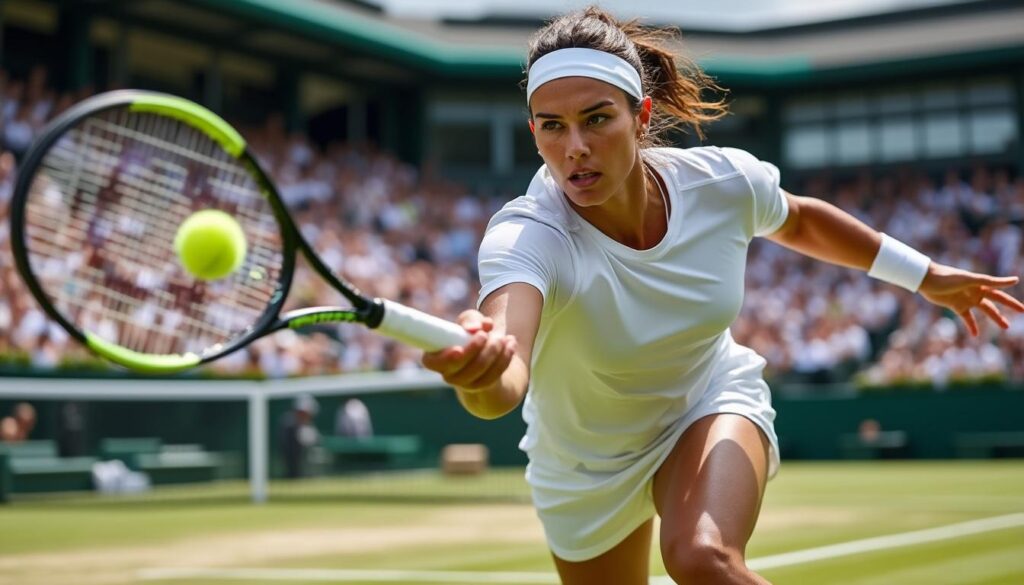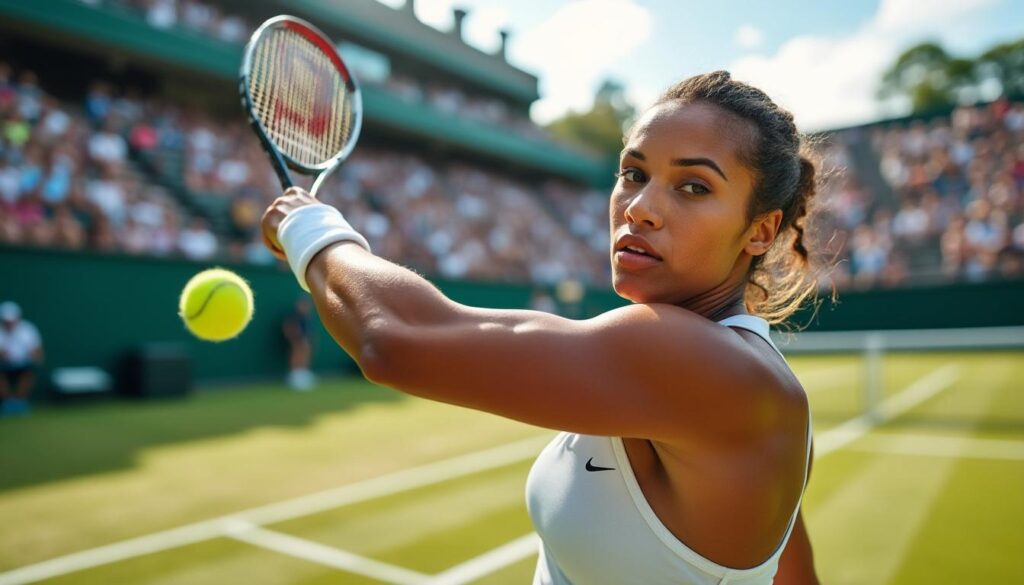
The cold autumn air of Paris brings more than just the excitement of high-stakes tennis; it also highlights the critical need for recovery strategies among the pros who battle week after week. The Paris Masters, a pivotal tournament in the ATP calendar, tests athletes not only in skill but in resilience. This week, the spotlight shines on how top players recharge their bodies and minds to sustain peak performance amid intense competition. The challenge is balancing rest and preparation in an unforgiving schedule that demands both physical and mental endurance.
Inside the locker rooms and behind the scenes, recovery becomes a science and an art form. From advanced sleep protocols to hydration regimens fueled by brands like Gatorade and innovative recovery tech from Therabody and Hyperice, players tap into a blend of tradition and cutting-edge solutions. Amid growing competition from rising stars such as Carlos Alcaraz and Jannik Sinner, veterans like Novak Djokovic craft personalized approaches to bounce back stronger, aiming not just to compete but to dominate while preserving longevity in their careers.
Throughout this week, recovery is not a pause—it’s a strategic weapon.
In brief:
- Recovery is essential for maintaining elite tennis performance during grueling tournament weeks like the Paris Masters.
- Elite players balance hydration, nutrition, active recovery, and mental rest to optimize energy and reduce injury risks.
- Wearable technology from Polar and Fitbit provides critical data for monitoring recovery metrics such as heart rate variability and sleep quality.
- Pro-level recovery also leverages compression gear from Under Armour and cutting-edge devices like Therabody’s percussion massagers.
- Withdrawal of stars like Novak Djokovic from Paris highlights the strategic emphasis on recuperation ahead of crucial events like the ATP Finals.
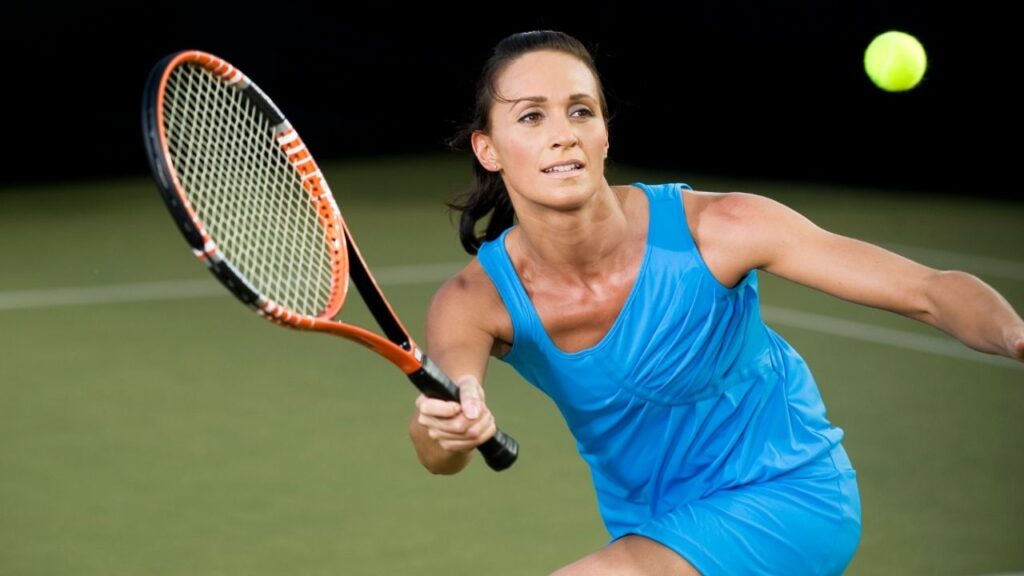
Fundamental Recovery Techniques Tennis Pros Rely On During Paris Masters Week
When elite tennis players arrive in Paris, the demands on their bodies are immense. Match intensity escalates, requiring not only peak physical condition but also rapid recovery to sustain performance over consecutive days. Recovery during the Paris Masters transcends mere rest; it involves targeted protocols that nurture muscle repair, reduce fatigue, and promote mental clarity.
Key pillars of professional tennis recovery include:
- Hydration: Rapid fluid replenishment using electrolyte-rich drinks like Gatorade helps sustain muscle function and combats fatigue.
- Nutrition: Balanced meals rich in proteins and complex carbohydrates replenish glycogen stores and support muscle repair. Nutrition advice often recommends incorporating healthy fats and antioxidants to reduce inflammation.
- Active Recovery: Light activities such as swimming or yoga maintain blood flow without imposing stress. Professional players often engage in low-impact movement facilitated by brands such as Lululemon, whose flexible apparel supports recovery exercises.
- Massage Therapy: Percussive therapy tools from Therabody or Hyperice are regularly integrated to relieve muscle knots and enhance circulation, accelerating healing.
- Sleep Quality: Consistent sleep schedules aiming for 7-9 hours nightly enable the body to repair neural pathways and muscle tissue, crucial for maintaining sharp reflexes and endurance.
These components form the backbone of effective recovery. According to evidence-based sports science, proteins initiate muscle protein synthesis while carbohydrates replenish energy stores depleted during intense rallies. Hydration paired with electrolyte balance thwarts cramping, a frequent opponent during long indoor matches at the Paris Masters.
At a glance, the recovery regime of a top player during the Paris Masters week might include:
| Recovery Element | Purpose | Example |
|---|---|---|
| Hydration | Maintain electrolyte balance and muscle performance | Consuming Gatorade or electrolyte-infused water pre/post-match |
| Nutrition | Restore glycogen and aid muscle repair | High-protein meals with complex carbs and omega-3 rich foods |
| Active Recovery | Promote blood flow without strain | Yoga sessions wearing Lululemon gear |
| Massage Therapy | Reduce muscle stiffness and soreness | Use of Therabody percussion massagers |
| Sleep | Complete physical and cognitive restoration | 7-9 hours on a consistent schedule, aided by sleep trackers like Fitbit |
Adopting these foundational techniques during high-pressure weeks like the Paris Masters helps mitigate injury risks that can sideline players for lengthy periods. The focus on recovery is also reflected in the withdrawal of players like Novak Djokovic this week, who chose to prioritize longevity by skipping the tournament altogether.
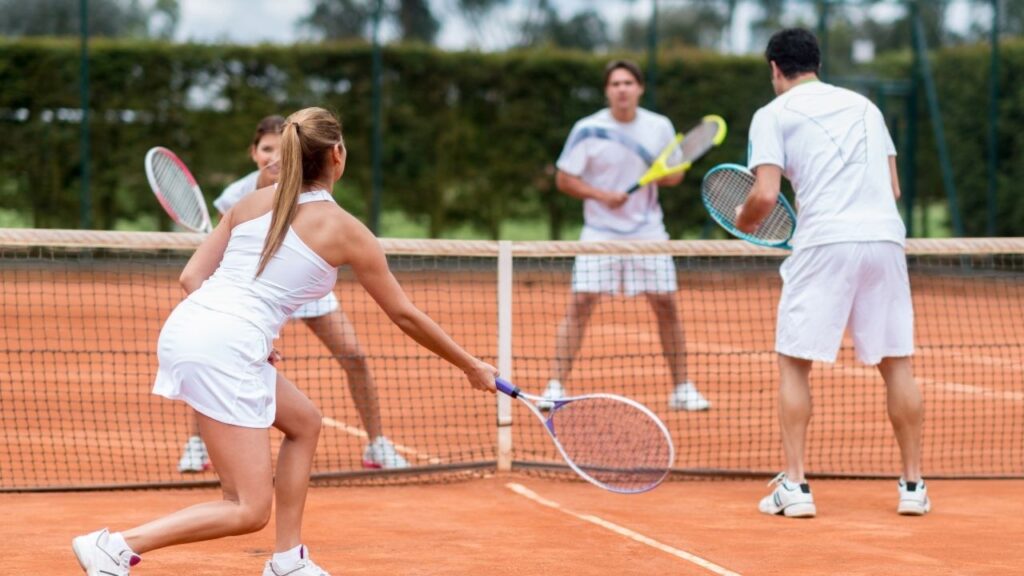
Advanced Technologies and Wearables Accelerating Tennis Recovery in 2025
The technological landscape surrounding recovery in professional tennis continues to evolve rapidly. Players now wield an arsenal of high-tech tools designed to track, analyze, and enhance the restoration process with precision.
Foremost among these innovations is wearable technology. Leading brands like Polar and Fitbit supply players with continuous biometric feedback pinpointing recovery status. Vital signs—heart rate variability (HRV), sleep quality, and activity levels—are monitored diligently to tailor rest and training sessions accurately, preventing overtraining and burnout.
Beyond data collection, recovery equipment such as compression garments from Under Armour and cold-therapy devices have transformed the post-match recuperation experience. These garments improve venous return and reduce muscle swelling, facilitating faster recovery. Meanwhile, controlled cold exposure curbs inflammation and expedites healing.
Players also benefit from precision percussion therapy with tools from Therabody and Hyperice, known to break down lactic acid buildup and improve muscular elasticity. Foam rollers complement these devices by targeting specific tension points, ensuring comprehensive muscle care.
To illustrate the effectiveness of integrating technology with recovery:
- Wearables track subtle variations in heart rate and provide personalized recovery recommendations, preventing injuries caused by overexertion.
- Compression clothing enhances athletic recovery by improving blood flow, reducing soreness, and enabling quicker training resumption.
- Brands like Under Armour deliver innovative gear designed specifically for tennis players, balancing compression with flexibility.
- Hydration monitoring through smart devices ensures players stay optimally fueled, adjusting fluid intake in real time.
| Technology/Tool | Function | Benefit |
|---|---|---|
| Polar & Fitbit Wearables | Heart rate variability, sleep tracking | Optimize rest and prevent overtraining |
| Therabody & Hyperice Massagers | Percussion therapy for muscle relief | Reduce soreness, improve circulation |
| Under Armour Compression Gear | Enhance blood flow and muscle recovery | Speed up healing and reduce swelling |
| Cold Therapy Devices | Reduce inflammation post-match | Accelerate muscle recovery |
This seamless marriage of technology and recovery reflects a new era in tennis where data-driven decisions govern not just gameplay but also recuperation. The holistic approach is designed to extend careers and sharpen competitive edges in tournaments like the Paris Masters and beyond.
Crafting Personalized Recovery Plans: Tailoring Energy Renewal for Peak Tennis Performance
Every player brings a unique physiological makeup and career timeline that demands customized recovery protocols, especially during high-stakes weeks such as the Paris Masters. Players often consult physiotherapists, nutritionists, and sports psychologists to build an integrated recovery framework targeting their specific needs.
Key considerations in personalizing recovery plans include:
- Age and physical condition: Older players like Novak Djokovic require longer recovery intervals, emphasizing quality sleep and injury prevention.
- Match intensity and schedule density: Players with back-to-back matches may emphasize active recovery modalities and massage therapy more heavily.
- Injury history: Tailored protocols incorporating cryotherapy and targeted physiotherapy sessions are prioritized to avoid aggravations.
- Mental fatigue management: Techniques such as meditation, mental visualization, and rest from screens help maintain cognitive sharpness.
- Nutrition adaptation: Recovery diets are fine-tuned with high-protein intakes post-match and specific supplements to facilitate muscle repair and immune support.
Developing and sticking to a structured recovery plan during events like the Paris Masters is a decisive factor in maintaining energy and competitiveness. Players often measure their recovery progress through wearable technology feedback and physiological assessments.
A sample personalized recovery weekly schedule could look like this:
| Day | Recovery Activity | Purpose |
|---|---|---|
| Day 1 (Post-match) | Hydration & Protein-rich meal, Percussive massage | Replenish energy and reduce muscular tension |
| Day 2 | Active recovery (yoga/swimming), Sleep optimization | Maintain blood flow and promote healing |
| Day 3 | Physiotherapy session, Compression garment use | Target injury prevention and swelling reduction |
| Day 4 | Light training, Meditation, Nutrition adjustment | Restore energy while managing mental stress |
| Day 5 | Rest day with light stretching | Full body recovery |
Implementing these strategies consistently can help players extend their careers while competing against emerging talents who may rely heavily on explosive power and youthful stamina. This blend of technology, science, and personalized care is becoming the norm at top-tier events such as the Paris Masters.
Lessons from Novak Djokovic’s Paris Masters Withdrawal: Prioritizing Recovery in a Grueling Tennis Calendar
Novak Djokovic’s decision to withdraw from the 2025 Paris Masters sent shockwaves through the tennis world and reinforced the paramount importance of recovery among elite athletes. At 37, Djokovic confronts the harsh realities of a tennis career pushing toward its twilight years amid relentless physical demands.
Djokovic’s season illustrates the balancing act between drive and preservation:
- What happened: Following numerous grueling matches and enduring leg strain issues during previous tournaments, Djokovic chose to skip Paris to prioritize recuperation.
- Strategic rest: This decision highlights modern athlete emphasis on long-term performance planning rather than marathon tournament participation.
- Future goals: Preparing for the ATP Finals and the Australian Open, tournaments where Djokovic historically excels, demanded focused energy management.
- Impact on rankings: While skipping Paris affects immediate ranking points, it potentially prolongs peak form into 2026.
This prudent strategy underlines a shift in tennis culture, favoring recovery optimization over constant competition. Djokovic is expected to invest heavily in comprehensive recovery methods combining rest, targeted training, medical support, and nutritional fine-tuning. Such an approach is indispensable given the evolving challenge presented by younger competitors like Carlos Alcaraz and Jannik Sinner, who bring relentless pace and endurance to the court.
| Aspect | Djokovic’s Recovery Focus | Strategic Benefit |
|---|---|---|
| Rest | Skipping Paris Masters to avoid overexertion | Prevents burnout, preserves health for upcoming key events |
| Targeted Training | Focused on strength, movement, and precision | Improves readiness against top rivals |
| Physiotherapy & Medical Support | Continuous injury monitoring and treatments | Enhances physical resilience |
| Nutrition & Hydration | Customized diet plans incorporating optimal supplements | Speeds up muscle repair and boosts energy reserves |
Djokovic’s approach offers valuable lessons for players of all levels. It emphasizes that strategic recovery decisions and embracing modern technologies—like compression gear from Under Armour and recovery drinks such as Gatorade—are fundamental in managing the marathon of a professional tennis career.
Pro Tennis Recovery Tips to Win Energy Battles at High-Stakes Tournaments
The pressure-cooker environment of top-tier tournaments such as the Paris Masters demands more than just skill and determination; mastering recovery strategies is often the secret differentiator between champions and early exiters. Aspiring tennis players and enthusiasts can learn immensely from the pros who optimize every minute between matches.
Top tips drawn from the practices of elite athletes include:
- Hydrate Smartly: Use electrolyte-enhanced drinks like Gatorade to replace salts lost through sweat and sustain peak cognitive and muscular functions.
- Prioritize Sleep Consistently: Quality sleep, monitored by devices such as Fitbit, is crucial for physical repair and mental reset.
- Engage in Active Recovery: Low-impact exercises such as swimming or yoga, often supported by apparel brands like Lululemon, help maintain mobility and reduce stiffness.
- Incorporate Targeted Muscle Therapy: Use of percussion massagers from Therabody or Hyperice can alleviate soreness and prepare muscles for upcoming demands.
- Focus on Nutrition: Balanced meals emphasizing proteins and carbohydrates provide the building blocks for muscle repair and energy restoration. Learn more about nutrition and recovery here.
Moreover, athletes tailor their approach depending on individual needs and match scheduling, ensuring their recovery plan is scalable and adaptable. For example, in between matches at the Paris Masters, players may take short naps, utilize compression socks, or apply cold therapy to control inflammation.
| Pro Recovery Tip | Why It Works | Example Implementation |
|---|---|---|
| Electrolyte Hydration | Maintains nerve and muscle function | Consuming Gatorade before and after matches |
| Regulated Sleep | Supports muscle regeneration and mental acuity | Monitoring rest with Fitbit devices |
| Active Recovery | Reduces lactic acid and stiffness | Swimming or yoga sessions wearing Lululemon gear |
| Percussion Massage Therapy | Relieves muscle knots and enhances circulation | Use of Therabody or Hyperice massagers post-match |
| Balanced Nutrition | Replenishes energy and promotes repair | High-protein meals with carbs and healthy fats |
Adopting these habits consistently gives players the edge needed not only to survive but thrive during the demanding stretch of competitive weeks. Harnessing expertise and the best tools — from Nike’s performance footwear to Adidas’s sport science-backed apparel — complements the physical and mental restoration crucial to the sport.