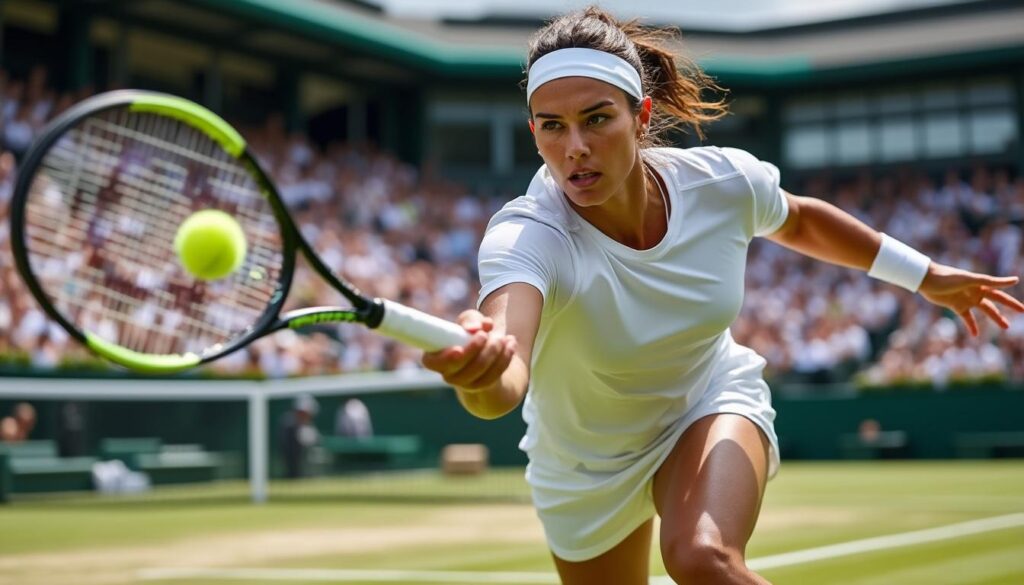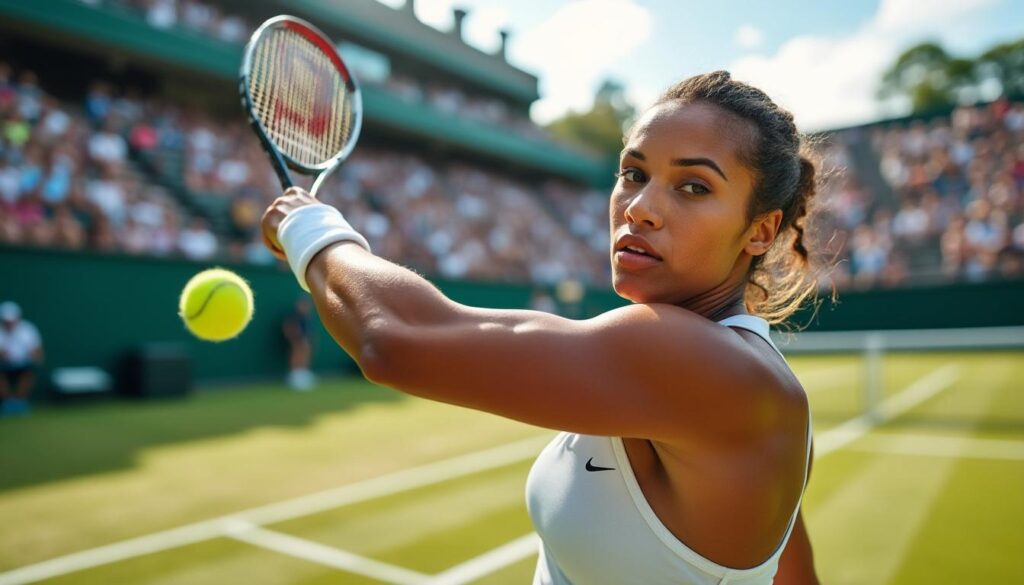
Mastering the serve-and-volley technique indoors on hard courts demands a blend of precision, agility, and tactical expertise. As courts become faster and players more aggressive, adapting drills suitable for the tight confines of indoor hard courts is crucial. The serve—often the defining start of a point—morphs into an art form combining power from brands like Wilson and finesse from innovators such as Head. This technique isn’t just about serving; it’s about anticipating the volley, closing in swiftly, and dominating net play. The controlled environment of indoor hard courts eliminates weather variables but amplifies the need for quick reflexes and strategic placements. A player’s preparation, including their choice of athletic gear ranging from Adidas shoes optimized for court grip to Nike apparel enhancing agility, shapes their performance. As tournaments in 2025 increasingly favor aggressive net approaches, understanding and drilling this style could distinguish champions from contenders.
For tennis enthusiasts striving to elevate their indoor game, these specialized drills offer transformative potential. They hone the nuances of serve speed and placement, ensuring players execute with the confidence of top professionals while adapting to the unique bounce and pace of hard surfaces. Coupled with footwork drills and tactical play strategies, this approach also integrates insights into court positioning and opponent reading—skills essential for net rush success. These drills, filtered through evolving tennis gear innovations and current game dynamics, prepare athletes for modern challenges, including counteracting returns from powerful baseline players armed with Prince or Tecnifibre rackets. As the tennis calendar unfolds, practice regimens incorporating serve-and-volley techniques stand to redefine how players approach indoor hard court battles, making every serve count beyond expectation.
Key takeaways:
- Serve-and-volley on indoor hard courts demands tailored drills emphasizing speed, accuracy, and net movement.
- Equipment choices (Wilson, Babolat, Nike, Adidas) play a vital role in enhancing player performance.
- Dynamic drills combine serving under pressure and quick volley skills, simulating true match conditions.
- Understanding court positioning and opponent tendencies is critical to mastering this style.
- Integrating these drills can sharply improve competitive responding and mental readiness for tournaments.
Strategic Serve-and-Volley Drills for Indoor Hard Courts to Enhance Precision
Serve-and-volley plays out differently indoors, especially on hard courts characterized by predictably fast ball speeds and true bounces. To harness the full advantage, drills must replicate match conditions closely while focusing on increasing placement accuracy and early net approach. One foundational drill involves practicing a variety of serves—from flat to slice—targeting specific zones near the service line corners. Players can use targets or cones to simulate opponent reception spots, reinforcing accurate and tactical serve placement to set up an immediate volley.
Volley follow-ups emphasize reflexes and hand-eye coordination. After serving to the target, the player rushes forward to intercept and volley back a ball fed by a coach or partner. The volley should emphasize control and placement rather than power, replicating scenarios to keep opponents off-balance. The drills extend to practicing both forehand and backhand volleys to build complete net coverage.
These drills also take into account the role of spin and trajectory. Serving with varying spins challenges players to adapt their volley timing and angle. Additionally, practicing with different racket brands such as Yonex for its touch sensitivity or Dunlop for power variation helps players experience subtle changes in ball handling.
- Target serving drills: Place markers in service box corners to improve serve accuracy;
- Volley reflex drills: Quick feed volleys post serve drilling precision and speed;
- Spin variation practice: Apply topspin and slice to diversify serve and volley responses;
- Forehand and backhand volleys: Engage both sides for net dominance;
- Equipment adaptation: Train with different rackets to adjust feel and power control.
| Drill Name | Focus | Frequency | Expected Outcome |
|---|---|---|---|
| Precision Serve Zones | Serve placement accuracy | 3-4 times weekly | Enhanced first-serve success rate |
| Reflex Volley Challenge | Volley control under time pressure | 2-3 times weekly | Improved net responsiveness |
| Spin Serve Adaptation | Handling spin variations | 2 times weekly | Better volley anticipation |
Ultimately, the focus on exacting serve placements combined with quick, controlled volleying builds a serve-and-volley player’s confidence on typically fast indoor hard courts. Mastery in these areas allows players to neutralize baseline opponents and convert shortened points effectively, essential for tournaments previewed in events like the 2025 Wimbledon. Understanding the intricacies of serve spin and volley positioning is as vital as the physical execution, making these drills indispensable in modern tennis training.
Enhancing Serve Power and Agility with Footwork on Indoor Surfaces
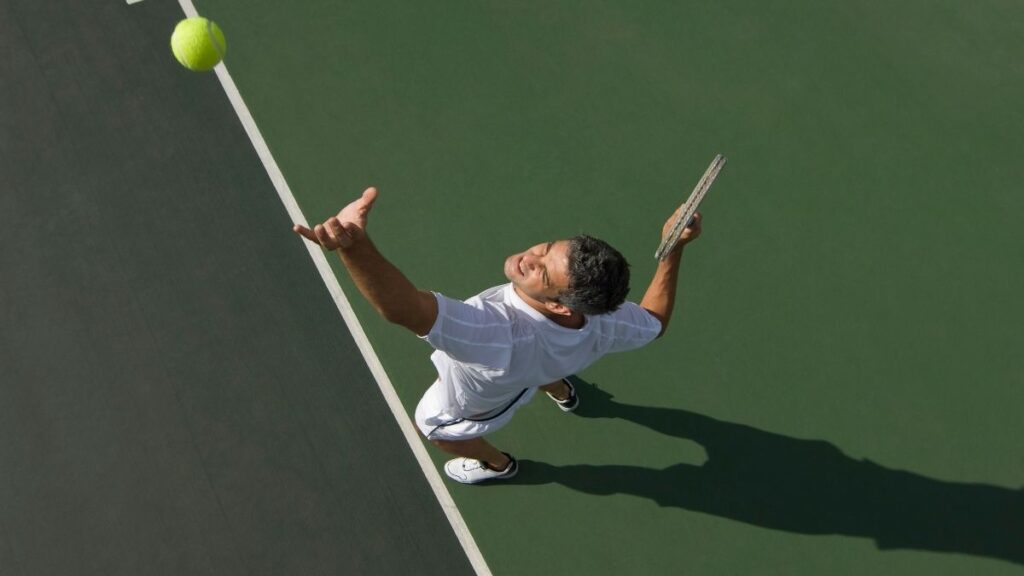
Powerful serves and swift net advances form the backbone of successful serve-and-volley tennis, especially indoors where court surfaces amplify ball speed. Drills that emphasize biomechanics and footwork precision are critical for maintaining agility during the transition from baseline to net attack. Brands like Asics and Adidas produce court shoes engineered specifically for hard courts, offering necessary traction and support for explosive movement without sacrificing speed. Choosing the right equipment complements the athlete’s biomechanics during rapid directional changes.
Effective footwork drills for serve-and-volley players focus on split-step timing, rapid lateral shuffles, and efficient first steps towards the net post-serve. One exemplary drill places cones along the indoor court’s approach path. Players begin with the serve and immediately sprint or shuffle to each cone, simulating a volley approach combined with sideline coverage. This establishes muscle memory for aggressive net play and sharpens endurance over repeated attempts. Additionally, incorporating resistance bands during training intensifies lower-body conditioning, enhancing quickness.
Utilizing plyometric exercises also bolsters explosive first steps, crucial for closing distance rapidly. For instance, lateral bounds and box jumps build the fast-twitch muscle fibers fundamental for this style. Combining these exercises with serve drills helps players replicate the physical demands faced in competitive environments, such as the Japan Open 2025. The synergy between skill drills and physical conditioning underpins the serve-and-volley’s viability in today’s fast-paced matches.
- Split-step timing drills: Synchronize footwork with opponent’s shot to anticipate volleys;
- Lateral cone shuffles: Enhance court coverage during net approach;
- Resistance training: Use bands for lower-body speed and power development;
- Plyometric jumps: Build explosive acceleration for quick net advances;
- Equipment focus: Wear court-specific shoes from brands like Asics for injury prevention and optimal traction.
| Exercise | Purpose | Equipment | Recommended Frequency |
|---|---|---|---|
| Split-Step Timing Drill | Improve volley anticipation | None | Daily |
| Lateral Cone Shuffle | Increase lateral quickness | Cones | 3-4 times per week |
| Resistance Band Sprints | Build explosive power | Resistance bands | 2-3 times per week |
| Plyometric Bounding | Enhance fast-twitch muscles | Boxes/markers | 2 times per week |
Footwork drills also complement overall match endurance and tactical positioning, which are crucial for managing court dynamics as seen in recent player trends highlighted across leading sporting brands like Nike and Babolat. Tailoring footwork to the fast indoor environment ensures players maintain balance, shot readiness, and swift recovery after net play, ultimately supporting serve-and-volley tactics effectively.
Serve-and-Volley Tactical Training: Reading Opponents and Court Positioning Indoors
Serve-and-volley success indoors depends not just on raw power and quick feet, but on the player’s ability to anticipate opponents’ responses and position themselves optimally on a technically precise hard court. Tactical drills simulate diverse return scenarios, fostering adaptability and sharp decision-making under pressure. For example, players practice recognizing patterns typical of baseline hitters who might use brands like Prince or Tecnifibre rackets known for enhanced spin or depth.
One drill involves the server pitching varied serve types to an opponent or coach, who then returns the ball from different positions. The server must judge the opponent’s expected return trajectory and quickly decide where to position themselves for an effective volley. This drill simulates real match situations and builds instincts for reading the opponent’s game style, a critical skill outlined in the tennis beginners guide to reading opponents.
Court positioning drills further refine spatial awareness. Players are trained to adjust their net stance based on serve direction and opponent tendencies. The goal is to cover both the crosscourt and down-the-line volley zones efficiently. These exercises employ visual aids such as court markings or cones and feedback from video analysis, helping players internalize ideal positioning. Such strategic focus complements physical drills and integrates seamlessly into comprehensive match preparation, aligning with strategies seen in top competitors in 2025.
- Serve variation drills: Practice different serves to provoke diverse opponent returns;
- Opponent return anticipation: Develop prediction skills to improve volley readiness;
- Net positioning training: Adjust stance for coverage of key volleying angles;
- Visual placement aids: Use cones and video to hone spatial awareness;
- Incorporating feedback: Analyze past performances to optimize court tactics.
| Tactical Drill | Focus | Tool | Benefit |
|---|---|---|---|
| Serve Variation | Unpredictability | Coach/partner returns | Forces adaptation in opponent |
| Reading Opponent Returns | Anticipation | Live rallies | Improves reaction speed |
| Net Positioning | Optimal coverage | Cones, court markings | Enhances volley success rate |
Success in these tactical elements not only improves serve-and-volley execution but also elevates mental sharpness, enabling players to seize control of points from the outset. This mental edge is a hallmark of champions and aligns with training insights found in programs on competitive mindset development.
Fun and Competitive Serve-and-Volley Games to Boost Drills on Indoor Courts
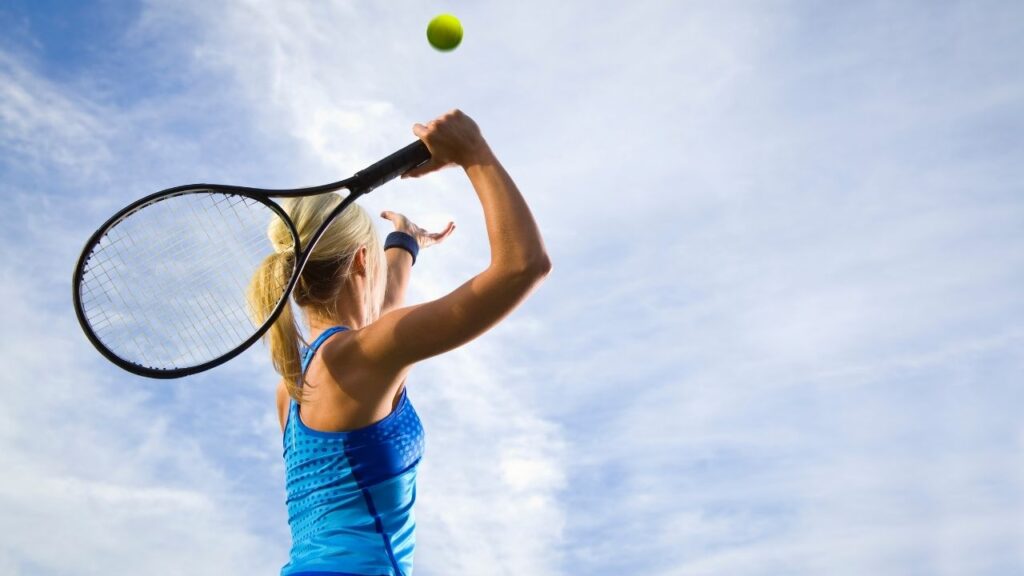
Injecting excitement and competition into serve-and-volley drills dramatically improves player engagement and skill development. Games such as the “Serving Target Challenge” and “Reflex Volley Relay” transform repetitive practice into spirited contests, maintaining intensity and improving consistency. Using targets marked with cones or tape on indoor hard courts, players compete to hit specific zones with increasing difficulty, echoing techniques advised in professional training environments leveraging brands like Wilson for racquets and Dunlop for ball durability.
“Serving Under Pressure” is another game where players serve to a target aiming for 4 out of 5 successful serves in sequence, simulating match stress. If a serve misses, the player restarts, building mental toughness and focus. Follow-up volley relays test quick transition from serve to net play under competitive timing. These games sharpen both physical execution and psychological resilience crucial for intense match moments.
- Serving Target Challenge: Develop serve accuracy with competitive scoring;
- Reflex Volley Relay: Enhance volley speed and teamwork under pressure;
- Under Pressure Serve Series: Build consistency in clutch situations;
- Serve and Rush Game: Combine serving with rapid net approaches;
- Rotation Competitions: Encourage all-around skill development over multiple rounds.
| Game Name | Focus Area | Competitive Element | Training Benefit |
|---|---|---|---|
| Serving Target Challenge | Serve placement | Point scoring for accuracy | Improves focus and precision |
| Reflex Volley Relay | Volley speed | Timed relay teams | Builds rapid reaction and coordination |
| Under Pressure Serve Series | Consistency | Consecutive successful serves required | Strengthens mental resilience |
These enjoyable yet rigorous games enhance the competitiveness necessary for indoor hard court matches where every point is at a premium. Integrating them regularly into training routines ensures players maintain enthusiasm and develop clutch capabilities showcased in events like the Edmond Open 2025. Coaches and players investing in these playful formats often see improvements in focus and adaptive serve-and-volley execution under pressure.
Optimizing Serve-and-Volley Performance with Gear and Recovery on Indoor Hard Courts
Serve-and-volley players demand more than just skills; proper gear and recovery strategies greatly influence performance and longevity, especially indoors on unforgiving hard courts. Shoes from Adidas and Asics, designed specifically for hard surfaces, minimize impact injuries and provide necessary lateral support for quick net attacks. Racket technologies from Babolat and Tecnifibre help in precision serving and control volleys by offering enhanced string tension and frame stability.
Post-practice recovery includes protocols such as targeted stretching, ice therapy, and advanced technologies like compression wear from Nike, which aid muscle recovery and reduce inflammatory risks. Players often integrate nutrition strategies focusing on fueling for power and endurance, detailed comprehensively in guidance like nutrition and fueling guidelines tailored for high-intensity court sports.
Considering the durability of tennis shoes and gear, players must select equipment that withstands the rigors of consistent hard court indoor usage, ensuring both performance and cost-efficiency. Tracking wear patterns and maintaining gear regularly prevents mishaps during critical match moments. This holistic approach combines physical training drills with smart equipment choices, exemplified by top contenders focusing on sustainable excellence in the 2025 tennis season.
- Hard court-specific shoes: Prioritize durability and support for rapid direction changes;
- Advanced racket technology: Enhance serve and volley precision with top brands;
- Post-training recovery: Employ stretching, ice therapy, and compression;
- Nutrition focus: Optimize energy with expert-fueled strategies;
- Equipment upkeep: Regular maintenance to sustain performance levels.
| Category | Recommended Gear | Performance Benefit | Maintenance Tips |
|---|---|---|---|
| Shoes | Adidas, Asics | Optimized traction and injury prevention | Inspect soles and support regularly |
| Rackets | Babolat, Tecnifibre | Enhanced control and shot versatility | Check string tension and frame integrity |
| Recovery Equipment | Nike compression wear | Improved muscle recovery | Clean and replace as needed |
| Nutrition Resources | Specialized diet plans | Fuel energy and endurance | Plan meals around training |
Strong emphasis on gear and recovery ultimately supports the effectiveness of indoor serve-and-volley drills, ensuring players peak during competitive fixtures. Such comprehensive preparation is evident among leading athletes competing in contemporary tournaments, further solidified by expert recommendations from coaching calendars like the Player Coaches Tour Calendar.