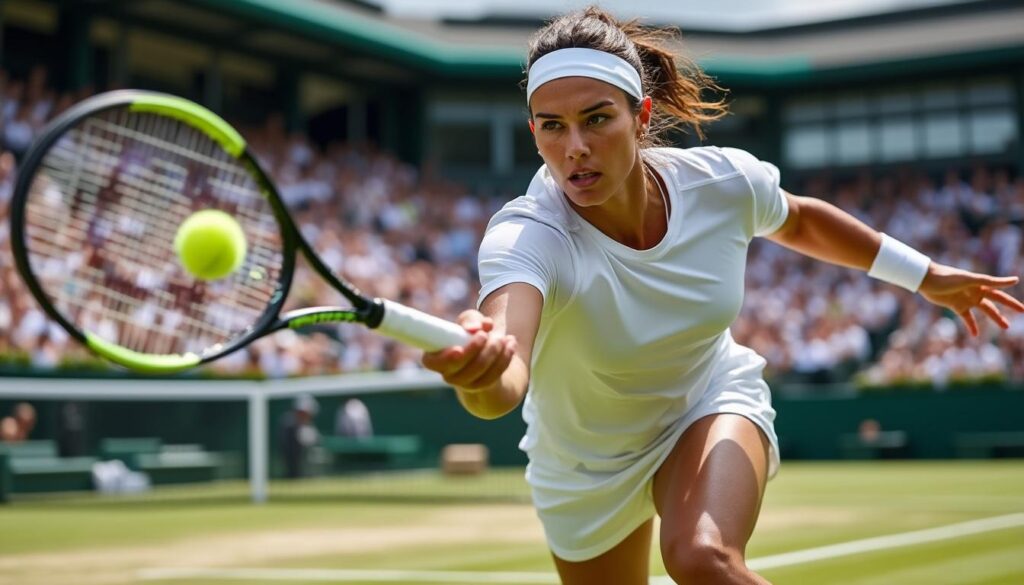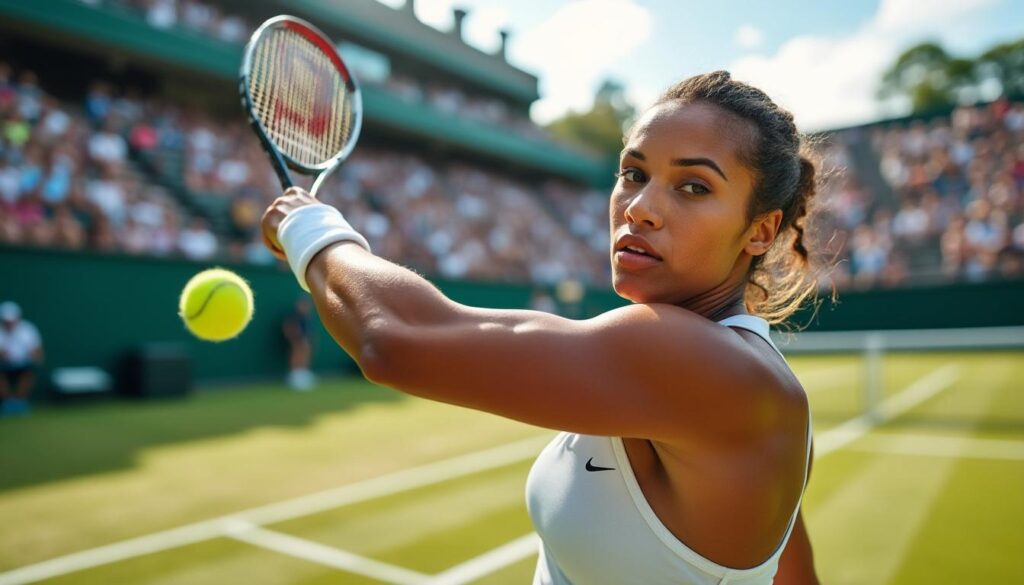
Elevating the serve speed without sacrificing precision stands as a vital challenge for tennis players eager to dominate their matches in 2026’s highly competitive scene. The serve not only initiates every point but often dictates the momentum and psychological edge. This 25-minute focused session offers tennis drills crafted specifically to amplify serve velocity, enhance pace improvement, and maintain surgical accuracy under pressure. Combining biomechanical insights with practical exercises, these routines enable players to refine their serve technique while balancing power and control, essential for excelling as the tennis season intensifies worldwide.
With the evolution of tennis training methodologies, integrating targeted power-building moves alongside precision drills equips athletes to unleash more explosive serves without trading off consistency. Proper pacing during these short but intense tennis practice sessions prevents burnout and fosters rapid neuromuscular adaptation. These drills go beyond generic strength work by weaving mental conditioning and game-like scenarios, preparing players for real-match serving challenges. The following comprehensive guide unfolds robust methods to advance serve speed and accuracy, unlocking fresh levels of performance for both novices and seasoned players, thus embodying the essence of a hot serve weapon on any court.
Unlocking Faster Serve Speed Through Biomechanical Precision and Power
The secret to boosting serve speed effectively lies in the harmonious fusion of biomechanical efficiency and raw muscular power. Understanding the kinetic chain—from legs to torso, then shoulder and wrist—is essential. Players often overlook the critical role of core rotation and leg drive in producing a serve that rockets over the net while maintaining pinpoint accuracy. For instance, enhancing rotational torque through medicine ball throws or cable woodchopper exercises can dramatically elevate the velocity imparted upon contact.
Scientific advances in tennis training highlight how a small increase in racquet head speed leads to a disproportionate rise in serve pace. Strength training that targets fast-twitch muscle fibers responsible for explosive movements becomes crucial, often integrated via plyometric drills like lateral jumps and medicine ball overhead throws. Such sessions sharpen muscle responsiveness and synchronization, transforming raw strength into seamless, rapid service motion.
Biomechanical training also extends to optimizing stance and weight transfer. A stable base allows players to channel their power efficiently without losing control. Serve technique refinement employs video analysis and wearable technology, amplifying feedback accuracy to correct flaws instantly. These tools empower players to tweak their swing path, ball toss, and follow-through to maximize serve speed while ensuring the ball lands inside targeted service zones.
Endurance is frequently an underrated factor in serve speed maintenance. Players who combine explosive power with cardiovascular conditioning avoid the dreaded mid-match serve decline. Cross-training with interval sprints and dynamic agility exercises, as well as integrating recovery protocols, enables sustaining serve pace deep into fierce rallies.
Such an integrated, science-backed approach underpins the transformation of training sessions into dynamic serve speed enhancement opportunities. These tennis drills forge athletes capable of rivalling the top ATP and WTA players in both pace and accuracy, creating a tangible edge in every competition.
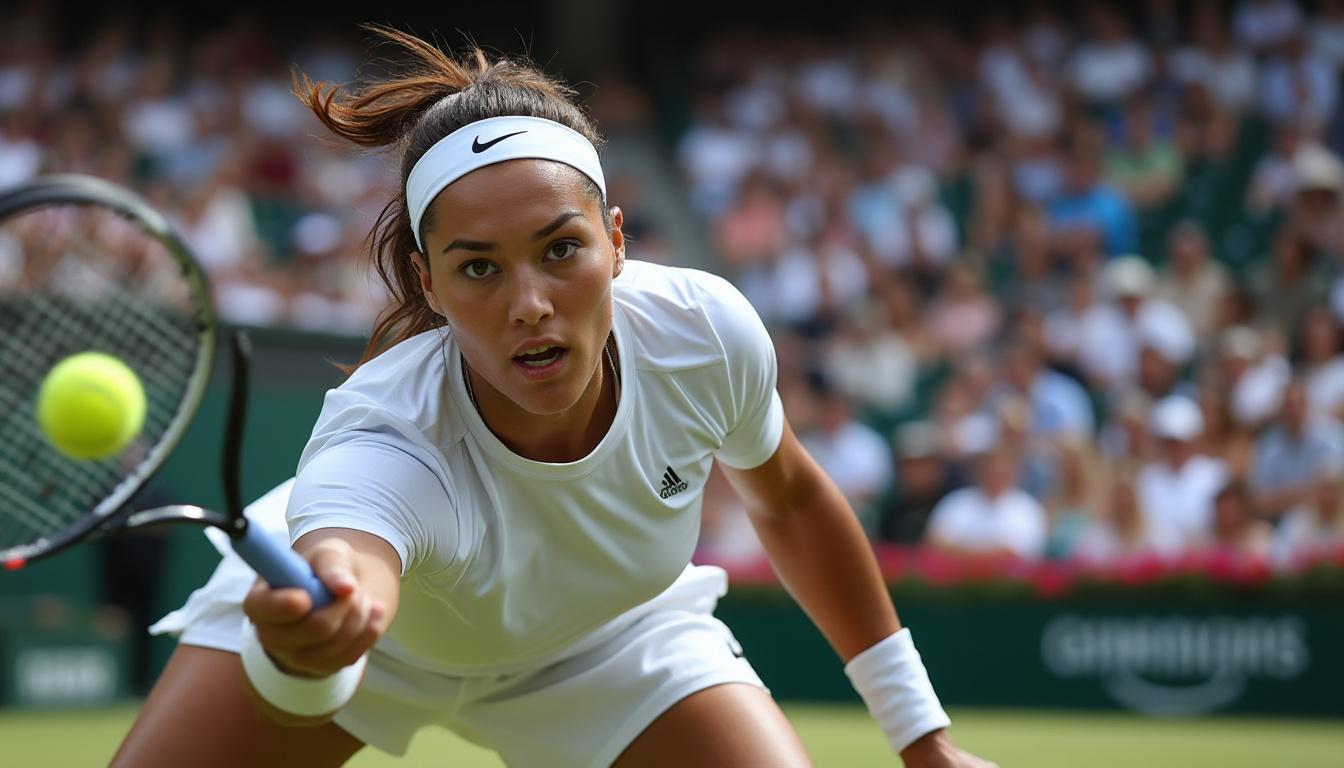
Precision and Consistency Drills: Balancing Pace and Accuracy in Tennis Practice
Speed without control merely hands the advantage to opponents. Consequently, accuracy training becomes indispensable when pursuing serve speed boosts. Drills focusing on consistent target hitting in the service box cultivate not only muscle memory but also mental resilience needed to perform under duress.
One effective drill involves setting cones or marked zones within service boxes and systematically aiming serves directly at them. Players progressively increase serve pace while maintaining high placement accuracy, fostering the reliable blend of pace improvement without sacrificing target control. This approach mimics tournament pressure, as repeated practice in zone-specific serving builds confidence when stakes rise.
Another valuable drill tweaks the serve pattern—rotating between wide serves, body serves, and T serves. This variation not only enhances unpredictability but trains players to adjust their delivery speed and placement dynamically, mirroring match scenarios where adaptive serve deployment unleashes tactical advantage.
Integrating serve drills with rapid court movement—especially incorporating split-step techniques immediately after serve execution—simulates real match flow, keeping players engaged and prepared for quick returns. Such compound drills enhance transition speed and preserve serve consistency throughout taxing rallies.
An often-overlooked component is mental conditioning that sharpens focus and decision-making, enabling players to maintain precise serve execution amid the tension of live play. Techniques include visualization of serve targets and controlled breathing exercises, promoting a composed mindset essential for successful high-speed serving.
For players eager to deepen understanding and expand their accuracy and serve speed routines, resources such as serve improvement drills and serve consistency under pressure provide additional expert insights and practical applications reflecting the latest standards in tennis training.
Dynamic 25-Minute Serve Speed Boost Sessions with Tactical Game Simulation
Translating serve speed and accuracy enhancements into match domination demands practice routines reflecting authentic game circumstances. Dynamic drills designed to introduce spontaneous target switching and timed serving pressure replicate the adrenaline and unpredictability of tournament play.
Incorporating rapid reaction serve drills, where players must adjust to shouted target locations, mimics split-second tactical decisions. This form of tennis practice fine-tunes both physical execution speed and mental agility—qualities invaluable during high-stress points.
Competitive formats adding scoring elements to drills, such as awarding points for precise zones or achieving aces within limited time frames, foster resilience and sharpen nerves akin to real matches. These competitive serve games elevate engagement and embed valuable psychological conditioning.
Coupling these exercises with immediate biomechanical feedback from video capture or wearable motion sensors accelerates technique correction, preventing ingrained errors and solidifying optimized serve mechanics.
Such high-intensity sessions, though brief, catalyze sprint-like neurological and muscular adaptations, ensuring serve speed gains integrate with functional accuracy and tactical awareness. They epitomize a smart approach where power and precision coalesce seamlessly, translating training effort efficiently into match-winning results.
Pre-Season Serve Training Regimens: Layering Power, Speed, and Mental Focus
Pre-season periods are critical opportunities to construct serve capabilities from foundational skills through advanced power and speed work. Initial sessions emphasize warming up core muscles and joints, including rotational stretches and light resistance exercises that preserve energy for intensive serve drills.
Players leverage multipronged drills targeting arm thrust power, coupled with leg drive enhancement through sprint intervals, seamlessly integrating these elements into precision serve placement routines. The interplay between muscle condition and refined serve technique fosters a reliable and formidable serve.
Table: Sample Pre-Season Serve Training Components
| Training Component | Focus Area | Example Drill |
|---|---|---|
| Core & Explosive Power | Rotational strength, plyometrics | Medicine ball throws, cable woodchoppers |
| Serve Technique | Consistency, placement | Target serving, serve pattern drills |
| Mental Conditioning | Decision-making, pressure handling | Mental rehearsal routines, simulated match serving |
| Endurance & Athleticism | Speed sustainability | Interval sprints, endurance cross-training |
Measuring progress remains pivotal. Serving speed monitored by radar and accuracy tracked via target hits provide objective feedback facilitating tailored program adjustments. For contemporary players, amalgamating strength, accuracy, and mind focus through structured sessions propels a serve from mere potential to match-winning weaponry.
Adopting a holistic strategy that encompasses routine building, visualization, and recovery protocols cultivates emotional readiness and physical precision. Such synergy ensures players approach every serve with confidence and clarity, crucial for high-stakes tournament success.
Integrating Serve Speed and Accuracy Training into Daily Tennis Practice
The frequency and consistency of serve-focused practice dictate the translation of training benefits into competitive output. Allocating specific 25-minute blocks daily empowers players to engage in comprehensive tennis drills blending speed boost elements, accuracy training, and power conditioning seamlessly.
Weighted racquet swings and resistance bands are practical tools promoting muscle adaptation while preserving technique integrity. These methods enhance explosive acceleration without compromising control, reinforcing the serve technique fundamentals essential for sustained success.
Integrated recovery strategies, including dynamic stretching and myofascial release, minimize injury risks, thereby enabling players to maintain high training intensity. Balancing effort and recuperation optimizes performance over a demanding season.
Engagement remains critical; incorporating competitive serve games within practice fosters motivation and replicates match tension, instilling resilience. When paired with technology such as speed radar and motion analysis, these routines cultivate measurable improvements beyond the traditional training scope.
Ultimately, this disciplined approach converts each tennis practice into a strategic opportunity to transform serve pace and accuracy into a commanding on-court advantage.
How do biomechanical drills enhance serve speed?
Biomechanical drills optimize the kinetic chain involved in serving, improving energy transfer from legs and torso to arm and racquet, thus boosting serve speed efficiently without losing control.
What are the best drills to maintain serve accuracy at high speeds?
Target practice drills focusing on hitting specific zones, serve pattern variations, and pressure simulation exercises help maintain precision while increasing serve pace.
Can mental training really affect serve performance in matches?
Yes, mental training enhances focus, decision-making, and pressure management, enabling players to sustain accuracy and speed even during crucial match moments.
How important is endurance training for serve speed?
Endurance training supports maintaining explosive power and velocity throughout long matches, preventing serve fade and performance dips.
What role does technology play in serve speed improvement?
Technology like video analysis and speed radar provides precise, immediate feedback allowing players to refine their mechanics and track progress effectively.