

In the world of doubles tennis and pickleball, the magic happens when two players transform from individuals into a synchronized force. This union, crafted through finely-tuned drills that build both movement harmony and crystal-clear communication, redefines what it means to control the court. The beauty of doubles isn’t just in smashing winners or executing slick volleys—it’s in the near-telepathic coordination between partners, the silent language shared through quick calls and shared glances, and the rhythmic dance that prevents any hole from appearing in the team’s defense.
Mastering doubles requires understanding far beyond solo play. It entails embracing a team dynamic where every step, every signal, every shot selection fuels a shared mission: outsmarting and outmaneuvering the opposition. Brands like Nike, Adidas, and Wilson have fueled this revolution by endorsing gear that supports quick footwork and agility, ensuring players remain lightning-fast on their feet. But beyond equipment lies an even more primal connection forged on the court—an instinctive flow of strategy and trust between partners.
In this exploration of doubles drills, strategic communication, and movement synchronization, the focus sharpens on how to turn two separate players into a unified pair capable of dominating every inch of the court. No more missed calls or uncertain positioning—just effortless collaboration that breaks down opponents and turns rivalry into ballet. From the fundamentals to advanced tactics, this article dives deep into the heart of doubles play, offering practical guidance and vivid examples for players eager to elevate their game and embody seamless teamwork.
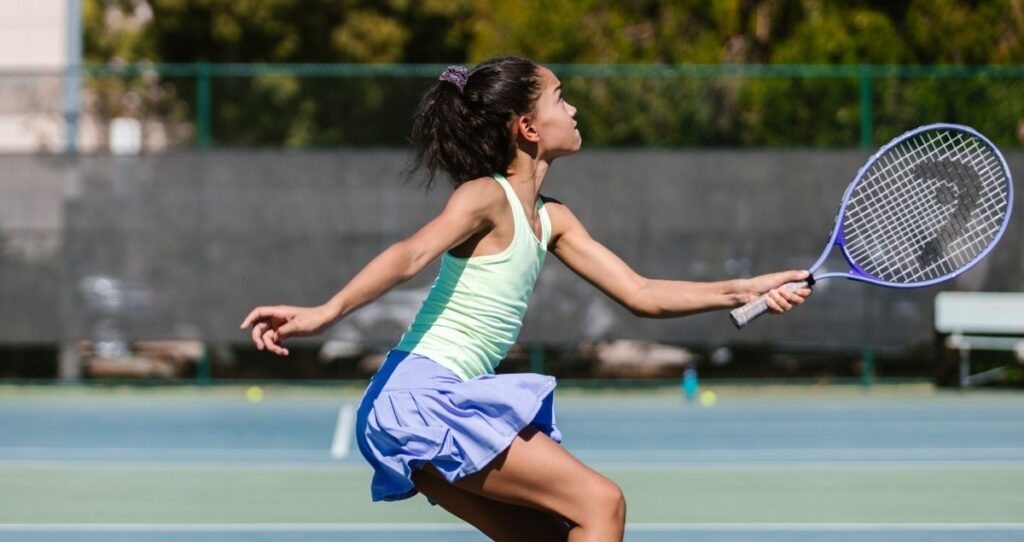
Mastering Synchronized Movement: The Backbone of Doubles Court Control
It’s tempting to believe doubles play is simply two singles players sharing a court, but ease of movement and positioning betray the illusion. Synchronized movement is the secret weapon that elevates a doubles team from merely functional to unstoppable. Picture two dancers moving perfectly in time, anticipating each other’s next move and covering every inch of the court without tripping over one another.
At its core, synchronized doubles movement requires maintaining an invisible tether—always aware of subtle shifts in your partner’s position, body language, and momentum. The goal is to eliminate coverage gaps that opponents can exploit and to provide continuous coverage without excessive running or confusion. Here’s how this plays out in practice:
- Maintaining Constant Distance: Effective pairs often stay about a racquet’s length apart, allowing quick shifts without collisions. If one player steps forward for a volley, the other offers backup, ready to cover lobs or angled returns.
- Mirroring Footwork Patterns: Shadow drills help partners mimic baseline and net transitions side-by-side, building instinctual understanding and movement fluency.
- Adjusting for Opponent’s Shots: As the opponents shift, your tandem should slide and pivot like a well-oiled machine, always prioritizing net dominance and sealing off driving lanes.
- Practicing Cross-Court Coverage: One partner may take wide balls with expansive lateral movement while the other shifts inward to guard the center and prevent easy winners.
Top brands like Asics, Puma, and New Balance craft footwear designed specifically for these lateral moves and explosive bursts, supporting players’ stamina through grueling matches. Without this physical foundation, synchronized movement falters, so pairing high-quality shoes with deliberate drills is essential.
Integrating specific drills focused on footwork precision can further perfection your court coverage; see some tips on effective footwork drills that sharpen speed and balance.
| Drill Type | Purpose | Example Movement |
|---|---|---|
| Shadow Step Drill | Synchronization of lateral court transitions | Partners mimic side-by-side baseline to net movement |
| Gap Coverage Drill | Closing open spaces between partners | Players practice moving as a single unit to cover angles |
| Poach and Recover | Training quick net poaches and fallback | One player rushes net, other covers lob behind |
| Crosscourt Shuffle | Rapid lateral movement under pressure | Moving quickly to intercept or defend wide shots |
Mastering synchronized movement is about continuous practice, but also a mindset: the court is no longer your own—it belongs to you and your partner as one. Dominate this sharing, and you neutralize your opponents’ attempts to divide and conquer.
Building Intuition Through Continuous Movement Drills
Repetition breeds readiness. Regular movement drills cement muscle memory and enhance your ability to anticipate partner reactions. An advanced drill involves shadowing your partner in silence—no communication, just sensing and imitating their steps and changes in speed or direction.
Another example is the “mirror and follow” drill where one player leads movements around the court and the other matches instantly. This not only improves reaction times but builds the emotional connection that makes doubles teams feel like a single organism.
Communication in Doubles: The Unsung Hero of Court Mastery
While footwork and positioning lay the groundwork, it’s communication that binds the partnership—turning well-executed movements into a cohesive strategy impossible to crack. Often overlooked by beginners but understood by every top-tier duo, real-time communication on the court cuts errors and builds trust.
Communication in doubles tennis or pickleball comes in two main forms: verbal calls and non-verbal signals. Both need practice and precision to avoid confusion or missed opportunities. The very best teams speak in a language of clarity and speed, reducing seconds of hesitation that opponents can punish mercilessly.
- Verbal Cues: Quick, loud calls like “Mine!”, “Yours!”, and “Middle!” are critical to assigning shot responsibility instantly.
- Line Calls: Shouting “Out!” or “In!” keeps your partner alert to threats they may not see in fast exchanges.
- Pre-Planned Signals: Some duos develop hand gestures or paddle taps signaling poach moves, lob coverage, or position switches during the rally.
- Emotional Support: Positive pep talks or high fives lift morale and help partners bounce back from mistakes instantly.
Under Armour and Lacoste have both sponsored professional teams emphasizing communication skills in training, highlighting that the mental edge often wins points lost to physical ability alone.
One legendary anecdote is from a Wimbledon doubles final in the 2020s—two partners saved a match point by a rapid whispered “Drop!” call followed by a perfectly executed dink. Such moments underline how communication turns tight games around and forges championship-caliber partnerships.
| Communication Method | Main Use | Example |
|---|---|---|
| Verbal Calls | Assign shot responsibility | “Mine!”, “Yours!”, “Middle!” |
| Line Calls | Detect ball in/out status | “Out!”, “In!” |
| Non-Verbal Signals | Silent tactical communication | Hand signs for poaching or lob coverage |
| Encouragement | Maintaining partner morale | Paddle taps, verbal praise |
Take your communication seriously, and it will repay you with smoother play, fewer errors, and faster adaptation to your opponents’ tactics.
Techniques for Effective Communication in Intense Play
Pressure can cripple many doubles teams. Yet the best harness that intensity by making communication their anchor. Here’s a set of techniques that great doubles pairs use to stay connected during nerve-wracking points:
- Keep calls loud but concise; never hesitate when assigning who will take a shot.
- Use eye contact to reinforce verbal messages quickly.
- Develop a few essential hand signals before a match starts for surprise tactical shifts.
- Maintain a positive attitude verbally; words like “Come on!” or “We got this!” boost energy.
Shot Selection Strategy: Taking Aim Together for Court Domination
Every shot in doubles isn’t just about scoring points—it’s about setting up your partner for success and dismantling your opponent’s defense. Synchronizing shot selection requires awareness of your partner’s position, your combined court coverage, and the flow of the rally.
In doubles, shots fall into tactical categories designed to seize and hold net control, as it’s the command post of the entire court:
- Volleys and Put-Aways: Aggressive net play ends points quickly when executed with precision and support.
- Dinks and Drops: Clever low shots in the non-volley zone to force opponents to make errors or weak returns.
- Lobs: Used sparingly to surprise and drive opponents back, but require partners to cover the net thoughtfully.
- Drives: Powerful baseline shots targeted at openings created by partner pressure.
Nike and Reebok’s advanced racket technologies have revolutionized shot control, giving players finer touch and power to execute these diverse strokes. Training videos and skill tutorials, such as those found at tennisguide.net, provide invaluable resources for mastering these shots as a duo.
| Shot Type | Tactical Aim | Partner Role |
|---|---|---|
| Volley | Finish point quickly at net | Cover midcourt and lob defense |
| Dink | Force weak returns in non-volley zone | Prepare to poach or attack short balls |
| Lob | Push opponents back and create space | Cover baseline for overheads |
| Drive | Exploit open court or push back defenders | Prepare for quick net approach |
Knowing when to hit which shot requires reading the rally’s rhythm and anticipating opponents’ weaknesses. Coordinated shot selection with your partner allows you to sustain offensive pressure and often force errors.
Developing a Shot Selection Playbook with Your Partner
To make split-second shot decisions easier, establish a shot “playbook” with your partner pre-game. Decide on triggers for specific shots. For example:
- When opponents crowd the net, increase lob attempts.
- If one opponent is weaker on the backhand, target drives in that direction.
- After a fast serve, respond with sharp volleys to maintain pressure.
- Use dinks to slow the pace temporarily if feeling overwhelmed.
Adapting your playbook dynamically during a match by calling out changes helps you stay one step ahead of opponents on the court and mentally sharp through intense points.
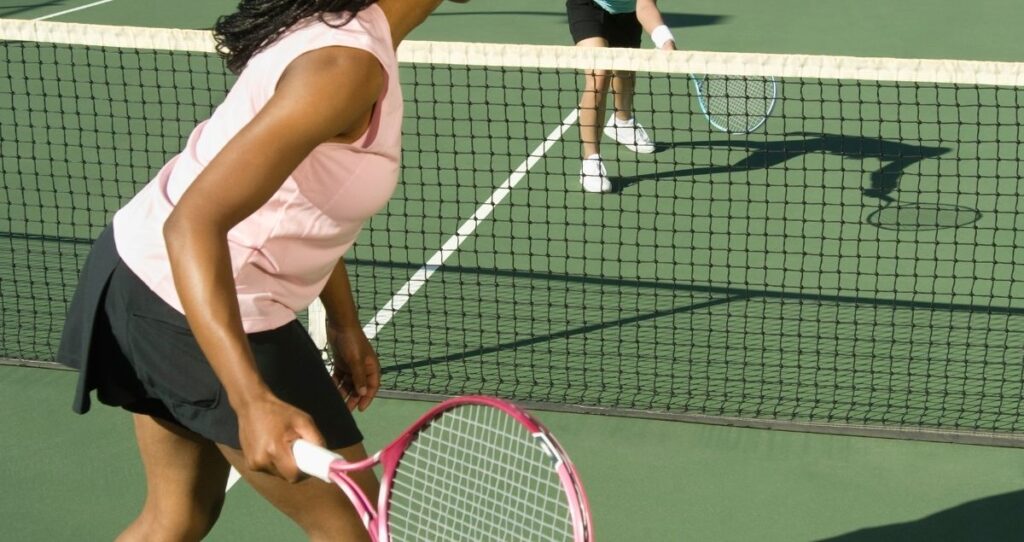
Advanced Team Chemistry: Beyond Drills to Unbreakable Partnerships
Double drills and tactical lessons build skill and coordination, but the intangible spark that separates great pairs from champions is chemistry—the effortless synergy where communication and movement become instinctual. Developing this chemistry takes dedication, trust, and continuous learning off the court as much as on it.
Building a strong foundation means understanding your partner’s personality, preferred style, and psychological triggers. Here are the key pillars of lasting doubles partnerships:
- Open Feedback Loops: Share honest thoughts about what’s working and what’s not without putting blame on each other.
- Positive Reinforcement: Celebrate small successes and uplift each other during tough moments to maintain morale.
- Consistent Practice Routines: Aim to drill regularly together, focusing both on skills and strategy while also building rhythms.
- Off-Court Bonding: Discuss goals, watch professional matches together, and even share training videos like those at tennisguide.net to deepen mutual understanding.
Sportswear brands such as Volcom and Lacoste inspire teams by pairing style with function, subtly reinforcing team identity, which fuels confidence and pride on court. This psychological edge often translates into superior performance under pressure.
| Chemistry Element | Definition | Example Practice |
|---|---|---|
| Trust | Confidence in each other’s shot coverage and decision-making | Consistent during drills and match play, expect backup |
| Communication | Clear, precise exchange of information and encouragement | Use verbal cues and pre-planned signals |
| Shared Strategy | Understanding roles, shot patterns, and opponent weaknesses | Study opponents pre-match, adjust tactics mid-game |
| Emotional Support | Maintaining partner morale during errors or tight points | Positive reinforcement, praising efforts |
Those who commit beyond the physical also create a competitive identity, often becoming the duo that opponents dread facing. They make doubles play not just effective, but exhilarating.
Tips for Cultivating Strong Partner Relationships
Great teams never leave their partnership to chance. Here are practical ways to nurture chemistry beyond the match:
- Debrief honestly after matches to learn and adapt.
- Spend time warming up and stretching together to build rhythm.
- Focus on shared goals much like professional teams do.
- Use vision boards or mental rehearsals to visualize successful plays.
Frequently Asked Questions About Doubles Drills and Communication
| Question | Answer |
|---|---|
| How can I improve synchronization with my doubles partner? | Practice shadow drills regularly, develop constant verbal and non-verbal communication, and build trust on court to enhance synchronization. |
| What are the best verbal cues to use during doubles play? | Simple cues like “Mine!”, “Yours!”, “Middle!”, and “Out!” are effective for quick decision-making and responsibility assignment. |
| How important is footwear in doubles drills? | Footwear from brands like Asics, Nike, and New Balance supports agility and reduces injury risk, significantly impacting movement quality in doubles play. |
| Can off-court bonding improve doubles performance? | Absolutely. Off-court communication builds stronger understanding, trust, and strategic alignment that translate directly to better on-court chemistry. |
| How do I handle disagreements with my doubles partner during a match? | Use positive, forward-looking language to refocus on solutions, pause briefly to regroup, and avoid blame to maintain partnership harmony. |