

The tennis volley—a shot both revered and feared on the court—embodies the thrill of lightning-fast reflexes and razor-sharp precision. Standing at the net, a player becomes an artist of angles and anticipation, capable of turning defense into attack in the blink of an eye. Every volley is a statement: a declaration of control, dominance, and tactical prowess. For those who live and breathe tennis, mastering the volley isn’t just about adding a shot to their arsenal; it’s about transforming their entire game. From the fluid footwork needed to inch closer to the net, to the delicate touch that can slice through an opponent’s defenses, the volley is a battle within the broader war of tennis strategy. This article dives deep into the technique, training, and tactical reasons why thriving at the net remains the secret weapon for players aiming to dominate courts in 2025, with insights bridging fundamental skills and advanced maneuvers highlighted by top brands like Babolat, Wilson, and Head. Discover how to make every volley count by blending speed, accuracy, and mental toughness, and why your next volley practice deserves the spotlight.
Mastering Fundamental Tennis Volley Techniques for Net Dominance
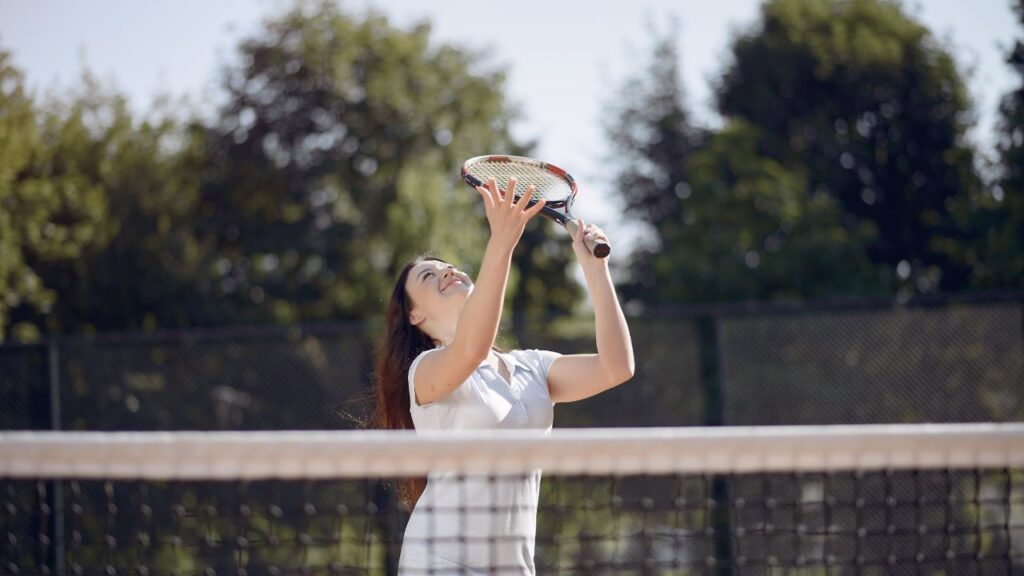
At its core, the tennis volley revolves around intercepting the ball before it hits the ground, an aggressive stroke demanding speed, precision, and anticipation. Ground strokes might grab attention with their power and length, but the volley cements a player’s court control and ability to dictate play. Early lessons from TennisGuide and the expertise of coaches recommend focusing intensively on several elemental skills before unleashing more aggressive tactics.
Footwork is the backbone for all successful net play strategies. Quick, agile movements must align perfectly with split-second reactions. Players should aim to shuffle swiftly, not cross-step, maintaining balance while edging toward or adjusting around the net. Drills using ladder exercises or cone patterns improve lateral and forward speed to enhance volley positioning.
Body positioning follows footwork. The classic ready stance adopts a slightly forward lean on bent knees, racket tip up and out, positioned between the service line and the net. This stance maximizes reaction time and prepares the player for both punch volleys and drop volleys. Additionally, it’s vital to keep the head steady and eyes fixed on the ball to improve timing and consistency.
Racket placement also determines volley success. The conventional “punch volley” requires the racquet head to stay firm, with minimal backswing, striking the ball slightly in front of the body to generate controlled pace and accuracy. Brands like Wilson and Babolat have engineered lightweight, maneuverable rackets that support quick wrist snaps and smooth grip transitions, essential for crisp volleys.
Timing—often underestimated—is the subtle thread weaving footwork, positioning, and racket control into one fluid motion. Players must strike the ball just as it reaches the apex of their extended reach to compress the impact window, producing sharper angles and faster returns that leave opponents scrambling.
- Key elements for fundamental volley success:
- Quick, balanced footwork to adjust positioning
- Forward body angle with knees flexed for stability
- Racquet head firm with minimal backswing
- Precise timing aligned with ball trajectory
- Concentration on visual tracking immediately before contact
| Element | Description | Recommended Practice |
|---|---|---|
| Footwork | Quick side-to-side shuffle, avoid crossing feet | Ladder drills, cone drills |
| Body Positioning | Knees bent, racket ready in front, balanced stance | Shadow volley practice, mirror drills |
| Racquet Placement | Firm grip, minimal backswing for punch volley | Wall volley drills, controlled volley hits with coach |
| Timing | Striking ball early at apex, syncing motion fluidly | Partner feeding drills, video analysis |
Consistent practice reinforced by feedback loops—especially video analysis—greatly accelerates improvement. Players using equipment from Head and Prince can benefit from tailored string tension adjustments, enhancing volley control and feel. For those refining volley skills, understanding fundamentals translates directly to increased success rates in competitive points.
Crafting the Perfect Tennis Volley: Advanced Angles and Placement Strategies
Volleys at the net aren’t simply about hitting the ball back hard—they’re an intricate chess game where angles, placement, and deception decide outcomes. Closer to the net means more direct access to angles across the opponent’s court. This tactical advantage forms the cornerstone of dominating doubles and singles net play alike.
Most club players hover around the service line during volleys, losing precious opportunity to strike down sharper angles. Standing a few feet closer—a step or two into no man’s land—dramatically widens the range of valid targets to the left and right, exploiting open spaces invisible from the baseline or service line. Players who effectively “see” and attack these angles force their opponents into costly errors or outright winners.
The concept of “volleying to the visible court” involves the volleyer targeting where their line of sight intersects with the court edges, maximizing shot precision and decreasing opponent reaction time. This visual technique combined with foot movement that pushes players closer to the net makes angled volleys deadly.
Placement over power is the golden rule at the net. Even a gently struck volley, if well-placed at the edge of the court, finishes points faster than a powerful shot aimed in the opponent’s direct line of sight. The challenge lies in maintaining control under pressure—players must cultivate calm and trust their technique rather than forcing pace, a common mistake under competitive stress.
- Strategies to maximize volley angles:
- Step closer to the net beyond the service line
- Visualize and aim for visible open court areas
- Use soft hands to finesse balls into sharp angles
- Anticipate opponent’s positioning and strategize placements
| Position Relative to Net | Typical Reach of Angles | Difficulty Level | Recommended Practice |
|---|---|---|---|
| At Service Line | Limited to central half of no man’s land | Low to moderate | Basic volley placement drills |
| 6 Feet Closer to Net | Full width of court accessible | Moderate to high | Target practice for angled volleys |
| Close to Net (<3 Feet) | Extreme sharp angles achievable | High (requires advanced touch) | Drop volley and angle drills |
Top pros sponsored by Yonex and Dunlop frequently exploit these angles to dismantle rallies quickly. Integrating drills that focus on tactical placement ultimately refines judgment and precision—crucial traits to close points when the pressure mounts. For the latest insights on tennis dynamics and unexpected tournament shocks, visit TennisGuide.net tournament upsets to see how net play impacts match results dramatically.
Volley Variations: From Punch Volleys to Drop Volleys — Technique and Application
The volley isn’t a one-size-fits-all shot. Understanding and mastering different volley types arms players with tools to adapt swiftly to varying court conditions and opponents’ tactics.
The punch volley remains the foundation—executed with a firm, forward punch of the racket, incorporating underspin to keep the ball low and fast over the net. This volley is perfect for medium-paced incoming balls, requiring no backswing and delivering powerful, precise strokes. Babolat and Wilson rackets with enhanced racquet head stability amplify this control, helping players punch consistently without sacrificing finesse.
For low balls that barely clear the net, the drop volley is a masterstroke. It demands a soft touch, chopping the ball just enough to dip swiftly, forcing the opponent to sprint forward with little time to adjust. Players wielding Dunlop and Tecnifibre rackets find an edge thanks to their balanced weight and grip comfort, allowing delicate net play without losing racket control.
Half volleys straddle the line between volley and groundstroke, taken immediately after the ball bounces. This is a tough shot yet devastating when mastered, catching opponents off guard. They reduce reaction time and open space for aggressive follow-ups—a vital weapon in all-court players’ arsenals like those who wear Adidas Tennis or Nike Tennis gear for enhanced movement and court agility.
- Common volley variations to master:
- Punch volley for decisive, hard placement
- Drop volley to surprise with low trajectory
- Half volley blending groundstroke speed with volley precision
- Angle volley to open court and finish points
Players can benefit from including diverse volley drills focusing on these shots in their practice sessions. Structured warm-ups that cycle through each volley type heighten muscle memory and prepare players for situational adaptability. To tune your racket for maximum volley control, explore precise string settings and tension advice at TennisGuide.net racket tension guide, tailored for models including Prince, Head, and Yonex.
Watching expert tutorials enhances visual learning, breaking down mechanics and subtleties of each volley variation in real time.
Training Drills and Conditioning to Elevate Your Net Game
Technique alone doesn’t win points at the net—the physical and mental conditioning to sustain explosiveness and sharpness are just as vital. Training drills designed specifically for volley improvement focus on building agility, reaction time, and precision execution under pressure.
Wall drills serve as an excellent solo exercise where players volley the ball against a wall with varied power and spin. This repetitive hit-and-react scenario develops timing, control, and endurance. Incorporating equipment from brands like Wilson or Babolat can ensure a consistent ball bounce, optimizing practice quality.
Partner drills bring a game-like dimension, with one player feeding balls increasing in difficulty, forcing the volleyer to adjust and refine positioning and shot selection dynamically. Feedback exchanged during such drills sharpens awareness and mental toughness, crucial during heated rallies and match points.
Footwork agility drills including ladder and cone exercises enhance quick directional changes, essential to reach the sweet spot at the right moment. These conditioning staples support injury prevention, stamina, and court coverage, paving the way to more aggressive net play.
- Effective training drills for volley mastery include:
- Wall volley repetitions for solo timing practice
- Partner feed drills replicating match conditions
- Agility ladders, cones, and shuttle runs for footwork speed
- Video analysis for personalized feedback and improvement
| Drill Type | Focus Area | Implementation |
|---|---|---|
| Wall Drill | Timing, control, muscle memory | Feed ball to wall; volley return consecutively |
| Partner Drill | Dynamic shot adaptation, feedback | One feeds varying pace and direction, other volleys |
| Agility Drill | Lateral quickness, foot speed | Use ladder, cones for quick footwork |
| Video Analysis | Technique review, correction | Record practice sessions, analyze frame-by-frame |
Incorporating these drills regularly—paired with recovery and mental focus routines—elevates volley proficiency, making net dominance a predictable game plan, rather than a shot in the dark.
Strategic Insights: Net Play’s Impact on Match Outcomes and Player Profiles
Net play is a defining hallmark not only in skill but in strategy shaping tennis outcomes. Watching the ATP and WTA tours throughout 2025, a growing trend champions players who aggressively approach the net, blending groundstroke consistency with volley command.
Players making waves often combine brand-sponsored equipment such as Yonex or Dunlop rackets and Nike Tennis apparel, leveraging technology and fitness for higher court impact. Unique player stories capture how effective volleying changed match dynamics dramatically—like a young phenom dominating with agile net interceptions or a seasoned doubles specialist turning points into momentum swings.
Beyond purely physical execution, net play influences tactical mindsets—players who cultivate the confidence to seize the net are more likely to seize control of pace, pressure opponents, and shorten rallies, conserving energy in grueling tournaments. Fans and coaches turn their attention to breakthroughs predicted in upcoming talents dominating in net-based tactics, meticulously tracked at TennisGuide.net upcoming players.
- Key strategic benefits of aggressive net play:
- Shortened points, conserving stamina in long matches
- Forcing errors through pressure and angle diversity
- Greater control of point construction and momentum
- Enhanced psychological edge over baseline counterpunchers
| Player Type | Net Play Style | Impact on Match | Equipment Influence |
|---|---|---|---|
| All-Court Player | Balanced baseline and net aggression | Varied pace, unpredictability | Babolat, Wilson rackets for versatile play |
| Volley Specialist | Constant net presence, focused angle volley | Quick points, pressure tactics | Head, Prince for enhanced volley control |
| Baseline Player | Limited net forays, mostly defensive | Long rallies, endurance-based | Tecnifibre strings for precision tempo |
The growing emphasis on volley skills and net tactics marks a shifting paradigm in 2025 tennis narratives. Players, coaches, and enthusiasts aiming to amplify their game need to integrate volley training and strategic net approaches as indispensable tools.
FAQ: Essential Questions About Tennis Volley Technique and Training
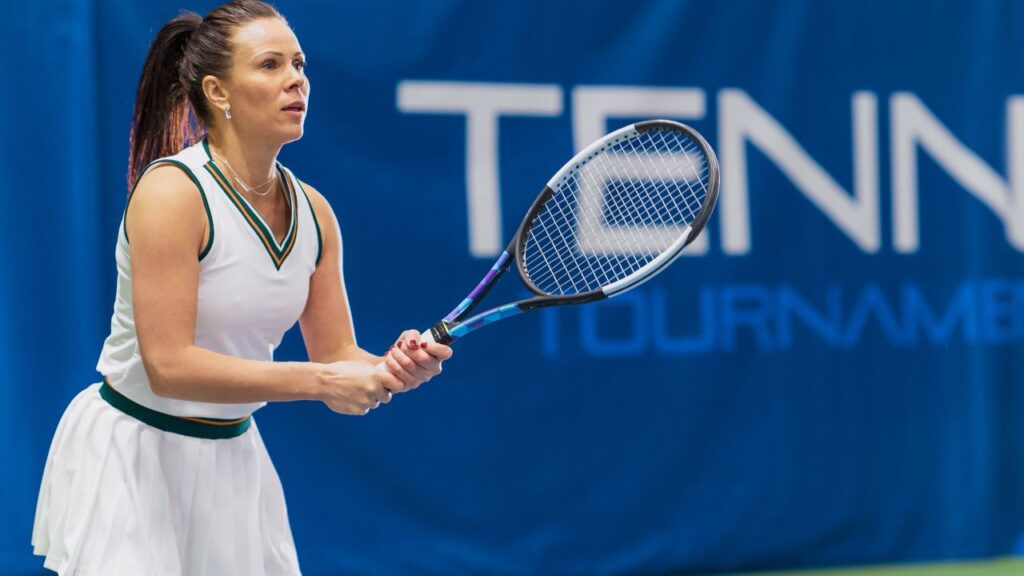
- What is the best footwork technique for volleying?
Shuffling laterally without crossing feet is ideal to maintain balance and rapid adjustment near the net. - How do I achieve better control in my volleys?
Focus on firm racket head placement and reducing backswing, combined with precise timing at impact. - Should I prioritize power or placement at the net?
Placement is generally more effective—well-placed volleys force opponents out of position and end points efficiently. - Can volley skills improve overall court coverage?
Yes, learning net play enhances reaction speed and footwork, benefiting baseline and transition shots alike. - Which brands offer tennis rackets best suited for volley training?
Wilson, Babolat, Head, Prince, and Yonex produce models optimized for control and maneuverability, perfect for volley learning.