

Tennis is no ordinary sport—it’s a relentless dance of explosive power, razor-sharp agility, and endurance that stretches beyond physical limits. Whether you’re chasing down a blistering forehand from a Wilson-clad rival or thin slicing slices behind an Adidas net, the demands on your body are uniquely intense. To dominate the court with grace and force, players must develop strength that translates directly to tennis movements, paired with agility that lets them seize every ball with lightning speed. This is where the magic of tennis-specific exercises comes in, combining the precision of a Prince racquet swing with the durability and flair demanded by the game’s finest. The top players from Yonex to Nike aren’t just blessed talents; they are athletes molded by targeted training regimes tailored precisely to the unpredictable ballet of the court. Harnessing the full potential of muscles, joints, and reflexes, these drills aren’t about brute force—they craft the powerful, nimble competitor every aspiring champion aims to become.
The road to tennis mastery is paved with strategic training that goes beyond generic gyms or uninspired cardio sessions. Take a page from the tenets forged in the underground tennis courts of Southern California to the sun-baked arenas of Texas, mixing the schooling of giants like Roger Federer with cutting-edge regimes inspired by the latest fitness science. Today’s tennis players need more than just endurance; developing multi-directional speed, core stability, rotational control, and explosive unilateral power is the difference between collapsing on court and claiming victory under the blazing sun. This article explores the foundational physical threads renowned experts dubbed the “Martin Method 9 Threads,” delivering a blueprint of exercises designed for players at every level—from hopeful novices rolling a Babolat ball for the first time to seasoned pros wearing Lacoste and Under Armour gear, poised to elevate their game to the next echelon.
From dynamic warm-ups that activate the muscle groups critical for swift court coverage to powerful overhead presses sculpting shoulders primed for ruthless serves, the exercises discussed here form the backbone of effective tennis training programs. Together with an arsenal of drills enhancing everything from force absorption to repeated explosive power, this guide is the ultimate resource for anyone serious about transforming their tennis play through strength and agility. Suit up with Head or Wilson, lace your Asics, and prepare to harness the exact methods that separate the great from the good in tennis battles all over the world.
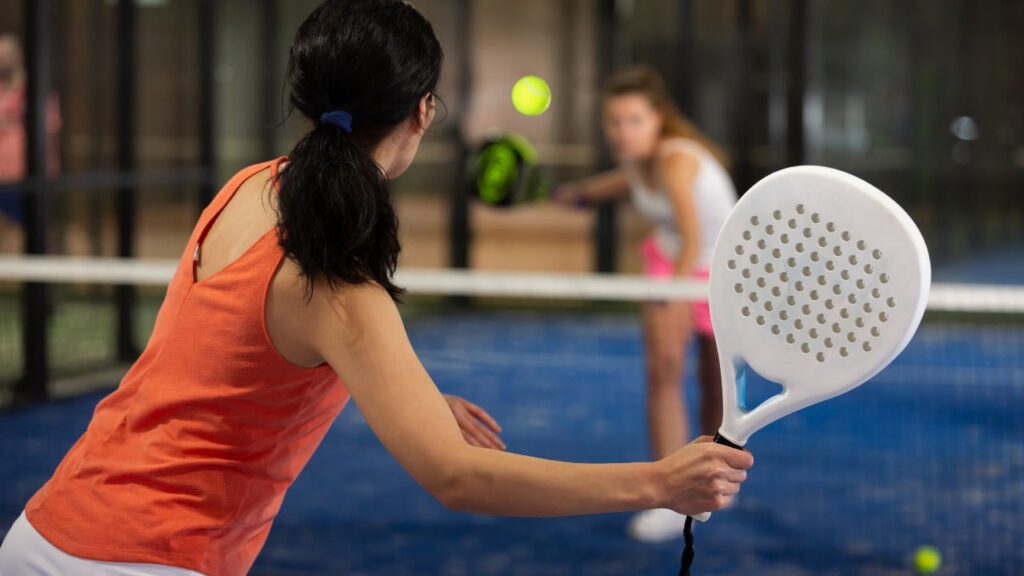
Building Bilateral and Unilateral Strength for Tennis Power and Balance
Strength is king in tennis, but not just any strength—it’s bilateral and unilateral power tailored for the game’s unique demands. Bilateral strength involves the coordinated use of both sides of your body, providing a solid foundation upon which endurance, power, and force absorption depend. This full-body strength enables a player to withstand the rigors of lengthy baseline rallies and powerful volleys alike.
Consider the goblet squat, a bilaterally focused exercise often employed by top tennis fitness trainers. When executed with proper form, it targets your quads, hamstrings, glutes, and core simultaneously. This synergy not only increases leg strength but also enhances posture—crucial for maintaining balance during rapid directional changes typical of a match. Likewise, the split squat zeroes in on unilateral strength, mimicking tennis-specific lunges and explosive forward pushes used during serves and baseline runs. Incorporating dumbbells can intensify these drills, mirroring resistance encountered when hitting a strong forehand with Wilson or Babolat racquets.
Rotational exercises complement these movements by addressing the necessary torque generated when swinging. The plate and cable rotations cultivate anti-rotational and rotational control to protect your lower back and optimize the kinetic chain. Precisely controlling torso twists elevates the intensity of your shots while minimizing injury risk, ultimately sharpening the reliability and precision that Nike and Yonex-sponsored pros rely on in crucial moments.
- Bilateral strength boosts overall stability and power; key examples include goblet squats, back squats, and front squats.
- Unilateral power develops efficient push-offs, lateral movement, and dynamic footwork with exercises like split squats and single-leg lateral bounds.
- Rotational control enhances power output and injury prevention through plate or cable rotational drills.
| Exercise | Target Muscle Groups | Key Tennis Benefit | Recommended Reps |
|---|---|---|---|
| Goblet Squat | Quads, Glutes, Core | Improves bilateral leg strength for explosive movement and endurance | 3 sets of 12 |
| Split Squat with Dumbbells | Hamstrings, Quads, Glutes | Strengthens unilateral power for dynamic court pushes | 3 sets of 10 per leg |
| Plate Rotation | Obliques, Core, Shoulders | Builds rotational control to increase shot power and protect joints | 3 sets of 15 per side |
By integrating these tennis-specific strength exercises into your workout routine, aligned with trusted brands like Under Armour for comfortable gear and Head for precision tools, you’ll craft a body that’s not only powerful but exquisitely tuned for tennis demands. This targeted approach will pay dividends on court—fast footwork, swift recovery, and the kind of forceful shots that carve winners out of thin air.
Enhancing Multi-Directional Speed and Force Absorption for Rapid Court Coverage
Speed is the lifeblood of effective tennis play. But not the straight-line sprinting speed that wins 100-meter dashes, rather the explosive, multi-directional quickness that lets players dominate every inch of the court. Multi-directional speed training focuses on agility drills that improve rapid changes of direction while maintaining balance and control—vital for chasing down those sharp cross-court shots and sudden drop volleys.
One of the most effective drills for this is the box drill, a dynamic footwork exercise that develops the quick lateral, forward, and backward movements essential during rallies. Incorporate agility ladders and rope drills to train foot speed and coordination further. These tools simulate the unpredictable trajectories a player faces, much like the elite players who choose Adidas or Lacoste apparel for comfort during high-intensity matches.
Complementing speed is the often-overlooked force absorption thread—how well a player can decelerate and handle abrupt stops when lunging for fast-approaching shots. Absorbing force correctly reduces wear and tear on the joints, prevents injuries, and sets the player up for explosive power in their next move. Single-leg base land exercises hone this skill, emphasizing knee alignment and controlled deceleration. A well-trained tennis athlete utilizes the force absorption technique to stay dominant late into long matches while minimizing fatigue and risk of injury.
- Box drills and ladder exercises build multi-directional court speed and precise foot placement.
- Single-leg base land practices enhance ability to absorb force, improving durability and control.
- Dynamic warm-ups and shot shadowing prepare the body to enter the game feeling fired up and resilient.
| Drill | Focus Area | Primary Benefit | Duration/Set |
|---|---|---|---|
| Box Drill | Agility, Quick Directional Change | Improves footwork and reaction time for unpredictable shots | 3 rounds of 30 seconds |
| Agility Ladder – Side Shuffle | Foot speed, Lateral Movement | Enhances lateral court coverage and step precision | 4 sets through ladder |
| Single-Leg Base Land | Force Absorption, Balance | Teaches proper deceleration reducing injury risks | 3 sets of 12 per leg |
For players eager to sharpen their footwork, tennis brands like Prince and Head are renowned for producing essential training aids facilitating these drills. Moreover, exploring expert guidance at TennisGuide.net’s footwork master series will deepen your court movement prowess.
Developing multi-directional speed and mastering force absorption doesn’t just improve your game physically—it gives a psychological edge. When you know you can keep up with even the fastest, most unpredictable shots, confidence soars. That battle-ready mindset often separates champions from challengers in those nail-biting, match-deciding moments.
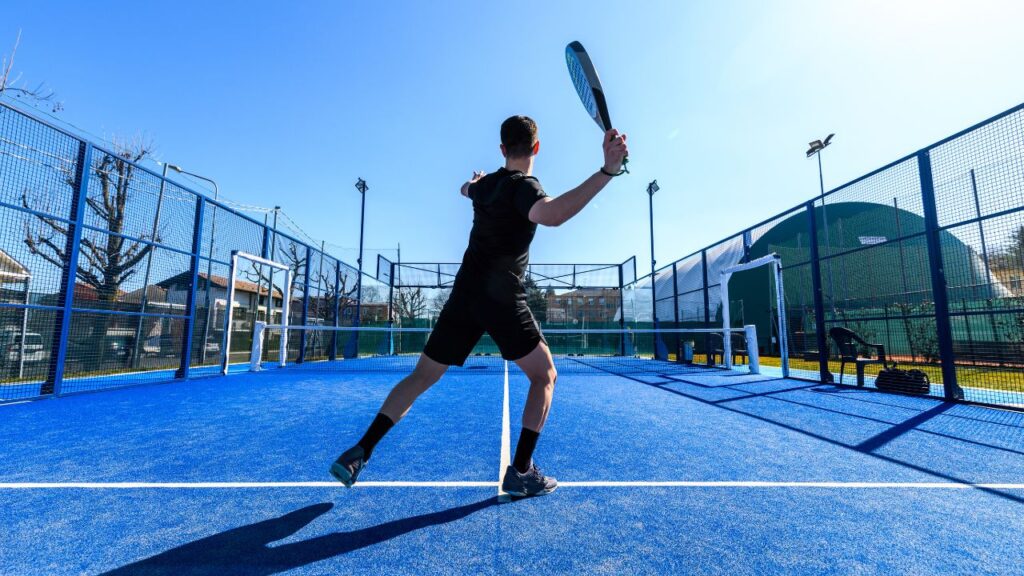
Building Repeated Power and Endurance: Train Like the Pros
Unlike any other sport, tennis demands bursts of intense power repeated over long stretches of time. The game isn’t a pure sprint or a marathon, but a fierce hybrid of both. Training to sustain repeated power—what veteran tennis trainers refer to as power endurance—is essential to maintain shot velocity and movement quality during back-to-back rallies.
Exercises aimed at building repeated power focus on improving your ability to generate high force moments over and over without rapid loss of form or fatigue. Medicine ball drills, such as the single-arm medicine ball chest throw and rotational hip drives on one leg, replicate the dynamic explosiveness of hitting strong serves and forehands while training the body to recover quickly between shots. These drills improve the specific muscle groups and energy systems most taxed during competition.
Besides strength and power, high aerobic capacity training, often misunderstood by casual players, completes the conditioning trifecta for sustained performance. Court suicides, interval sprints simulating intense point plays, and tennis-specific cardio keep your cardiovascular system ready to fuel those vital seconds. Proper recovery techniques, combined with nutrition tips detailed at TennisGuide.net’s nutrition guide, help ensure you stay competitive even deep into grueling matches.
- Medicine ball chest throws and rotational hip drives build explosive shot power with repetition.
- High-intensity interval training (HIIT) boosts aerobic capacity tailored specifically to tennis demands.
- Structured recovery protocols reduce injury risk and maintain peak energy levels for ongoing performance.
| Training Exercise | Primary Benefit | Key Muscle Targets | Recommended Sets/Reps |
|---|---|---|---|
| Single-Arm Medicine Ball Chest Throw | Explosive upper-body power | Chest, shoulders, triceps | 4 sets of 10 |
| Single-Leg Medicine Ball Rotational Hip Drive | Rotational power and balance | Obliques, glutes, core | 3 sets of 12 per side |
| Court Suicides | High-intensity aerobic conditioning | Full body cardiovascular | 5 rounds with 60-sec rest |
The journey to becoming a tennis powerhouse is easier with specialized programs available online. For meticulously researched, proven fitness plans that incorporate these elements and more, visit TennisGuide.net’s dedicated fitness section. There, players discover how combining these exercises with the right gear from Nike, Adidas, and Asics gears them up for success from training courts to major tournaments.
Dynamic Warm-Ups and Injury Prevention Techniques to Keep You on Court
The best tennis fitness plans recognize that every giant forehand and blistering volley starts with a body primed and injury-free. Dynamic warm-ups elevate heart rates, increase blood flow to muscles, and activate targeted muscle groups. This proactive preparation is essential to minimizing injury risk and maximizing performance efficiency right from the opening serve.
Recommended dynamic warm-up movements include walking lunges, lateral lunges, bear crawls, and spidermans, which warm up legs, shoulders, and the core. Shot shadowing—mirroring forehands, backhands, volleys, and serves without the ball—activates muscle memory and simulates match conditions without the strain.
Proper warm-up benefits:
- Reduces muscle stiffness, decreasing injury risk significantly.
- Improves flexibility and joint mobility, facilitating faster movement and shot execution.
- Prepares mental focus, sharpening readiness for fast-paced rallies.
Preventing injury goes beyond warm-ups. Surrounding the court with supportive gear like headbands and compression wear from Under Armour, and outfitting your training space with trusted equipment from Head or Prince, amplifies your resilience. Resistance bands and foam rollers address muscle imbalances and aid recovery, while static stretching after play helps return muscles to rest length and mitigate soreness.
| Warm-Up Exercise | Muscle Group/Area | Performance Benefit | Typical Duration |
|---|---|---|---|
| Walking Lunges | Quads, Hamstrings, Glutes | Dynamic leg activation and increased stride length | 2 sets of 15 steps |
| Bear Crawls | Core, Shoulders, Hamstrings | Full-body activation and coordination | 3 sets of 20 meters |
| Shot Shadowing | Forearms, Shoulder, Core | Muscle memory reinforcement and neural activation | 5-7 minutes |
Educating players on injury prevention is pivotal and extensively covered at TennisGuide.net’s injury prevention hub. Knowledge of how to strengthen vulnerable areas such as the shoulder girdle, wrists, and lower back can be a game-changer in extending careers and maintaining peak competition levels.
Creating a Balanced Tennis Training Program: Integrating Strength, Agility, and Recovery
Building tennis-specific strength and agility requires a balanced approach—merely lifting weights won’t cut it. Players must integrate unilateral and bilateral training, agility drills, endurance conditioning, and comprehensive recovery protocols into their regimes. The synergy between these elements builds not only a powerful athlete but one capable of the finesse and strategy tennis demands.
Agility and strength blend seamlessly in footwork drills like ladder shuffles and partner ball-drop reactions, elevating reaction time with every rep. Combine these with strength sessions using squats, deadlifts, and overhead presses for muscular endurance and core resilience. Throw in dynamic warm-ups and post-workout stretching to keep the body balanced and injury-free.
Recovery is the silent hero of ongoing success. Techniques such as contrast baths, foam rolling, and managing nutrition with precision—including fuels from brands like Nike, Under Armour, and Asics—ensure your muscles regenerate, inflammation is quelled, and energy replenished.
- Mix unilateral and bilateral strength training for overall athleticism and tennis-specific needs.
- Incorporate multi-directional agility drills for superior court coverage.
- Employ dynamic warm-ups and cooldowns to boost flexibility and prevent injury.
- Prioritize recovery protocols tailored to tennis demands for sustained high performance.
| Training Component | Description | Benefits | Examples |
|---|---|---|---|
| Strength Training | Includes bilateral and unilateral exercises | Builds power and endurance for explosive tennis movement | Goblet squats, split squats, deadlifts |
| Agility Drills | Develops multi-directional court speed and coordination | Improves reaction time and balance | Box drill, ladder shuffles, ball drop drills |
| Dynamic Warm-Up | Activates muscles and increases blood flow pre-session | Prevents injury and enhances performance | Walking lunges, spidermans, shot shadowing |
| Recovery | Muscle regeneration and inflammation control post-exercise | Maintains consistent fitness and injury prevention | Foam rolling, nutrition management, contrast baths |
For a more detailed guide on balancing these components into your personal tennis fitness journey, visit TennisGuide.net’s advanced training techniques. Their expertly designed plans incorporate the best practices of fitness science and the latest from brands like Nike, Wilson, and Babolat to keep players primed and ready.
Frequently Asked Questions About Tennis-Specific Strength and Agility Exercises
- Q: Why is unilateral strength so important for tennis players?
A: Unilateral strength trains the muscles on one side of the body, which is essential for explosive pushes, lunges, and dynamic movements tennis requires. It improves balance, power, and injury prevention by mimicking on-court actions. - Q: How often should I include these tennis-specific exercises in my training?
A: Aim for 3-4 sessions per week focusing on strength and agility, complemented by daily warm-ups, dynamic stretches, and recovery practices for best results and injury prevention. - Q: Can I train these exercises at home without specialized equipment?
A: Absolutely. Bodyweight exercises like lunges, squats, and dynamic footwork drills, along with medicine ball or dumbbell variations, offer excellent home workout options tailored for tennis. - Q: What role does recovery play in a tennis-specific training program?
A: Recovery helps muscles regenerate, reduces injury risk, and maintains energy levels. Incorporating foam rolling, proper nutrition, hydration, and rest is vital for sustainable performance. - Q: Are these exercises suitable for beginner tennis players?
A: Yes, most exercises can be scaled based on fitness levels. Beginners should focus first on mastering technique and gradually increasing intensity to build strength and agility safely. For more beginner tips, check out the beginner tennis guide.