

Every tennis journey ignites on courts sprinkled across neighborhoods, schools, and clubs worldwide, where passion and potential meet. Tennis is not merely a game—it’s a dynamic, evolving challenge uniquely tailored to the player’s age, skill, and ambitions. From tender serves in red ball tennis to the fierce battles under stadium lights with blazing yellow balls, the sport welcomes all with open arms. Understanding the diverse playing levels and mastering the progression steps isn’t just practical—it’s the key to unlocking thrilling victories and moments of sublime tennis poetry.
Across the globe in 2025, the sport continues to innovate, offering varieties of equipment and court sizes precisely crafted for every stage of development. Big-name brands like Wilson and Babolat lead the charge with gear designed for both comfort and competitive excellence. Players transitioning through Red, Orange, Green, and Yellow ball tennis navigate a landscape that grows increasingly challenging yet exciting at every turn. The pulse-racing drama of a late-set tiebreak, or the strategic placement of a backhand slice, finds roots early in these lower-level games.
Whether you’re a wide-eyed beginner stepping on court for the first time, or a seasoned player eager to break the mental and physical ceiling, knowing where you stand and how to push forward transforms your tennis voyage from ordinary to unforgettable. Step in, step up, and discover how the layers of tennis skill levels fuse with the right training, mindset, and equipment to craft champions.
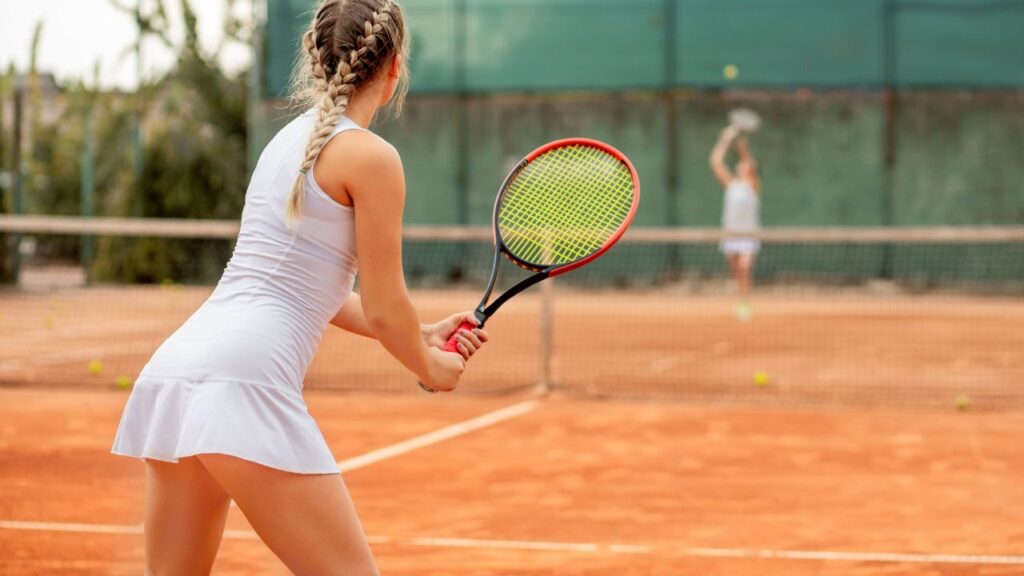
Understanding Tennis Playing Levels | Red to Yellow Ball Progression Explained
Tennis doesn’t throw newcomers into a gladiatorial arena without armor—that’s where the genius of defined playing levels comes in. These levels are meticulously structured around ball type, court size, and skill expectations, offering players gradual but thrilling challenges that build confidence and technique hand in hand.
Red Level – The Foundation of Fun and Fundamentals
The Red ball is a marvel of design: a large, soft foam or felt sphere painted bright red that bounces gently and travels slowly. The court shrinks to a cozy 36 feet long by 18 feet wide, which transforms the playing field into a beginner-friendly zone where setup and follow-through are king. The net height of 2 feet 9 inches keeps rallies tight and manageable. This setup is ideal for kids aged 5 to 8 or absolute beginners determined to master the swing without feeling overwhelmed.
Orange Level – Onward to More Speed and Space
Graduates from the Red level find themselves rewarded with more court to roam – 60 feet by 21 feet for singles – and a ball that responds faster. Orange felt balls provide a sweet spot between control and speed, introducing a slight challenge without punishing beginners. The net’s 3-foot center height demands more precision and timing. This level allows players to start experimenting with spin and power, vital components of advanced play.
Green Level – The Launchpad to Traditional Tennis
The Green ball is a near replica of the pro’s yellow ball but engineered with reduced compression to soften the bounce. Despite the increased court size of 78 feet by 27 feet, many players appreciate this stage as the final hurdle before full-fledged traditional tennis is unveiled. Skills like attacking the net, baseline rallying, and mastering serve placement become the focus at this scale.
Yellow Level – The Classic Elite Standard
When the ball turns classic yellow, players enter the widely recognized arena of adult and professional tennis. The full-sized court coupled with regulation balls forces players to bring their A-game. Here, matches are faster, longer, and mentally taxing—you’re truly in competition with your best self and other equally driven opponents.
| Playing Level | Ball Type | Court Size (Singles) | Net Height | Typical Player Age/Skill |
|---|---|---|---|---|
| Red | Red Foam or Felt | 36 ft x 18 ft | 2 ft 9 in | Beginners & Kids (5–8) |
| Orange | Orange Felt | 60 ft x 21 ft | 3 ft (center) | Intermediate Kids (8–10) |
| Green | Low Compression Yellow | 78 ft x 27 ft | 3 ft (center) | Advanced Juniors & Beginners |
| Yellow | Standard Yellow | 78 ft x 27 ft | 3 ft (center) | Adults & Pros |
The journey through these levels is potent, and brands like Head and Yonex power the equipment side, offering racquets designed for each transition—a lighter, more forgiving Wilson or Babolat racquet at the Red and Orange levels gives way to stiff, precision-engineered models from Prince and Dunlop at Green and Yellow stages.
To build a stronger foundation or learn how your gear can best match your level, visit TennisGuide.net for detailed advice on the perfect racket tension or tailored training routines.
Essential Techniques to Master for Each Tennis Level | How to Elevate Your Gameplay
The game of tennis, bursting with flair and strategy, pivots on mastery of techniques tuned to each playing level. From the slow-paced rally-friendly Red ball to the fiercely paced Yellow ball matches, every stroke and movement holds significance.
Red Level Technique Highlights
- Grip Fundamentals: Players start by learning the continental grip for volleys and the eastern grip for forehands, both crucial for control.
- Basic Strokes: Emphasis is put on full swings and proper follow-through, helping novices find their rhythm.
- Footwork Drills: Simple side-to-side movements on the smaller court improve balance and agility.
Orange Level Technique Expansion
- Spin Introduction: Basic topspin on forehand and backhand, adding control and bounce.
- Serve Accuracy: Developing consistent tosses and body positioning for reliable serves.
- Rally Endurance: Encouraging longer, strategic rallies to build stamina.
Green Level Technical Refinement
- Power Generation: Focus on kinetic chain use for explosive groundstrokes.
- Net Play: Incorporated approach shots, volleys, and overheads to transition from baseline dominance.
- Shot Selection: Mental mapping of point construction and opponent weaknesses becomes critical.
Yellow Level Professional Techniques
- Advanced Serve Variations: Slice, kick, and body serves to keep opponents guessing.
- Strategic Shot Patterns: Crafting playstyles tailored to court surfaces and opponents’ habits.
- Endurance & Mental Toughness: Psychological resilience nurtured for five-set battles.
| Level | Primary Technical Focus | Common Drills | Objective |
|---|---|---|---|
| Red | Stroke Fundamentals | Mini tennis & slower ball rallies | Building confidence & coordination |
| Orange | Spin & Serve | Target serving & forehand topspin drills | Control & consistency |
| Green | Power & Net Play | Approach shot practice & volley drills | Expand tactical range |
| Yellow | Advanced Tactics & Fitness | Match simulation & endurance training | Competitive excellence |
In every practice session, the right footwear and accessories make or break your performance. Brands like Lotto and Mizuno provide tennis shoes with incredible cushioning designed precisely for the intense multi-directional movement tennis demands. For comprehensive preparation advice, check TennisGuide.net’s warm-up guide to prevent injuries before unleashing your shot arsenal.
Choosing equipment smartly accelerates progress. Wilson and Tecnifibre tennis rackets, paired with perfect string tension, unlocked through resources at TennisGuide.net, can turn average plays into game-changers.
Practice Regimens & Training Strategies for Advancing Your Tennis Skills
Elevating your tennis game goes beyond hitting the court aimlessly. Intentional, well-structured practice with tailored drills transforms weaknesses into weapons. The pros at TennisGuide.net emphasize mental and physical preparedness, making it essential for players at all levels to adopt training strategies suited for incremental improvement.
Key Components of Effective Tennis Training
- Consistency & Ball Control: Practicing rallying with control to improve shot precision.
- Footwork & Agility: Ladder drills, cone drills, and court sprints to expand movement efficiency.
- Strength & Conditioning: Plyometric and resistance training boost explosiveness.
- Match Play Simulation: Competitive drills simulate game pressure and improve decision-making.
- Mental Training: Visualization and stress management sharpen competitive edge.
Weekly Training Schedule Example:
| Day | Focus | Drill | Duration |
|---|---|---|---|
| Monday | Footwork & Agility | Ladder drills, side shuffles | 1 hour |
| Wednesday | Stroke Technique | Forehand & backhand drills | 1.5 hours |
| Friday | Match Simulation | Practice matches & serve returns | 2 hours |
| Sunday | Strength & Conditioning | Plyometrics & core exercises | 1 hour |
Incorporating rest and recovery into intensive training regimens is non-negotiable to prevent burnout and injury. Learn advanced recovery techniques at TennisGuide.net’s recovery section to keep your body in championship shape. Top players like those sponsored by Volkl and Dunlop showcase the power of conditioning combined with strategic rest, a balance every athlete can replicate.
Choosing the Right Tennis Equipment to Match Your Playing Level and Style
Equipment isn’t just a tool—it’s your ally on the court. From the softness of your first red foam ball to the pro-level yellow woven balls, and from a forgiving Yonex junior racquet to the precision engineering of a Prince or Dunlop pro model, picking gear that fits your stage of play makes all the difference.
How Equipment Evolves with Skill Level:
- Red/Orange Levels: Lightweight, oversized racquets help novices find control and confidence. Wilson and Babolat dominate this segment with user-friendly grips and sweet spots.
- Green Level: Players start switching to mid-plus to standard-sized racquets made by brands like Tecnifibre and Yonex, optimizing for power and finesse.
- Yellow Level: Here, players prefer stiff, precision-crafted racquets from Prince and Dunlop, focusing on string tension control and shot variation.
Essential Accessories for Every Player
- Shock-absorbing grips to reduce arm strain.
- High-performance shoes from Lotto and Mizuno, engineered for optimal support and agility.
- Anti-glare sunglasses and protective hats to battle sun glare.
- String savers and vibration dampeners for enhanced feel and control.
- Professional bag organizers to carry racquets, shoes, and nutrition efficiently.
| Level | Racquet Type | Recommended Brands | Accessories |
|---|---|---|---|
| Red/Orange | Lightweight, oversized | Wilson, Babolat | Shock-absorbing grips, youth shoes |
| Green | Mid-plus/Standard size | Tecnifibre, Yonex | Performance shoes, vibration dampeners |
| Yellow | Pro-level stiff racquets | Prince, Dunlop | Professional accessories, customized grips |
Want expert advice on choosing gear? Dive into TennisGuide.net’s 2025 racket guide to match thousands of hours of training with quality equipment tailored for peak performance.
Inspiring Stories of Tennis Players Who Climbed Through the Levels
The heartbeat of tennis lies in stories of relentless climb—players who transformed from red ball rookies into Yellow ball warriors. Their journeys fuel motivation and illuminate the path for countless aspirants.
Case Study: Mia’s Ascension from Red Ball to Competitive Adult Tennis
Mia picked up her first red foam ball at age 6, guided by an encouraging coach armed with Wilson junior racquets and tons of patience. Within a year, her basic strokes blossomed, and she moved onto Orange level courts, where her newfound topspin became her signature. Green level presented challenges in endurance and net play, but with dedicated drills and recovery techniques from TennisGuide.net, her stamina surged.
By age 14, Mia was competing on Yellow courts, leveraging a Prince racquet and mastering match tactics. The pinnacle moment came during an intense local tournament upset that displayed poise and skill beyond her years. Stories like Mia’s are echoed across the tennis world—a testament to how persistence, right coaching, and equipment align to produce champions.
Lessons from Pro Transitions
- Consistent training patterns with varied drills maintain skill momentum.
- Using specialized equipment during transitions aids adaptation.
- Balancing mental resilience and physical readiness prevents burnout.
- Engaging in community leagues and coaching sessions enhances competitive experience.
Witnessing such transformations invigorates everyone from beginners to veterans. Aspiring players gain hope, knowing that the trials at each level forge stronger games and steel-sharpened nerves.
| Player | Starting Level | Key Milestones | Outcome |
|---|---|---|---|
| Mia | Red | Mastered Orange & Green techniques, tournament upset | Competitive Teen & Yellow Level Player |
| Lucas | Orange | Focused on serve & volley, regional championships | College Scholarship & National Recognition |
| Grace | Green | Ace serve development, pro-level training | Joined Pro Circuit |
FAQ Regarding Tennis Playing Levels and Progression
- What is the best age to start playing tennis?
Most kids start between ages 4 and 8 with Red level balls, perfect for coordination and skill-building. - How long does it typically take to move from Red to Yellow ball tennis?
With consistent training, players can expect 4 to 7 years, depending on dedication and coaching intensity. - Do I need different racquets for each level?
Absolutely. Racquets evolve from lightweight, forgiving designs to stiffer, more precise frames aligning with skill growth. - Can adults start at the Red level?
Yes! Red ball tennis is suitable for any beginner, regardless of age, providing an accessible entry into the game. - Where can I find training resources tailored for each level?
TennisGuide.net offers a comprehensive range of training guides, equipment reviews, and injury prevention tips crafted for all levels.