

As tennis surges in popularity beyond traditional strongholds, emerging cities are stepping into the spotlight with vibrant new opportunities for players at every level. Pop-up clinics have become the fast track to skill-building and community in these growing tennis hubs. They pack stadium-worthy excitement and professional coaching power into dynamic, temporary setups, breaking down barriers that once kept the sport confined to established urban centers and exclusive clubs.
In 2025, the tennis world is buzzing with stories from coaches in rising tennis cities—places where fresh courts emerge in community parks, where Wilson racquets in eager hands meet the smacking cheer of balls, and youth programs grow faster than grapevines. Coaches here use innovative approaches to design engaging group clinics that blend technical skill development with the raw thrill of competition, while accommodating the broad spectrum of player abilities. They’re navigating challenges unique to less traditional markets: cultivating player enthusiasm, managing diverse groups on the fly, and using cutting-edge tools like SwingVision and video analysis to amplify feedback in real time.
From the sweat-soaked drills energized by Nike and Adidas gear, to strategies forged with Babolat and Head strings, the vitality in these pop-up clinics embodies the new age of grassroots tennis. Brand partnerships with tennis equipment leaders like Yonex, Prince, and Volkl bring top-tier gear to doorsteps where passion meets promise. The clinics are not just lessons—they’re communities pulsating with support, competition, and the electric call to elevate every forehand, serve, and volley.
Discover how tennis coaches in these emerging cities blend meticulous clinic planning, creativity, and modern tech into memorable sessions that fire up players’ potential and nurture a collective spirit. This is hands-on, on-the-ground tennis transformation—driven by coaches who live and breathe the game, equipped with insights that can turn a pop-up clinic into the launching pad of future champions.
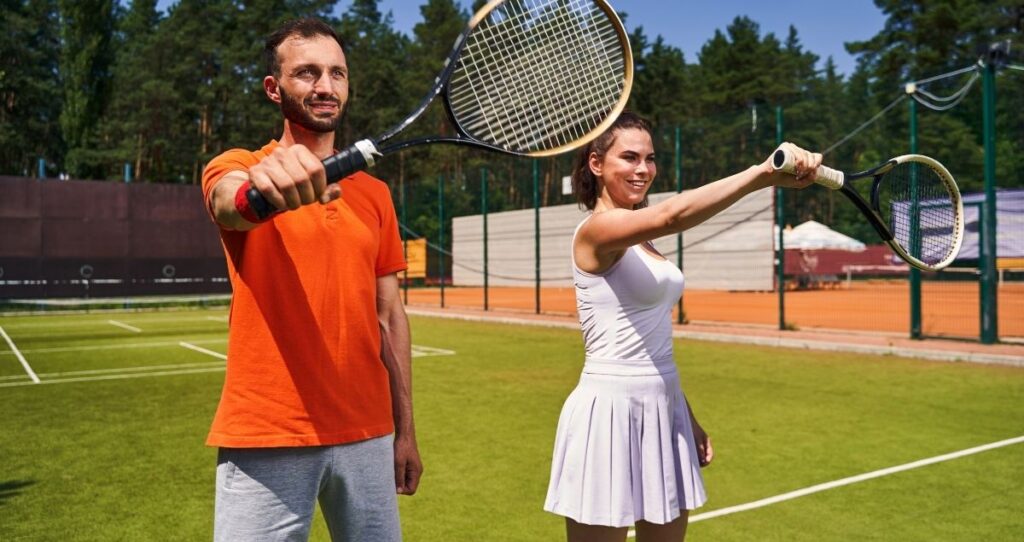
Mastering the Art of Clinic Planning in Emerging Tennis Markets
Building a successful pop-up tennis clinic in an emerging city is like orchestrating an intricate rally—you need precision, timing, and adaptability. Coaches must first dive deep into understanding the audience. This means taking stock of the players’ range of abilities, aspirations, and prior experience. Is the clinic catering to complete beginners, recreational social players, or aspiring competitors? Knowing the mix influences every coaching decision from drill selection to session pacing.
Seasoned coaches emphasize the importance of crafting a balanced clinic schedule that seamlessly transitions through key phases:
- Warm-up: Engaging dynamic stretches and light rally drills to prep muscles and raise heart rates safely.
- Technical skills breakdown: Detailed focus on fundamental strokes such as forehands, backhands, and footwork patterns.
- Tactical play: Introducing situational drills that mimic match pressure, like approaching the net under fire or constructing rallies to exploit opponents’ weaknesses.
- Cool-down: Relaxed stretches and mental cooldown moments that aid recovery and consolidate learning.
In these emerging cities, flexibility is crucial. The varying skill levels in a single clinic can range widely, making customization during sessions a must. For instance, while some players may be mastering a baseline two-handed backhand powered by a Head or Wilson racket, others could be tackling ball toss basics for consistent serves, guided by coaches advocating Prince or Yonex racquets for beginners. Coaches often organize players in rotating pods that cycle through drills tailored to grouped skill categories, ensuring nobody feels overwhelmed or left behind.
The environment matters too. Coaches strive to establish an atmosphere that’s approachable and encouraging — a place where effort is celebrated, flaws are embraced as growth moments, and players feel they belong regardless of background or experience. In many cities just stepping onto a court feels like breaking a boundary; here, the clinic’s social and motivational undercurrents power the game just as much as the technical tuition.
| Clinic Planning Element | Key Focus | Typical Activities | Equipment Recommendations |
|---|---|---|---|
| Warm-up | Muscle prep & injury prevention | Light jogging, dynamic stretching, shadow swings | Nike or Adidas apparel for optimum movement |
| Technical Skills | Fundamental stroke mastery | Forehand/backhand drills, footwork ladder, serve toss practice | Wilson or Head racquets, Babolat strings |
| Tactical Play | Applying skills in match scenarios | Constructed rally drills, net approaches, target hitting | Yonex or Prince racquets for advanced play |
| Cool-down | Recovery & mental focus | Static stretching, breathing exercises | Asics shoes for player comfort |
Engaging Drills That Elevate Player Development in Pop-Up Clinics
Drills in pop-up clinics must do more than just fill time—they have to ignite passion, hone skills, and build confidence. Coaches in emerging tennis cities bring remarkable creativity to the table, engineering exercises that pack dual punches of fun and function.
Key qualities of killer pop-up clinic drills include:
- Progressive difficulty: Starting from accessible basics and ramping up to more intense variations keeps players challenged but confident.
- Variety of strokes: From baseline rallies to precise volley work and aggressive serving, drills should cover the full spectrum of tennis skills.
- Competitive elements: Friendly contests like accuracy games and timed rally challenges boost excitement and focus.
- Inclusive tweaks: Adjusting ball speed, court size, or racket types to fit skill ranges ensures participation without frustration.
For example, a popular drill involves players rotating through stations: serving with target areas padded by Nike cones, quick volley reflexes using Prince mini-nets, and baseline endurance rallies rolling with Babolat Spin technology. To keep players motivated, coaches often infuse leaderboards and rewards, even if it’s just spirited applause or small prizes. Technology also quietly shapes session success. Video clip analysis allows each player to see their serve positions, strokes, and footwork—creating a visual shortcut to improvement.
Emerging cities often rely on temporary, flexible setups, with portable nets and courts sometimes shared with other sports. These challenges fuel innovative drill adaptations—like mini-tournaments, doubles clinics, and multi-ball feeds—that make each session lively and jam-packed with learning moments.
| Drill Type | Purpose | Description | Recommended Equipment |
|---|---|---|---|
| Target Serving | Enhance serve accuracy | Players aim serves at designated zones marked with cones or mats | Nike cones, Wilson or Babolat racquets |
| Volley Reaction | Improve net reflexes | Coach feeds short balls for players to volley rapidly | Prince mini-nets, Adidas shoes for traction |
| Baseline Endurance | Build rally resilience | Extended baseline rallies focusing on consistency and movement | Head racquets, Volkl strings |
| Multi-Ball Drill | Work on reaction & stamina | Rapid-fire ball feeding from coach aiming to stress footwork & shot prep | Yonex racquets, Asics shoes |
Handling Varied Skill Levels With Precision and Care
Mixed-skill tennis clinics are a tightrope walk of inclusivity and challenge. Coaches in emerging cities become experts at adjusting drills on the fly to ensure that each player, regardless of level, leaves the court better than they came. This demands not just technical knowledge but emotional intelligence.
Strategies to master mixed-skill clinics include:
- Flexible drill modifications: Vary the speed, ball spin, and court space based on player ability.
- Targeted individual feedback: Observing minute differences in technique and offering personalized pointers.
- Partner mixing: Pairing newcomers with experienced players to promote peer learning and confidence.
- Encouraging self-paced progress: Letting players repeat drills at their own tempo and intensity without pressure.
For example, a solid forehand drill can range from slow-paced balls for beginners learning proper grip and footwork to high-speed topspin deliveries pushing advanced players to sharpen reaction time and positioning. Coaches often maintain a keen eye on body language and stress signs to intervene with encouragement or adjustments, creating a nurturing environment for continuous growth.
| Technique Adjustment | Beginner Focus | Advanced Player Focus |
|---|---|---|
| Forehand Drills | Grip adjustment, slow feed, footwork basics | High-speed topspin, aggressive positioning |
| Serve Practice | Ball toss consistency, stance, and balance | Serve speed, placement targeting with Nike cones |
| Volley Training | Short swings, steady footing with Prince net | Quick reflex volleys, split-step timing |
| Footwork | Basic lateral shuffles, shadow drills | Rapid directional change, explosive lunges |
Balancing diverse talent in limited time slots demands a rhythm between challenge and success. It’s this dance that sets pop-up clinics apart from routine lessons, delivering a unique blend of motivation and skill-building that fuels player retention and long-term passion.
Creating a Positive and Supportive Tennis Community Atmosphere
Tennis may be an individual sport on paper, but in these blooming cities, group clinics pulse with collective energy and camaraderie. Coaches are not just instructors but facilitators of social bonds—turning random gatherings into tight-knit tennis tribes.
To foster this atmosphere:
- Start with ice-breaker games: Fun, low-pressure activities to break the ice and help players shake off nerves.
- Establish communication norms: Clear, respectful guidelines for interaction that encourage positive feedback.
- Celebrate milestones as a group: Sharing wins builds shared pride and motivates continued effort.
- Inclusive leadership: Coaches encourage experienced players to model sportsmanship and assist peers.
This social fabric is critical, especially since many participants juggle tennis with other life demands. The boost from feeling part of a team rejuvenates motivation even when fatigue or frustration sets in. Messages via group apps or social media keep the momentum alive between sessions, extending the court’s reach into players’ daily lives.
| Community Building Strategy | Implementation | Benefits |
|---|---|---|
| Ice-breakers | Partner introductions, mini mini-games involving light hitting | Ease social anxiety, spark friendships |
| Communication Norms | Rules on giving constructive feedback, active listening | Create positive, respectful atmosphere |
| Group Celebrations | Applause after rallies, highlighting progress in sessions | Boost morale, encourage continuous participation |
| Peer Leadership | Experienced players mentor beginners | Foster mentoring, improve skill transfer |
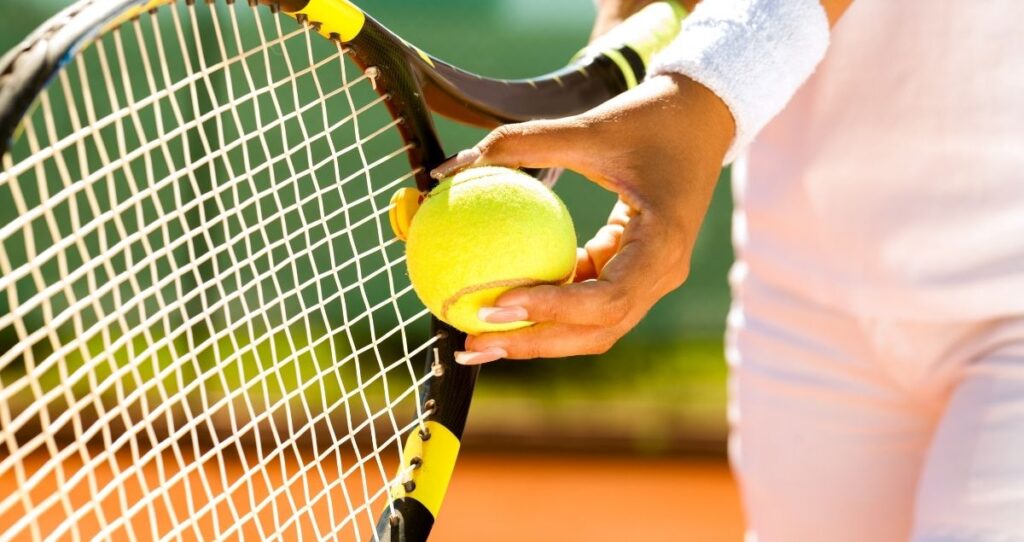
Delivering Impactful Feedback and Leveraging Technology
Clear, actionable feedback is the catalyst that turns effort into breakthrough. Coaches in pop-up clinics understand the power of precision in their observations and the art of delivering critiques that empower rather than discourage.
Effective feedback techniques include:
- Specific praise and constructive tips: Highlight improvements and pinpoint exact areas to refine, e.g., “Your backhand footwork improved by stepping into the shot earlier.”
- Using video playback for self-analysis: Players view recorded strokes side-by-side with pros, accelerating comprehension.
- Setting achievable goals: Milestone setting helps players track progress and sustain motivation.
- Utilizing apps like SwingVision: Technology-driven analytics offer shot velocity, location heatmaps, and real-time coaching aids.
Integrating technology in emerging tennis cities is no longer a luxury but a necessity. It levels the playing field for learners who lack access to high-end facilities or personalized coaching. Video tools borrowed from brands like Wilson or Babolat enhance understanding of grip, swing path, and contact point, while mobile apps allow continuous improvement between pop-up clinic sessions.
| Feedback Method | Description | Benefits | Supporting Technology |
|---|---|---|---|
| Specific Observations | Targeted advice on stroke mechanics and positioning | Immediate, actionable improvement | On-court verbal cues |
| Video Analysis | Playback comparison with professional standards | Visual learning, faster correction | Smartphones, SwingVision app |
| Goal Setting | Setting clear milestones and tracking | Motivation, progress tracking | Mobile apps, coaching software |
| Shot Data Analytics | Tracking serve speed, shot placement accuracy | Performance benchmarking | Radar guns, shot tracking apps |
Frequently Asked Questions about Pop-Up Tennis Clinics in Emerging Cities
- What makes pop-up clinics effective for beginner and intermediate players?
Pop-up clinics combine focused coaching with social fun, making skill building interactive and less intimidating. Their flexible formats cater to mixed skill groups, helping players develop at their own pace. - How do coaches adapt drills for diverse skill levels in a single session?
Coaches use adjustable drill parameters such as ball speed, shot complexity, and partner pairing. Tailored feedback and progressive challenges ensure everyone benefits. - What role does technology play in enhancing these clinics?
Technology provides instant feedback through video analysis and shot tracking apps, allowing players to visualize improvements and coaches to offer precise guidance. - How are community dynamics fostered in temporary pop-up clinics?
Ice-breakers, group celebrations, and clear communication norms create welcoming environments that encourage social bonding and sustained participation. - Are these clinics accessible for players without high-end tennis gear?
Yes, many clinics partner with brands like Nike, Adidas, Wilson, and Babolat to provide equipment, and coaches often recommend budget-friendly gear options to ensure inclusivity.