

Whether you’re stepping onto the court for the first time or sharpening your competitive edge, the right tennis equipment transforms every swing into a statement. The arena of tennis gear – from racquets that dictate your shot’s precision to shoes that grip the clay or hardcourt with razor-sharp confidence – is layered, technical, and evolving with every season. As the sport surges forward in 2025, bringing fresh talent to the limelight and innovative technology crashing the norms, knowing what gear carries you over the net isn’t just important; it’s essential. This journey isn’t just about choosing brand names like Wilson, Babolat, or Yonex – it’s about understanding how each piece, each string, each pair of shoes aligns with your style, your ambitions, your grit. These are the keys to unlocking tennis like never before, turning practice into poetry and matches into unforgettable battles. Dive into the heartbeat of the sport with equipment that defines champions.
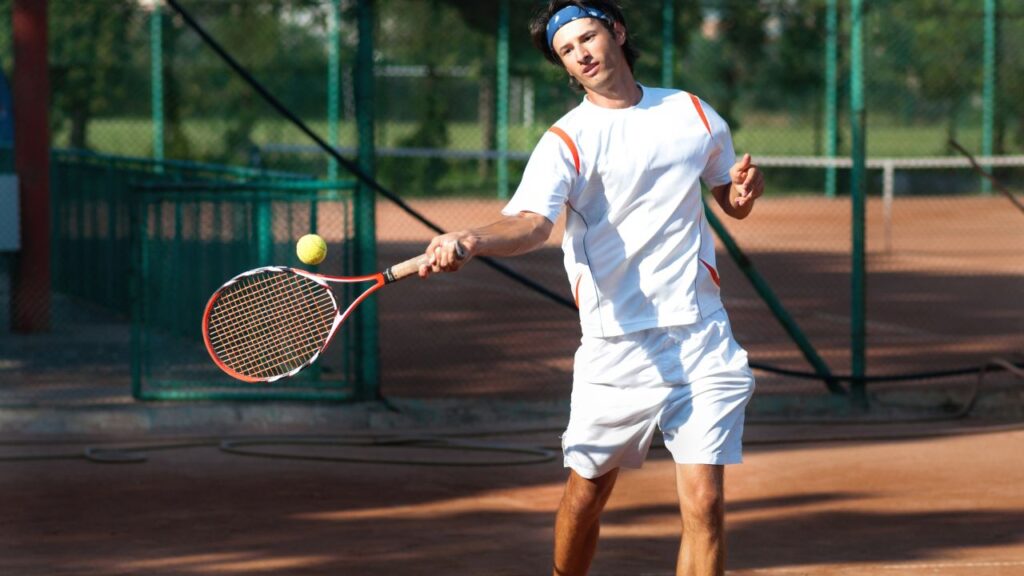
Choosing the Perfect Tennis Racquet: Power, Control, and Precision for Every Player
Striking a balance between power and control turns an average shot into a game-winning weapons. The tennis racquet is your command center — a blend of technical mastery, personal preference, and innovation fashioned by giants like Wilson, Head, and Prince. In 2025, racquets are more than just frames; they are extensions of players’ wills, manufactured with cutting-edge materials and intelligent design choices.
Understanding what racquet suits your game starts with grasping the key specifications:
- Head Size: Larger heads (100+ square inches) provide more power and forgiveness, ideal for beginners. Smaller heads (85-98 square inches) offer more precision for advanced players.
- Weight: Heavier racquets bring stability and power but demand more strength; lighter racquets enhance maneuverability.
- Balance Point: Head-heavy racquets increase power, while head-light styles improve control and maneuverability.
- String Pattern: Open string patterns provide extra spin, while denser patterns last longer and allow more control.
Brands like Babolat revolutionize power with their aerodynamically designed racquets such as the Pure Aero, beloved by players seeking spin domination. Wilson blends tradition and innovation in models like the Pro Staff, wielded by icons for precision and feel. Yonex introduces isometric head shapes that amplify sweet spots, enhancing shot accuracy.
Beyond specs, string tension alters performance radically. High tension favors precision and control, while lower tension introduces power and shock absorption. For players eager to master their string setups, resources like this insightful guide on perfect racket tension provide expert advice that can transform your game.
Choosing the right racquet doesn’t come from impulse—it’s testing, experimenting, and feeling the synergy between racquet and player. The 2025 lineup, featuring the latest from Prince and Dunlop, combines heritage craftsmanship with advanced graphite composites, making it a golden era for racquet innovation.
| Brand | Signature Models | Ideal Player Level | Key Features |
|---|---|---|---|
| Wilson | Pro Staff, Blade | Intermediate to Pro | Control and feel, classic design |
| Babolat | Pure Aero, Pure Drive | All levels | Power and spin-focused |
| Head | Speed, Radical | Intermediate to Pro | Balance of power and control |
| Yonex | VCORE, Ezone | All levels | Isometric head for sweet spot |
| Prince | Textreme Series | Advanced | Stability and control with modern tech |
| Dunlop | CX, FX | Recreational to Intermediate | Comfort and versatile play |
Decoding racquet specs is foundational for beginners looking for a starter racquet. For a detailed checklist, this beginner tennis equipment guide breaks down essentials without jargon. Meanwhile, advancing players should experiment with string tensions and grips to find their perfect match.
Choosing Tennis Balls: What You Need to Know to Play Like the Pros
Tennis balls – more than mere spheres of felt and rubber – define the rhythm and feel of the game. From casual dinks at the park to the electric volleys of professional tournaments, the choice of tennis balls impacts gameplay significantly. The marketplace rotates around esteemed brands such as Dunlop, Wilson, and Head, each refining ball technology for optimal bounce, durability, and spin.
All official matches mostly use pressurized balls that bounce lively but lose pressure after hours of play. In contrast, pressureless balls deliver consistent bounce longevity but less pop initially, favored by beginners practicing rally consistency. Recognizing the ball type suited for your level is a stepping stone to refined skill development.
Important ball categories and their pull on play include:
- Regular Duty Balls: Designed for clay and indoor courts, they have a softer felt, preserving ball speed and control.
- Extra Duty Balls: Built for hard courts with a durable felt for prolonged use.
- High Altitude Balls: Engineered specifically for venues above 4,000 feet where air pressure weakens impact.
- Kids’ Tennis Balls: Larger, slower balls to help children learn fundamentals effectively.
Every competitive player appreciates the subtle impact of ball brands on their match experience. The US Open and Australian Open use balls provided officially by Wilson, making their balls the gold standard for pros. Meanwhile, Dunlop continues to be a favorite on grass courts, renowned for their consistent bounce and long-lasting lifespan. Head introduces technologically advanced felt blends that sustain durability while enhancing performance.
Ball choice doesn’t exist in isolation: pairing the right ball type with your court surface and racquet characteristics creates the harmony that greatness demands. Dive deeper into how tennis balls affect play and what the pros trust in your tennis journey at these must-have tennis accessories insights.
| Ball Type | Recommended Court Surface | Ideal Player Level | Key Feature |
|---|---|---|---|
| Regular Duty | Clay, Indoor | All Levels | Softer felt, balanced speed |
| Extra Duty | Hard Courts | Intermediate to Pro | Durable felt, longer lifespan |
| High Altitude | Above 4,000 feet | All Levels | Adjusted internal pressure |
| Kids’ Balls | Junior courts | Beginner Kids | Slower, larger balls |
For players eager to sharpen their serve and improve shot impact, grasping the concept of an ace in tennis highlights the importance of ball speed and placement. The interplay between balls, racquets, and court conditions makes choosing the right tennis ball an unsung hero in your winning strategy.
Performance Tennis Shoes: Grip, Comfort, and Durability for Court Dominance
The court may be fought point by point, but the ground beneath your feet is your gambit. Tennis shoes are specialized, engineered beasts designed to offer explosive agility, strong lateral support, and breathable comfort that keeps you light and confident. Stepping out with subpar shoes compromises your movement and increases injury risk. Brands like Nike, Adidas, Asics, Lotto, and K-Swiss have poured decades of expertise into crafting shoes that marry Italian design flair with court-tested technology, as heralded by recent reviews of the Diadora B Elite Star and K-Swiss Hypercourt Pinnacle.
Top features that every performance tennis shoe needs include:
- Lateral Support: Stability to prevent rolling during rapid side steps.
- Cushioning: Shock absorption to protect joints from the pounding.
- Durability: Sole compounds that grip abrasive surfaces like hard courts.
- Breathability: Mesh uppers to keep players cool during intense rallies.
- Weight: Lightweight builds for faster court coverage.
Injuries are rampantly affecting players from juniors to pros, highlighting the need to select shoes that reduce strain and enhance natural foot movement. For expert tips on preventing tennis injuries and optimal warm-up sequences, these guides Prevent Tennis Injury Tips and Tennis Warm Up Guide are indispensable reads.
Recent styles embrace technology like integrated ankle braces, shock-resistant midsoles, and court-specific outsole designs. For example, Nike’s court shoes highlight Flyknit engineering for superb fit and responsiveness. Adidas incorporates boost foam padding to provide unmatched energy return, letting players explode off every step. Asics focuses on gel cushioning systems proven by decades of athletic dominance. Meanwhile, Lotto combines vibrant Italian aesthetics with meticulous craftsmanship to produce shoes praised by both fashion-forward and technical players.
Choosing the best tennis shoe simultaneously boils down to your court preference, foot shape, and playstyle. Hard-court grinders demand soles with maximum abrasion resistance, while clay-court specialists need enhanced traction to slide without sacrificing speed. This comprehensive fitness and shoe guide melds foot fitness with gear choices for holistic performance enhancement.
| Brand | Signature Shoe Model | Ideal Surface | Core Strength |
|---|---|---|---|
| Nike | Air Zoom Vapor | Hardcourt | Flyknit upper, lightweight, responsive |
| Adidas | Adizero Pro | All Surfaces | Boost cushioning, energy return |
| Asics | Gel-Resolution | Hardcourt | Gel cushioning, stability |
| Lotto | Mirage 300 | All Surfaces | Italian design, durable grip |
| K-Swiss | Hypercourt Pinnacle | Hardcourt | Supportive midsole, traction |
Essential Tennis Accessories: Beyond the Basics to Elevate Your Game
The tiniest details often yield the biggest leaps in performance and comfort. Accessories might seem secondary, but in tennis, they are the secret weapons behind every consistent rally and match-winning strike. From grips that fit your hand perfectly to vibration dampeners that reduce arm shock, each addition sharpens your edge.
Must-have accessories for every tennis player include:
- Overgrips and Replacement Grips: Keep your racquet handle comfortable and sweat-free for better control. Brands like Wilson and Babolat offer diverse grip options.
- Vibration Dampeners: Installed on strings to minimize racket vibrations and arm fatigue.
- Tennis Bags: To organize racquets, shoes, apparel, and accessories with compartments tailored for convenience and protection.
- Sun Protection Gear: Hats, visors, and UV-protective clothing that guard against harsh sunlight – crucial during long matches in summer.
- Ball Hopper and Ball Containers: For frequent practice and easy ball management.
Springboarding from necessity to style, companies like Nike and Adidas have developed sleek, durable tennis apparel and accessories that cater to performance as much as fashion. Meanwhile, the advancement in sun-protective clothing, such as BloqUV gear, shines a spotlight on athletes’ health while keeping cool and comfortable under the scorching courtside sun.
Fine-tuning your tennis setup includes understanding how accessories reduce injury risks and promote longevity. Reading up on injury prevention at Tennis Injuries’ Impact on Champions provides eye-opening insights into the toll the sport can take and how to defend against it.
| Accessory | Purpose | Recommended Brands | Performance Benefit |
|---|---|---|---|
| Overgrips | Improves grip comfort and moisture control | Wilson, Babolat, Head | Better racquet handling, reduces slippage |
| Vibration Dampeners | Absorbs string vibration to protect arm | Wilson, Head | Less fatigue, improved shot feel |
| Tennis Bags | Organizes and protects gear | Wilson, Prince, Yonex | Easy transport, gear longevity |
| Sun Protective Clothing | Protects from UV rays during play | BloqUV, Nike, Adidas | Skin protection, comfort during long matches |
| Ball Hoppers | Efficient ball collection and transport | Best Tennis, Dunlop | Improves practice efficiency |
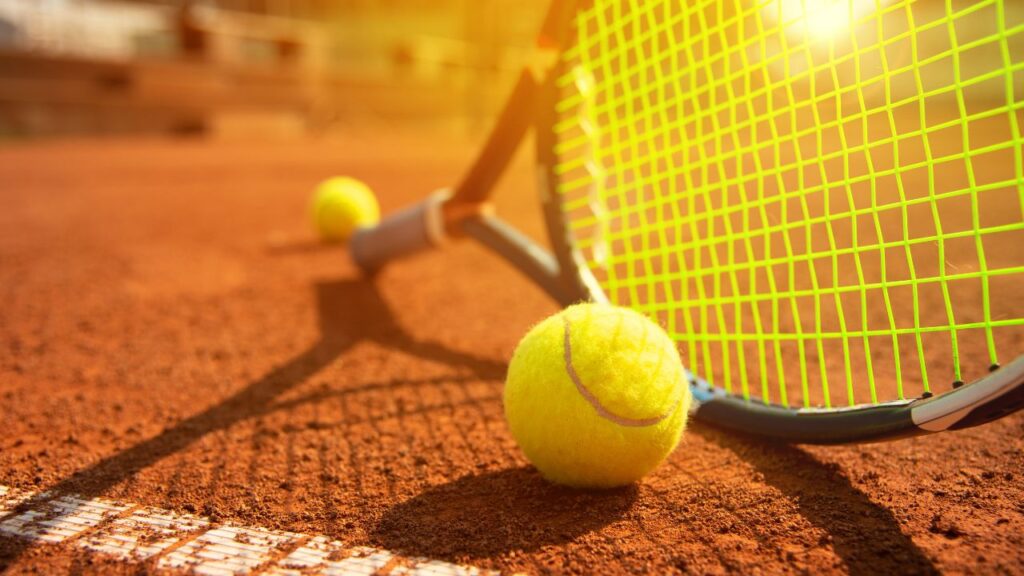
Maintaining and Caring for Your Tennis Equipment: Longevity and Peak Performance
Owning championship-level gear is just the start; how you maintain it determines how long it can battle alongside you on the court. Racquets, tennis balls, and shoes require distinct care routines to stay match-ready. Neglect risks deterioration, discomfort, and even injury.
For racquets:
- Regularly check strings for fraying or tension loss. A well-strung racquet maintains shot accuracy and power.
- Protect the frame from impacts; always use racquet covers when not in use.
- Re-string based on usage—typically every 3-4 weeks for serious players.
Shoes demand more than just a wipe down:
- Washing tennis shoes in the machine can be risky. Proper steps involve hand cleaning or gentle machine cycles as detailed in guides like How To Wash Your Tennis Shoes In The Washing Machine.
- Rotate pairs if possible to extend sole longevity and maintain support.
- Inspect soles regularly and replace shoes the moment grip deteriorates to avoid slips and injuries.
Tennis balls deteriorate quickly but storing them away from heat and sunlight preserves pressure for longer. Many players keep pressurized ball cans sealed until use for peak bounce. For intensive practice, investing in fresh pressureless balls can be more cost-effective.
A tennis player’s routine of maintenance directly influences recovery and readiness. Pre and post-match routines and understanding injury prevention strategies, like those explained in Tennis Recovery Master Rest, are integral to preserving both equipment and body.
| Equipment | Care Tips | Recommended Actions |
|---|---|---|
| Racquets | String tension check, frame protection | Regular restringing, cover storage |
| Shoes | Cleaning, sole inspection | Hand wash or gentle cycle, rotate pairs |
| Balls | Pressure preservation | Store in sealed cans, replace often |
FAQ: Essential Tennis Equipment Questions Answered
- Q: How do I pick the right racquet for my skill level?
A: Beginners should lean toward racquets with larger head sizes and lighter weights for forgiveness and power. Advanced players often prioritize precise control with smaller heads and heavier frames. - Q: What type of tennis balls should I use on hard courts?
A: Extra Duty balls are best suited for hard courts due to their durable felt construction, which resists wear and retains bounce. - Q: How often should I replace my tennis shoes?
A: It’s recommended to replace shoes every 6-12 months depending on usage intensity, or immediately when the soles show significant wear to prevent injury. - Q: Can washing my tennis shoes in a machine damage them?
A: Yes, but following careful methods as outlined in dedicated guides can minimize risk and prolong shoe life. - Q: Why is string tension important for my racquet?
A: String tension affects ball control and power; finding the right balance can greatly enhance performance. For detailed advice, check out this expert guide.