

The electrifying world of tennis courts stretches far beyond the thrill of a fast serve or the precision of a backhand slice. Every match, whether a tense singles showdown or a dynamic doubles battle, is a high-stakes chess game on a canvas of cracked clay, shimmering grass, or slick hardcourt. From the heated rivalries at Grand Slams to the spirited weekend matches at your local club, mastering court positioning is the key that unlocks victory. In 2025, tennis remains a tapestry woven with endless drama, strategy, and raw emotion—where players don’t just chase balls but dominate space, anticipate movement, and wield positioning like a finely tuned weapon.
Singles and doubles court positioning differ dramatically yet share a common DNA: spatial awareness, timing, and the hunger to seize control. Over 87 million tennis lovers worldwide intersect with this sport, but the strategic differences between singles and doubles positioning can be a game changer for those who dare to master them. The court geometry changes, the mental demands multiply, and the partnership dynamic transforms every inch into a battlefield of angles and trust.
Whether you’re clutching your first Wilson racket or fine-tuning your serve with a Babolat pro string setup, understanding how to dominate your turf changes with singles or doubles play. This deep dive explores the core tactical nuances, physical endurance, and mental acuity required to thrive on the court. We unravel the secrets behind perfect splits in baseline coverage, the art of poaching in doubles, and how the giants of the sport tailor their court presence to outwit opponents. For those gearing up with the latest gear from Head, Yonex, or Prince, or styling their moves in Nike, Adidas, Asics, and Lotto, the essence is the same: smart positioning spells triumph. Prepare to navigate this battle of inches on the court with passion and precision.
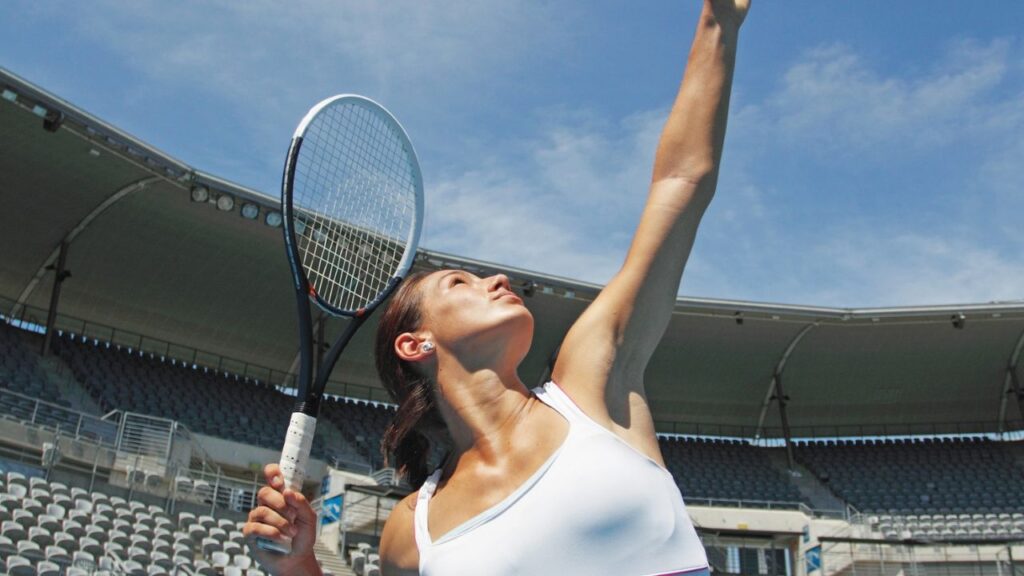
Mastering Singles Court Positioning: Strategies for Dominating One-on-One Matches
Singles tennis is the purest form of individual combat on a court marked by white lines and dreams. Unlike doubles, where the court widens, singles matches confine players to a more narrow battlefield demanding relentless precision and supreme agility. The court’s dimensions are a critical starting point: 27 feet wide and 78 feet long mean every movement is amplified, and every misstep is costly.
The core of singles court positioning is relentless adaptation. Players must control the baseline while remaining poised to attack the net, balancing defensive retreats with sudden bursts. The world’s superstars, whether powered by Head’s aerodynamic rackets or the spin offered by a finely tuned Wilson, instinctively understand spacing that cuts opponents off and compresses angles.
Baseline Command: The Defensive and Offensive Pivot
Staying deep behind the baseline gives players time to read the opponent’s shot and craft an effective return, but it risks conceding court control. Conversely, stepping closer to the baseline presses the opponent and squeezes their margins — a bold move that requires speed and sharp reflexes.
- Deep baseline positioning: Optimizes reaction time, ideal for counterpunchers who thrive on consistency.
- Neutral baseline stance: Balances risk and aggression, allowing players to switch gears fluidly.
- Aggressive baseline approach: Allows players with a powerful groundstroke and court coverage to dictate points.
Players often use these baseline zones dynamically during rallies. For example, a common tactic involves drawing an opponent wide with an angled cross-court forehand before charging the net, tipping the scales in both anticipation and court control. It’s a dance of inches, driven by the physical fitness that Ashleigh Barty displayed before her 2022 hiatus, powered by training regimes inspired by Nike and Adidas apparel and equipment technology.
Net Play: The Art of the Final Frontier
Approaching the net is the ultimate statement in singles tennis. Yet timing is an all-or-nothing gamble. Move too early and get lobbed helplessly; stay back too long and surrender initiative. The secret lies in choosing moments when the opponent is off-balance or has little time to react.
- Chip-and-charge: A slice serve or drop shot that forces a weak return, setting up an aggressive net rush.
- Passing shot anticipation: Reading an opponent’s body position to predict where a passing shot might be aimed.
- Volley mastery: Quick reflexes and soft hands critical for sealing points at the net.
Advanced footwork is non-negotiable here. Players harness drills and techniques outlined in guides like Master Footwork Court Pro to maximize court access and minimize energy wastage on recoveries. For instance, the split step before the opponent’s shot primes your body to move explosively in any direction, often the difference between winning or losing a crucial match point.
Serve and Return Positioning: The Opening Battlelines
The opening serve sets the stage. Serving closer to the center mark or the wide alley offers tactical advantages in angle and depth. Dual tactics include:
- Wide serve: Opens up the court, pulling the opponent off-course.
- Body serve: Cripples the opponent’s return rhythm, forcing weak replies.
- Down the T serve: Fast, straight to pressurize the middle and isolate the opponent.
Returners, on the other hand, must position themselves to exploit the server’s predictable tendencies while ready to neutralize power. Advanced strategies shared in Tennis Serve Tips Pro Secrets emphasize returning with either slice or aggressive flat shots depending on match context.
| Positioning Zone | Purpose | Advantages | When to Use |
|---|---|---|---|
| Deep Baseline | Defensive & Time Management | More time to react; safer returns | When opponent is aggressive or serves powerfully |
| Neutral Baseline | Balanced Attack and Defense | Flexibility to change shot selection | Mid-rally or return of serve |
| Net Approach | Aggressive Court Control | Shortens points; applies pressure | After forcing weak returns |
Mastering singles court positioning is a lifetime pursuit—combining physical endurance, tactical shrewdness, and intimate knowledge of your own strengths and shortcomings. For emerging players, understanding the impact of racket tension—from brands like Babolat or Wilson referenced in Perfect Racket Tension—can also deeply influence shot control, a subtle yet decisive edge when locked in the perfect court position.
Doubles Court Positioning Unlocked: Elevate Your Team Play to the Next Level
Doubles transforms tennis into an electrifying cooperative battlefield, doubling the court width and deepening strategic complexity. The alley lanes open a whole new arena of angles and possibilities. Court positioning is no longer a solo mission but a choreographed dance where communication and split-second decisions define success.
Doubles courts stretch 36 feet wide—9 feet wider than singles—adding lanes that change the contours of the fight. Players clad in the latest Prince rackets or wearing Asics shoes have to rethink coverage. Every inch counts when paired with a partner who is either your perfect complement or a mismatched puzzle piece. Great doubles teams, like those inspired by lottery-winning pairings or ATP legends, treat this expanded battleground like a living, breathing organism.
Basic Doubles Formations: Two-up, One-up-One-back, and The I-Formation
Effective doubles positioning often revolves around a few standard formations, executed with razor-sharp timing and trust.
- Both-up (Two-Up): Both players at the net, pressuring opponents and cutting off angles but vulnerable to lobs.
- One-up, One-back: Balances net aggression with baseline coverage, ideal for counterpunching and extended rallies.
- The I-Formation: Server and net player line up, disguising serve direction; a favorite among pros wielding Yonex and Head gear.
Communication underpins each formation’s success. Frequent eye contact, hand signals, and pre-point planning optimize reactions. For aspiring champions, resources like Winning Match Strategy provide blueprints on formations and movement synchronization, enhancing on-court synergy and domination.
Net Dominance and Poaching Strategies
A hallmark of elite doubles is the fearsome net presence. Partners alternate between steady baseline play and coordinated, aggressive net poaching that forces unforced errors. Poaching requires anticipation — reading the opponent’s body language and shot preparation like a seasoned investigator.
- Swift poaches: Quick net interceptions cutting off cross-court returns.
- Fake poaches: Bluffing a movement to confuse opponents, setting them up for a partner’s winning shot.
- Communicated poaches: Players use hand signals before serving to alert each other of planned net moves.
Physical demands in doubles center on rapid reflexes, explosive short sprints, and the ability to switch focus between partner and opponents seamlessly. Drills highlighted in Master Advanced Training Techniques confirm the benefits of training reaction times and lateral movements specific to doubles dynamics.
Serve and Return Positioning in Doubles
Positioning for serve and return in doubles introduces a heightened importance of the server’s partner role and court spacing.
- Server’s positioning: Standing a step away from the center to maximize the serve angle.
- Server’s partner positioning: Usually near the net, ready to intercept returns and apply pressure immediately.
- Returner and partner’s stance: Strategic placement to cover alleys and anticipate aggressive net approaches.
| Position | Role | Key Objectives | Tactical Advantages |
|---|---|---|---|
| Server | Initiates point | Deliver varied serves to create weak returns | Controls opening momentum |
| Server’s Partner | Net coverage | Intercept returns; apply net pressure | Forces errors; shortens points |
| Returner | Neutralize serve | Effective returns to disable net pressure | Eases baseline positioning for partner |
| Returner’s Partner | Baseline/defense | Cover lobs and passing shots | Protects court depth; supports rallies |
Understanding the subtleties of these roles turns a casual partnership into a formidable duo. Whether you’re rocking Lotto gear or fine-tuning strings with advice from Beginner Tennis Equipment Guide, mastering positions builds confidence and court control unmatched in solo play.
Physical and Mental Demands of Singles vs Doubles: How Positioning Shapes Your Game Endurance
Positioning on the tennis court is tightly interwoven with the physical and mental demands of singles and doubles. Each format stresses different energy systems, movement patterns, and cognitive skills that condition players uniquely. The rigors of covering an entire singles court demand exceptional stamina, while doubles emphasizes quick bursts and coordination.
Singles: Endurance, Agility, and Strategic Patience
Covering the entire singles court solo means unmatched physical demands—running, lunging, sprinting, and recovering happen without respite. Conditioning programs focusing on aerobic endurance, anaerobic capacity, and joint resilience are must-haves for maintaining top-level positioning from first serve until match point.
- Stamina: Ability to sustain high-energy rallies and consistent court coverage.
- Agility: Swift direction changes, split-second pauses, and explosive forward movements for net approaches.
- Mental toughness: Maintaining focus with heightened pressure under all situations.
Mental resilience plays an outsized role; every mistake is personal, and the psychological toll can tilt momentum. Players benefit from visualization, breathing techniques, and mindfulness increasingly incorporated into elite training highlighted in Master Advanced Training Techniques.
Doubles: Explosiveness, Reflexes, and Team Synergy
Doubles requires faster, shorter bursts of movement serving tight net exchanges and volley battles. Muscular power and reaction times trump sustained endurance. Positional awareness and swift lateral coverages, often practiced with gear from brands like Yonex and Prince, sculpt the doubles player’s unique physical profile.
- Explosive strength: Instantaneous muscle activation for poaching and net intercepts.
- Reflex speed: Damage control and counterattack within split seconds.
- Communication & mental synchronization: Trusting instincts fostered by constant interaction with a partner.
The mental demands balance individual focus with team support, reducing isolation but requiring shared responsibility to foster peak performance. The camaraderie and split-second decision making involved can often spur players to their best.
| Aspect | Singles Demands | Doubles Demands |
|---|---|---|
| Physical Endurance | High – covers entire court solo | Moderate – focused bursts and net plays |
| Agility & Speed | High – whole court lateral and forward coverage | Very High – rapid reflex volleys and short sprints |
| Mental Focus | High – self-reliance and pressure management | High – communication and teamwork synergy |
For players determined to optimize their endurance and court positioning, exploring recovery tech and footwear optimized by Adidas and Asics adds a cutting-edge advantage. Recovery strategies ensure positioning ability does not collapse under fatigue during high-stakes encounters.
Choosing Singles or Doubles: Aligning Play Style with Positioning Strategy
The polarized styles of singles and doubles offer distinct lifestyles, positioning demands, and gameplay satisfaction. Understanding your personality, skill set, and aspirations seed the choice between the solo adrenaline of singles or the cooperative excitement of doubles.
Assessing Personality Traits and Play Preferences
- Solo Competitor: Craves personal glory, independent decision-making, and enduring pressure.
- Social Team Player: Values camaraderie, shared responsibility, and cooperative tactics.
Singles players thrive under self-reliance, driven by personal goals to dominate the court with Wilson or Babolat gear wielding maximum control. Doubles specialists embrace communication, often found perfecting serve and volley exchanges with partners outfitted in Nike or Lotto sneakers and fine-tuned rackets from Prince or Yonex.
Matching Skills with Strategic Positioning
Players with powerful serves, resilient baseline games, and solitary mental toughness find natural allies in singles, where court positioning focuses on individual spacing and endurance. Those gifted in quick reflexes, tactical net play, and trust-building shine in doubles, where positioning is a live conversation between two.
| Skillset | Ideal For Singles | Ideal For Doubles |
|---|---|---|
| Serve | Powerful & Varied | Strategic & Placed |
| Volley | Occasional Use | Frequent & Aggressive |
| Baseline Play | Central to Game | Supports Partner |
| Communication | Minimal | Critical |
Goal Orientation and Its Impact on Positioning
Competitive players eyeing ATP rankings or Grand Slam titles invest in singles mastery, sharpening their positioning to squeeze every advantage. Recreational players seeking fun and social bonding often prefer doubles, finding joy in the shared victories and tactical interplay. Whatever style is selected, endless resources await at TennisGuide.net to hone each facet of court positioning for aspiring champions.
Doubles and Singles Strategies: Pro Tips, Gear Choices, and Positioning Drills for 2025
Stepping onto the court in 2025 means blending timeless court wisdom with cutting-edge gear innovations and top-tier training methods. From Wilson’s latest racket lines to Prince’s precision-crafted frames, and from Adidas’ court-ready shoes to Asics’ agility-enhancing designs, every choice influences how players position themselves and execute shots.
Pro Insights on Positioning and Strategy
- In singles, use tactical serve placement to control point rhythm, mixing flat, slice, and kick serves as advised on Tennis Serve Tips Pro Secrets.
- Doubles requires constant positional adjustment, especially when deploying jammer formations or switching sides instantly to block angles.
- Both formats benefit hugely from footwork mastery, with drills featured extensively in Master Footwork Court Pro.
Training Drills for Court Domination
- Sprint with directional cones: Boosts reaction speed and lateral court coverage.
- Partner shadowing drills: Improve doubles synchronicity and communication.
- Serve-and-volley sequences: Enhance net approaches tailored to singles or doubles matches.
- Racket tuning sessions: Optimizing string tension for power and control through advice found on Perfect Racket Tension.
Equipment Recommendations for the Modern Player
Choosing the right gear amplifies positioning effectiveness and gameplay satisfaction. Select rackets from trusted brands like Wilson and Babolat for control or Yonex and Prince for power. Footwear from Nike and Adidas provides stability and traction, crucial for quick directional shifts. Asics and Lotto offer agility-focused solutions for players who thrive on unpredictable court movement. Adding in accessories and apparel enhances endurance and comfort during grueling matches.
| Brand | Recommended Gear | Positioning Benefit | Ideal For |
|---|---|---|---|
| Wilson | Control rackets | Precision shot placement | Singles baseline players |
| Babolat | Spin optimized rackets | Enhanced topspin and slice | Singles and doubles aggressive players |
| Yonex | Power rackets | Extended reach and power | Doubles net and serve specialists |
| Prince | Balanced rackets | Adaptable for versatile shots | All-round players |
| Nike/Adidas | Court shoes | Stability and traction | Quick directional movement |
| Asics/Lotto | Agility footwear | Responsive footwork and speed | Players needing quick reflexes |
Players eager to deepen their game intelligence can explore upcoming events and tournaments through Upcoming Tennis Tournaments and follow rising stars dominating in real-time at Upcoming Tennis Players Dominate Next. This combined knowledge with intense practice seals the formula for court success.
The fusion of cutting-edge equipment, thoughtful strategy, and relentless practice defined by resources on TennisGuide.net paves the path to mastery in court positioning. Embrace these insights, equip yourself wisely, and transform every stroke into a statement of intent.
Frequently Asked Questions About Tennis Court Positioning
- Is singles tennis more physically demanding than doubles?
Both formats challenge players differently. Singles demands covering the entire court solo, requiring more endurance. Doubles emphasizes rapid reflexes, short sprints, and teamwork, which also imposes intense physical and mental demands.
- Can I play both singles and doubles without compromising my game?
Absolutely. Many players enjoy both, adapting their positioning and tactics accordingly. Switching between singles and doubles frequently can sharpen all-around skills and keep your game fresh.
- Is doubles often overlooked compared to singles in terms of recognition?
While singles often grabs more spotlight, doubles offers its own glory and demands unique skills. Players like Katerina Siniakova have emphasized the value and passion in doubles play, reminding fans that achievements here are equally valid.
- As a beginner, should I start with singles or doubles?
Doubles tends to be more beginner-friendly. Having a partner reduces pressure and offers a supportive learning environment. It’s a great introduction to tennis positioning and skills with a social twist.
- How important is equipment in influencing court positioning?
Equipment plays a significant role. Choosing rackets optimized for control or power, along with the right footwear from brands like Nike or Asics, greatly impacts movement and shot effectiveness, crucial for mastering court positioning.