

In the relentless pursuit of excellence on the tennis court, physical fitness is not just an advantage—it’s the foundation. Every forehand slammed, every sprint to the net, every explosive serve demands a body honed for peak performance. This dynamic world of tennis physical training goes far beyond mere endurance; it’s about crafting power, agility, balance, and resilience to dominate those critical match moments. From the blistering rallies of Wimbledon’s Centre Court to your local clay courts under the Texas sun, fitness reigns supreme for players aiming to push limits and etch their names into tennis history.
Behind the iconic brands like Wilson, Babolat, and Head lies a universe of athletes who have invested sweat and science into their physical preparation—wearing Nike or Adidas gear that’s engineered for movement, embodying a commitment that starts long before the first serve. Tennis physical training is where cardiovascular conditioning meets sport-specific drills, where raw strength merges with graceful footwork, and where mental toughness is anchored in physical reliability. It’s not just about playing longer; it’s about playing smarter, faster, and stronger.
As the ATP and WTA tours showcase breathtaking matches, the unseen battleground of fitness training shapes outcomes more than ever in 2025. Innovative routines, inspired by giants like Under Armour’s relentless drive and Lacoste’s classic finesse, elevate the modern player beyond traditional restrictions. Coupled with cutting-edge recovery protocols and nutritional strategies, this training revolution makes sure every player—from seasoned pros to emerging talents spotlighted on TennisGuide.net—can chase glory with unmatched vigor.
The journey to peak tennis fitness is layered and multidimensional, inviting players to master intense cardiovascular drills, explosive plyometrics, balance enhancement, and injury prevention techniques inspired by top experts. Crucially, this rigorous regimen harmonizes body mechanics and technique, ensuring each movement is purposeful and powerful. As a result, players don’t just survive grueling five-set battles—they dictate them with razor-sharp agility and stamina.
Whether wielding a Babolat Pure Drive or stringing a Head radical, the integration of physical conditioning is undeniable. Passion fuels the courts; training sculpts the champions. Dive deep into the realms of tennis physical training and explore how fitness unlocks every ounce of potential hidden within the court’s chalked lines.

Optimizing Tennis Performance Through Targeted Cardiovascular Fitness
A vital pillar in tennis success lies in cardiovascular endurance. The game’s demanding pace—with its sudden bursts of speed, defensive lunges, and relentless rallies—requires a heart and lungs engineered to last. Players who falter in stamina lose focus, technique, and battles.
Building cardiovascular capacity isn’t about mindless jogging—it’s about tailored, high-intensity intervals replicating match conditions. Interval training, combining sprints and recovery phases, elevates aerobic and anaerobic thresholds, ensuring players maintain top intensity during decisive points. For example, starting with a 30-second all-out sprint followed by 90 seconds of light jogging repeated 10 times mirrors sudden bursts on court.
Incorporating Running Drills that Mimic Match Play
Running drills can directly mirror tennis movement patterns. Side shuffles, forward sprints, and backward runs enhance dynamic endurance.
- Suicides: Rapid sprints in a set pattern improve explosive acceleration and deceleration.
- Ladder drills: Boost foot speed and coordination—critical for answering running volleys or quick net approaches.
- Interval tempo runs: Alternate fast-paced running with moderate jogs to condition cardiovascular response.
The legendary Nike tennis training programs advocate such diversified cardiovascular drills, pairing endurance with explosiveness. These routines ensure that under extreme pressure, a player’s system remains unshakable.
Balancing Cardiovascular Workouts with Recovery and Injury Prevention
High cardiovascular output demands proper recovery. Overtraining is a trap. Incorporating lighter days and structured rest periods minimizes injury risk and encourages adaptation.
Brands like Asics and New Balance emphasize supportive footwear in training regimens to ensure foot stability during intense cardiovascular drill sessions, preventing common injuries such as plantar fasciitis or Achilles tendinitis.
| Training Type | Purpose | Recommended Frequency |
|---|---|---|
| High-Intensity Interval Training (HIIT) | Simulates energy bursts during match points | 2-3 times weekly |
| Steady-State Cardio | Builds aerobic base for match endurance | 1-2 times weekly |
| Agility and Footwork Drills | Enhance quick court coverage | 3-4 times weekly |
To elevate tennis fitness to its pinnacle, players can explore detailed guides like the Improve Tennis Fitness Exercises page, which dives deeper into crafting sport-specific endurance strategies.
Strength Training for Tennis: Enhancing Power and Injury Resilience
Strength is the secret weapon of tennis champions, manifesting in racket speed, explosive push-offs, and the stamina required to maintain technical execution under pressure. But strength training is more nuanced than raw muscle gain; it’s precision-engineered to support explosive tennis motions while safeguarding joints and muscles.
Key Muscle Groups Targeted for Tennis Strength
- Legs (quadriceps, hamstrings, calves): Vital for explosive sprints and balance during aggressive strokes.
- Core (abs, obliques, lower back): The powerhouse for rotational shots like forehands and serves.
- Upper body (shoulders, forearms, wrists): Essential for racket control, power, and injury prevention.
Advanced programs from Under Armour and Prince focus on compound lifts that replicate tennis-specific movement patterns. Exercises such as deadlifts, lunges, medicine ball rotational throws, and wrist curls are staples. The goal? Develop muscular balance to prevent common tennis injuries like tennis elbow and shoulder impingements.
Balancing Strength Workouts With Flexibility and Mobility
Power without mobility equals vulnerability. Incorporating dynamic stretching routines and mobility drills alongside strength ensures players keep their range of motion fluid—critical to hitting those winners from awkward angles.
The integration of brands like Lacoste and Babolat into training gear highlights the importance of flexibility-focused apparel that moves with the athlete while providing support. From compression sleeves to breathable fabrics, these innovations contribute to injury prevention.
| Exercise | Muscle Group | Sets & Reps | Benefits |
|---|---|---|---|
| Medicine Ball Rotational Throws | Core & shoulders | 3 sets x 12 reps | Improves rotational power for forehands & serves |
| Lunges with Dumbbells | Legs and balance | 4 sets x 10 reps each leg | Boosts explosive leg strength and stability |
| Wrist Curls | Forearms | 3 sets x 15 reps | Increases grip strength and endurance |
For those seeking to elevate their regimen, the Master Advanced Training Techniques resource offers expert plans blending strength with skill development.
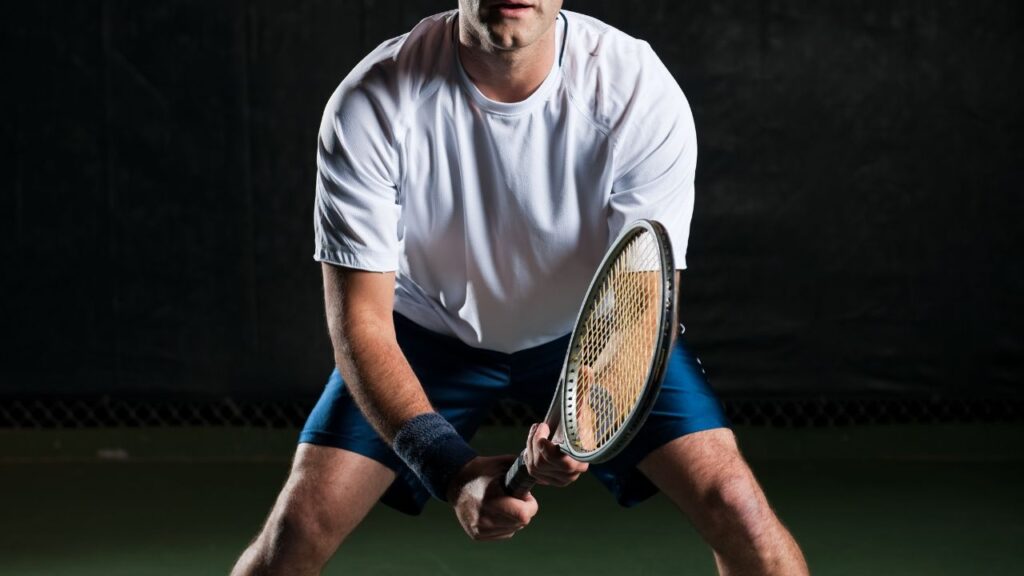
Agility and Footwork: The Cornerstones of Rapid Court Movement
Tennis courts are playgrounds of split-second decisions and marathon points. Agility and footwork separate the reactive from the proactive, the grind from the glory. Enhancing these attributes means faster, smarter movements, enabling players to reach those impossible shots and control the point’s rhythm.
Critical Footwork Drills to Sharpen Agility
- Ladder Drills: Increase quickness and coordination to handle tight net play.
- Dot Drills: Improve precision in foot placement, aiding in recovery between shots.
- Backpedal to Sprint Transitions: Teach seamless direction changes vital to tennis defense.
Brands like Wilson and Prince design rackets and accessories that complement fast footwork, ensuring equipment supports rapid adjustments without hindrance. Court shoes by New Balance and Asics provide the lateral stability indispensable during sudden cuts and pivots.
The Science Behind Agility Training for Tennis
Agility combines neuromuscular coordination, muscle strength, and balance. Plyometric training—box jumps and explosive bounds—enhances fast-twitch muscle fibers responsible for instant reactions. Meanwhile, balance exercises on unstable surfaces sharpens proprioception to prevent falls and reduce injury risks.
| Drill Type | Main Focus | Frequency | Equipment Needed |
|---|---|---|---|
| Ladder Drills | Speed & coordination | 3 times weekly | Agility ladder |
| Dot Drills | Precision footwork | 2 times weekly | Dot markers or tape |
| Plyometrics | Explosive power | 2 times weekly | Box or jump platform |
Explore more on refining these skills with the Tennis Warm Up Guide, a vital resource that unlocks pre-match preparation secrets ensuring players hit the court nimble and ready.
Recovery, Nutrition, and Injury Prevention: Sustaining Peak Tennis Performance
No tennis conditioning program is complete without managing recovery and nutrition, the invisible warriors behind every strong stride and precise stroke. Under Armour and Adidas athletes attribute consistent success to meticulous recovery routines complemented by smart fueling strategies.
Essentials of Tennis Recovery
Post-match and post-training recovery protocols include stretching, hydrotherapy, and active rest to flush out lactic acid and repair muscle fibers. Use of compression gear from Lacoste or quality hydration products help accelerate recovery processes. Neglecting these leads to chronic fatigue and increased injury risks, cutting careers short.
Nutrition for Tennis Endurance
Nutrition directly influences match stamina and cognitive sharpness. Balanced meals rich in complex carbohydrates, lean proteins, and healthy fats fuel the grind. New Balance athletes endorse meal timing strategies, ensuring glycogen stores peak during critical matches.
- Pre-match snacks: Bananas, energy bars, or nuts for quick energy.
- During match hydration: Electrolyte drinks to maintain fluid and mineral balance.
- Post-match meals: Protein shakes or lean meat with vegetables to repair muscles.
Delve into comprehensive nutritional guidance at Tennis Nutrition for Peak Performance, the go-to for athletes dedicated to mastering dietary strategies alongside physical training.
Injury Prevention Techniques for Longevity
Prevention starts long before any injury. Warming up with dynamic stretches, avoiding overuse, and proper footwear from brands like Asics and Nike dramatically reduce risks. Resources such as Prevent Tennis Injury Tips provide actionable advice, empowering players to stay on court season after season.
| Prevention Method | Description | Benefits |
|---|---|---|
| Dynamic Warm-Ups | Active stretching and mobility prep before play | Enhances muscle readiness and reduces injury risk |
| Proper Footwear | Supportive shoes suited to court surface and foot type | Prevents ankle sprains and joint stress |
| Regulated Training Load | Balanced workout intensity with rest days | Prevents overuse injuries and burnout |
Integrating Technology and Mental Conditioning in Tennis Physical Training
The modern tennis environment thrives at the intersection of technology and physical grit. Devices and software now analyze movement patterns, track biometrics, and tailor individualized training plans. The blend of mental toughness training with physical readiness is the final frontier in comprehensive player evolution.
Wearable Tech Revolutionizing Tennis Training
Wearables developed by leading brands often collaborate with tech firms to integrate motion sensors into gear—from Wilson’s smart rackets to Adidas’ biometric clothing. These tools offer real-time feedback on stroke mechanics, heart rate variability, and recovery metrics, enabling data-driven adjustments.
Psychological Conditioning to Amplify Physical Training Results
Mental resilience determines who thrives under tournament pressure. Techniques such as visualization, controlled breathing, and focus drills synchronize mind and body, turning physical readiness into winning execution.
- Visualization: Mental rehearsals improve shot consistency and confidence.
- Breathing control: Lowers stress hormones and improves endurance.
- Routine development: Establishes focus under high-pressure situations.
Players eager to harness these cutting-edge approaches can discover immersive programs via TennisGuide.net, blending tradition with tomorrow’s innovation for a holistic tennis training regimen.
| Technology | Benefit | Typical Use Case |
|---|---|---|
| Smart Rackets (Wilson, Babolat) | Analyze stroke speed and spin | Technique refinement during practice |
| Biometric Clothing (Adidas, Under Armour) | Monitor heart rate and muscle fatigue | Optimize training loads and recovery |
| Mobile Apps | Provide custom workout plans and tracking | Enhance consistency and progress monitoring |
Frequently Asked Questions About Tennis Physical Training
- Q: How often should a tennis player train their cardiovascular system for peak performance?
A: Ideally, 2 to 3 sessions of high-intensity interval training per week combined with moderate steady-state cardio enhances endurance suited for tennis. - Q: What are the best strength exercises for tennis players?
A: Medicine ball rotational throws, lunges with weights, and wrist curls develop muscles crucial for power and injury prevention. - Q: How important is recovery in a tennis training schedule?
A: Recovery is as vital as training, involving rest, nutrition, and active recovery to maintain longevity and performance. - Q: Which footwear brands are recommended for tennis physical training?
A: Asics, New Balance, Nike, and Adidas stand out for offering court-specific, supportive shoes that reduce injury risks during training. - Q: How does mental conditioning complement physical training for tennis?
A: Mental techniques enhance focus, reduce anxiety, and improve execution under pressure, making physical skills more effective in competition.