

Clay courts stand as one of the most tantalizing and grueling canvases tennis has to offer. Unlike the lightning-fast sprints on grass or the bounce-and-rip rhythm of hard courts, clay brings a new story to the match—a story crafted with higher bounces, slower ball speeds, and tactical chess matches demanding endurance and patience. Every slide, gouge, and topspin-laden rally on clay courts writes its own thriller, captivating players and fans alike. These courts don’t just test the strength of your strokes or the power behind your serve—they challenge your entire essence as a player.
Embracing the red dust means mastering not just technical skills but a gritty mindset. Legendary champions like Rafael Nadal and Chris Evert have personified clay court mastery, showcasing how blending supreme footwork with strategic ball placement wins the day. The 2025 tennis season continues to celebrate this unique surface, especially spotlighted at iconic events such as Roland-Garros—the battleground where clay court titans rise and fall.
Whether you’re clambering up the rankings at upcoming clay tournaments, hunting for that perfect Wilson or Babolat racquet string tension, or searching for the ideal Asics or Adidas tennis shoe to grip slippery Terracotta courts, understanding clay’s nuances becomes non-negotiable. This guide dives headlong into what it takes to thrive on clay—from footwork tips and technical tweaks to mental stamina and tactical ingenuity, every angle covered with the electrifying energy this sport demands.
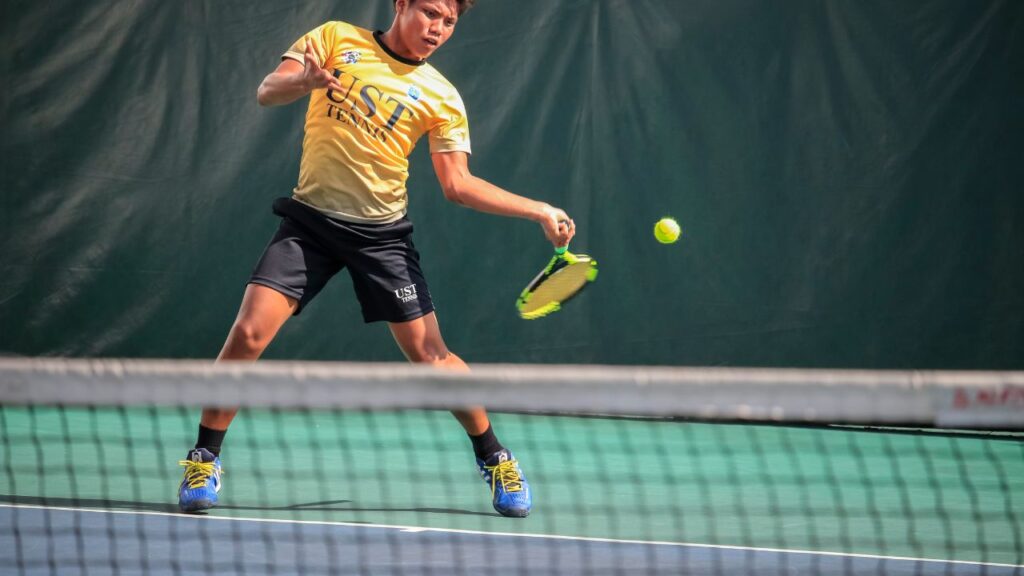
Mastering Footwork and Movement on Clay Courts for Superior Performance
One of the first battles on clay confronts players with the slippery, treacherous footing that clay courts uniquely deliver. Unlike hard courts, where quick, explosive steps dominate, sliding becomes the lifeblood of movement here. Clay demands a jazz-like finesse—sliding into each shot with razor-sharp balance and rapid recovery. It’s the difference between chasing to the ball exhausted or returning fire with laser-like precision.
Developing expert footwork calls for specific training regimes focused on slide-step movement, quick pivots, and boosted agility. Players adopting tennis shoes from brands like Nike, Asics, or Tretorn gain an edge, as these shoes provide specialized soles designed for controlled slides without sacrificing grip.
- Slide-step movement mastery: This technique involves gliding the rear foot across the clay while stepping forward with the front foot, enabling smooth transitions and sustained balance.
- Rapid directional changes: Clay rallies often force unpredictable angles, so quick turns and pivoting help players stay in control during long exchanges.
- Balance and recovery drills: Staying low and light on the feet aids quick rebounds after each slide, critical for maintaining rally intensity.
Equally essential is mental preparation for movement—anticipating your opponent’s shot and maintaining composure under the slow but relentless rhythm of clay court points. When syncing your body’s agility with your mind’s precision, you carve out opportunities in extended rallies that demand not just speed but an unshakable core.
| Footwork Element | Clay Court Advantage | Recommended Equipment |
|---|---|---|
| Slide-step | Maintains balance and conserves energy in slides | Nike Zoom Cage 4; Asics Gel-Resolution |
| Quick turns | Enables sharp directional changes | Tretorn Tempo Clay Tennis Shoes |
| Balance recovery | Prevents falls and enhances court coverage | Adidas Adizero Ubersonic |
For those wondering about gear specifics, exploring the best tennis shoes guide can optimize your footwork arsenal. Getting your footwork dialed in means gaining precious seconds that shift matches in your favor on demanding clay surfaces.
Technical Stroke Adjustments to Dominate Clay Court Tennis
Clay court tennis reshapes how every stroke is painted on the canvas of the match. The slower surface and higher bounce compel players to adopt a strategy built around heavy topspin, shot variety, and patience. In fact, the ability to generate relentless topspin can transform a player’s game, turning defense into attack and forcing opponents into mistakes they cannot afford.
Here are indispensable stroke modifications for clay:
- Forehand with a vertical swing path: Emphasizes topspin generation, allowing the ball to arc over the net deeply and kick high on landing, forcing opponents into defensive positions.
- Backhand control with a horizontal or semi-western grip: Provides precision in keeping balls low or sending them spinning wide, a favorite tactic of clay specialists like Rafael Nadal and Simona Halep.
- Serve adaptation with kick serves: Less raw power but more spin ensures the ball bounces unpredictably on the clay, setting up the point advantageously from the first strike.
| Stroke | Clay Court Technique | Key Effect |
|---|---|---|
| Forehand | Vertical swing path for heavy topspin | High bouncing, pushing opponent behind baseline |
| Backhand | Horizontal/ semi-western grip, controlled spin | Sharp angles and low trajectory |
| Serve | Kick serve with increased topspin | Unpredictable bounce, point control early |
Optimizing your racket setup is just as crucial. Brands like Wilson, Babolat, Head, and Yonex offer rackets designed to complement topspin-heavy play styles prevalent on clay. Ensuring your racquet tension matches your style can deliver the edge needed to outlast grueling rallies. For guidance, check out this racket tension guide to tailor your strings perfectly.
Players who master these technical adjustments don’t just survive on clay—they dictate, influence, and control the tempo, wearing down their opponent’s resistance.
Crafting Tactical Prowess: Clay Court Strategies to Outsmart Opponents
Clay courts introduce a tactical battlefield where raw power takes a backseat to patience, strategy, and deception. The slow surface rewards players who can manipulate rally length, construct points with surgical precision, and mine opponent weaknesses methodically.
Effective clay court tactics include:
- Identify and exploit weaknesses: The backhand is often targeted—players like Nadal ruthlessly attack this wing to turn defense into attack. Or, when faced with a big server, returning with slice and drop shots disrupts their rhythm.
- Use depth and angles: Hurling deep balls pushes opponents behind the baseline, opening the court for acute angled winners or drop shots.
- Mix shot selection unpredictably: Drop shots, heavy topspin lobs, and angled cross-court slices all keep opponents guessing and physically off-balance.
- Play the point like a marathon: Endurance and mental fortitude pay off—building points carefully lulls opponents into costly errors.
These strategies require immense mental focus and resilience. Players with tactical discipline are the clay court gladiators, grinding down rivals with each calculated shot and strategic foot placement. To witness such mind games firsthand, don’t miss the live coverage of big clay court tournaments available via this streaming guide.
| Strategic Element | Clay Court Benefit | Player Example |
|---|---|---|
| Target backhand | Forces weaker returns, creates openings | Rafael Nadal |
| Deep, angled shots | Pulls opponent off court, sets winners | Simona Halep |
| Unpredictable shot mix | Disrupts opponent’s rhythm | Ashleigh Barty (retired but notable) |
| Endurance and patience | Wear down opponent slowly | Chris Evert |
Essential Physical and Mental Preparation for Clay Court Success
Playing on clay demands a cocktail of physical endurance and mental toughness unlike other surfaces. Rallies tend to be longer, requiring stamina that blends explosive movements with sustained effort. Players must also cultivate focus and emotional control to overcome momentum swings typical on clay.
Physical conditioning highlights:
- Build cardiovascular stamina: Extended rallies and longer matches make high endurance levels a must.
- Strengthen leg muscles and core: Enables powerful sliding, explosive pushes, and balance maintenance.
- Flexibility training: Flexible hips and ankles reduce injury risk and improve court coverage.
Mental focus essentials:
- Develop unwavering concentration: Focus on each shot and maintain composure during unexpected bounces or shifts in match momentum.
- Practice pressure management: High-stakes points demand calm decision-making, crucial for closing out tight matches.
- Embrace the marathon mindset: Patience and mental resilience to face clay’s demanding pace, preserving energy and seizing key moments.
Nicknamed the “King of Clay”, Rafael Nadal’s conditioning regime exemplifies these traits, combining rigorous physical workouts with mental exercises tailored to clay’s unique rigors. Following a plan that addresses these areas prepares players not only to survive but to dominate the grueling exchanges that define clay court tennis.
| Preparation Area | Specific Focus | Benefit on Clay Courts |
|---|---|---|
| Cardiovascular endurance | Long-duration aerobic training | Supports sustained rallies and recovery |
| Strength training | Leg & core muscle conditioning | Allows powerful sliding and stability |
| Flexibility | Dynamic stretching and mobility drills | Reduces injury risk & aids balance |
| Mental focus | Meditation & visualization techniques | Enhances decision making & patience |
For players eager to experience clay success, pairing physical and mental prep with the right gear—be it Lacoste sportswear for comfort or Prince and Yonex racquets for precision—makes all the difference. For detailed equipment advice, visit TennisGuide.net’s beginner’s equipment guide.
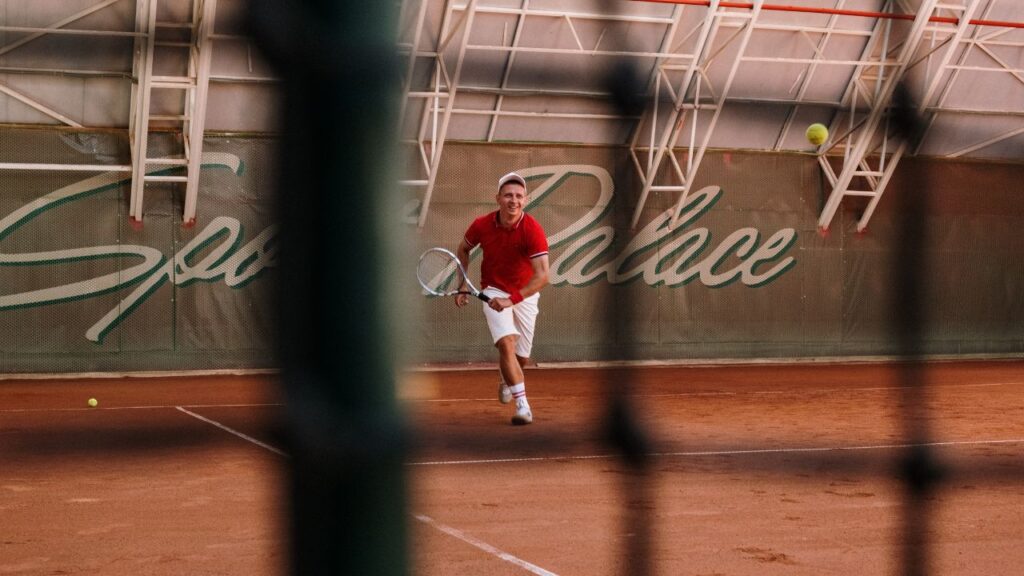
Exploring the Rich History and Global Impact of Clay Court Tennis
Clay court tennis boasts a storied past stretching back to the late 19th century, shaped by innovation, climate, and legendary player exploits. British tennis star William Renshaw’s creative solution to protect grass courts in Cannes oversaw the birth of clay courts, laying layers of crushed brick that remain iconic today.
The French Open, held annually at Roland-Garros, remains the pinnacle of clay court competition worldwide. This tournament highlights not only the physical and technical challenges of clay but the deep tactical and mental battles it inspires. Players who conquer Roland-Garros earn eternal respect in tennis folklore.
Different varieties of clay exist globally:
- Red clay: The classic French Open surface, composed of crushed bricks, providing high friction and slower ball speed.
- Green clay (Har-Tru): Predominantly found in the United States, faster and more slippery, requiring faster reflexes.
- Hybrid clay courts: Emerging innovations blending hard and clay surfaces for lower maintenance without sacrificing feel.
- Yellow clay: Used in select European tournaments with vibrant visual appeal and unique bounce characteristics.
| Clay Type | Surface Composition | Playing Characteristics | Notable Locations/Tournaments |
|---|---|---|---|
| Red clay | Crushed brick dust (1-2mm over layers of limestone and gravel) | High friction, slower ball, higher bounce | Roland-Garros, European clay season |
| Green clay | Crushed metabasalt stone from Blue Ridge Mountains | More slippery, faster pace | US Men’s Clay Court Championship |
| Hybrid clay | Combination of hard court materials with clay | Lower maintenance, variable performance | Emerging in U.S. clubs, no pros yet |
| Yellow clay | Crushed bright yellow brick | Unique visual, variable bounce | ATP Seville Cup, Copa Sevilla |
Beyond surface composition, clay modifies the game’s rhythm, emphasizing endurance and creativity over brute force—qualities evident in champions like Chris Evert and the current tour battles unfolding in the 2025 season. To catch upcoming clay court battles worldwide, check out the latest tennis tournament listings where clay courts sit center stage.
Frequently Asked Questions About Clay Court Tennis
- What makes clay courts so challenging compared to other surfaces?
Clay courts slow down the ball and produce a higher bounce, demanding more patience and endurance from players while challenging their footwork due to the slippery surface. - Which tennis shoes are best for clay courts?
Shoes with specialized soles that allow controlled sliding, like those from Nike, Asics, or Tretorn, are ideal for clay court play. - How important is topspin on clay courts?
Crucial. Heavy topspin lets players push opponents back and create forced errors with the ball kicking high after the bounce. - Can beginners play effectively on clay?
Absolutely. Beginners benefit by focusing on movement, patience, and consistent shot-making, which clay courts encourage. - Where can I watch live clay court tennis matches online?
Live streaming options are available frequently during the clay court season — see live streaming Grand Slams coverage on TennisGuide.net.