

There’s a magnetic pull to tennis that’s impossible to resist—the raw power of a roaring serve, the razor-sharp precision of a perfectly executed backhand, and the relentless mental battle unfolding point by point on every court around the globe. In 2025, the game continues to evolve at lightning speed, marrying tradition with cutting-edge techniques and savvy tactics that can turn even an underdog into a champion. Tennis isn’t just a sport; it’s a drama layered with strategy, grit, and moments of sheer brilliance that keep fans and players hooked for life.
Whether you’re brand new to the sport or chasing the next level of excellence, mastering the core tennis techniques alongside intelligent tactics is the holy grail of winning more matches. From the court’s baseline to the net, every shadow, every footstep, and every shot carries purpose and potential. And with legendary brands like Wilson, Babolat, HEAD, and Yonex pushing the boundaries of equipment technology, players are armed like never before.
But winning tennis isn’t just about power or fancy gear. It’s about outthinking your opponent—understanding their style, exploiting their weaknesses, and unleashing your strengths with pinpoint precision. From aggressive baseliners to crafty counterpunchers, the way you adapt your strategy to different playing styles is what separates the winners from the rest. This dynamic interplay of physical skill and strategic mastery is where tennis truly shines in 2025, making every match a gripping tale of endurance, technique, and unmatched passion.
Essential Tennis Techniques Every Player Must Master to Dominate Matches
At the heart of every winning tennis player lies a foundation crafted with meticulous attention to technique. From the serve that launches the rally to the footwork that positions you for victory, the fundamentals lay the groundwork for all success on the court. A coach’s repeated chant echoes through training halls: master the basics before chasing complex shots and match-winning spins.
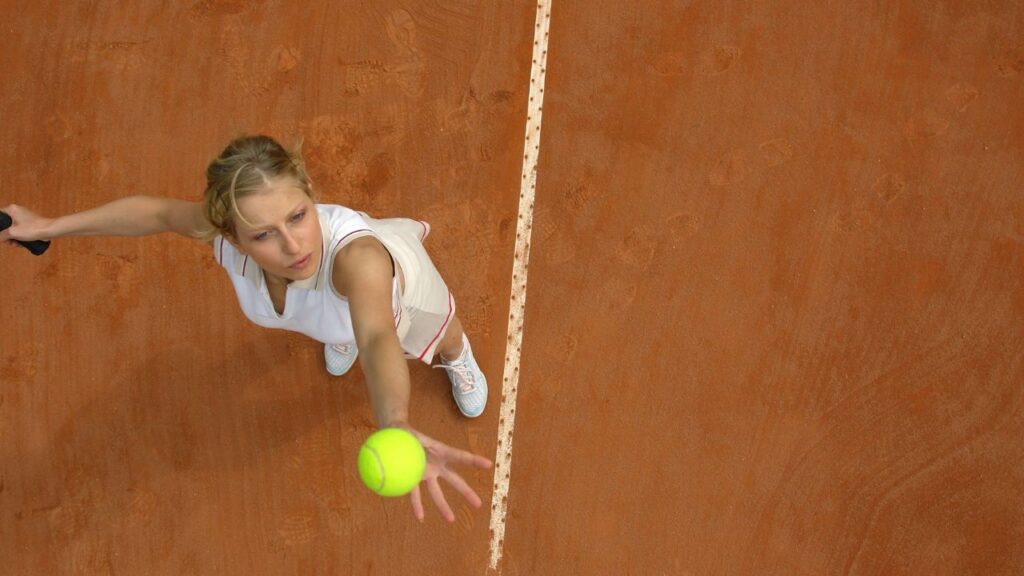
Powerful serves from legends like Roger Federer and Serena Williams start with fluid mechanics and consistent practice. A solid serve isn’t just about muscle—it’s about rhythm and timing. Failing to master this single shot can mean losing the upper hand before the rally even begins.
Footwork, too, is often underestimated by casual players but remains the pulse driving every great shot. Quick, efficient movement means you get to the ball sooner with better balance and control. Brands like Asics, Adidas, and Nike invest heavily in footwear technology to offer players stability, traction, and comfort necessary for explosive starts and swift directional changes.
Technique essentials every player should focus on include:
- Consistent serve mechanics: Tight toss, smooth swing, and follow-through to maximize accuracy and pace.
- Forehand and backhand fundamentals: Proper grip and body rotation to generate topspin and power without sacrificing control.
- Footwork drills: Ladder exercises and side shuffles to build agility and court coverage.
- Volleys and net play: Soft hands and precise angles for finishing points confidently.
- Effective returns: Reading the server and reacting swiftly to set the tempo.
Incorporating a mix of drills targeting both precision and power yields the best results. For instance, alternating between hitting deep topspin shots and slicing short balls trains versatility while preparing the player mentally for unpredictable rallies.
| Technique | Key Focus Areas | Recommended Equipment |
|---|---|---|
| Serve | Ball toss, swing rhythm, shoulder flexibility | Wilson Pro Staff racquet, Mizuno high-performance shoes |
| Forehand | Grip (Eastern or Semi-Western), hip rotation, follow-through | Babolat Pure Aero racquet, Nike court apparel |
| Backhand | Two-handed control or one-handed finesse, weight transfer | HEAD Graphene 360 racquet, Lotto wristbands |
| Footwork | Quick lateral movement, explosive starts, balance | Asics Gel-Resolution shoes, Adidas grips |
| Volley | Soft hands, proper positioning, quick reflexes | Yonex EZONE racquet, Prince overgrip |
By drilling these areas relentlessly, players build the muscle memory and confidence required to execute under pressure, turning basic strokes into winning weapons.
Smart Tennis Tactics: Shaping Your Match Strategy to Outsmart Opponents
Tennis is often described as chess played with muscle and sweat. The difference between a mediocre player and a champion isn’t just technique but the ability to craft and adjust dynamic tactics during the heat of battle. The digital age turbocharges this process, with many players and coaches turning to detailed match analytics, video breakdowns, and opponent scouting like never before in 2025.
The core distinction in tennis strategy lies in the blend of general approach (strategy) and the direct action plan to implement it (tactics). Understanding opponent types—aggressive baseliners, counterpunchers, all-court players, and serve-and-volley specialists—is critical. Success hinges on exploiting their vulnerabilities while playing to your strengths.
Tactics for Dominant Playing Styles
- Counterpunchers: Known for their incredible stamina and defensive skills, counterpunchers thrive by absorbing pace and redirecting shots. To counter them effectively, hit sharp angled slices, mix drop shots with lobs, and remain patient during long rallies.
- Aggressive Baseliners: These players favor power and precision to overwhelm opponents. Neutralize their attack by keeping returns deep, mixing up spins and trajectories, and surprising them with net approaches once in a while.
- All-Court Players: Versatile and unpredictable, all-courters force you to adapt constantly. Use steady deep shots combined with spins and varied pace to stay competitive and watch for their technical weaknesses to attack (like a weak backhand).
- Serve-and-Volley Specialists: Despite reduced presence in modern singles, serve-and-volley remains viable in doubles and certain scenarios. Effective counter-tactics include hitting low, precise returns at the feet and lobbing aggressively.
Preparing a winning match tactic requires fostering an intimate knowledge of your opponent’s tendencies through video analysis and practice games. Modern tools track data on where they hit winners, their preferred serve spots, and movement patterns. This intelligence arms players with laser-focused targeting strategies.
| Opponent Type | Common Tactics | Counter Strategies |
|---|---|---|
| Counterpuncher | Defense, extended rallies, hitting off opponent’s pace | Use sharp angles, drop shots, patient constructs |
| Aggressive Baseliner | Big serves, powerful groundstrokes, attacking | Deep returns, mix spins, surprise net rushes |
| All-Court Player | Versatile, unpredictable shot selection | Exploit technical weaknesses, use mix of pace and spin |
| Serve-and-Volley | Net rushing, aggressive volleys | Low returns, lob passes, deep baseline rallies |
Through study and application, these tactical insights can lead to match-winning adjustments, turning stress points into opportunities for dominance.
Building Mental Toughness: The Hidden Key to Tennis Victory
Physical skill and superior technique set the stage, but the climax in tennis is often dictated by who can seize control mentally. Tennis is brutal—not just the movement but the constant emotional rollercoaster that often decides matches in crushing moments. Champions like Serena Williams and Novak Djokovic exemplify mental toughness that empowers them to thrive under pressure, push limits, and consistently deliver clutch performances.
Mental toughness in tennis encompasses focus, resilience, confidence, and emotional control. Players train these qualities using a combination of psychological techniques alongside physical practice.
Steps to Developing a Rock-Solid Tennis Mindset
- Visualization: Picture yourself executing winning shots and handling pressure flawlessly before even stepping on the court.
- Breathing Exercises: Simple breathing routines help calm nerves and maintain focus during high-stress situations like break points or tiebreakers.
- Positive Self-Talk: Replacing doubts with affirmations builds confidence and steadies nerves.
- Routine Development: Consistent pre-serve or changeover routines create mental anchors that stabilize performance.
- Handling Adversity: Learning to accept mistakes calmly and refocus quickly keeps you mentally resilient.
These mental tools translate into tangible court advantages. For example, a well-practiced breathing technique can shorten recovery time between rallies and keep players sharp late in grueling five-set battles. Anecdotes from top coaches stress that matches are frequently won or lost in moments where mental strength eclipses physical talent.
| Mental Technique | Benefit | Application |
|---|---|---|
| Visualization | Boosts confidence and preparedness | Pre-match mental rehearsal of shots and scenarios |
| Breathing Exercises | Reduces anxiety and restores focus | Controlled breaths during changeovers or before serves |
| Positive Self-Talk | Enhances motivation and blocks negative thoughts | Repeating affirmations like “I control the point” during matches |
| Routine Development | Creates consistency under pressure | Fixed pre-serve routine to trigger focus |
| Adversity Handling | Maintains composure and adaptation | Accepting errors, resetting focus quickly |
Mental strength is one of the hardest skills to develop because it’s invisible and deeply personal. Yet, as history has proven time and again, this invisible force determines who stands tall when trophies are on the line.
Physical Conditioning & Recovery: Sustaining Peak Performance During Tournaments
Tennis matches today can last hours, sometimes extending into marathon five-set battles where stamina often rules. In 2025, physical conditioning is an indispensable pillar supporting a player’s success. The ability to sustain high energy, agility, and strength throughout the tournament spells the difference between early exits and glorious victories.
Expert trainers emphasize a holistic approach combining aerobic fitness, strength training, agility drills, and efficient recovery techniques. From running and cycling to specific court drills, players build aerobic endurance required to handle long rallies and intense court coverage.
Key Elements of Tennis Fitness & Recovery
- Endurance Training: Running, swimming, and cycling improve lung capacity and cardiovascular health.
- Strength Building: Functional strength programs focused on core, legs, and upper body to support explosive shots and injury prevention.
- Speed & Agility: Ladder drills, cone drills, and plyometrics sharpen reaction time and court movement.
- Recovery Tools: Foam rollers, massage guns, and compression gear help accelerate muscle repair and reduce soreness.
- Nutrition & Hydration: Balanced diets tailored for energy and recovery plus constant hydration strategies during matches.
These elements are more than a checklist—they are a regimen followed religiously by professionals and amateurs poised for growth. With brands like Mizuno and Prince offering cutting-edge gear, players have access to performance-enhancing shoes and apparel helping them maximize every workout and recovery session.
| Fitness Component | Training Method | Benefit |
|---|---|---|
| Endurance | Running, cycling, swimming | Improves stamina and recovery speed during matches |
| Strength | Core and resistance training | Increases power and reduces injury risk |
| Agility | Ladder drills, plyometrics | Enhances foot speed and reaction time |
| Recovery | Massage guns, foam rollers | Speeds muscle repair and reduces fatigue |
| Nutrition | Hydration and balanced meals | Maintains energy levels and stamina |
In a demanding tournament environment, understanding how to balance training with rest prevents burnout and chronic injuries—both fatal for competitive success.
Choosing the Right Tennis Equipment: How Top Players Equip Themselves for Victory
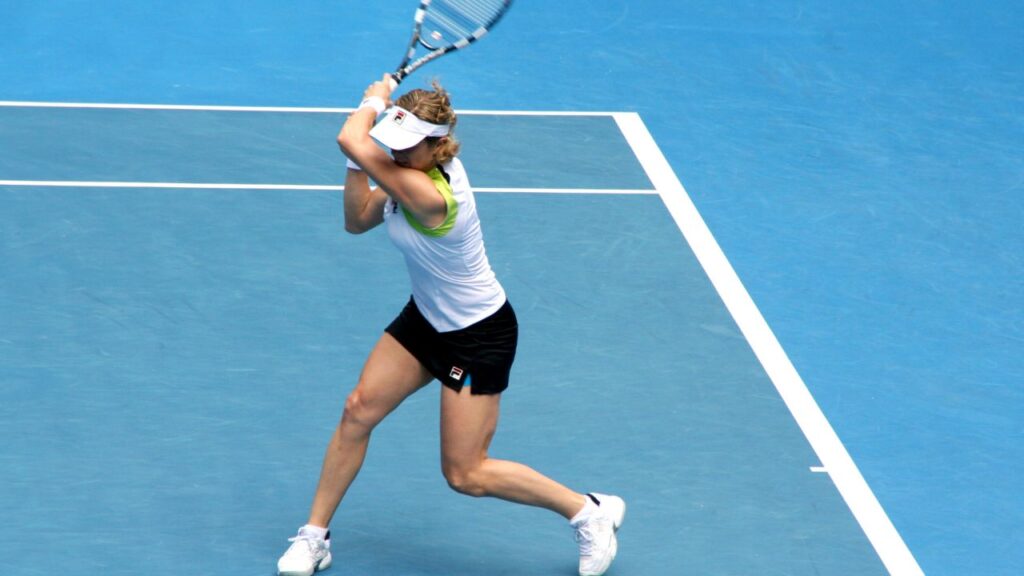
Top performances demand more than talent and training. They require the perfect partnership with gear that feels like an extension of the player’s body, enhancing strengths and minimizing weaknesses. Leading brands such as Wilson, Babolat, HEAD, Yonex, Prince, Mizuno, Adidas, Nike, Asics, and Lotto offer a plethora of tennis equipment options tailored for every playing style and level.
Choosing the right racquet, strings, shoes, and apparel is both art and science. A racquet with the right balance of weight and flexibility enables consistent shot-making, while strings tuned for tension dictate spin and control. Footwear designs focus on cushioning and grip for relentless court coverage.
- Racquets: Players prefer Wilson’s Pro Staff for control, Babolat Pure Aero for spin, or HEAD Graphene series for power and finesse.
- Strings: Polyester strings are popular for durability and spin, while natural gut strings offer unmatched touch and feel.
- Shoes: Brands like Asics and Nike design lightweight, high-traction shoes with stability features for dynamic movement.
- Apparel: Breathable and flexible clothing from Adidas and Lotto supports agility and comfort under pressure.
- Accessories: Custom grips, wristbands, and vibration dampeners from Prince and Yonex provide enhanced control and support.
Exploring options and gathering feedback from coaches or peers is essential to find equipment that complements your style. Experimenting with different string tensions or grip thickness can unlock new facets of your game. The right approach transforms equipment into a secret weapon, turning marginal gains into match-winning advantages.
| Equipment Type | Recommended Brands | Player Benefit |
|---|---|---|
| Racquets | Wilson, Babolat, HEAD, Yonex | Enhanced control, power, spin |
| Strings | Natural gut, polyester blends | Precision, durability, feel |
| Shoes | Nike, Asics, Mizuno, Adidas | Grip, stability, speed |
| Apparel | Adidas, Lotto | Comfort, breathability, flexibility |
| Accessories | Prince, Yonex | Control, support, vibration reduction |
Players striving to climb the ranks can take inspiration from rising stars dominating in 2025 who blend sharp technique with perfectly tuned gear choices for unbeatable performances.
Frequently Asked Questions (FAQ)
- What is the most important tennis technique to improve first?
Focus on mastering a consistent serve and solid footwork as the foundation for every rally. - How can I develop mental toughness for tennis matches?
Practice visualization, breathing exercises, and develop pre-serve routines to stay calm and focused. - Which tennis brand offers the best shoes for agility and support?
Nike and Asics lead with models combining lightweight design and stability perfect for quick court movements. - How do I adapt my tactics to play against an aggressive baseliner?
Use deep returns, spin variation, and surprise net play to disrupt their rhythm. - Where can I find local matches to practice my skills?
Check out resources like local tennis leagues and tournaments to sharpen your competitive edge.