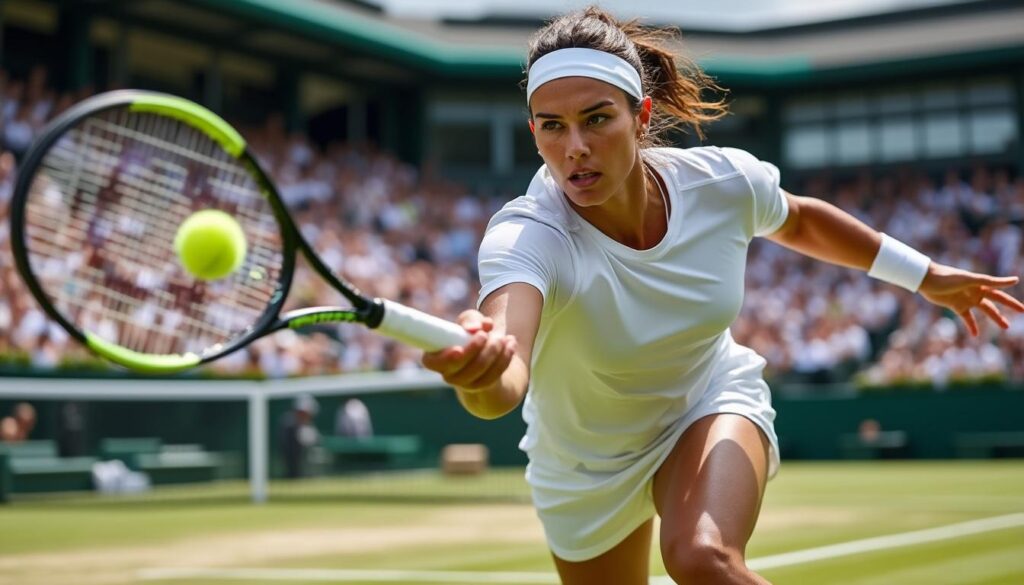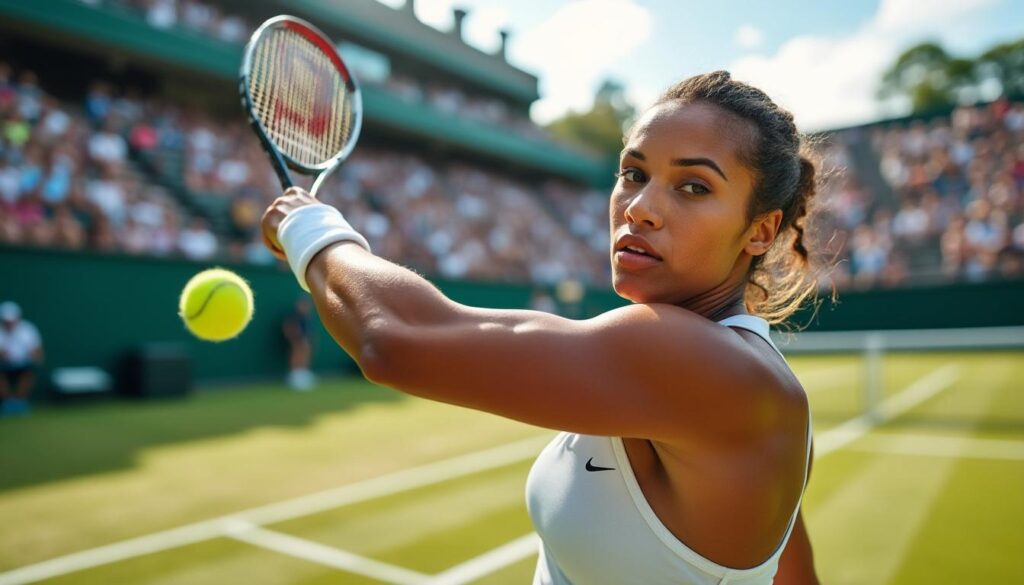
In the world of competitive play, outsmarting your opponent isn’t just about talent—it’s strategy. Whether facing seasoned rivals or new challengers, crafting a winning match strategy becomes crucial. Dive into proven techniques, understand your adversary’s game, and leverage analytics for an edge. Ready to dominate? Let’s explore the art of strategic brilliance.
Sommaire
ToggleUnderstanding your opponent
Deciphering an opponent’s strategy requires keen observation and analysis. Identifying their strengths and weaknesses offers a tactical edge.
- Observe their play style
- Identify habitual patterns
- Note emotional responses
- Analyse past performances
- Assess physical conditioning
- Evaluate decision-making speed
Recognising these elements aids in anticipating moves and devising counter-strategies. Understanding an opponent proves crucial for strategic dominance.
Analysing strengths and weaknesses
Identifying an opponent’s strengths and weaknesses proves crucial. Observing patterns in their gameplay reveals areas to exploit. Recognise their preferred moves and adapt accordingly. Evaluate both offensive and defensive capabilities. This strategic insight enhances one’s match strategy, allowing for informed decisions and tactical adjustments during play.
Anticipating moves and tactics
Anticiper les mouvements de l’adversaire offre un avantage stratégique crucial. Une analyse attentive des tendances de jeu permet d’identifier des schémas répétitifs. Exploiter ces modèles aide à prévoir les actions futures. Voici quelques techniques efficaces :
- Observer les patterns fréquents dans les décisions de l’adversaire.
- Étudier les matchs précédents pour comprendre leurs tactiques préférées.
- Utiliser des simulations pour tester différentes réactions face aux mouvements anticipés.
En appliquant ces méthodes, un joueur améliore sa capacité à anticiper et contre-attaquer.
Crafting your strategy
Establishing a robust match strategy begins with setting clear objectives that align with one’s strengths. By understanding in-game dynamics, players can adapt tactics swiftly. This enables them to counter opponents’ moves efficiently and maintain a competitive edge.
Setting clear objectives
Clear objectives form the bedrock of any effective match strategy. Define these goals precisely:
- Identify key strengths to exploit
- Pinpoint opponent’s weaknesses
- Establish measurable success criteria
- Ensure objectives remain flexible
A structured approach enhances strategic clarity.
Adapting to in-game dynamics
Game dynamics shift rapidly. A player must adapt strategies to maintain an edge.
- Observe the opponent’s changes
- Adjust tactics based on game flow
- React swiftly to unexpected moves
- Embrace flexible play styles
Adaptability ensures victory by allowing players to counter unpredictable strategies effectively.
Tools and techniques for strategic play
Strategic play requires a blend of tools and techniques to gain an edge over opponents. Utilising data analytics allows players to predict patterns and refine strategies. Employing precise forehand strategies enhances accuracy and control in rallies. Mastering psychological tactics, such as reading opponents’ cues, provides a mental advantage. Additionally, consistent service strategies ensure reliability under pressure. Incorporating advanced footwork techniques boosts agility and positioning. Each of these elements contributes to a comprehensive match strategy that is adaptable and focused.
Using data and analytics
Leveraging data and analytics transforms a match strategy by providing insights into patterns and trends. Players analyse opponents’ past performances to predict future actions, using tools like performance software to dissect gameplay. By understanding these metrics, players can tailor strategies to exploit vulnerabilities and enhance decision-making.
Mastering psychological tactics
Psychological tactics play a crucial role in outsmarting opponents. Understanding their mental state and leveraging this to one’s advantage can turn the tide of a match.
- Read body language for insights.
- Use feints to confuse the opponent.
- Maintain a poker face to conceal intentions.
- Exploit psychological pressure points.
- Establish dominance through confident play.
Effective psychological tactics can unsettle an opponent, giving a strategic edge. Mastering these techniques aids in gaining control and steering the match towards a favourable outcome.
Maintaining focus and adaptability
Maintaining focus and adaptability proves essential for any player seeking to excel. A composed mind enables quick adjustments and the ability to react effectively to unforeseen circumstances during a match. Mastery of these skills enhances strategic flexibility, allowing players to outmanoeuvre opponents with ease.
| Technique | Benefit |
|---|---|
| Mindfulness | Enhances calmness under pressure |
| Visualisation | Prepares for unexpected scenarios |
| Flexible Planning | Facilitates quick adaptation |
Staying calm under pressure
Maintenir son calme sous pression exige une gestion efficace du stress et une concentration sur l’objectif. Respirer profondément aide à réguler les émotions, tandis que des routines mentales permettent de garder un esprit clair. Visualiser le succès renforce la confiance et minimise les distractions, optimisant ainsi la performance globale.
Adjusting strategies mid-match
Adjusting strategies mid-match requires acute awareness of changing dynamics. Players should evaluate opponent behaviour, identify emerging patterns, and recalibrate their approach swiftly. Emphasising flexibility, they might switch tactics or alter tempo to exploit vulnerabilities. This proactive adaptability often distinguishes a competent player from a truly strategic master.
Learning from experts
Examiner les stratégies de grands joueurs offre des perspectives précieuses. Ils révèlent comment les experts exploitent les failles et maximisent les forces. Par exemple, Garry Kasparov analyse méthodiquement ses adversaires, s’adaptant rapidement. Les conseils d’experts incluent l’importance de la préparation et de la flexibilité. Un joueur stratégique doit étudier des cas concrets, tirer des leçons des échecs et des réussites. Adopter une approche rigoureuse permet de raffiner sa propre stratégie. Les experts soulignent l’importance de l’entraînement mental et de la concentration.
Case studies of successful strategies
Examining the chess strategies of Magnus Carlsen reveals the importance of positional play and adaptability. Serena Williams demonstrates relentless aggression and strategic variation in tennis. In football, Pep Guardiola’s tiki-taka exemplifies fluidity and control. These cases highlight diverse approaches, yet share a focus on precision and timing.
Expert tips for strategic improvement
Exploiter les conseils d’experts améliore considérablement une match strategy. Un joueur avisé observe les schémas de l’adversaire, identifie les faiblesses et ajuste ses tactiques en conséquence. Intégrer des techniques comme le bluff ou le feint permet de déstabiliser l’opposant. L’analyse post-match reste cruciale pour affiner ses compétences. Les champions recommandent la visualisation mentale pour anticiper les mouvements adverses. Rester flexible et ouvert aux nouvelles approches garantit une stratégie dynamique, adaptée aux situations imprévues. La pratique régulière solidifie ces stratégies, renforçant ainsi la confiance et la performance.
Popular Questions
How can one effectively analyse an opponent’s strengths and weaknesses?
Observing past performances and identifying patterns reveals strengths and vulnerabilities. Video analysis highlights technical skills and decision-making tendencies.
What techniques help anticipate an opponent’s moves?
Studying previous tactics and understanding their play style aids in predicting future moves. Recognising patterns offers a strategic edge.
How does setting clear objectives enhance match strategy?
Clear objectives provide focus and direction. They allow prioritisation of actions and enable measurement of success during the match.
What are the benefits of adapting to in-game dynamics?
Adaptability ensures responses to unexpected changes. It keeps strategies relevant and maximises opportunities, maintaining competitive advantage.
How can psychological tactics influence a match outcome?
Psychological tactics unsettle opponents, disrupt concentration, and create openings. Confidence and composure exert pressure and affect decision-making.