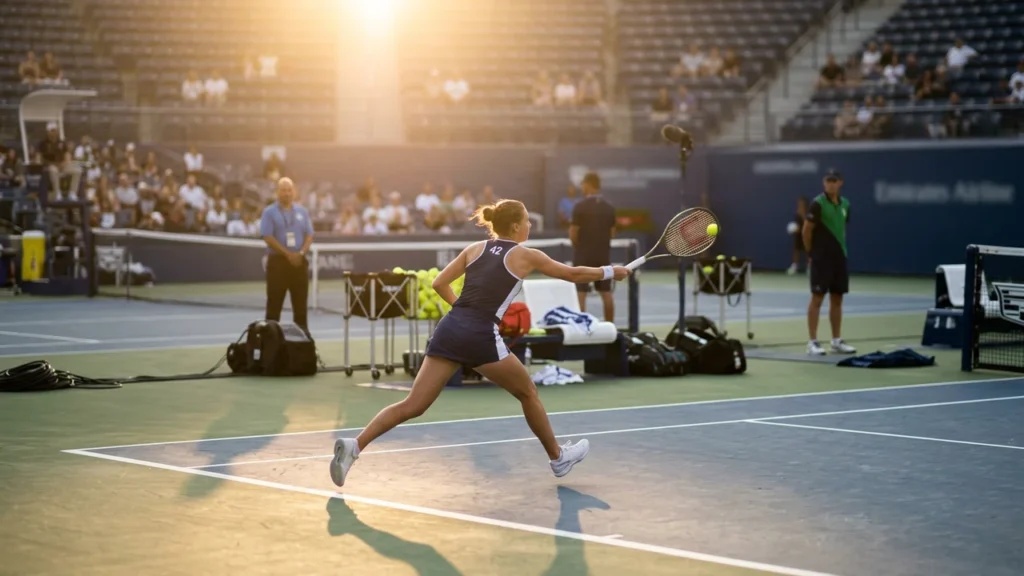
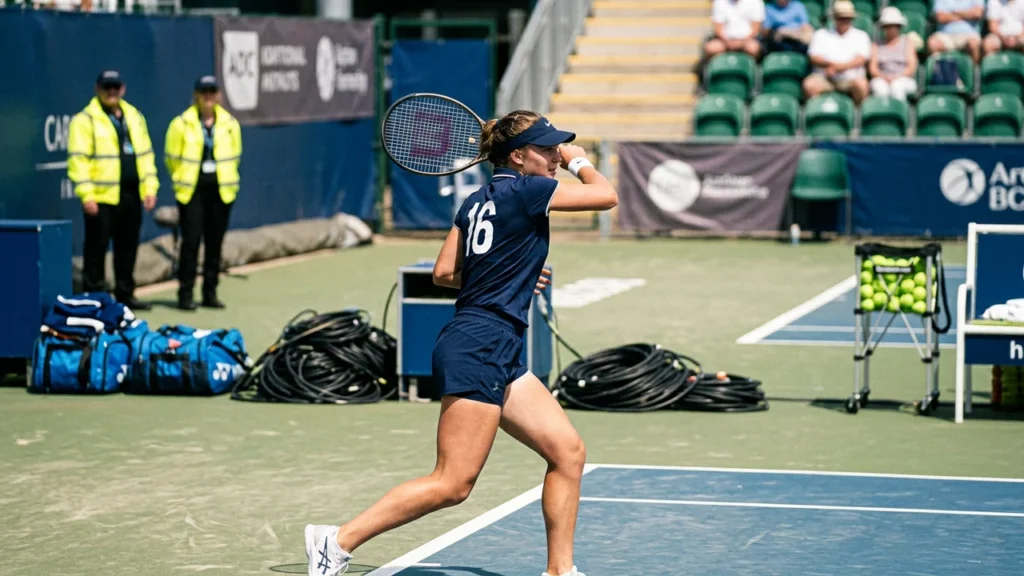
Top tennis players often face unexpected hurdles that can alter their careers. Injuries pose significant challenges, affecting performance and longevity. How do these setbacks influence their game and future prospects? Understanding the tennis injuries impact is crucial. Discover how these athletes navigate recovery, the strategies they employ, and what this means for the sport’s future.
Sommaire
ToggleCommon injuries in professional tennis
Professional tennis often sees recurrent injuries like wrist strains, ankle sprains, and rotator cuff tears. These injuries arise from repetitive stress, intense training, and rigorous match schedules. Players also face lower back pain due to frequent bending and twisting motions. Stress fractures in the feet and shins occur commonly on hard courts. Knee injuries, such as patellar tendinitis, result from rapid directional changes. Each injury disrupts performance, necessitating strategic management.
Types of injuries and their causes
In professional tennis, injuries often arise due to intense physical demands and repetitive movements. Common injuries include:
- Rotator cuff tears from excessive serving
- Tennis elbow caused by repetitive stress
- Ankle sprains from sudden direction changes
- Knee tendinitis due to hard court surfaces
- Stress fractures from overuse
Understanding these injuries and their causes helps in developing effective prevention strategies and ensuring the longevity of a player’s career.
Frequency of injuries among top players
Injuries remain a persistent issue among elite tennis players. Analysis reveals that top players frequently face physical setbacks, affecting their performance. Understanding injury patterns aids in developing better preventive measures.
| Player Level | Injury Frequency |
|---|---|
| Top 10 | High |
| Top 50 | Moderate |
The leading ATP and WTA contenders often navigate rigorous schedules, increasing their injury risks.
Effects of injuries on players’ performance
Injuries significantly alter a tennis player’s performance. Physical limitations lead to decreased agility and precision. Psychological effects include loss of confidence and focus. These factors culminate in a notable decline in competitive edge.
| Impact | Description |
|---|---|
| Physical | Reduced mobility, slower reflexes |
| Mental | Diminished confidence, increased anxiety |
| Competitive | Lower ranking, missed tournaments |
Short-term impacts on gameplay
Injuries can significantly disrupt a player’s rhythm and consistency, causing immediate dips in performance. Pain and restricted movement affect shot precision, leading to unforced errors. Discomfort may also alter strategies, forcing players to adopt more defensive styles. Injuries can erode confidence, making high-stakes matches more challenging. Even minor injuries, such as sprains or strains, have the potential to derail momentum and affect rankings. Thus, managing injuries promptly remains crucial for maintaining competitive edge.
Long-term career implications
Injuries often disrupt the longevity of a tennis career, affecting both physical and psychological aspects. These injuries can lead to:
- Reduced ranking due to missed tournaments
- Altered playing style to avoid stress on vulnerable areas
- Decreased marketability and sponsorship opportunities
- Early retirement from professional tennis
Strategies like customised training regimens and advanced physiotherapy techniques help in mitigating these long-term impacts. Effective management ensures players maintain competitive edge whilst reducing future risks.
Recovery and rehabilitation processes
Recovery and rehabilitation in tennis focus on restoring a player’s condition. Techniques include:
- Physiotherapy: Enhances flexibility and strength.
- Hydrotherapy: Reduces inflammation through water exercises.
- Nutrition: Supports healing with balanced diets.
These methods aim to ensure a swift return to optimal performance.
Techniques used in rehabilitation
Elite tennis players often utilise physiotherapy and tailored exercise regimens to enhance recovery. Manual therapy, including soft tissue mobilisation, plays a crucial role. Strength training focuses on core stability and joint flexibility. Hydrotherapy aids muscle relaxation and reduces inflammation. These rehabilitation techniques expedite healing, allowing players to return to competition swiftly.
Role of physiotherapy in recovery
- Enhances muscle strength and flexibility
- Accelerates tissue healing
- Reduces inflammation and pain
- Restores optimal movement patterns
Physiotherapy plays a crucial role in recovery by promoting holistic rehabilitation and ensuring players return to peak performance safely.
Case studies of notable players
Notable players in tennis history have faced significant challenges due to injuries. These cases offer insights into the profound impact on their careers and performance. Examining these experiences helps in understanding the broader implications of injuries in professional tennis.
- Rafael Nadal: Chronic knee issues
- Andy Murray: Hip surgery recovery
- Juan Martin del Potro: Wrist injuries
- Serena Williams: Knee and foot concerns
- Maria Sharapova: Shoulder surgery
Examples of players affected by injuries
Andy Murray’s hip injury significantly altered his career trajectory, forcing him to undergo surgery. Rafael Nadal, frequently battling knee issues, often adapts his playing style to manage pain. Maria Sharapova’s shoulder problems led to multiple surgeries, impacting her serve. Juan Martín del Potro’s wrist injuries disrupted his momentum. Such injuries illustrate the challenges top players face in maintaining peak performance levels.
Lessons learned from their experiences
Top tennis players learn resilience from injuries. Prioritising rest and recovery proves essential. Understanding physical limits aids in preventing further damage. Players like Andy Murray highlight the importance of adaptable training regimes. They also show the need for mental fortitude in bouncing back. These experiences underscore the value of a supportive team. Embracing cutting-edge rehabilitation techniques enhances recovery. Adapting strategies helps in prolonging careers despite setbacks.
Preventative measures and future outlook
Innovative training techniques and advanced equipment aim to reduce injury risks. Professional players adopt tailored strategies for conditioning and recovery. As rising tennis stars learn these practices, their career longevity may improve. The future outlook includes integrating technology for enhanced injury prevention and management.
Strategies to minimise injury risks
Players can minimise injury risks through tailored training regimens, enhancing flexibility and strength. Adequate rest and essential tennis equipment also contribute to preventing strains. Advanced monitoring technologies help in tracking player workload.
Innovations in injury prevention and management
In professional tennis, innovations in injury prevention and management focus on advanced technology and tailored training regimes. Wearable devices now monitor players’ biomechanics, aiding in early detection of stress points. Nutrition and recovery techniques evolve with scientific research, ensuring optimised performance. Coaches incorporate data analytics to customise routines, reducing strain and enhancing longevity. As forthcoming tennis events approach, players integrate these innovations to maintain peak physical condition, highlighting the importance of proactive injury management in competitive sports.
Frequently Asked Questions
How do injuries typically affect a player’s performance on the court?
Injuries often lead to decreased agility and endurance, affecting a player’s ability to perform at their best. This can result in more unforced errors and a reduced ability to compete in long rallies.
What role does physiotherapy play in a player’s recovery process?
Physiotherapy aids in restoring mobility and strength. It involves targeted exercises and treatments that expedite healing, allowing players to return to peak condition more swiftly.
What strategies can players employ to minimise injury risks?
Players can incorporate regular strength training and flexibility exercises. Proper warm-ups and cool-downs, alongside tailored nutrition plans, also play a crucial role in injury prevention.