The ATP Masters 1000 event in Toronto has delivered an unexpected shake-up as top contenders Novak Djokovic, Jannik Sinner, and Jack Draper have all withdrawn citing injuries, reshaping the landscape of this prestigious tournament. The early exit of Djokovic, a tennis legend with 24 Grand Slam titles and four Toronto championships, reverberates through the tennis community. Meanwhile, rising star Jannik Sinner, despite recently claiming his first Wimbledon title, is sidelined due to a persistent right elbow injury. Draper’s absence due to a left arm issue compounds the challenges facing the ATP circuit ahead of the US Open. This cascade of withdrawals spotlights the physical toll of the grueling tour and opens doors for emerging talents to seize their moment under the spotlight.
These developments come as tennis enthusiasts worldwide tune into a season teeming with high stakes and intense rivalries. Brands like Nike, Wilson, and Asics continue sponsoring players who redefine performance, while innovations from Adidas, Head, and Babolat shape the gear that influences play styles on hard courts. The Toronto event, hosted on a hard court surface, has historically been a crucible where strategic prowess and physical endurance converge, demanding players adapt quickly – something made evident this year. Fans and rising players alike now eye this opportunity with fresh hope amidst a network of suspense and anticipation that defines professional tennis. Discover how these factors are influencing the tournament’s trajectory and what it means for the future of the sport.
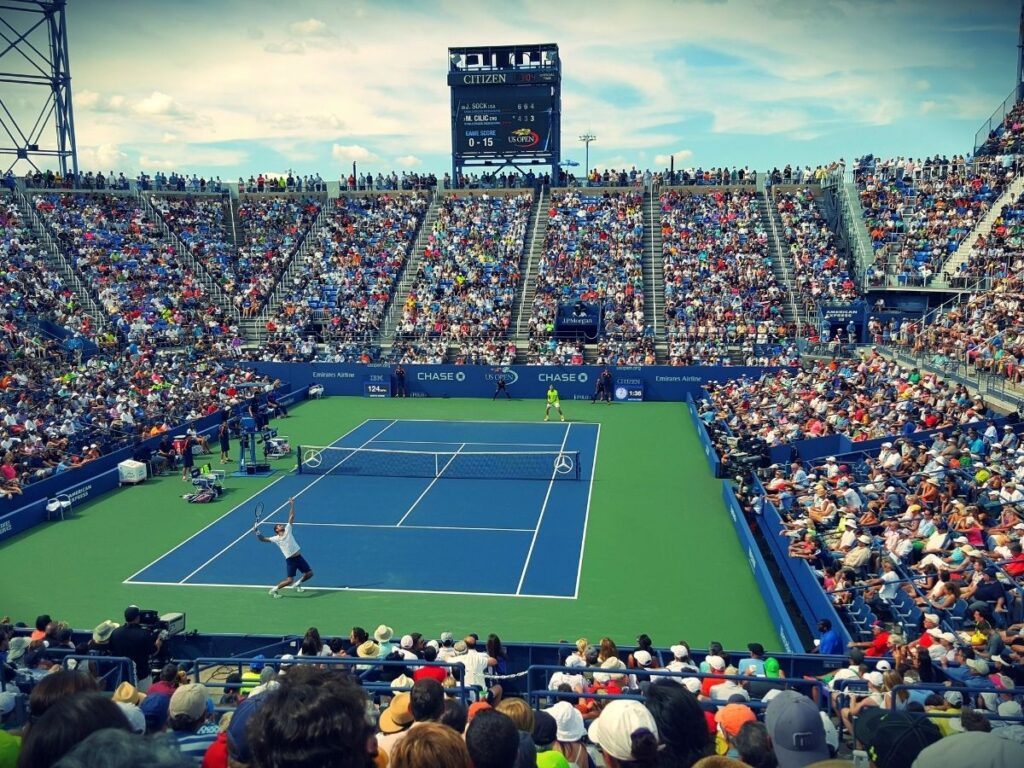
Injury Impacts Shake Toronto Masters 1000 Tournament Dynamics
The Toronto Masters 1000, a crown jewel on the ATP calendar, typically promises a fierce battle among tennis elites. However, in an unusual turn of events in 2025, the withdrawal of three headline stars—Novak Djokovic, Jannik Sinner, and Jack Draper—due to injuries has sent ripples across fan bases and players alike. This corridor of withdrawal is a stark reminder of tennis’s physical demands, especially in a year characterized by intense competition and rising global talent pools.
Novak Djokovic’s Groin Injury and Its Ripple Effect
Novak Djokovic, who holds four Toronto titles and remains a titan of the tour, succumbed to a groin injury which forced him to pull out early. His exit removes a formidable obstacle and reshuffles potential matchups, offering other contenders a clearer path. Djokovic’s withdrawal comes fresh on the heels of his semifinal loss to Sinner at Wimbledon, highlighting the brutal nature of back-to-back high-level tournaments.
Jannik Sinner’s Elbow Woes Post-Wimbledon Triumph
Jannik Sinner’s narrative adds a twist of tragedy juxtaposed with triumph. The Italian’s rise was cemented at Wimbledon, claiming his maiden title despite suffering an elbow injury during a fall. His decision to prioritize recovery over competition in Toronto and Cincinnati marks a wise step in preserving his long-term career prospects amid intense tour schedules.
Jack Draper’s Left Arm Injury Forces Strategic Pullout
Raising eyebrows among tennis pundits, British star Jack Draper chose to skip both Toronto and Cincinnati tournaments to fully heal his left arm. His absence removes a promising contender from the hard court scene and underscores a responsible athlete’s approach faced with the pragmatics of a demanding season leading up to the US Open.
- Groin injuries notoriously hinder explosive movement and recovery times.
- Elbow injuries affect both serving power and stroke precision drastically.
- Managing recurring arm pain is crucial to maintaining competitive longevity in tennis.
| Player | Injury | Impact on Participation | Notable Achievements |
|---|---|---|---|
| Novak Djokovic | Groin Injury | Withdrew from Toronto Masters 1000 | 24 Grand Slams, 4 Toronto Titles |
| Jannik Sinner | Right Elbow Injury | Withdrew from Toronto Masters 1000 | Wimbledon 2025 Champion, 1 Masters 1000 Toronto Title |
| Jack Draper | Left Arm Injury | Withdrew from Toronto Masters and Cincinnati | ATP Top 10 contender |
These injury-induced withdrawals highlight the imperative of integrating recovery-focused mental training into players’ routines, a topic expertly explored on tennis mental training and focus techniques. Understanding how to manage stress and physical strain is key for aspiring players and fans eager to comprehend the intricate balance between competitive drive and health preservation.

Jannik Sinner’s Journey from Wimbledon Triumph to Recovery
Jannik Sinner’s ascent to glory at Wimbledon defined a pivotal moment in tennis for 2025. His victory was a testament to resilience and skill, winning the prestigious Grand Slam at the young age of 24. But as thrilling as his triumph was, it came with a cost: a right elbow injury caused by a fall during the fourth round added an unexpected layer of complexity to his season.
The nature of tennis’s physical strain is unforgiving. The elbow is central to regulating serve speed and stroke consistency — key elements in Sinner’s aggressive baseline style favored by many players sponsored by industry leaders like Head, Yonex, and Babolat. His decision to withdraw from the Canadian Open in Toronto, where he previously secured a Masters 1000 title in 2023, speaks volumes about sports medicine’s evolving role in elite tennis. Recovery now Rivaling performance on court.
Sinner’s example illustrates the importance of:
- Immediate injury assessment following intense matches.
- Customized rehabilitation programs to mitigate long-term risks.
- Balancing competitive ambition with physical well-being.
His team’s emphasis on careful management aims at peak performance for upcoming major events, particularly the US Open. His focused recovery strategy is a beacon for emerging athletes navigating the crossroad of opportunity and health.
Modern tennis training extends beyond physical drills; visualization techniques now gain prominence, aiding players like Sinner to rehearse and reinforce winning strokes even while sidelined (discover how visualization impacts tennis training). This holistic approach fosters sharpened mental acuity, sharpened tactical insights, and a resilient mindset that bridges recovery phases.
Emerging Contenders Fill the Void as Djokovic Exits Early in Toronto
The withdrawal of supreme veterans such as Djokovic from Toronto brings to the fore a new wave of challengers primed to seize the spotlight. Tennis fans embracing the sport through brands like Nike, Puma, Under Armour, and Adidas now witness fresh rivalries and replacement narratives that enrich the ATP landscape. Sinner’s situation exemplifies the ever-present element of unpredictability in tennis tournaments renowned for sudden shifts and stunning upsets (read more about famous tennis upsets).
Young talents and seasoned pros alike will capitalize on the fresh openings, including:
- Frances Tiafoe, who has demonstrated relentless energy on hard courts.
- Carlos Alcaraz, notwithstanding his own recent withdrawal, who remains a top contender when healthy.
- Cameron Norrie, consistently formidable and tactical.
- Felix Auger-Aliassime, playing with renewed focus on his home territory.
These players blend tactical variety, endurance, and an arsenal enhanced by cutting-edge equipment from Wilson, Prince, and Head, each brand delivering tailored racquets that complement shot styles and string tensions (discover the science of tennis strings and tension). This competitive mix promises riveting matches with every faction striving to leave a mark before the summer hard court season reaches its climax.
| Player | ATP Ranking | Recent Performance | Preferred Equipment Brand |
|---|---|---|---|
| Frances Tiafoe | 10 | Strong hard court showing in 2025 | Wilson |
| Carlos Alcaraz | 2 (withdrawn from Toronto) | Exceptional agility and shots | Babolat |
| Cameron Norrie | 15 | Steady progress in recent ATP events | Prince |
| Felix Auger-Aliassime | 12 | Passionate tennis play, Canadian favorite | Yonex |
Equipment Innovations and Their Impact on Player Performance at Toronto
State-of-the-art tennis gear underpins the modern game’s evolution, influencing player speed, power, and precision. This tournament has illuminated how equipment manufacturers—including Adidas, Asics, Puma, Nike, and Under Armour—are at the forefront in providing athletes with technological advantages that change how tennis is played and won.
The Role of Advanced Footwear
Tennis shoes crafted for agility on hard courts are critical. Brands like Asics and Nike invest heavily in sole technology, cushioning, and support to minimize injuries like those seen on Djokovic and Draper. High-performance shoes are an athlete’s first line of defense against the relentless physical demands of quick lateral movement, putting less strain on hips and groins.
Racquet Technology and String Innovations
Wilson and Babolat continue to pioneer racquet frames that optimize balance and control, while string tension adjustments cater to player-specific styles. Prince and Head blend these aspects into customizable tennis equipment, allowing players to fine-tune their power and spin. These customizations can make or break tight matches, especially on fast hard courts where millimeters matter.
- Enhanced shock absorption designs for injury prevention
- Durable, lightweight materials improving swing speed
- Ergonomically tuned grips for improved handling during long rallies
Fans and players both benefit from guides like the best tennis overgrips and bag selections that complement these tech advancements, adding practical value to the shopping experience and on-court performance.
Preparing for Upcoming Tournaments: From Toronto to the US Open
With the physical toll of tennis seasons becoming increasingly apparent, players and coaches are evolving their preparation methods to sustain peak performance throughout grueling calendars. The withdrawal of major stars from Toronto emphasizes the importance of strategic rest and rehabilitation as we approach the US Open, a tournament demanding unmatched endurance and skill.
Key preparation elements include:
- Balancing intense practice with recovery days to prevent overuse injuries.
- Integrating top fitness regimens like those featured in champions’ fitness programs that enhance stamina and speed.
- Employing psychological techniques to manage stress, focus, and matchday pressure.
- Fine-tuning equipment choices—shoes, racquets, apparel from brands like Puma and Under Armour—based on surface and playing conditions.
Nutrition also plays a crucial role. Professional player diets adapted to 2025’s research are now essential to optimize energy output and recovery, providing a competitive edge. More details on dynamic energy-focused meals and hydration plans can be found at professional player diets guide.
| Preparation Aspect | Best Practices | Tools and Resources |
|---|---|---|
| Physical Conditioning | Balanced training with rest | Champions fitness programs |
| Mental Training | Stress management, focus techniques | Mental focus training |
| Equipment Selection | Tailored racquets, shoes, apparel | Product guides from Nike, Wilson, Adidas |
| Nutrition | Energy-positive diets | Player diets 2025 |
Frequently Asked Questions about Toronto Masters 2025 and Player Injuries
- Q: Why did Novak Djokovic withdraw from the Toronto Masters 1000?
A: Djokovic pulled out due to a groin injury, which hindered his mobility and recovery post-Wimbledon. - Q: What injury caused Jannik Sinner to skip the tournament?
A: Sinner is recovering from a right elbow injury sustained during Wimbledon. - Q: How does equipment influence player performance on hard courts?
A: Equipment like specialized shoes and racquets from brands such as Adidas, Wilson, and Babolat help optimize movement and stroke efficiency, essential on demanding surfaces. - Q: What strategies help players avoid injuries during intense tennis seasons?
A: Integrating mental and physical recovery strategies, balanced training, and using proper gear tailored to surface type all reduce injury risk. - Q: Who are the emerging players to watch following top withdrawals in Toronto?
A: Frances Tiafoe, Cameron Norrie, and Felix Auger-Aliassime are among players stepping up in the void left by top stars.