Rafael Nadal’s return to the ATP tour at the Swiss Indoors Basel has been nothing short of a display of gritty determination and refined skill. Facing the pressures of recovering from a challenging season and serious health setbacks like appendicitis, Nadal’s performance in Basel signals more than just a comeback—it announces his renewed vigor for intense competition in the tennis world. Basel, a city steeped in tennis tradition and home to legends like Roger Federer, provided the ideal stage for Nadal’s resurgence, blending intense athletic prowess with the atmosphere of the ATP 500 series. This tournament has seen some thrilling matches and nail-biting finales, giving fans a rich canvas of sporting drama to savor. Nadal’s three-set battle victory not only reaffirms his place among tennis elites but also brings fresh narratives to the ongoing stories in professional tennis, highlighting the intricate relationship between top-tier tennis equipment advancements, sports apparel innovations, and the athlete’s physical condition. The use of premium gear from brands like Nike and Wilson is pivotal, complementing the athlete’s formidable technique and relentless spirit on the court.
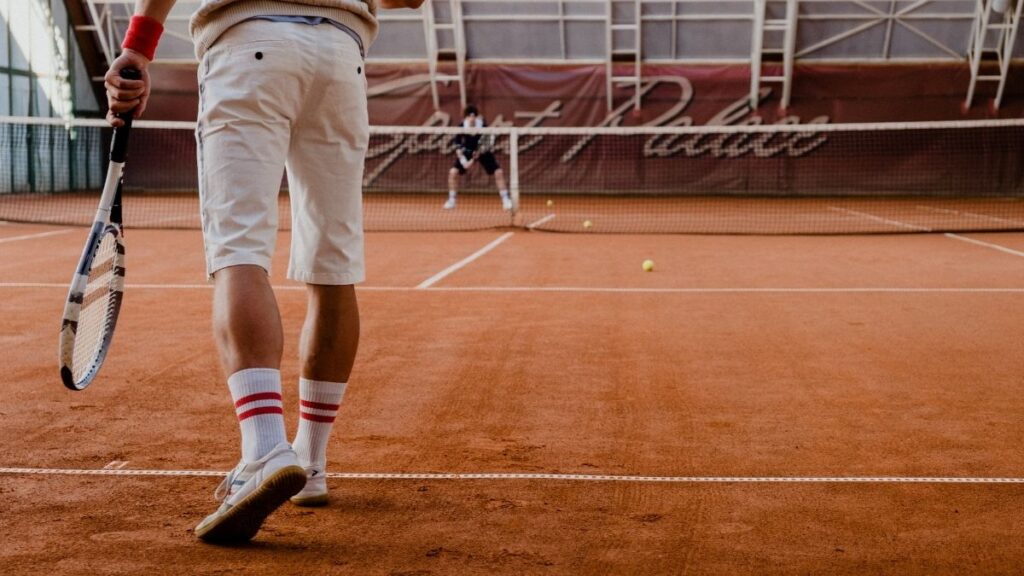
Rafael Nadal’s Comeback Journey and Impact on Tennis in Basel
Rafael Nadal’s recent victory in Basel served as a vivid reminder of his resilience and passion for tennis. His journey back to form following his appendicitis diagnosis and subsequent recovery has been closely watched by fans and experts alike. His match against Simone Bolelli in the first round, where he won 6-2, 6-2 with remarkable control and power, demonstrated his health and skill rebounding impressively. Coming into Basel, Nadal was navigating through the challenges of regaining top physical fitness and mental sharpness, which are critical in the fast-paced, high-stakes environment of ATP tournaments.
Basel itself holds a unique place in the tennis calendar. Known primarily as Roger Federer’s fortress—the Swiss legend having won seven titles there—Basel is a tournament filled with prestige and challenging indoor hard courts. Nadal’s decision to compete here marks not just a return but a strategic move to test himself against some of the finest players late in the season. His adaptability to different playing surfaces, especially indoor hardcourt conditions that differ significantly from the clay courts he’s often associated with, is a vital aspect of his ongoing success.
The impact of this comeback extends beyond Nadal’s individual story. It breathes life into the tournament, energizing fans and contributing to the sport’s vitality. The Swiss Indoors draws attention not only for its competitive matches but also for its role as a platform where tennis equipment innovations play out in real-time. Owen Lobo, an ATP equipment analyst, recently remarked how Nadal’s use of Wilson racquets and Nike sports apparel aids in maximizing his power and precision on court, demonstrating how cutting-edge gear supports elite performance.
- Regaining competitive rhythm through Basel matches
- Adapting to indoor hard court conditions
- Impact of advanced sports apparel and tennis shoes on movement and comfort
- Showcasing Wilson tennis racquets’ role in enhancing shot control
- Using Basel’s ATP 500 event as a springboard for season-end tournaments
| Match Round | Opponent | Score | Duration | Key Stats |
|---|---|---|---|---|
| First Round | Simone Bolelli | 6-2, 6-2 | ~1 hour | 3 aces, 71% first serve points won |
| Second Round | Grigor Dimitrov | 6-4, 4-6, 6-3 | ~2.5 hours | Key break point conversions, endurance tested |
Technical Mastery and Tactical Evolution in Nadal’s Basel Performance
Across his veteran career, Rafael Nadal has continually evolved, tweaking his game to meet new challenges—and Basel was no exception. His tactical approach to Grigor Dimitrov was marked by aggressive baseline play, combined with strategic shot placements that exploited Dimitrov’s weaker backhand defenses. The match, lasting three intense sets, highlighted Nadal’s ability to blend his trademark powerful left-handed forehand with imaginative variations in pace and spin to disrupt his opponent’s rhythm.
This refinement in play is connected closely to Nadal’s understanding of tennis mechanics and condition management. Extensive training in footwork and surface transitions has been critical for his adaptability in tournaments such as Basel. More insights on mastering footwork and adjustments on different surfaces can be found at Tennis Guide footwork and surface transitions. Nadal’s shot selection—ranging from aggressive crosscourt winners to delicate drop shots—reflects a mature game understanding rarely matched on tour.
His serve also played a crucial role, testing Dimitrov’s returns early and often. From a sports equipment viewpoint, Nadal’s choice of Wilson racquets is noteworthy for their perfect balance of power and control, allowing him to unleash his devastating forehands and backhands. The synergy between Nadal’s technical skills, mental focus, and his tennis gear creates a compelling blueprint of how elite tennis performance is intertwined with sports technology advancements and athlete conditioning. Nike’s sports apparel and tennis shoes, specifically designed for optimal court movement and injury prevention, complement his style and support his on-court endurance.
- Strategic exploitation of opponents’ weaknesses
- Blend of power and precision tennis strokes
- Importance of tennis shoes for rapid lateral court movements
- Enhancement of serve dynamics with Wilson racquets
- Mental training focus translating into match-winning resilience
| Shot Type | Usage Frequency | Effectiveness Rating | Equipment Impact |
|---|---|---|---|
| Forehand winners | High | 9/10 | Wilson racquet power enhancement |
| Backhand slices | Moderate | 7/10 | Control and balance from tennis equipment |
| Serve and volley attempts | Low | 6/10 | Agility supported by Nike tennis shoes |
| Drop shots | Occasional | 8/10 | Technical precision aided by training |
Inside the Rivalries: Nadal, Federer, and the Evolution of Modern Tennis Battles
The Basel tournament has historically showcased tennis at its most dramatic, especially through iconic rivalries. Rafael Nadal’s battles with Roger Federer, the Swiss maestro, remain etched as some of the most compelling narratives in sports history. Their rivalry, spanning over a decade with 33 matches, defined an era that reshaped men’s tennis. Federer’s elegant style contrasted starkly with Nadal’s relentless, sweat-drenched intensity, forging a dynamic that captivated millions.
This chapter of tennis lore saw Federer capturing the grace and finesse of Swiss precision, featuring a one-handed backhand that Nadal’s fierce lefty forehand consistently challenged. Nadal’s ability to emerge victorious in 23 of their encounters, especially in finals, underscored his mental and physical edge during peak years. As of 2025, while newer rivalries with players like Novak Djokovic have gained prominence, the Federer-Nadal saga continues to resonate deeply with tennis enthusiasts worldwide.
In Basel, these legends’ paths symbolically crossed, stirring memories of past epic encounters. For Nadal, returning here was not just about a match—it was about rekindling a legacy and strength forged in the fires of fierce competition. The tactical evolutions from these duels inspired modern players and influenced how tennis equipment and sports apparel have been tailored to meet the high demands of today’s game, emphasizing enhanced mobility and precision.
- Historical significance of Federer-Nadal rivalry
- Contrast in playing styles and tactical approaches
- Legacy impact on tennis strategies and training methods
- Influence on tennis equipment innovation
- Fan engagement and sports culture enrichment
| Year | Match Outcome | Tournament | Significance |
|---|---|---|---|
| 2008 | Nadal won in five sets | Wimbledon Final | Widely regarded as one of the greatest matches ever played |
| 2011 | Federer won in straight sets | Swiss Indoors Basel | Federer’s ‘best victory’ in Basel, breaking a losing streak |
| 2024 | Nadal won in Basel | Swiss Indoors Basel | Symbolic return and demonstration of renewed strength |
Equipment and Apparel: The Role of Nike and Wilson in Supporting Nadal’s Basel Success
The sophisticated relationship between an athlete and their equipment is often overlooked but proves critical in professional tennis. Rafael Nadal’s partnership with leading brands Nike and Wilson exemplifies how tennis equipment and sports apparel are tailored to optimize performance. His Wilson racquet, meticulously engineered to balance heavy topspin potential with control, allows him to execute his signature shots with deadly accuracy.
Nike’s involvement extends beyond apparel aesthetics into functionality. Their latest tennis shoes, designed with advanced cushioning and grip technologies, provide Nadal the agility to navigate Basel’s indoor surfaces effectively. The sports apparel enhances sweat management and flexibility, critical for enduring demanding three-set battles. Exploring how tennis shoes and apparel contribute to player performance deepens one’s appreciation of the intricate design behind top athletes’ success.
Moreover, accessories like specialized tennis overgrips and bags have evolved to meet athletes’ dynamic needs, increasing comfort and reducing injury risks. Comprehensive tennis equipment guides, such as the Tennis Guide’s overgrips and gear overview, reveal how each element interlocks to support a player at the pinnacle of competition. The seamless integration of equipment and apparel ensures tennis professionals can focus entirely on their craft without hindrance.
- Wilson racquet technologies enhancing shot power and control
- Nike tennis shoes engineered for lateral movement and court grip
- Moisture-wicking fabrics in Nike apparel for extended comfort
- Evolution of overgrips for improved racquet handling
- Ergonomic tennis bags designed for player convenience
| Equipment Type | Brand | Performance Feature | Impact on Player |
|---|---|---|---|
| Racquet | Wilson | Power-control balance, spin-optimized strings | Enhanced forehand and backhand execution |
| Tennis Shoes | Nike | Advanced cushioning and grip technology | Improved court agility and injury prevention |
| Sports Apparel | Nike | Breathable, stretchable materials | Better comfort and movement freedom |
| Overgrips | Wilson compatible | Enhanced racquet control and sweat absorption | Steadier grip and shot precision |
Physical and Mental Challenges in Returning to Top Form: Nadal’s Basel Experience
Recovery from physical setbacks and regaining mental sharpness present formidable obstacles to any professional athlete. Rafael Nadal’s return in Basel was not only a test of skill but an intense challenge of endurance and focus. After bouts with appendicitis and months off competitive play, regaining match fitness became a priority. His approach combined rigorous physical therapy, nutrition planning aligned with 2025 pro player diet standards, and mental conditioning to handle the stresses of high-stakes matches.
Nadal’s handling of pressure points in Basel reflected his advanced mental training, an increasingly essential component in modern tennis performance. Learning how to manage stress and emotions during matches can be decisive in close three-set encounters, as elaborated in resources like Tennis Guide on managing stress in matches. His ability to remain calm through intense rallies and pivotal moments spoke volumes about his psychological fortitude.
Physical resilience also tied directly to selecting the right tennis shoes and injury prevention techniques, particularly important given past foot injuries that have intermittently troubled Nadal throughout his career. Understanding and adapting to the demands of various playing surfaces, especially indoors, helped minimize risk and maintain longevity. Insights on adapting to court surfaces and injury management are available at Tennis Playing Surfaces and Injury Management.
- Comprehensive physical rehabilitation post-appendicitis
- Advanced nutrition programs tailored for athlete recovery
- Mental toughness strategies to overcome match pressure
- Use of specialized tennis shoes to support foot health
- Surface adaptation training to reduce injury risks
| Challenge | Approach | Impact on Performance |
|---|---|---|
| Physical Recovery | Targeted physiotherapy and conditioning | Improved stamina and mobility |
| Mental Focus | Psychological training and mindfulness | Enhanced composure during pressure points |
| Injury Prevention | Proper footwear and surface adaptation | Reduced risk and sustained career longevity |
Frequently Asked Questions about Rafael Nadal’s Basel Return and Tennis Dynamics
- How significant is Nadal’s January 2025 return in Basel for his career?
Nadal’s Basel return marks a critical milestone, demonstrating his recovery and sustaining his competitive edge in ATP tournaments. - What role does tennis equipment play in Nadal’s performance?
Cutting-edge Wilson racquets and Nike tennis shoes and apparel enhance his shot power, grip, and comfort, crucial for high-level competition. - Why is adaptability to different surfaces important in tennis?
Adaptability supports injury prevention and effective play, as transitioning between clay, hard, and indoor courts demands varied footwork and tactics. - How does mental training affect a tennis player’s match results?
Managing stress and focus under pressure directly influences consistency and ability to perform in clutch moments. - What are the key tactical changes in Nadal’s game at Basel?
Emphasis on strategic placement, varied pace, and integrating greater baseline control to outmaneuver opponents.