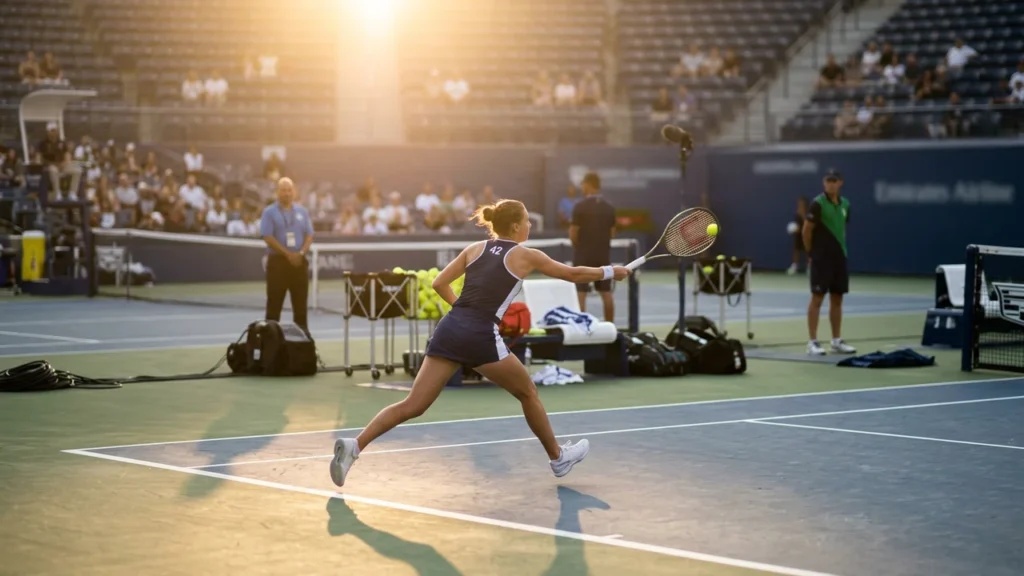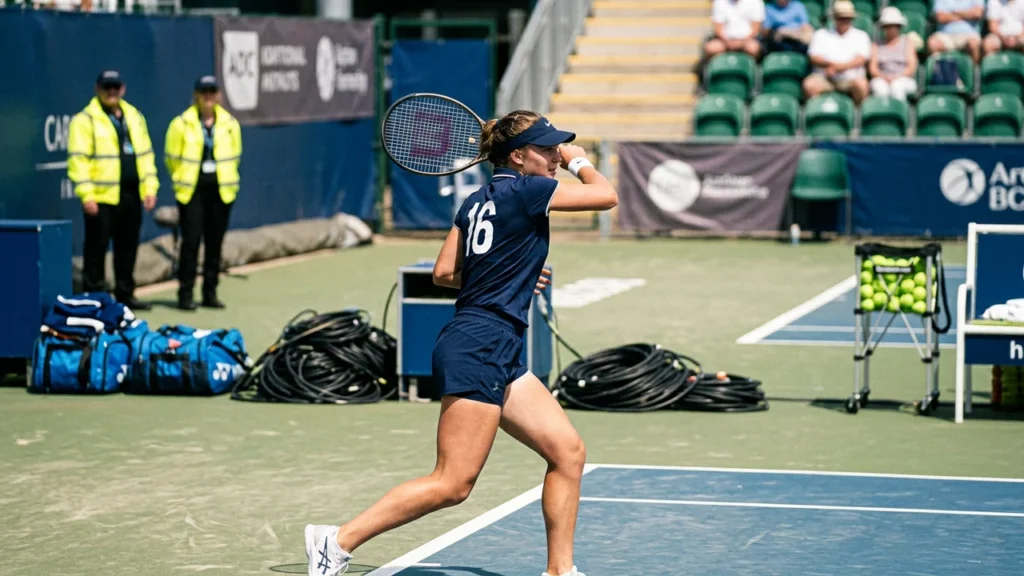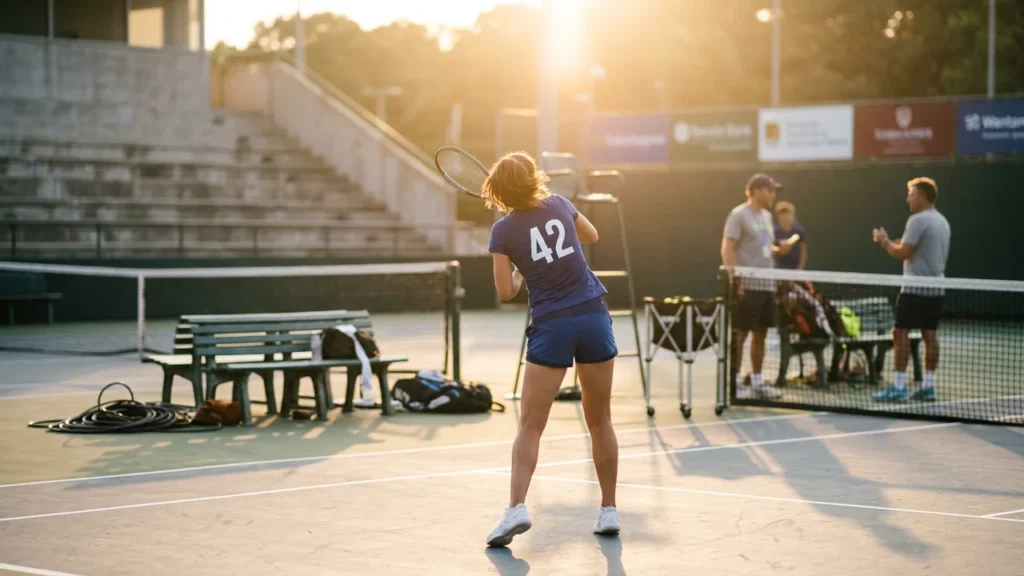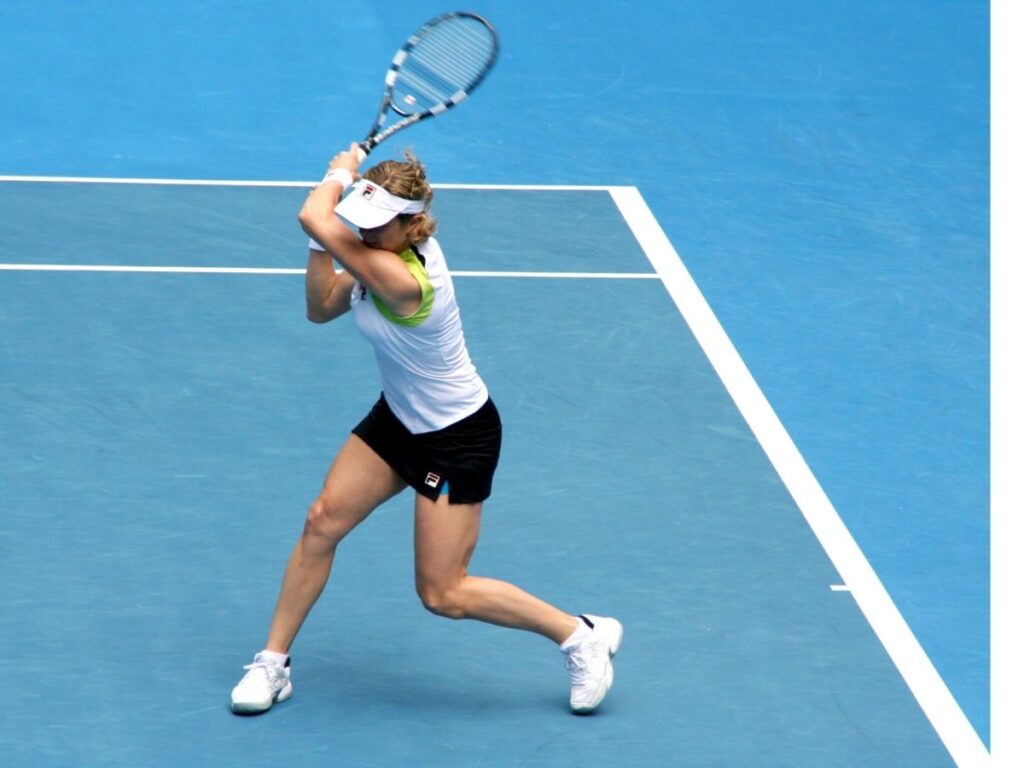
The Australian Open trophy has often eluded many even the most skilled contenders, but the 2025 edition is shaping up to be one of the most unpredictable and riveting in recent memory. Amid this vigorous contest, few names spark as much intrigue and hopeful whispers as Naomi Osaka’s. Once a dominant force who claimed the COVID-era 2020 U.S. Open and followed it up triumphantly at the Australian Open, Osaka’s return to the spotlight after maternity and injury spells offers a narrative rich in potential and resilience. Despite fierce competition from rising stars and tenacious veterans, if Osaka can unleash her full arsenal while completely fit, she could very well be the dark horse poised to disrupt the established hierarchy of women’s tennis.
Her journey back onto the court has been peppered with challenges. A rollercoaster season in 2024 tested her mettle with not only physical but emotional obstacles; it’s a story of loss, reinvention, and renewal. Yet, the pairing with savvy coach Patrick Mouratoglou, known for his strategic prowess with Serena Williams, appears to have reignited a spark and sharpened Osaka’s competitive edge. The anticipation surrounding her Australian Open campaign is fueled by this mix of untapped talent, improved mentality, and the compelling drama of a potential comeback saga.
Osaka’s draw for the tournament reads like a who’s who of the game’s elite—Jeļena Ostapenko, Coco Gauff, Jessica Pegula, Aryna Sabalenka, to name a few—all standing in her path to what could be a third Australian Open title. For many, the question isn’t just “if,” but “when” she might recapture the fierce determination and form that once made her the face of a generation. This article delves deep into the factors framing Osaka’s potential as not merely a participant but a profound threat to the status quo, punctuated by an analysis of the competition, her preparation, and the game’s evolving dynamics.
Naomi Osaka’s Physical and Mental Readiness: The Foundation of a Dark Horse Campaign
Understanding Osaka’s potential at the Australian Open starts with an evaluation of her physical conditioning and mental preparedness. After her maternity hiatus and subsequent injury setbacks in late 2024, including a frustrating abdominal injury that forced her to retire mid-final at the ASB Classic, the narrative immediately shifts towards her fitness status.
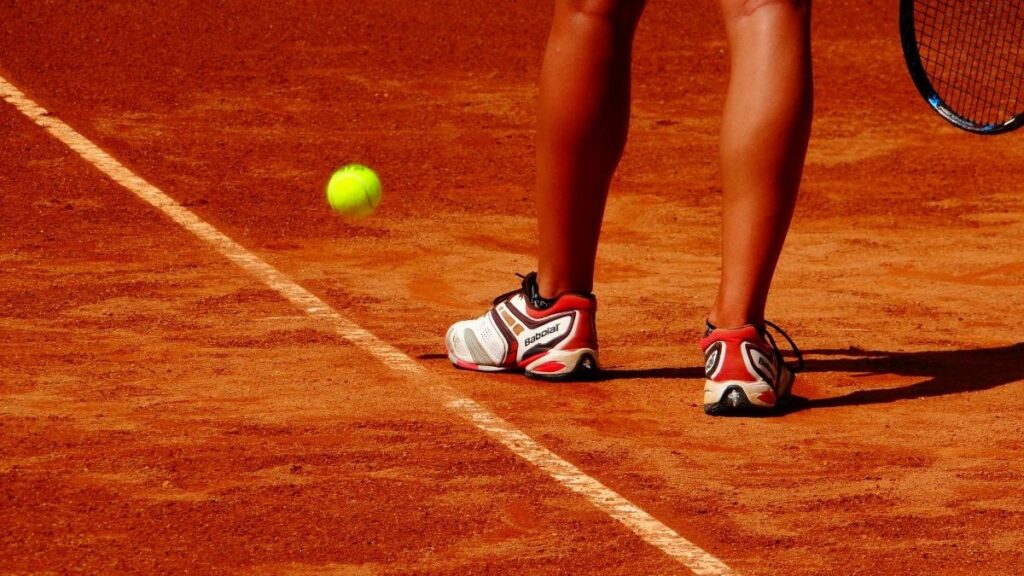
Physical conditioning is crucial in a tournament known for its sweltering heat and demanding schedule. Osaka’s challenge lies not only in regaining peak physical capacity but also in sustaining it through grueling matches. Her choice of training regimen and gear plays a vital role here; opting for brands like Nike and Asics for footwear and Wilson and Babolat for racquets supports her agility, power, and endurance.
On the mental front, Osaka has been quite candid about her evolving mindset since becoming a mother. Her reflections reveal a resilient spirit; she embraces the journey ahead with optimism, signaling a renewed hunger to compete and succeed. This mental rejuvenation is often the invisible edge that separates champions from contenders and is especially valuable in tight, pressure-filled moments on the court.
In preparing for this Grand Slam, Osaka’s regimen reportedly integrates stress and emotional management techniques honed through mindful training strategies and psychological conditioning, an essential component when facing formidable adversaries like Coco Gauff or Aryna Sabalenka. Her situation embodies the quintessential comeback story, merging physical readiness with mental toughness.
- Continued focus on injury prevention and recovery protocols
- Customized training with emphasis on stamina and explosive power
- Strategic mental conditioning for clutch match situations
- Selective tournament participation to maintain peak fitness
- Utilizing advanced gear from Nike and Yonex to enhance performance
| Factor | Status | Impact on Performance |
|---|---|---|
| Physical Health | Injury recovered; monitoring ongoing | Critical for sustained performance in heat |
| Mental Readiness | Highly positive; strong at handling high-pressure moments | Enhances comeback chances in tight matches |
| Equipment | Advanced gear from Wilson and Babolat | Optimizes power and control |
Comprehensive Analysis of Osaka’s Challenging Draw in the 2025 Australian Open
The draw for Osaka in Melbourne is formidable, revealing a gauntlet of world-class opponents that will test every aspect of her game. Starting her campaign against Caroline Garcia, a dynamic and aggressive player known for her tactical variety, Osaka’s path will demand focus and consistency from day one.
As she potentially advances, players like Jeļena Ostapenko and Aryna Sabalenka loom large. Ostapenko’s unpredictability and aggressive style blend dangerous shot-making with a fighting spirit that has previously troubled Osaka. Sabalenka, the reigning champion, wields a powerful serve and baseline presence, dominating opponents with relentless aggression, marking her as a significant hurdle.
Coco Gauff, who recently clinched the 2023 U.S. Open, represents a unique challenge. The young American embodies fiery competitiveness merged with refined skill, making any match between her and Osaka an electric spectacle. The familiarity and potential fourth-round clash between Osaka and Gauff add layers of tactical chessplay along with emotional stakes.
This section breaks down the projected key matchups and their implications on Osaka’s quest:
- Round 1: Caroline Garcia – Testing Osaka’s opening-match nerves
- Round 3: Jeļena Ostapenko – Aggression and unpredictability
- Quarterfinals: Jessica Pegula or Paula Badosa – Consistency versus power
- Semi-finals: Aryna Sabalenka or Qinwen Zheng – Powerhouse versus rising star
- Finals: Iga Swiatek or Martina Paolini – Elite strategic play
| Round | Projected Opponent | Playing Style | Osaka’s Advantage |
|---|---|---|---|
| 1 | Caroline Garcia | Powerful baseline, tactical | Experience and adaptability |
| 3 | Jeļena Ostapenko | Aggressive, high risk | Defensive resilience and shot variety |
| QF | Jessica Pegula/Paula Badosa | Consistency & power | Strategic shot placement and patience |
| SF | Aryna Sabalenka/Qinwen Zheng | Power baseline vs emerging talent | Experience and mental toughness |
| Final | Iga Swiatek/Martina Paolini | Elite tactical play | Composure and depth of shotmaking |

Gear and Technology Impacting Osaka’s Performance at the Open
The modern game is heavily influenced not only by talent but also by the technology and gear that players employ. Naomi Osaka’s comfort with brands like Wilson racquets and Nike apparel reflects a well-calibrated synergy between performance demands and equipment evolution.
Wilson’s cutting-edge racquet technology offers Osaka a blend of power and control critical for her aggressive baseline game, allowing for sharp angles and deep penetration. Meanwhile, apparel and footwear partnerships with Nike and Asics ensure she sustains the rigorous demands of moving swiftly and comfortably in the harsh Australian heat.
Additionally, the introduction of customized string tensions and grip materials from manufacturers like Babolat and Head helps refine Osaka’s shot precision and injury resilience. Optimal gear setup contributes enormously to both the protection of her physical well-being and her tactical versatility on court.
- Wilson racquets customized for offensive baseline play
- Nike and Asics for breathable, sweat-wicking clothing and supportive shoes
- Babolat string tension tailored for control and spin
- Head grips and wristbands for superior handling and comfort
- Use of latest Puma and Under Armour accessories for training and recovery convenience
| Gear Type | Brand | Performance Benefit |
|---|---|---|
| Racquet | Wilson | Powerful baseline shots, precision |
| Apparel | Nike/Asics | Comfort, breathability in heat |
| Strings | Babolat | Spin and control |
| Accessories | Puma/Under Armour | Enhanced training recovery |
Competitive Landscape and Emerging Contenders at the 2025 Australian Open
The field at Melbourne Park isn’t just a stage for established superstars; it is a fertile ground for emerging contenders and dark horses aiming to shake up the hierarchy. Alongside Osaka, players like Coco Gauff, Aryna Sabalenka, and Ons Jabeur bring varying blends of power, finesse, and tactical acumen.
Coco Gauff: Having cemented her status by winning the 2023 U.S. Open, Gauff blends youthful ferocity with mature shot selection. Her forehand, while once considered a weakness, has evolved significantly, making her a credible threat capable of a deep run.
Aryna Sabalenka: The defending Australian Open champion carries a game built on heavy ball striking, an imposing serve, and a reputation for intimidation on court. Her resilience and fitness, particularly in cooler conditions, position her as a favorite for the title.
Ons Jabeur: The crafty lefty with a flair for the dramatic, whose past performances have proven she can conquer the intense pressures of a Slam environment, albeit with an uneven track record in Melbourne’s heat challenges. Yet, her shotmaking brilliance shouldn’t be underestimated.
Other names like Maria Sakkari, Beatriz Haddad Mai, and Victoria Azarenka augment the competitive tapestry, each contributing unique strengths and potential to unsettle favorites as the tournament progresses.
- Players to watch for upset victories and surprise deep runs
- Factors favoring dark horses: Cooling temperatures favor some, heat affects others
- The strategic importance of mental fortitude under Grand Slam pressure
- How experience and hunger collide to create dramatic matches
- The role of fitness and injury management as tournaments advance
| Player | Strengths | Challenges | Dark Horse Potential |
|---|---|---|---|
| Naomi Osaka | Power baseline, resilience, mental toughness | Injury recovery, consistency | High |
| Coco Gauff | Athleticism, shot variety, improved forehand | Experience in late Slam rounds | Medium-High |
| Aryna Sabalenka | Serve power, aggressiveness, fitness | Pressure in finals | High |
| Ons Jabeur | Creativity, lefty angles, shotmaking | Heat endurance, inconsistent results | Medium |
Support Systems: Coaching, Diet, and Social Engagement Vital to Osaka’s Australian Open Campaign
An elite player’s success stems not only from talent but from a robust support ecosystem encompassing coaching expertise, nutrition, and social engagement. Naomi Osaka’s collaboration with coach Patrick Mouratoglou marks an inflection point, blending technical acumen with psychological insight critical for a deep Slam run.
Her diet, shaped by the latest findings on athlete nutrition and recovery, taps into science-backed strategies championed by leading professionals. This includes a nutrient-dense regimen optimized to fuel long hours of practice and match endurance. This pursuit not only helps manage her weight and energy but fortifies her immune system against the rigors of back-to-back tournaments.
Osaka’s keen understanding of tennis culture and social engagement further uplifts her through direct connections with fans and sponsorship partners such as Adidas, Fila, and Puma. This relationship between athlete and audience acts as a motivational catalyst, instilling a sense of accountability and communal support that transcends the court.
- Expert coaching input from Patrick Mouratoglou
- Personalized nutrition plan focused on sustained energy
- Social media presence calculating fan support and mental uplift
- Brand partnerships contributing to professional and personal confidence
- Continuous adaptation to evolving tennis lifestyle demands
| Support Aspect | Description | Impact on Performance |
|---|---|---|
| Coaching | Technical and mental strategies from Mouratoglou | Improved tactics and psychological resilience |
| Nutrition | Science-backed meal plans for energy and recovery | Enhanced stamina and focus |
| Social Engagement | Fan and sponsor interactions via media | Boosts morale and motivation |
| Brand Partnerships | Adidas, Fila, Puma sponsorships | Confidence and resource access |