In the swirling currents of professional tennis, Rafael Nadal’s journey has always been a saga of grit, passion, and unmatched dominance—especially on clay courts. Yet, as 2025 unfolds, the legend finds himself navigating a crossroads that hints at a new chapter: one forged not on the clay courts that made him immortal but potentially through smaller indoor events. This strategic pivot is a story filled with hope, caution, and the relentless spirit of a champion who refuses to fade quietly. As fans worldwide ponder what lies ahead for the 37-year-old Spaniard, industry insights and competitive dynamics signal that the comeback route might well be charted on the polished surfaces of the indoor tennis circuit.
The backdrop to Nadal’s evolving journey is no ordinary tale. It is intertwined with the echoes of his thunderous victories and the somber realities of physical wear and tear. After a highly decorated career boasting 22 Grand Slam titles and an unprecedented record of 14 French Open championships, a mix of injuries and time has tempered expectations but not extinguished the fire. His recent outings, marred by setbacks at premier tournaments like the Brisbane International and the Barcelona Open, reveal the unvarnished challenges a player faces when confronting the physical limits of their body.
Yet, there is an undeniable allure to this potential comeback approach—smaller indoor tournaments offer a controlled environment less punishing on the body, allowing Nadal to recalibrate his game and rebuild confidence away from the harsh glare of the Grand Slam spotlight. Such events, often overlooked in the grand tennis narrative, might just provide the fertile ground for a sunset glow or even a late renaissance. As the tennis world watches and waits, the question remains: can Rafael Nadal rewrite his story through this lesser-trodden path, proving once again the power of resilience and adaptability?
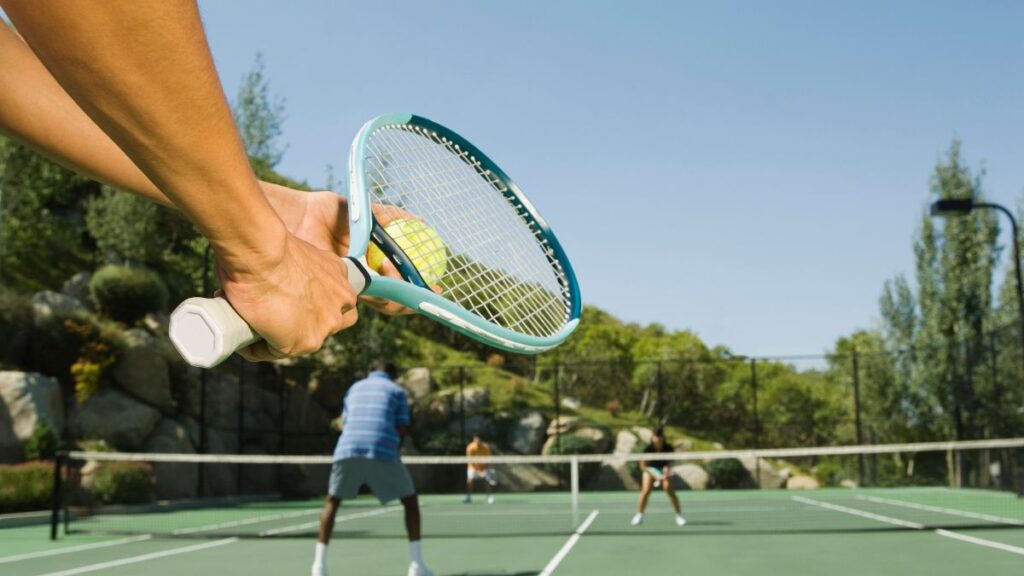
Rafael Nadal’s Current Challenges and the Shift to Indoor Tournaments
The tennis world has witnessed few stories as compelling as Rafael Nadal’s. However, the current 2025 season reveals a man grappling with the realities that come after years at the summit of an intense sport. His performances across clay courts, which once resembled a royal procession, now show signs of vulnerability. The heart-wrenching loss to Alex de Minaur at the Barcelona Open exposed the physical and tactical challenges Nadal faces. This match, once unfathomable to end in defeat, showcased how even the mightiest must adapt or risk fading away.
Nadal’s struggle is not merely about the scores but the toll his body has endured. A gruelling medical history punctuated by a significant hip surgery and repeated muscle injuries during tournaments like the Brisbane International eggs has made a relentless schedule taxing. Entering 2025, the Spaniard’s approach has evolved. Rather than plunging headfirst into the demanding clay circuit, a calculated return to the smaller indoor events might serve as the strategically sound bridge to a fuller comeback.
- Reduced physical strain: Indoor courts, usually hard or carpet surfaces, are less abrasive compared to clay or outdoor hard courts, minimizing injury risks.
- Controlled environment: Absence of wind and weather fluctuations offers a steadier playing field, allowing fine-tuning form and timing.
- Lower pressure: Smaller events invite less media scrutiny, providing a mental safe space for Nadal to rebuild match fitness.
- Optimizing match play: Competing regularly, even in less prominent tournaments, sharpens competitive instinct and reacquaints the body to match intensity.
From a tactical perspective, playing indoors also challenges a player to adapt their game. Nadal has historically excelled in long rallies and topspin-heavy shots, attributes often accentuated on clay. Indoor courts demand quicker reactions, flatter strokes, and refined net play. This shift could invigorate Nadal’s style, forcing creativity and precision while aligning with his current physical condition, which favors shorter rallies.
| Challenge | Impact on Nadal’s Game | Benefit of Indoor Tournaments |
|---|---|---|
| Physical wear from persistent hip and muscle injuries | Reduced mobility and stamina affecting clay court dominance | Courts with consistent conditions lower injury risk and aid recovery |
| High-intensity matches on clay | Demand for long rallies intensifies physical strain | Indoor events allow quicker points and tactical adjustment |
| Media and fan pressure | Heightened expectations after illustrious career | Smaller events ease pressure and allow confidence building |
Given these factors, Nadal’s pathway to reestablishing himself competitively aligns closely with indoor tournaments. Events like those highlighted in the Seoul indoor series provide the perfect platform to regain rhythm.
Technical Evolution: How Indoor Play Could Revitalize Nadal’s Game
Transitioning to smaller indoor events will inevitably bring technical challenges and opportunities for someone with Nadal’s storied style. Known for his relentless topspin forehand and steely defense, the indoor environment demands faster reflexes, a flatter ball trajectory, and aggressive positioning on court.
Technical changes that Nadal might embrace include:
- Serve Adaptations: On faster indoor courts, a more potent and precise first serve could shorten points, preserving energy while applying pressure.
- Net Play Enhancement: Incorporating more volleying and approach shots can offset baseline wear and tear, leveraging quick indoor court surfaces.
- Shot Variety: Mixing slice backhands and drop shots will create unpredictability against opponents attuned to clay rallies.
- Footwork and Agility Training: Refining lateral movements to accommodate the speed and bounce differences on indoor courts.
Beyond these, optimizing equipment becomes vital. Brands like Babolat, Wilson, and Yonex have pushed technological boundaries on racquet design and string composition, aiming to enhance power and control. Nadal’s choice of strings, for instance, plays a crucial role in balancing spin and durability, with insights found in comprehensive string guides.
Moreover, footwear like Asics, Adidas, and Nike offer models specifically engineered for indoor courts, ensuring optimal grip and shock absorption to support Nadal’s cautious recovery. Apparel partners such as Lacoste, Puma, and Under Armour complement his on-court agility and comfort during these crucial comeback matches.
Recalibrating his game in these smaller events also allows Nadal to benefit from lower mental stress, which has been especially crucial amid emotional pressures detailed in analyses of stress and emotions in tennis matches. For players returning from injury, this mental shift is often as significant as physical repair.
Psychological and Physical Recovery: The Role of Smaller Tournaments
For a player like Rafael Nadal, mental resilience has been the cornerstone of his success. Yet, injuries and setbacks test even the strongest minds. Smaller indoor events can serve as essential testing grounds where psychological confidence is rebuilt alongside physical stamina.
The benefits include:
- Building Momentum: Fighting through rounds without dominating media attention helps regain the winning mindset.
- Stress Reduction: Controlled environments reduce external distractions, fostering focus and reducing match anxiety.
- Physical Monitoring: Coaches and medical staff can closely observe progress in match conditions, allowing tactical rest and recuperation.
- Match Rhythm Acquisition: Regular match play sharpens timing and decision-making after long injury layoffs.
In fact, tennis experts often reference successful comeback stories by players who chose deliberate scheduling on less demanding circuits before returning to the top tier, as noted in the top 10 injury comebacks guide. This approach balances ambition with practicality, reducing the risk of relapse.
| Recovery Aspect | Importance | Benefit of Indoor Tournaments |
|---|---|---|
| Psychological Confidence | Crucial for high-pressure point situations | Low pressure helps rebuild competitive self-belief |
| Physical Stamina | Essential for sustaining match intensity | Shorter points help gradual endurance regain |
| Medical Supervision | Prevents re-injury and monitors stress markers | Ease of scheduling and predictable conditions assist monitoring |
Strategic Outlook: Calendar and Career Longevity
Looking ahead, the layout of Nadal’s tournament schedule will be critical to the success of this comeback pathway. Instead of diving directly into the physically punishing European clay swing or Grand Slam events, starting with indoor series such as the Seoul indoor tournaments could provide essential match practice while managing recovery.
This planned progression enables Nadal to:
- Gain competitive miles without overexertion
- Assess match fitness and adapt strategies in real time
- Preserve longevity by pacing through the highly demanding ATP calendar
- Build momentum leading into flagship tournaments like the Madrid Open and French Open
Preparing for the 2025 season also means integrating modern tennis training insights, from nutrition and hydration to flexible ranking systems designed to accommodate injured players returning gradually. Fans seeking to understand these nuances can review detailed guides on tennis nutrition and hydration as well as the evolving tournament ranking protocols.
Global Tennis Community and Fan Engagement on Nadal’s Comeback Journey
The excitement around Rafael Nadal’s comeback story is not just about sport but a narrative that channels hope and collective energy. Fans across continents watch closely, rallying behind an icon who embodies the relentless fight against adversity. Social media buzz and trending fan posts offer glimpses into Nadal’s training regimen, fueling enthusiasm and emotional connection.
Even as he embraces smaller venues and indoor courts, the spirit of the game remains electric. Apparel and gear sponsors like Adidas, Nike, and Head actively engage in promoting the comeback, leveraging Nadal’s brand to showcase innovative tennis technologies. This synergy blurs the lines between athletic endeavor and fan participation, bringing the sport closer to its global base.
Moreover, detailed beginner guides and tournament previews keep new and longtime tennis lovers informed. Those curious can dive into guides like the beginner tennis guide or the Wimbledon 2025 preview to contextualize Nadal’s place in the broader tennis landscape.