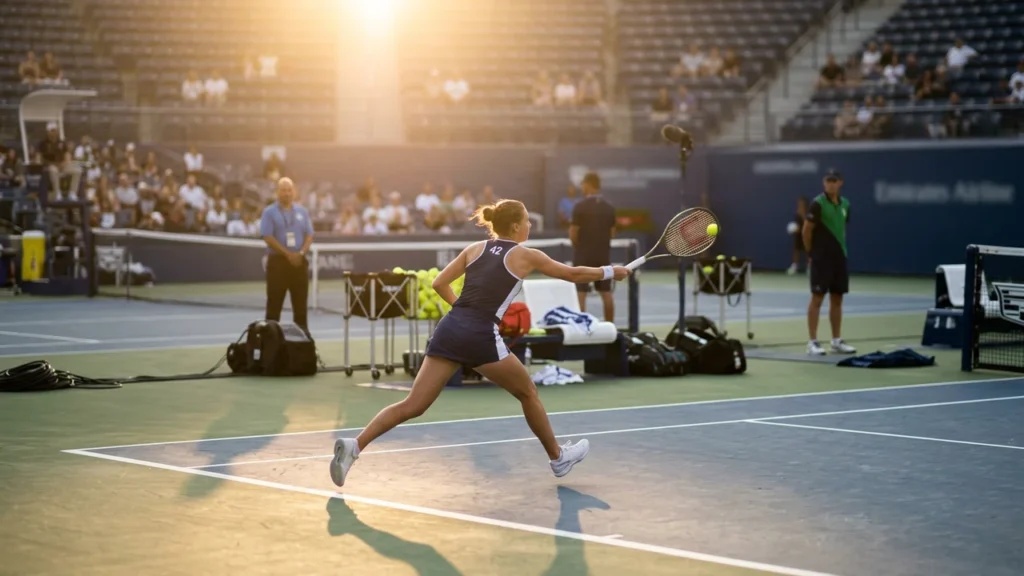
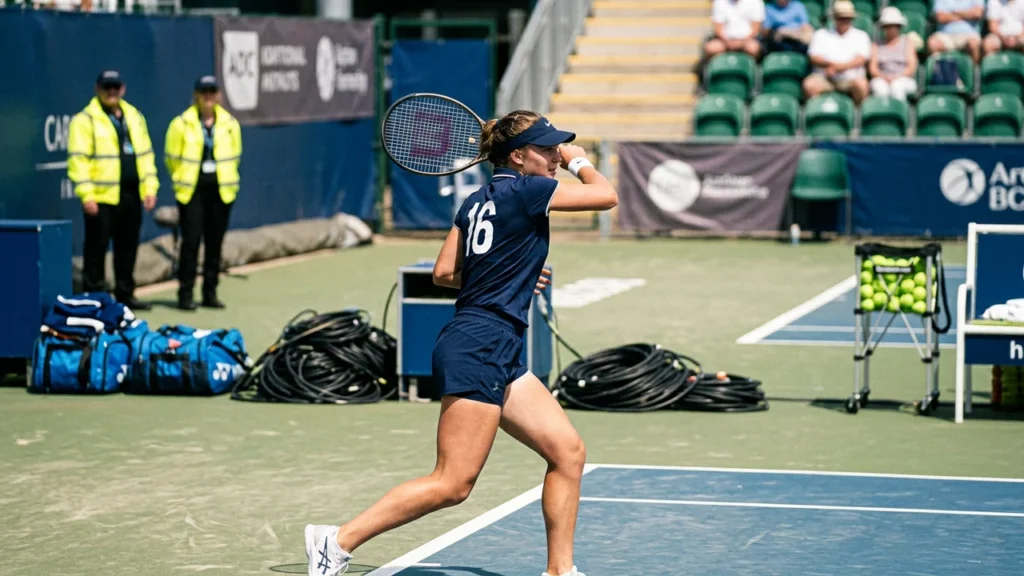
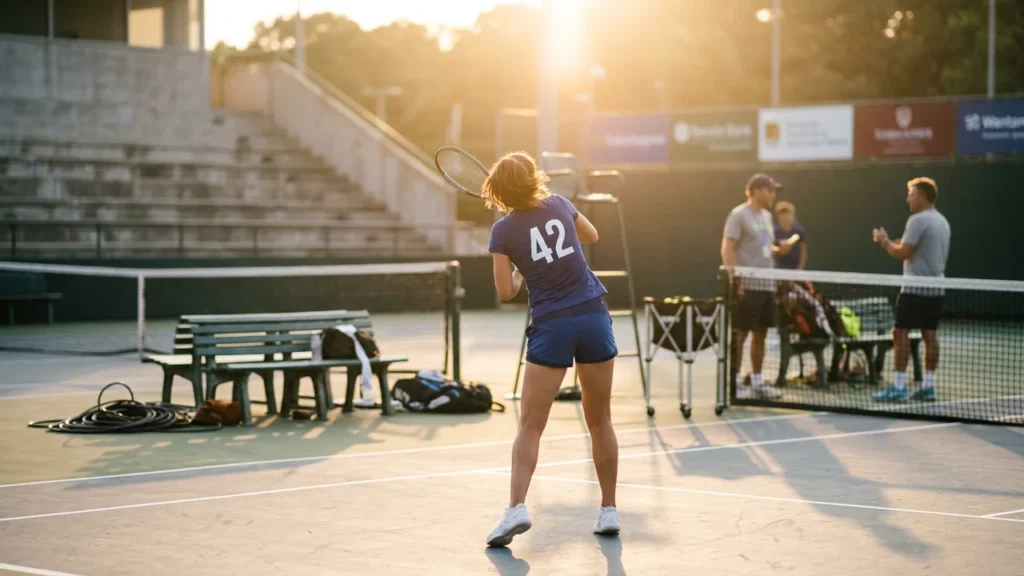
Walking into the echoing silence of an indoor tennis arena, the tension is palpable. Every serve, every return, every game won or lost inches the match closer to history. On the WTA indoor circuit, a fascinating battle unfolds—a clash not just of grounds and racquets but of return games, where percentages and heartbeats combine to tell stories of resilience, power, and razor-sharp precision. Understanding the trends in return games won percentage reveals much about player prowess, surface characteristics, and tactical evolutions that are shaping women’s tennis in 2025.
The indoor environment itself is a stage that amplifies speed and control. Unlike outdoor courts, where wind and sun factor into play, indoor arenas offer consistent conditions that spotlight pure skill and strategic depth. Many of the circuit’s elite are fiercely competitive when it comes to breaking serve and snatching return games — a vital stat that can ultimately dictate match outcomes.
Return games won is not merely a number; it’s the heartbeat of defensive strength and offensive opportunity, especially indoors. Players known for their explosive returns with gear from brands like Wilson, Babolat, and Head have begun to redefine the power balance. Meanwhile, agility and court coverage powered by footwear from Nike, Adidas, Asics, and New Balance play an unmissable role in sustaining these high-intensity rallies.
As tennis fans and analysts delve into these percentage trends, what emerges is a vivid tale of modern women champions adapting, evolving, and mastering the nuances of indoor play. Their battles, often emblazoned with strokes from Yonex and Prince racquets or dressed in Fila’s cutting-edge apparel, offer more than sport—they offer a narrative rich with drama and inspiration.
Exploring the Significance of Return Games Won Percentage in WTA Indoor Tennis
Return games won percentage captures the essence of a player’s ability to seize opportunities on the opponent’s serve. In the WTA indoor circuit’s controlled climate, this statistic assumes heightened importance, informing how players navigate the swift rallies and tactical depth unique to these venues.
The return game wins percentage reflects a broader glimpse into the dynamics of indoor WTA matches by highlighting three core elements:
- Aggressiveness and precision: Players delivering consistent, aggressive returns force opponents into defensive positions early in the point.
- Stamina and court coverage: Indoors, flat and fast balls require quick reflexes and mobility powered by shoes from New Balance or Asics, making fitness a critical factor.
- Tactical adaptation: Mastery of the indoor surface’s speed and bounce translates into smarter anticipation and shot selection.
The indoor courts typically have faster surfaces—such as those used in the prestigious WTA tournaments in St. Petersburg, Moscow, and the recently popularized indoor finals events. This speed benefits powerful servers but also rewards those with sharp, penetrating returns.
Here’s a snapshot of recent return games won percentage across top-tier indoor WTA events:
| Player | Tournament | Year | Return Games Won % | Racquet Brand | Shoe Brand |
|---|---|---|---|---|---|
| Petra Kvitova | St. Petersburg Open | 2024 | 38.6% | Wilson | Nike |
| Anett Kontaveit | Moscow Indoor | 2024 | 41.2% | Babolat | Adidas |
| Ons Jabeur | Chicago Classic Indoor | 2023 | 36.8% | Head | Asics |
| Karolína Muchová | Indoor WTA Finals | 2024 | 40.0% | Yonex | New Balance |
Understanding how these numbers interact with factors like player style, racquet technology, and shoe comfort opens insight into competitive success. For example, a High return games won percentage often correlates with precise timing, keen anticipation, and the ability to stay mentally robust under pressure.
Factors Influencing Return Games Won Percentage in Women’s Indoor Tennis
The story behind return success on indoor courts is multifaceted, shaped by technical, physical, and psychological components.
Consider first the technical prowess:
- Serve speed versus return placement: Indoor courts amplify serve velocity, challenging returners to quickly adjust and target deep or angled returns.
- Spin and slice returns: Strategic use of slice or chop returns often forces errors on fast surfaces, a technique notably utilized by players equipped with Prince and Yonex racquets.
- Shot anticipation and first-step quickness: Vital on any surface, but exaggerated indoors due to minimal external distractions.
Physical conditioning cannot be overstated. Players rely on brands like Asics and New Balance for footwear designed to support rapid lateral movements and abrupt stops, while apparel from Fila provides flexibility and breathability, enabling players to maintain peak performance throughout grueling matches.
The psychological dimension reveals itself in a player’s adaptability and resilience. Players who can mentally reset after aggressive service games or pressure points tend to win more return games. This mental strength is often witnessed in the fierce competitiveness of elite players who combine creative shot-making with emotional control.
Here is a breakdown of these factors’ impacts based on recent WTA data collected from indoor matches:
| Factor | Influence on Return Games Won % | Examples of Players |
|---|---|---|
| Technical skill (placement and spin) | High | Karolína Muchová, Ons Jabeur |
| Physical conditioning (speed & agility) | Medium-High | Anett Kontaveit, Petra Kvitova |
| Psychological resilience | High | Iga Świątek, Simona Halep |
For indoor specialists, blending these elements often spells the difference between settling for a service hold and grabbing valuable momentum through aggressive return games. Certain racquet designs also accentuate specific return manoeuvers, with Babolat’s Aeropro Drive favoring power returns and Yonex’s EZONE promoting control-focused strategies.

Historical Trends and Evolution of Return Games Percentage on the WTA Indoor Circuit
Tracing the trajectory of return games won in the WTA’s indoor events uncovers an evolving landscape shaped by advances in equipment, training, and playing style. Over the past decade, there has been a gradual increase in return games won percentage, signaling a shift toward more aggressive and versatile returners.
Early 2010s matches often showcased dominant service holds, owing primarily to traditional playing styles focusing on powerful first serves paired with baseline rallies. However, as racquet technology matured with innovations from Wilson and Head improving sweet-spot size and string tension, players adapted by sharpening return skills.
Today’s champions mix explosive power returns with consistent deep placement. Enhanced footwork enabled by New Balance and Asics footwear has cut reaction times, translating into higher return efficiency indoors. Meanwhile, apparel advancements from Nike, Adidas, and Fila offer comfort and movement freedom vital for executing rapid directional changes.
- 2010 to 2015: Return games won averaged around 32% at premier indoor events, dominated by players with strong serves like Maria Sharapova and Petra Kvitova.
- 2016 to 2020: Increased emphasis on return game tactics saw percentages climb near 35%, with players like Simona Halep and Sloane Stephens showcasing return versatility.
- 2021 to 2024: Return games won percentage hovered around 38-40%, reflecting a new generation focusing on aggressive return play complemented by strategic court positioning.
Here’s a comparative table illustrating these historical trends:
| Period | Average Return Games Won % | Notable Players | Key Equipment Advances |
|---|---|---|---|
| 2010-2015 | 32% | Petra Kvitova, Maria Sharapova | Wilson Pro Staff updates, Nike Vapor shoes |
| 2016-2020 | 35% | Simona Halep, Sloane Stephens | Babolat Pure Aero, Adidas Adizero |
| 2021-2024 | 39% | Iga Świątek, Karolína Muchová | Yonex EZONE, Fila training apparel |
How Equipment Brands Like Wilson, Babolat, and Nike Impact Return Games on the WTA Indoor Circuit
Equipment trends highly influence the evolving landscape of return games won percentage. Racquet and shoe technologies are no longer mere accessories; they are integral to enhancing player capabilities indoors.
Wilson, a legendary tennis brand, equips many WTA stars with racquets focusing on power and precision. Their Pro Staff and Blade models facilitate strong returns by combining stability with maneuverability. When paired with Nike footwear, which prioritizes cushioning and grip, players elevate their return game agility.
Babolat emphasizes racquets that maximize spin, velocity, and control—a triad essential for effective indoor returns. The brand’s collaboration with innovative materials enables quicker swing speeds, critical to counter powerful indoor serves. Adidas shoes complement these efforts by offering lightweight support for rapid footwork.
Head and Yonex also push the envelope with design innovations focusing on sweet spot enlargement and vibration dampening, which translate directly into increased return consistency. Prince racquets, applauded for their balance and precision, have seen revived popularity on the indoor circuit as well.
On-court apparel from Nike, Adidas, Fila, and Asics blends technology with fashion. Moisture-wicking fabrics, ergonomic fits, and ventilated designs allow players to maintain focus and comfort, often making subtle yet decisive differences during long matches.
- Racquets: Wilson Pro Staff, Babolat Pure Aero, Head Graphene, Yonex EZONE, Prince Textreme.
- Shoes: Nike Air Zoom Vapor, Adidas Adizero Ubersonic, Asics Gel Resolution, New Balance Fresh Foam.
- Apparel: Nike Dri-FIT, Adidas Primegreen, Fila Performance line.
Brands also influence player preferences in shot selection. For instance, Babolat’s design encourages topspin returns, while Wilson’s precise feel aids flat, aggressive returns—both critical tactics on fast indoor surfaces.
Strategic Insights: Improving Return Games Win Percentage in Indoor WTA Tennis
For players aiming to boost their return games won percentages on the WTA indoor circuit, a myriad of strategies come to the fore. In this arena of finely tuned athleticism and razor-edge competition, mastery over the return can ignite winning streaks and upset presumptions.
Strategic improvements hinge on:
- Technical refinement: Enhancing return footwork, sharpening racket positioning, and mastering spins tailored to indoor conditions.
- Physical fitness: Emphasizing agility drills, stamina routines, and reaction speed training often backed by biomechanical analysis and supported by advanced footwear technology.
- Mental toughness: Cultivating resilience to face high-velocity serves and pressure situations, enabling players to reset mentally after tough points.
- Equipment optimization: Regularly updating racquet strings, selecting shoes for the specific court surface, and choosing apparel that supports fast movement and comfort.
Many up-and-coming players are now leveraging analytics tools and match statistics to dissect return performance—learning from both successes and lapses. A practical focus on return positioning, timing variations, and anticipating opponent serve patterns frequently tips the scales in close matches.
Here’s a handy checklist for players seeking to enhance their returns indoors:
- Practice slice and chip returns to vary ball trajectory and disrupt opponent rhythm.
- Use racquet models from Babolat or Wilson known for return responsiveness.
- Wear chaise with excellent lateral support such as Nike Air Zoom Vapor or Adidas Adizero Ubersonic.
- Drill reaction speed with rapid-fire ball machines calibrated to indoor speeds.
- Review match footage focusing on opponent serve patterns indoors.