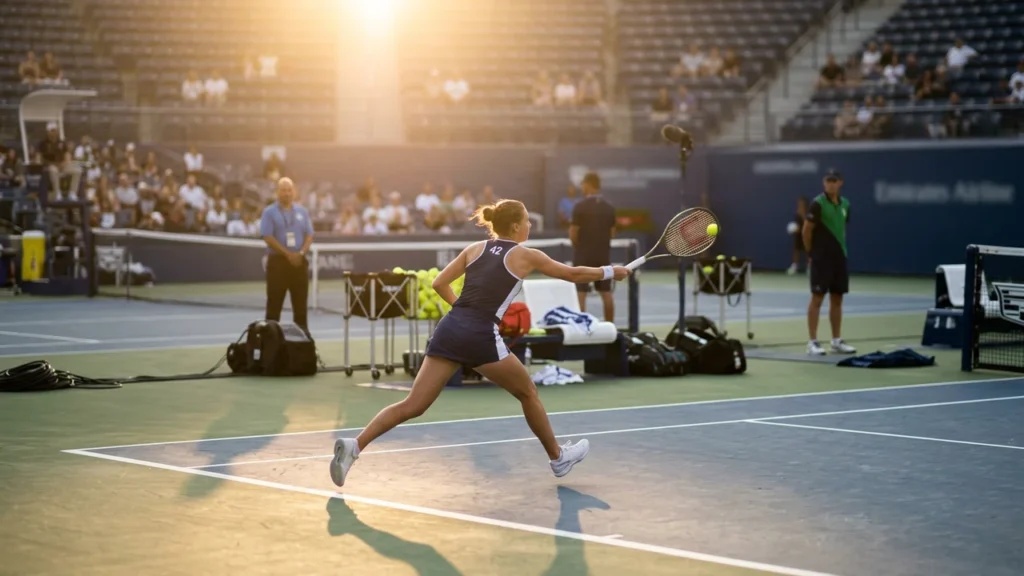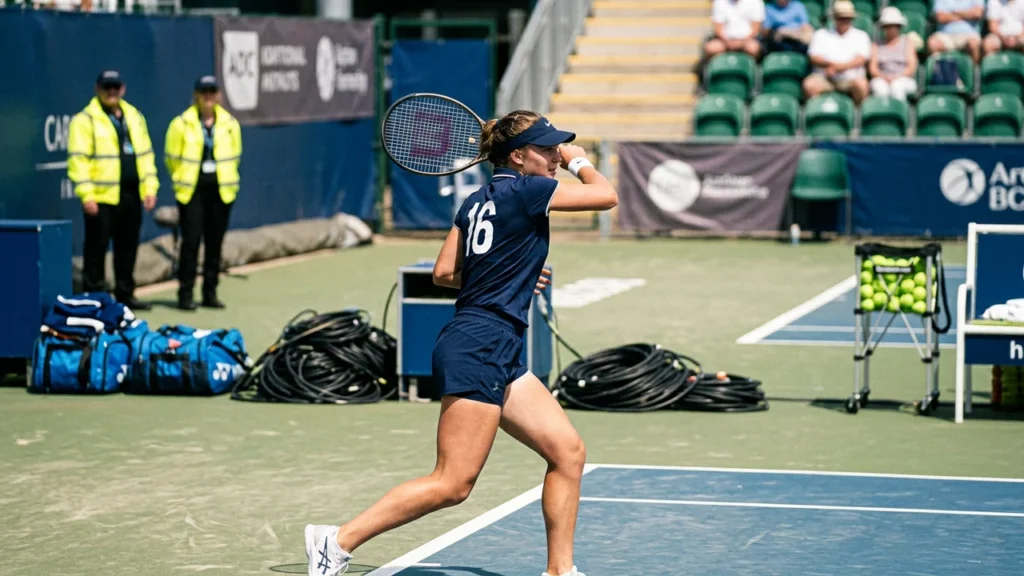
In the fierce ballet of sprints, pivots, and volleys across the tennis court, the spotlight often shines on the racket and shoes—yet the humble tennis sock plays an equally pivotal role. It’s not merely a fabric fortress but a silent partner in every powerful serve, every lightning-fast direction change. For professional tennis players, the right sock translates into unmatched comfort, blister-free feet, and extended endurance. As the 2025 tennis season pushes the boundaries of speed and agility, players from legends equipped by Nike, Adidas, and Head to rising stars favor socks engineered for moisture management, cushioning, and ankle support. From no-show to crew lengths, and materials blending synthetic fibers with cotton, the nuances of tennis socks have evolved, revealing a melting pot of innovation and tradition aimed at amplifying performance.
Understanding what makes a good tennis sock demands an exploration of materials, styles, and functional designs favored by pros and enthusiasts alike. The synergy of arch compression, moisture-wicking fibers, and shock-absorbing cushioning shapes the foundation for tennis success. While brands such as Thorlo and Puma provide plush cushioning for blister prevention, Under Armour and Fila focus on sleek, performance-oriented designs. The evolving court demands socks that aren’t just garments but extensions of the player’s precision and power.
Choosing the right sock also balances protection and freedom, vital when negotiating court surfaces detailed extensively in guides about shoe sole types and the importance of matching footwear to your playing style. The intricacies of sock design can dictate whether a player moves fluidly or suffers from distractions caused by slippage or overheating. Below the surface of every thrilling match unfolds a silent revolution in sock technology that deserves its place in the limelight.
Materials and Moisture Management: The Backbone of Tennis Socks
At the core of an exceptional tennis sock lies the material composition, defining comfort and performance under match pressures. Traditional cotton socks, despite their softness, fall short in moisture management—retaining sweat and inviting blisters that can turn a victorious game into a painful challenge. Leading brands—like Nike and Adidas—have propelled tennis sock design by integrating synthetic fibers such as polyester, nylon, acrylic, and spandex to deliver high-performance moisture-wicking abilities.
These materials actively transport sweat away from the skin to the outer fabric surface, where it evaporates quickly, keeping feet dry and blister-free even during grueling five-set encounters. For example, Adidas’ ClimaLite technology shines, engineered specifically for tennis, helping players maintain foot dryness and comfort. Similarly, Thorlo leverages THOR-LON fibers, whose tightly spun acrylic composition enhances durability and moisture control simultaneously, ensuring tennis socks sustain intense play over time without losing shape or function.
A synthetic blend additionally offers notable elasticity and fit precision, pivotal to avoid sock slippage, a frequent culprit behind chafing. Brands such as Asics and Under Armour incorporate spandex to secure an adaptive fit that moves in harmony with fast changes in direction. This elastic support is often complemented by targeted arch compression bands, vital to stabilize the foot during lightning-fast court movements.
List: Key Material Properties for Tennis Socks
- Moisture-wicking: Controls sweat to prevent blisters and overheating.
- Durability: Synthetic fibers resist wear and tear during intense court sessions.
- Elasticity: Provides secure, slip-resistant fit without restricting movement.
- Cushioning: Adds shock absorption on high-impact zones like heel and forefoot.
- Breathability: Mesh zones allow air circulation to regulate temperature.
Compared to pure cotton socks, blends including acrylic and polyester provide tennis pros a resilient edge. Moreover, sock technologies now extend into antimicrobial treatments and anti-odor fabrics, increasing comfort across long tournaments and practice days. With careful attention paid to performance shoe coordination, selecting socks with advanced fiber blends can sharply reduce the risk of foot fatigue and skin irritation.
| Material | Main Benefit | Common Brands Using This |
|---|---|---|
| Cotton | Softness but poor moisture handling | K. Bell, Puma (blends) |
| Polyester | Excellent moisture wicking and durability | Adidas, Under Armour |
| Acrylic (e.g., THOR-LON) | Shock absorption and durability | Thorlo |
| Spandex | Elasticity and snug fit | Asics, Nike, Fila |
| Nylon | Breathability and durability | Babolat, Wilson |

Real-World Example: The 2025 US Open’s Tireless Feet
During the intense 2025 US Open, players equipped with high-performance socks like those from Nike and Thorlo demonstrated superior foot comfort throughout marathon matches. Observers noted that top athletes avoided the blister pitfalls traditionally common on hard courts, attributing their resilience partly to the moisture-wicking capabilities of their socks combined with carefully chosen footwear, details well-covered in resources explaining the importance of tennis shoes and their synergy withproper socks.
Exploring Styles and Sock Lengths Favored by Tennis Professionals
Professional tennis players showcase diverse sock styles—from the no-show to the classic crew—chosen strategically to match their playing conditions, personal comfort, and court demands. This choice affects protection, ventilation, and freedom of movement.
Shorter sock styles such as no-show or low-cut socks are favored by some pros for their minimalism and reduced tan lines. These socks are designed to remain hidden beneath tennis shoes, offering a discreet and cool option on hot days. Under Armour and Asics produce technologically advanced no-show socks with roll-top designs that prevent slippage and enhance stay-put fit during rapid movements, an essential characteristic for quick court reactions.
Quarter and crew-length socks provide more ankle coverage, offering added protection against abrasion from shoes and court surfaces, which becomes critical during long matches. Adidas’ crew socks, for example, incorporate compression zones around the arch and ankle, helping improve circulation and muscle support. Crew socks also serve a style purpose; long socks have become a fashion statement in tennis circles, with players like those sponsored by Prince and Fila sporting signature sock looks that combine function and flair.
List: Popular Tennis Sock Styles and Their Benefits
- No-show: Minimal visibility, cooler but risk of slippage and limited protection.
- Low-cut: Slightly higher than no-show to avoid shoe collar irritation.
- Quarter socks: Ankle coverage and moderate compression.
- Crew socks: Maximum protection, compression, and sometimes UV protection.
- Compression socks: Enhanced circulation and muscle stability for pros.
Compression socks deserve special attention as they have surged in popularity among elite tennis players. Designed to enhance blood flow, these socks reduce muscle fatigue and speed recovery, an advantage valued during tournament grinds. J.J. Wolf and other ATP stars often incorporate compression socks into their routines, combining brands like Nike and Wilson. Wearing two pairs of socks, a method occasionally spotted on court, also helps some players reduce blister formation—a simple yet effective adaptation for top-level competition.
| Sock Style | Protection Level | Typical Use Cases |
|---|---|---|
| No-show | Low | Warm weather, fashion-centric play, light training |
| Low-cut | Moderate | Warm/hot climates, indoor courts |
| Quarter | High | Competitive matches, injury prevention |
| Crew | Very high | UV protection, chilly weather, heavy impact play |
| Compression | Specialized | Recovery, injury prevention, prolonged tournaments |
The Role of Cushioning and Arch Support in Tennis Sock Performance
Cushioning in tennis socks goes beyond simple comfort—it’s a vital component influencing injury prevention, foot health, and responsiveness. The impact forces generated by quick stops, sudden shifts, and baseline smashes require socks that safeguard pressure points such as the heel, ball of the foot, and toes.
Many leading sock brands, including Thorlo and Adidas, engineer varying degrees of cushioning tailored to player needs. Thorlo’s thick cushion socks provide shock absorption tested in specialized clinics, specifically designed to counter the repeated trauma to the heel and ball encountered on hard courts. In contrast, Adidas offers thinner cushion options, preferred by players who prioritize speed and court feel, albeit with a trade-off in longevity.
Arch support integrated via compression bands stabilizes the foot’s midsection. This helps prevent plantar fasciitis and muscle fatigue, common issues among tennis players who endure hours of repetitive stress. The snug arch fit offered by NikeCourt and Fila socks enhances proprioception, subtly improving footwork precision.
List: Cushioning and Support Options in Tennis Socks
- Thick cushioning: Offers maximum shock absorption, ideal for heavy-footed or injury-prone players.
- Medium cushioning: A versatile option providing a balance between comfort and responsiveness for most players.
- Thin cushioning: Preferred by players seeking maximum court feel and speed, often pros.
- Arch compression: Supports foot structure to reduce fatigue and injury risk.
- Ankle support: Prevents excessive movement to protect ligaments during lateral motions.
Choosing cushioning level relates directly to understanding your court style and consulting guides on the differences between recovery and match shoes. Those investing in plush cushioning socks should complement them with shoes designed to absorb impact for ultimate injury prevention.
Case Study: Athlete’s Transition from Thick to Medium Cushioning
A well-known professional underwent a material transition after extensive matches revealed blister susceptibility when utilizing ultra-thick socks paired with minimally cushioned shoes. Switching to medium cushioning socks by Adidas allowed better shoe fit enhancing foot stability and reducing slippage—a classic example of how sock cushioning is part of a system involving footwear and playing style.
Insights Into Sock Fit and Sizing: Precision Matters on the Court
Beyond materials and cushioning, the fit and sizing of tennis socks greatly affect performance and foot health. Ill-fitting socks can bunch inside shoes, causing discomfort, blisters, and disrupted play. Precision fit becomes crucial given the dynamic nature of tennis footwork.
Top brands prioritize detailed sizing options and tailored fits—for instance, CelerSport offers socks in four distinct sizes from small to extra-large, accommodating diverse foot dimensions with arch compression and breathable fabric. Conversely, compression socks like HUSO provide one-size-fits-most options, focusing on snug fit and muscle support rather than traditional sizing.
Properly sized socks also enable maximal contact with the foot, crucial for the enhanced proprioceptive feedback demanded by high-level play. Players aligned with rigorous training regimens often scout recommendations within the beginner tennis equipment guide to ensure balanced sock and shoe combinations optimal for their feet.
List: Sizing and Fit Considerations for Tennis Socks
- Accurate sizing: Reduces risk of blisters, bunching, and enhances support.
- Ankle and arch fit: Prevents sock slippage and ensures snugness during directional changes.
- Material stretch: Select socks with spandex or elastic fibers for adaptive fit.
- Multiple size ranges: Brands like CelerSport offer S-XL options for precise fitting.
- Compression labeling: Some socks are designed for left and right foot to optimize fit.
| Brand | Sizing Options | Fit Features |
|---|---|---|
| CelerSport | Small to Extra Large | Arch support, breathable materials |
| HUSO | One size (9-13) | Compression, left/right specific design |
| Adidas | Multiple sizes | Arch compression, ClimaLite moisture control |
| Nike | Standard sizes | Spandex for stretch, Dri-Fit wicking |
| Puma | Limited sizes | Durability and medium cushion |
Example: Sizing Challenges in Bulk Purchases
A tennis club purchasing standard single-size compression socks for all members quickly learned the limits of one-size-fits-most, facing complaints about tightness or looseness among players. This reinforces the need for diversifying sock sizing, especially for compression options, to cater accurately to player diversity in 2025 competition environments.