Mastering the serve in tennis stands as a gateway to commanding matches and shaping outcomes with precision and power. Across all skill levels, from beginners just grasping the basics with a Babolat or Prince racquet, to advanced players wielding Wilson or Dunlop gear seeking to refine their edge, consistency in serving is the unshakable foundation of success. This journey from tentative first serves to thunderous aces involves deliberate drills that build not only the technical prowess but also the mental resilience needed under pressure. Understanding how to develop a serve that is both accurate and powerful fundamentally transforms a player’s game, influencing adrenaline-charged rallies and match-defining moments alike. Integral to this development is the progression of drills tailored to enhance mechanics, footwork, toss accuracy, and strategic placement. Alongside physical technique, the psychological aspect anchors the effectiveness of every serve sequence, pushing players towards a fierce, attack-minded cadence reminiscent of the greatest moments in recent tennis history.
Whether inspired by the relentless stamina witnessed in marathon endurance training or the razor-sharp focus of top ATP and WTA professionals highlighted in stories such as Medvedev vs. Tsitsipas in Vienna, the path to serving consistency demands multifaceted preparation. Drills that emphasize repetition and target zone precision equip players not just to survive but to dominate their service games and seize control of points at critical junctures. By embracing these methods, players become capable of turning their serve into a versatile weapon that disrupts opponents’ rhythms, captivates spectators, and fuels thrilling comebacks. As you navigate through these time-tested serving drills that range from foundational to advanced, the integration of quality equipment choices — be it Gamma strings or Tourna overgrips — and tactical nuance will emerge as decisive components in your evolution on court.
Foundational Serve Consistency Drills for Tennis Beginners
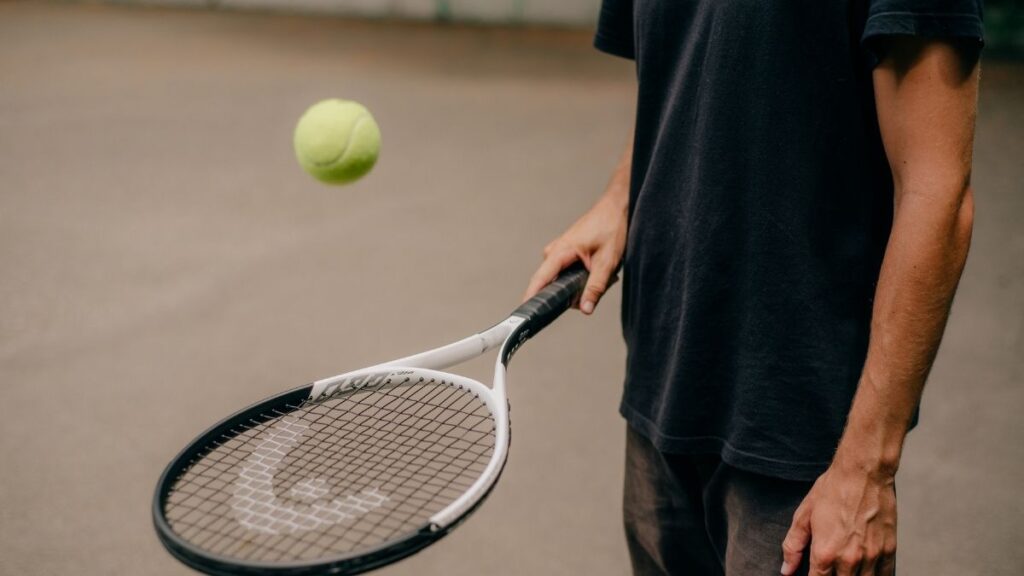
Serving in tennis is much more than merely launching the ball across the net — it’s a controlled, purposeful action that sets the tone for every rally. For beginners, the initial focus is on understanding the fundamentals of service mechanics and developing a reliable motion that can be repeated under varying circumstances. A solid foundation rests on mastering the toss, stance, and contact point, which together orchestrate a fluid and repeatable serve.
Key mechanical points for beginners include:
- Consistent Ball Toss: The toss should be slightly in front and above the hitting shoulder, allowing players to meet the ball at an optimal height. Practicing toss drills without swinging the racquet helps ingrain muscle memory and prevents erratic serving placements.
- Body Position and Alignment: Feet shoulder-width apart with weight shifting forward during the serve promotes balance and power. Emphasizing the elbow’s height relative to the shoulder in the preparation phase ensures a smooth arm path.
- Hand Contact: Striking the ball with the heel of the racquet head and following through with the palm facing the target facilitates power transfer and directional control.
Beginners can utilize simple drills to engrain these essentials. One effective method is the Wall Serve Drill, which requires standing about 10 feet away from a sturdy wall and performing a full serving motion to have the ball hit the wall consistently. This feedback loop allows players to focus on clean contact and consistent arm swings without worrying about court positioning.
Another drill focuses on the Partner Serve Progression, where pairs serve to each other from the 10-foot line, gradually stepping backward as their confidence grows. This drill encourages form refinement, control, and builds endurance — especially when combined with elements like serve-and-sprint conditioning that simulates fatigue, echoing training approaches described by elite coaches and echoed in endurance training guides at tennisguide.net.
| Drill | Focus Area | Equipment Recommended |
|---|---|---|
| Wall Serve Drill | Contact Consistency | Prince Racquet, Penn Balls |
| Partner Serve Progression | Control and Endurance | Wilson Racquet, Gamma Strings |
| Serve and Sprint Conditioning | Serve Under Fatigue | Babolat Racquet, Slazenger Balls |
Developing these foundational skills with a focus on proper technique builds a serve that is not only reliable but also primed for power growth and tactical placement development, especially critical when transitioning to intermediate levels. The influence of brands like HEAD and Tourna ensures that players have access to gear enhancing grip stability and shot precision, which is vital during these formative practice stages.
Advanced Serve Drills: Power, Precision, and Tactical Placement
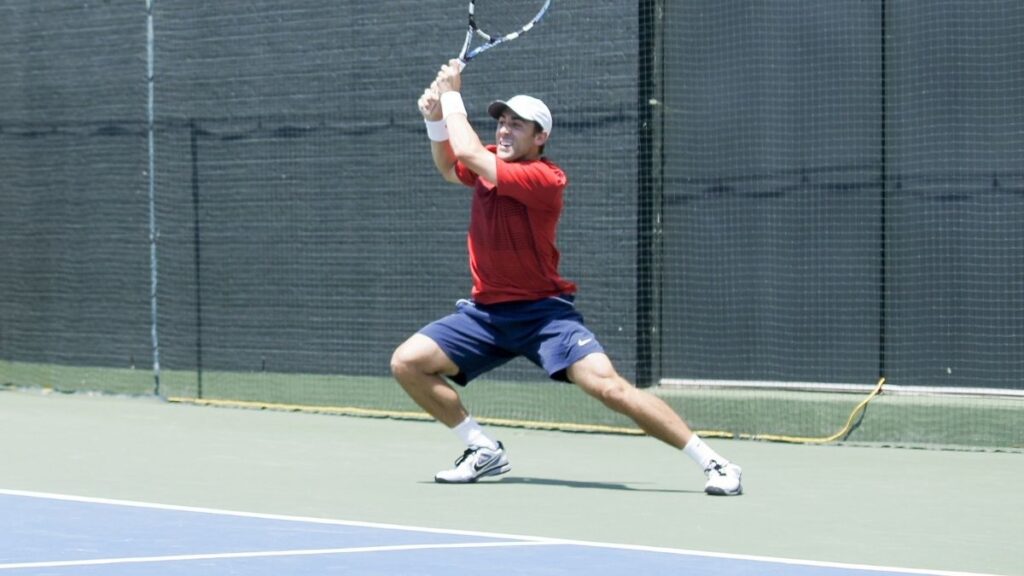
Elevating serve consistency for advanced players means fusing power with precision, and incorporating tactical serve placement into the strategy. Players at this level build on their foundational mechanics to inject speed, disguise, and spin variations that unsettle opponents. The jump serve and the slice serve become weapons when mastered through dedicated drills that challenge coordination, timing, and strategic thinking.
Core advanced serve drill components include:
- Jump Serve Progression: This explosive serve incorporates an approach run and a high toss to strike the ball at peak elevation, producing both speed and a steeper trajectory. The drill emphasizes maintaining a stable toss despite motion, coordinating footwork (left-right-left for right-handers), and snapping the wrist for extra velocity.
- Zone Serving: Focusing on targeting various court positions—corners, lines, deep or short zones—this drill demands precise control over toss placement and racquet head angle. This simulates match pressures where strategic serves disrupt opponents’ return rhythms.
- Serve Variation Drills: Players alternate between flat, slice, and kick serves to develop anticipation and adaptability. Mixing serves in practice refines the ability to disguise intentions and capitalize on opponent weaknesses, following techniques highlighted in top player analysis such as those found in tennisguide.net.
Using tools like Dunlop and Babington string setups can fine-tune feel and response on the serve, adding nuance to shot execution. For example, adjustable tension stringbeds aid players in finding the sweet spot for their serve type, enhancing both power and control.
| Advanced Drill | Purpose | Recommended Brand Equipment |
|---|---|---|
| Jump Serve Progression | Power and Explosiveness | Wilson Racquet, Dunlop Strings |
| Zone Serving | Directional Accuracy | Babolat Racquet, Gamma Strings |
| Serve Variation Drills | Disguise and Adaptability | HEAD Racquet, Tourna Overgrip |
Incorporating high-level serve drills also means building a mental framework to handle pressure. Entrenching consistent pre-serve routines safeguards focus — a lesson reinforced by contemporary match insights such as those in the simulate tie break pressure training articles. Repetition under stress solidifies confidence that separates champions from challengers in critical moments.
Improving Serve Stability through Targeted Accuracy Training
Precision forms the backbone of serve consistency, and targeted accuracy drills sharpen this skill for all levels. Beyond raw power, successful serving demands commanding placement that forces opponents to exert extra effort or commit errors. Mastering strategic serving zones elevates gameplay by turning serves into offensive assets rather than mere ball initiations.
Fundamental accuracy drills include:
- Target Zone Serving: Placing visual targets on specific court sections and aiming serves accordingly strengthens muscle memory and spatial awareness. This drill can be intensified by varying the serve type (flat, slice, kick) for comprehensive training.
- Short vs. Deep Serves: Alternating between short serves that skim the net and deep serves near the baseline amplifies control nuances and teaches players to manipulate depth effectively. Precision in contact point and toss height is crucial here.
- Serve Consistency Under Pressure: Simulating game-like tension by incorporating point scoring or countdown timers challenges players to maintain focus and technique amidst fatigue and distraction.
Innovative brands like Penn and Slazenger supply balls with consistent bounce and durability, allowing players to rely on uniform feedback during target-sessions. Coupled with grip enhancement products from brands such as Tourna, these accuracy drills foster a holistic training environment.
| Drill Name | Training Focus | Suggested Equipment |
|---|---|---|
| Target Zone Serving | Muscle Memory and Placement | Penn Balls, Babolat Racquet |
| Short vs. Deep Serves | Depth Control | Slazenger Balls, Wilson Racquet |
| Serve Consistency Under Pressure | Mental Resilience | Prince Racquet, Tourna Grip |
Structured accuracy work translates directly into a serve that achieves both margin control and aggressive placement, a balance that top performers like those detailed in coverage of Rybakina vs Swiatek demonstrate in high-pressure scenarios. This precision training fortifies the player’s service game as an intimidator on court.
Integrating Serve Drills with Conditioning and Mental Fortitude
Successful serve consistency transcends technique; it demands physical conditioning and mental toughness that withstand the sport’s dynamic pace. Conditioning drills designed specifically to mimic match intensity cultivate endurance to maintain serve quality deep into competitions. Meanwhile, mental fortitude drills train players to channel nerves into focus, turning pressure into enhanced performance.
Conditioning activities linked with serving include:
- Serve and Sprint Drill: Players serve with proper form, then immediately sprint to the net and back, elevating cardiovascular readiness to replicate match fatigue. This drill enhances muscle memory while conditioning the body to serve accurately under duress.
- Core Strength and Stability Exercises: A strong core stabilizes the trunk, essential for balance and power transmission during a serve. Exercises such as planks, medicine ball throws, and rotational workouts underpin this strength.
- Routine Development: Building a consistent pre-serve ritual helps center mental energy and reduce anxiety. This mental checkpoint ensures repetition is reliable regardless of match circumstances, reflective of top pros’ habits documented in Serena Williams’ training routines.
Fitness-focused equipment like Babington resistance bands and professional-grade medicine balls complement these efforts, making conditioning accessible and efficient. Brands such as Wilson and HEAD continue to innovate gear that supports player health and stamina.
| Conditioning Drill | Objective | Recommended Gear |
|---|---|---|
| Serve and Sprint Drill | Serve Accuracy Under Fatigue | Babolat Racquet, Babington Equipment |
| Core Strength Exercises | Balance and Power | Prince Medicine Balls, Dunlop Resistance Bands |
| Pre-Serve Routine Development | Mental Focus and Consistency | Tourna Overgrip, Slazenger Wristbands |
Building resilience through these physical and psychological kingdoms is decisive in match-defining moments, empowering players to serve with unshakable confidence during pivotal rallies. Crafting these elements into training calls for deliberate practice that honors the lessons echoed by elite athletes across the landscape of tennis.
Leveraging Technology and Modern Training for Serve Mastery
As tennis evolves in 2025, so too do the methods and tools for mastering serve consistency. Innovative training technologies, ranging from motion capture to AI analytics, empower players and coaches to dissect serve mechanics with unmatched detail. These insights fuel faster improvements and tailored training programs that cater to individual needs, bridging gaps from beginner to elite.
Modern serve training integrates:
- Video Analysis Software: Detailed frame-by-frame breakdowns help identify flaws in toss height, arm acceleration, and foot placement. Players equipped with smart phones or tablets can access applications that compare their serve to professional benchmarks.
- Sensor-Embedded Racquets: Brands like HEAD and Wilson have introduced racquets with embedded sensors that measure swing speed, contact point accuracy, and spin rates. This data guides precise adjustments that elevate serve consistency and effectiveness.
- Virtual Reality Serve Simulation: VR tools simulate match conditions, allowing players to practice serve sequences and decision-making under virtual pressure. This mentally prepares them for the unpredictable nature of competition and sharpens tactical serve choices.
With such technologies, the journey from rookie serves to tournament-level precision becomes more tangible. Players can review their progress alongside insights from ongoing tournaments, including serve statistics from elite players as chronicled in sources like tennisguide.net, ensuring their training remains up to date.
| Technology | Benefit | Application Example |
|---|---|---|
| Video Analysis | Technique Refinement | Comparing serve delivery against pros for form correction |
| Sensor Racquets | Performance Metrics | Tracking swing speed and toss placement consistency |
| Virtual Reality Simulation | Mental Preparation | Practicing serve decisions under simulated pressure |
As players embrace these tools and their data-driven insights, their serve consistency drills become sharper, more efficient, and intimately aligned with real-match demands. This blend of innovation and tradition crafts a new era of service mastery — a necessity as the competitive landscape in tennis tightens with every season, as seen in ongoing narratives such as Gauff’s US Open ambitions and Fritz’s breakthroughs. Players who commit to this integrated approach reap rewards that transcend baseline exchanges and define their legacy on court.