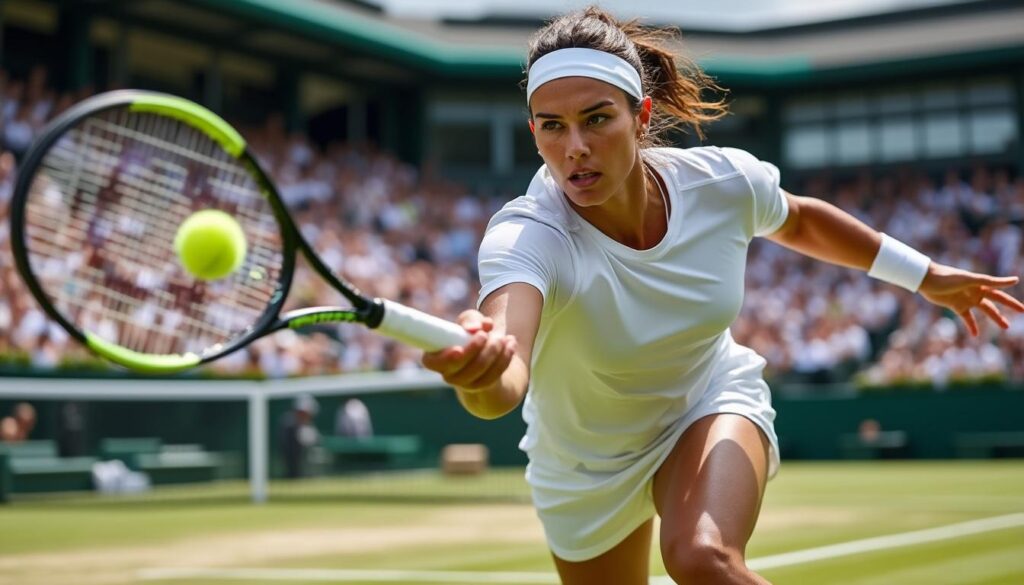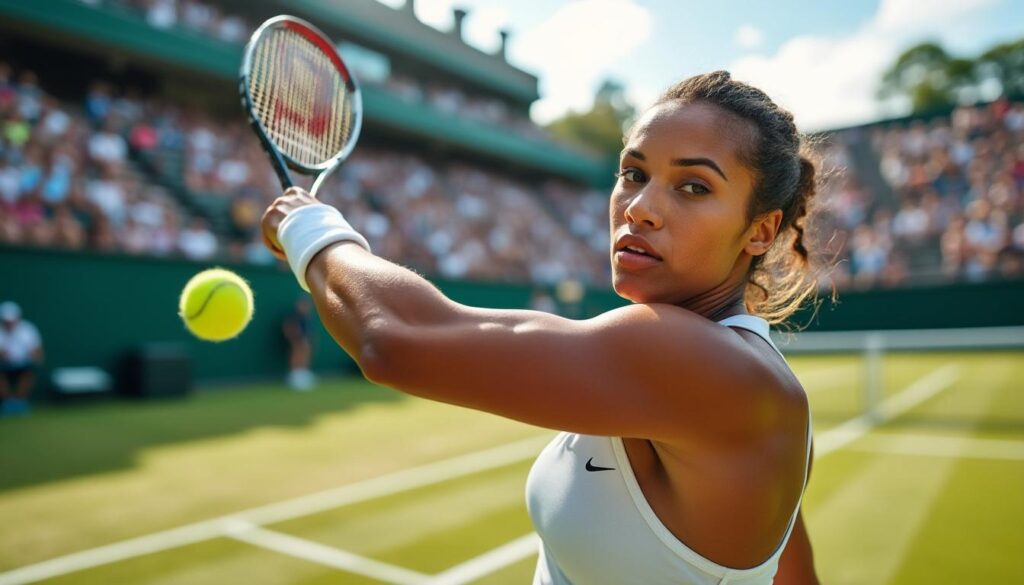
In the fast-paced world of tennis, positioning on the court is as crucial as mastering the perfect serve or return. The way a player maneuvers and situates themselves can transform a routine rally into a dominating display of tactical skill. With the integration of advanced technologies and refined training methodologies such as match simulation, players today have unprecedented opportunities to sharpen their court sense and responsiveness. The ability to anticipate opponents’ moves, adjust positioning proactively, and make split-second decisions has become the defining edge in competitive tennis. Not confined solely to physical prowess, developing better court positioning through systematically simulated match scenarios combines cognitive, visual, and reactive skills into a fluid, disciplined game-flow experience. This immersive approach doesn’t just prepare athletes for the physical demands but also primes them for the strategic complexities that unfold during a high-stress match, turning raw potential into match-winning artistry.

How Match Simulation Enhances Court Positioning Skills in Tennis
Match simulation serves as a bridge between isolated drills and the unpredictable nature of actual competition. By recreating realistic match scenarios, players gain vital exposure to the varied trajectories, spins, and rhythms they will face on the court. Technologies like SmartCourtLab and SimuMatch Zone enable athletes to step into virtual replicas of tournament environments, where every shot fired could determine success or failure.
Simulated matches help players perfect their split-step timing, positional footwork, and reactive agility. These elements are critical for maintaining optimal court coverage and preparing for an opponent’s attack. For example, a player practicing with the aid of MatchReady Pro systems can experience real-time feedback on how well they reposition after every strike, improving muscle memory and response speed.
Furthermore, simulation drills incorporating GameFlow Analytics analyze a player’s movement patterns and suggest tactical adjustments, refining positioning strategies to adapt dynamically during points. This feedback loop is essential for developing situational awareness and learning the subtle nuances of court geometry that dictate the best standing places to intercept or defend shots.
- Replicates match pressure: Players engage in pressure-filled rally simulations that mimic tournament intensity.
- Enhances anticipatory skills: By simulating opponent shot tendencies, players learn to predict where to position themselves.
- Offers measurable progress: Tech-enabled tracking provides data-driven insights into positional improvements.
- Integrates physical and tactical training: Combines footwork drills with real-time decision-making challenges.
| Match Simulation Features | Benefits for Court Positioning |
|---|---|
| Motion Tracking and AI Feedback via TennisIQ Tech | Improves accuracy in movement, timing, and shot anticipation |
| Virtual Opponent Behavior Modeling with CourtVision | Enhances adaptive positioning against diverse play styles |
| Real-Time Positioning Analysis through SimuServe | Helps refine split-step and lateral movements under competition conditions |
Simulated match scenarios feed into a deeper understanding of the ever-changing dynamics on the court. Players no longer simply react but begin to anticipate, adjusting their stance and steps to meet the evolving challenges of an opponent’s game plan. This calculated positioning is fundamental to gaining control of the court and dictating point flow, underscored by consistent practice with match simulation systems.

Developing Explosive Footwork and Agility Using Simulation-Based Drills
Footwork is the foundation upon which effective court positioning is built. Without quick, precise foot movements, a player cannot reach the most advantageous spots to intercept balls or return shots effectively. Match simulation platforms integrate plyometric and reactive agility exercises directly into their curriculums to boost these critical aspects.
Effective footwork drills emphasize lateral slides, split-step timing, and rapid directional changes that mimic the unpredictable patterns of rally play. Incorporating training tools such as Ladder drills and cone drills in simulated matches replicates the split-second decision-making required during real games. These drills help players enhance muscle coordination, balance, and explosive power needed for rapid court coverage.
For instance, incorporating ladder drills alongside simulated game scenarios benefits players in mastering swift foot placement while maintaining posture stability. Such drills refine the neuromuscular pathways critical for quick reactions and balance transitions, key for executing timely split steps and lateral movements.
- Lateral shuffle drills: Improves side-to-side speed crucial for baseline rallies.
- Reactive sprint drills: Trains explosive acceleration towards unpredictable ball placements.
- Crossover step simulations: Enhances the ability to cover wide angles swiftly.
- Dynamic pivot exercises: Develop balance and fluid transitions essential for net play and baseline recovery.
| Drill Type | Focus Area | Simulation Integration |
|---|---|---|
| Ladder Drills | Foot speed, coordination | Replicates real-time shot anticipation and movement rhythm via CourtVision tech |
| Cone Drills | Agility, precise directional changes | Used with VirtualTennis Coach for adaptive positioning feedback |
| Plyometric Jumps | Explosive power, rapid muscle activation | Coupled with SmartCourtLab motion analysis for technique refinement |
Combining these explosive drills with match simulation technologies creates an immersive training environment where footwork improvements directly translate into enhanced court positioning. This synergy accelerates the learning curve, allowing players to respond to varied tactical scenarios with agility and poise.
Using Tactical Match Simulations to Enhance Decision-Making and Positioning
Tactical acuity is vital for any player aiming to control the court effectively. Using match simulation to practice decision-making sharpens a player’s ability to choose optimal positioning based on opponents’ tendencies, shot placement, and current point dynamics. Systems like TennisIQ Tech and PositionPlay offer advanced analytics tools that simulate opponent behavior and highlight ideal positioning strategies.
Through simulated practice, players learn to adjust their court coverage by tracking patterns such as an opponent’s preferred stroke, typical shot depth, and rally tempo. This situational awareness leads to smarter positioning choices that minimize court exposure and maximize counterattack opportunities.
- Scenario replication: Simulations recreate common match conditions, enabling rehearsals of specific positional responses.
- Adaptive strategies: Real-time analytics suggest positional shifts tailored to opponent’s current tactics.
- Visualization training: Players develop mental maps of the court and shot trajectories enhancing preemptive positioning.
- Simulated pressure environments: Builds composure and rapid decision-making under match-like stress.
Consider a player simulating a high-stakes rally where the opponent habitually targets deep corners. With data from GameFlow Analytics, the simulation alerts the player to adjust by shading slightly back and toward the deep forehand corner. This subtle positioning change, practiced repetitively in simulation, becomes instinctual in real matches, improving defensive coverage and opening offensive angles.
| Simulation Component | Functional Benefit |
|---|---|
| Opponent Shot Pattern Modeling | Enables readjusting position proactively according to play tendencies |
| Rally Tempo Variation | Develops timing for split-step and footwork adjustments |
| Shot Selection Feedback | Shapes positioning to optimize shot execution and recovery |
Integrating these tactical match simulations accelerates the player’s learning curve by coupling cognitive training with physical movement. This holistic approach ensures that court positioning is not static but an evolving, strategic element intertwined with every stroke and movement.
Practical Routines to Incorporate Match Simulation into Daily Training
Incorporating match simulation in daily routines transforms abstract footwork and positioning drills into purposeful, context-rich practice sessions. Tools like VirtualTennis Coach and SimuServe facilitate practical integration by allowing players to simulate various match conditions tailored to their individual weaknesses and play styles.
To gain the maximum benefit, players can cycle through a progressive routine including:
- Baseline Rally Simulation: Focusing on consistent positioning between shots, split-step timing, and lateral movement to cover ground efficiently.
- Net Play and Approach Drills: Simulations designed to refine positioning for approach shots and volley execution, critical for aggressive play styles.
- Serve and Return Sequences: Incorporating split-step and immediate repositioning drills to prepare for quick baseline exchanges following a serve.
- Pressure Point Simulations: High-intensity simulated scenarios emphasizing rapid adjustments and composure under stress.
Maintaining an active feedback loop powered by technology enables players to iteratively refine their positioning strategies. By reviewing their movements with systems like Tennis Sense and leveraging shot placement heatmaps, players are equipped to make data-driven improvements even outside of on-court practice.
| Routine Type | Key Focus Areas | Technology Used |
|---|---|---|
| Baseline Rally | Split-step timing, lateral movement | SimuMatch Zone, TennisIQ Tech |
| Net Approach | Foot positioning, volley readiness | VirtualTennis Coach, SmartCourtLab |
| Serve & Return | Quick repositioning, shot anticipation | SimuServe, CourtVision |
| Pressure Scenario | Stress management, rapid decision-making | GameFlow Analytics, PositionPlay |
Adopting these structured routines helps players embed positioning concepts into their muscle memory and enhances mental acuity during match play. As a reference, further insights into serve and return drills that complement positioning skills can be found here.
Integrating Mental Focus and Visual Awareness to Maximise Court Positioning Benefits
The physical improvements in foot speed and positioning must be married with sharp mental focus and exceptional visual awareness for tennis success. Technologies like Tennis Sense and SmartCourtLab emphasize training that develops the eye-hand coordination and anticipatory visual cues essential for proactive court movement.
Players learn to read subtle indicators such as an opponent’s racquet angle or body posture, enabling them to predict shot direction and prepare their positioning in advance. This heightened court awareness dramatically reduces reaction times and improves shot selection quality, turning anticipation into an offensive advantage rather than a defensive scramble.
- Visual tracking drills: Refine focus on ball trajectory and opponent’s movements.
- Concentration exercises: Sustain mental alertness throughout long rallies.
- Mindfulness and breathing techniques: Regulate stress and maintain clarity during pressure points.
- Shadow tennis visualization: Rehearse positioning and stroke execution mentally for muscle memory reinforcement.
Integrating these elements cultivates a holistic player capable of seamless movement and intelligent decision-making. The inclusion of tools like Tennis Sense or GameFlow Analytics in training programs ensures that both physical agility and cognitive sharpness reach their highest potential. Additionally, emerging players can explore foundational tennis positioning concepts through resources such as the tennis court positioning beginner’s guide.