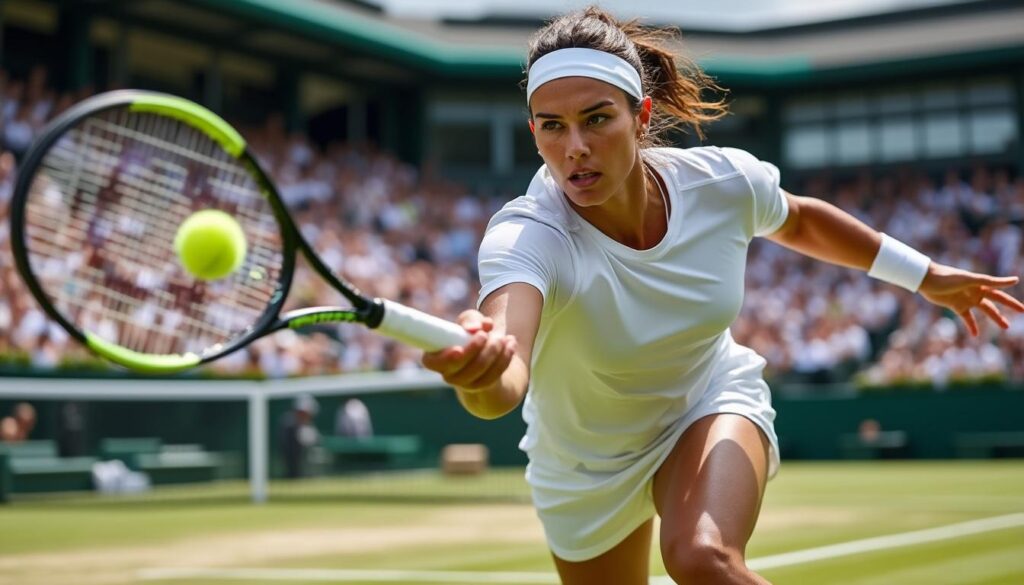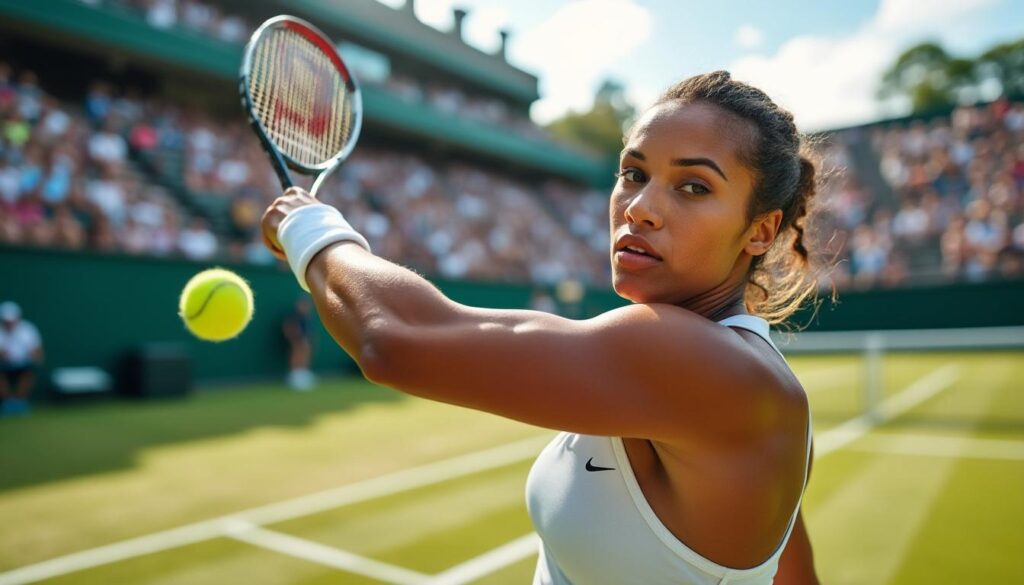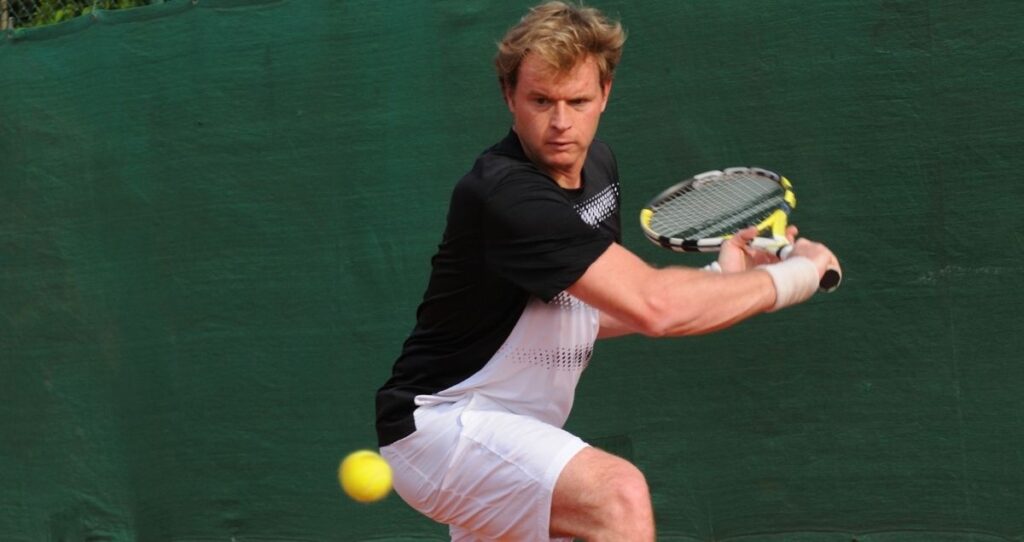
In the fierce world of tennis, a commanding topspin-heavy forehand creates a blend of power, precision, and relentless pressure on opponents. Rafael Nadal has popularized this thunderous stroke, turning it into an art form that defines his unparalleled playing style. From the blistering clay courts of Roland Garros to intense battles across surfaces, Nadal’s forehand stands as a symbol of aggressive spin mastery, unwavering intensity, and tactical intelligence. Understanding how to build such a forehand isn’t just about adopting a grip or swing—it’s about integrating biomechanics, mindset, equipment choices, and match strategy to punch through defenses and dictate play. Newcomers and seasoned players alike can find inspiration and practical insights within this exploration, revealing the blend of science and soul that brings Nadal’s topspin forehand to life.
Mastering the Biomechanics of Nadal’s Topspin Forehand Technique
To replicate the signature heavy topspin forehand similar to Nadal’s, one must first grasp the biomechanical principles that set his stroke apart. The secret lies not just in brute strength but in a harmonious blend of body rotation, grip, and racket trajectory.
Nadal favors a semi-western grip, a crucial element in producing extreme topspin. This grip allows the racket face to stay slightly closed as it brushes up the back of the ball during contact, generating the forward and upward spinning motion that defines his shot. This contrasts with more conventional eastern grips used by many players, emphasizing the upward brushing movement over a flat hit.
Body mechanics start with a dynamic unit turn, where Nadal’s torso and hips coil fully before his explosive release. This rotation channels power from the legs through the core, culminating in a whip-like arm motion. His swing path is notably low to high, accelerating upward at contact, which ensures maximum spin creation.
How to develop these biomechanics:
- Drill a low-to-high swing path: Start with slow-motion swings aiming to brush the ball upward, then increase speed gradually.
- Focus on hip and torso rotation: Practice shadow swings emphasizing a full coil to build energy transfer.
- Grip experimentation: Try a semi-western grip and adjust slightly to suit personal comfort while maintaining the ability to generate spin.
- Maintain racket face angle: Keep the face slightly closed at impact to brush up on the ball rather than striking flat.
Topspin doesn’t come from speed alone; it’s about racket acceleration combined with spin-friendly technique. Using balls from a ball machine set at different speeds and spin levels can help players internalize contact points and racket angles. For instance, practicing with Solinco or Luxilon strings, known for enhancing spin potential, can also elevate the topspin effect, as confirmed in recent racket stringing studies revealing better spin generation at moderate-to-high string tensions (source).
A practical table below summarizes biomechanical focuses for players aiming to mold their forehands like Nadal’s:
| Biomechanical Component | Key Focus | Drills & Tips |
|---|---|---|
| Grip | Semi-Western grip for upward brushing | Shadow swings, grip adjustments, string choice (Babolat, Head) |
| Swing Path | Low-to-high with fast acceleration | Drills with slower to faster ball machine speeds (learn more) |
| Body Rotation | Explosive unit turn harnessing core power | Shadow practice emphasizing hip and shoulder rotation |
| Contact Point | Out in front of the body | Consistent ball feeds to control timing |
Emphasizing these technical details will help harness the blend of power and spin that gives Nadal’s forehand its trademark bite and deadly bounce.
Choosing the Right Equipment: Rackets, Strings, and Apparel to Enhance Topspin
The craftsmanship behind Nadal’s forehand is undeniably influenced by his choice of equipment, creating a partnership that enables his relentless topspin attack.
Racket Selection: Nadal has long endorsed Babolat, particularly models that highlight spin technology—racquets engineered with aerodynamic frames and optimized weight distribution for explosive racket head speed. These rackets contribute significantly to the capacity to snap the wrist upward at contact, key for topspin efficiency. Meanwhile, brands like Wilson and Head have also released spin-focused models that replicate such dynamics, accommodating a player’s unique style.
Strings and Tension: Beyond the frame, string setup is crucial. Using premium spin-oriented strings like Solinco Tour Bite, Luxilon Alu Power Rough, or Yonex Poly Tour Pro can amplify the ball’s rotation. Players often debate string tension, but slightly lower tensions around 48-52 lbs create a trampoline effect enhancing spin without losing control. For those interested in mastering tension adjustments based on playing surfaces or opponents, further reading can be found here.
Apparel and Footwear: Nadal’s stamina and footwork are supported by his choice in apparel and footwear. Nike and Adidas produce lines optimized for the rapid lateral movement and endurance necessary to sustain heavy spin forehands deep into matches. Choosing shoes with excellent grip and responsive cushioning can facilitate Nadal’s aggressive court coverage, aiding the continuous setup needed for his stroke.
Here’s a checklist of equipment considerations to enhance a topspin-heavy forehand:
- Racket: Spin-optimized frame (Babolat Pure Aero, Head Graphene 360+ Speed)
- Strings: Rough-textured poly strings (Solinco, Luxilon, Tecnifibre)
- String Tension: Medium-low for enhanced spin and comfort
- Shoes: Lightweight with aggressive grip (Nike Air Zoom, Adidas Adizero)
- Apparel: Breathable with flexibility for dynamic moves
A well-configured gear setup not only improves performance but also reduces injury risks associated with awkward swings or fatigue, integral components for sustaining a Nadal-style topspin game. For players craving deeper insights into how racket customization impacts grip and balance for optimal control, this resource offers detailed guidance (read more).
Building the Mental Resilience and Match Mindset Like Nadal to Maximize Forehand Impact
The heavy topspin forehand doesn’t just rely on physical prowess—it’s a weapon sharpened by mental strength. Nadal’s mental fortitude turns every forehand into a statement, making him mentally unbreakable from the first ball to the last.
Adopt a Growth Mindset: Understanding tennis as a learning process, not life or death, allows players to stay calm under pressure. Nadal famously embraces losses as pivotal moments of growth rather than setbacks. Beginners must internalize this wisdom to prevent frustration during difficult matches or slow technical progress.
Maintain Relentless Positivity: Through slumps, injuries, and long rallies, Nadal’s resilience shows in his unwavering optimism. Avoiding negative self-talk and focusing exclusively on the next point turns mental pressure into fuel. This mental reset is what keeps him sharp and relentless.
Intensity on Every Shot: Treating every forehand as a battle for the point elevates match performance. This “fight for every ball” mentality translates into increased focus and better execution of topspin drills in practice, helping players convert effort into results.
Shake Off Mistakes Quickly: Nadal’s signature ability to move on immediately after errors allows him to maintain rhythm. Players should cultivate this skill by training themselves to accept errors during practice, then refocus instantly, avoiding lingering frustration.
Use Rituals and Routines: From adjusting water bottles to habits during serving, Nadal’s routines center his attention. Developing personal pre-shot or between-point routines can help players stay grounded and build consistent shot-making under pressure.
Key elements for fostering a Nadal-esque mental approach include:
- Viewing losses as valuable lessons
- Focusing exclusively on the present point
- Developing a ritual for calming nerves and maintaining focus
- Committing mentally to fight on every forehand
- Practicing emotional detachment from mistakes
Additional resources on mental training for serve accuracy and overall tennis confidence detail systematic programs that complement physical skill acquisition and foster this elite mindset (learn more). Building mental resilience is the foundation allowing a player’s heavy topspin to become a powerful, consistent weapon during intense baseline rallies.
Training Drills and Techniques to Develop a Powerful Topspin Forehand
Executing a topspin-heavy forehand requires repetitive practice and specific drills that ingrain technique and boost confidence during live play. Incorporating these into training sessions helps players build muscle memory and consistency.
Essential Drills Include:
- Low-to-high Swing Path Power Drill: Start with feeding slower balls and emphasize brushing up the back of the ball instead of hitting flat.
- Shadow Forehand with Focus on Rotation: Without a ball, rehearse the full unit turn and explosive arm follow-through to engrain the kinetic chain.
- Topspin Rally Drills: Engage with a partner or ball machine on baseline rallies focusing solely on maintaining heavy topspin and deep placement.
- Footwork and Positioning Drills: Work on dynamic footing to consistently arrive in ideal hitting zones, crucial for replicating Nadal’s forehand power.
- String Tension Variation Practice: Try different racket string tensions using brands like Tecnifibre or Dunlop to feel how strings affect shot spin and comfort.
Repeatedly hitting with increasing speed will condition muscles to replicate the explosive acceleration Nadal applies through his forehand, while maintaining fine control and heavy spin. According to recent tactics focused on court geometry and baseline control, combining topspin with precise shot placement elevates dominance in baseline exchanges (read more).
Here is a table outlining drill objectives, tools needed, and outcomes to track:
| Drill Name | Purpose | Tools | Expected Outcome |
|---|---|---|---|
| Low-to-high Swing Drill | Perfect brush path and spin | Ball machine, racket with poly strings (Yonex) | Consistent topspin with controlled depth |
| Shadow Forehand Rotation | Reinforce core involvement and coordination | None | Efficient, powerful kinetic chain |
| Topspin Rally | Maintain spin during extended points | Partner, court | Endurance and shot consistency |
| Footwork Drill | Optimize positioning for forehand strokes | Agility cones or ladder | Improved balance and shot preparation |
| String Tension Practice | Understand ball response variations | Rack strings with different tensions | Tailored play style and spin control |
Integrating Tactical Intelligence and Match Strategies to Leverage a Heavy Topspin Forehand
Heavy topspin isn’t just a physical technique; it’s a strategic weapon in tennis’s psychological and tactical battlefield. Nadal’s forehand traps opponents behind the baseline, forcing errors or weak replies ripe for attack.
Successful integration of spin into tactical play demands:
- Shot Placement Variety: Use the heavy topspin to push opponents laterally and backward. Deep topspin shots, especially crosscourt, create sharp angles that strain an opponent’s court coverage.
- Changing Court Geometry: Modulating spin and depth impacts opponents’ footwork and reaction time, an insight thoroughly explored in current tennis geometry studies (read more).
- Transition to Net Play: Heavy topspin sets up aggressive net approaches by forcing opponents into defensive positions.
- Use of Grip Variations: Slight grip adjustments help mix topspin intensity, keeping opponent guessing, a concept discussed in detail for baseline control (source).
Implementing these strategies turns the forehand into a weapon that not only produces winners but controls the match tempo and court positioning. Players emulating Nadal often find success applying these tactical refinements, creating match-winning scenarios from seemingly defensive situations.