
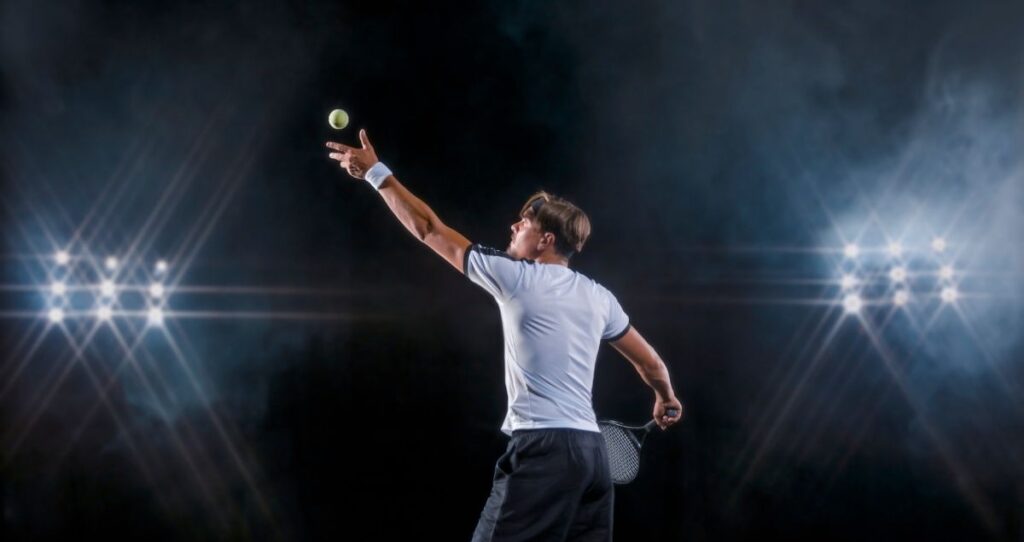
When tennis players crave consistency without the unpredictability of a live partner, tennis ball machines step in as the ultimate training companion. But not all machines offer the same level of challenge or customization. The true game-changer lies in varying the speed and spin settings to simulate match-like conditions, sharpening reflexes and enhancing shot precision. As tennis continues its evolution in 2025, powered by technological leaps, ball machines have transcended their staple role, becoming smart coaches capable of demanding your best.
Imagine practicing with a Wilson or HEAD machine blasting topspin shots at 100 km/h one moment, then flipping to a Prince model feeding slower backspin balls the next. Each tweak in speed and spin forces adjustments in timing, footwork, and shot selection—transforming practice from repetitive to relentless. And while traditional drills hammer fundamentals, incorporating machines with dynamic ball characteristics pushes players to sharpen decision-making under pressure.
The dance between speed and spin isn’t just about replicating varied opponents; it’s an opportunity to train smarter. From developing a crushing forehand to mastering slice returns, these customizable barrages build muscle memory and confidence. Brands like Babolat, Yonex, and Dunlop have raised the bar, offering machines blending portability with advanced features like oscillation and remote control, so players can attack drills on their terms.
For aspirants and veterans alike, ball machine challenges with variable speed and spin represent the next frontier in rigorous, focused, and efficient training. Beyond physical conditioning, they hone mental agility, preparing players to own the court — from local clubs to the grandest ATP stages. Explore how the diversity in ball delivery styles upgrades your game and why savvy practice sessions demand a partner that never tires.

Unlocking Tennis Skill Development: The Power of Varying Ball Speed on Machines
Tennis is a game where split-second decisions and precision reign supreme, and practicing with a ball machine that varies speed dynamically feels like training under real-world conditions. Instead of benevolent repetition, the unpredictability of speed forces players to sharpen anticipation, positioning, and stroke mechanics.
Tennis ball machines like the Lobster Sports Elite 2 and Spinshot Player provide a wide array of speed options — ranging from gentle 16 km/h feeds, perfect for beginners or warm-ups, to screaming shots over 120 km/h aimed at the pros. This wide range ensures players can tailor workouts, progressing gradually or mimicking the adrenaline-pumping pace of ATP-level rallies.
Why is varying speed critical? Fast balls demand explosive footwork and ultra-quick preparation. Slow balls test the ability to control rhythm and setup. Combining both creates a training rhythm that builds resilience and adaptability on court.
The benefits of speeding up or slowing down the feeds
- Improved Reaction Time: Faster shots blur the line between anticipation and reaction, making every millisecond count.
- Enhanced Footwork: Adjusting to variable speeds trains players to position quickly with balance and poise.
- Better Tempo Control: Speed variety helps in mastering the control of pace during rallies, critical for dictating points.
- Stroke Adaptability: Handling fast and slow balls forces a versatile swing path, strengthening both aggressive and defensive shots.
- Match Simulation: Accurately recreates the mix of paces a player will face against different opponents, including the fastest servers and slicing defenders.
| Machine | Speed Range (km/h) | Spin Options | Ball Capacity | Feed Frequency (seconds) |
|---|---|---|---|---|
| Lobster Sports Elite 2 | 16-129 | Topspin, Backspin | 150 | 2-12 |
| Spinshot Player | 30-110 | Topspin, Backspin | 120 | 2-10 |
| Sports Tutor Tennis Cube | 16-80 | No Spin Controls | 70 | 2-10 |
| Spinshot Pro | 30-110 | Topspin, Backspin | 120+ | 2-10 |
| Nisplay N1 | 10-110 | Topspin, Backspin | 80+ | 1-10 |
The mental challenge that comes with unpredictable speeds should not be underestimated. Players get conditioned to the rhythm of shots, learning to trust their feet first and racket second — a crucial synthesis for competitive play. This nuanced work hones skills more effectively than repetitive drills alone, as explored in various specialized tennis drill resources.
Mastering Spin Variations: How Ball Machines Revolutionize Topspin and Backspin Practice
Spin is the soul of modern tennis shots — creating unexpected ball bounce, affecting pace, and dictating shot strategy. A ball machine that can switch between topspin, backspin, or no spin at all transforms repetitive hitting into a dynamic battle against ball physics.
Without spin adjustments, a ball machine’s shots feel robotic and predictable. Integrating spin controls, such as those featured in Babolat and Technifibre equipment, allows players to replicate slices, kicks, and heavy topspin forehands or backhands, imitating styles seen across ATP and WTA tours.
How varying spin challenges improve shot technique and control
- Spin Recognition: Training your eyes and racquet to handle different spin balls leads to cleaner contact and shot precision.
- Footwork Harmony: Backspin requires a lower body position and quicker retreat, while topspin encourages more forward momentum and aggressive positioning.
- Stroke Adjustment: Swing paths must adapt — brushing up for topspin, slicing down for backspin — enhancing versatility.
- Enhanced Rally Preparedness: Real match conditions feature ball spins that change rally flow; preparing with spin variety builds confidence.
- Serve and Return Training: Spin variation drills fine-tune both first serves and return positioning.
Incorporating spin into practice encourages players to experiment with racquets from different brands like Yonex and Dunlop, whose frame flex and string configurations can amplify or dampen spin effects. Players can test the impact of grip changes and swing techniques on balls delivered with variable spins for a tactile learning experience.
| Machine | Spin Capabilities | Speed Range (km/h) | Features | Price Range (USD) |
|---|---|---|---|---|
| Lobster Sports Elite 2 | Topspin and Backspin | 16-129 | Random shot oscillations, high ball capacity | Premium |
| Spinshot Pro | Topspin and Backspin | 30-110 | Side-to-side oscillation, compact design | Mid-range |
| Nisplay N1 | Topspin and Backspin | 10-110 | Remote control, 55-degree launch angle | Budget-friendly |
The value of having adjustable spin in machines extends beyond solo practice — it prepares players for doubles strategy where spin nuances can open court angles, as detailed in doubles tennis strategies.
Practicing with a machine that switches rapidly between heavy topspin and deep backspin exposes weaknesses otherwise hidden during static drills. This unpredictability enhances anticipation, allowing players to develop sharper returns and more strategic shot placement, crucial for tournament success.
Smart Oscillation and Placement: Enhancing Training Zones on the Court
Varying speed and spin get the heart pounding, but incorporating oscillation in ball machines adds another layer of intensity that simulates real match conditions. Machines like the Lobster Sports Elite 2 and Spinshot Pro employ both vertical and horizontal oscillation, forcing players to cover the court laterally and depth-wise.
This motion variation retrains court positioning, turning static hitting into an intense cardiovascular and tactical challenge. Unlike a coach feeding balls from one spot, oscillating machines expose players to unpredictable landing zones, replicating the challenge of anticipating opponent shot placement.
Why oscillation is a critical factor in smart tennis practice
- Build Dynamic Footwork: Hits on the run build agility and endurance.
- Train Shot Selection: Different angles compel players to diversify strokes—volleys, slices, drives.
- Physical Conditioning: Oscillation adds intensity to training, improving stamina.
- Mental Adaptability: Reacting to wide oscillation zones requires improved focus and quick tactical adjustment.
- Practice Real Rally Patterns: Replicates court coverage demands encountered during high-level matches.
Below is a breakdown comparing static ball delivery versus oscillating machines and their respective benefits:
| Feature | Static Delivery | Oscillating Delivery |
|---|---|---|
| Shot Predictability | High – Ball lands same spot consistently | Low – Ball lands vary across court |
| Footwork Demand | Low – Minimal movement needed | High – Forces lateral & depth movement |
| Physical Intensity | Moderate – Focuses on stroke repetition | High – Enhances cardio & endurance |
| Mental Challenge | Low – Predictable routine | High – Requires fast tactical reads |
Integrating oscillation with variable speed and spin, players can simulate diverse opponent styles—from counterpunchers with heavy slice shots to aggressive baseliners with topspin artillery. This comprehensive training supports sharper decision making and clinical shot execution.
Choosing the Right Tennis Ball Machine: Features that Ignite Progress
With so many options on the market, selecting a ball machine requires understanding features that align with your goals and skill level. From the robust Wilson and ProKennex models to accessible Gamma and SolveSport machines, the ideal device varies for amateurs and elite players alike.
Critical features to consider include:
- Speed Range: Choose a machine that covers your current skill level and allows growth.
- Spin Control: Essential for players looking to replicate match-like shots and improve technique.
- Oscillation: For comprehensive footwork and physical conditioning, oscillation is a must-have.
- Ball Capacity & Feed Frequency: Higher capacity extends practice sessions; variable feed frequency tailors shot timing.
- Portability & Power Source: Battery life and portability matter for players on the go.
- Customization & Preset Drills: Machines like Spinshot Player’s app integration offer tailored drills to maximize training efficiency.
| Brand | Key Feature | Suitable Player Level | Price Category | Unique Selling Point |
|---|---|---|---|---|
| Wilson | Advanced speed control | Intermediate to advanced | Mid to high | Reliable durability and spin options |
| Babolat | Precision spin variation | Advanced players | High | Integration with smartphone apps |
| ProKennex | Comfort with spin and speed modulation | Intermediate players | Mid | Ergonomic design and user-friendly |
| Gamma | Budget-friendly, good for beginners | Beginner | Low | Compact and lightweight |
| SolveSport | Custom preset drills | All levels | Mid to high | App-enabled smart control |
Investing in the right ball machine aligns with your training focus—whether enhancing a powerful serve as outlined in powerful tennis serve tips or refining forehand prowess through the valuable master forehand techniques resources. Exploring the correct equipment ensures your practice employs the latest in tennis innovation.
Elevating Training Efficiency: Incorporating Ball Machine Drills with Speed and Spin Challenges
Smart practice isn’t just about repetition; it’s about purposeful drills that push your limits and deliver measurable results. Utilizing a ball machine capable of varying speed and spin unlocks diverse drill types:
- Consistency Drills: Practice the perfect forehand by setting the machine to consistent moderate speeds, focusing on technique and follow-through. Discover detailed guides on the perfect tennis forehand.
- Reflex and Agility Drills: Combine rapid feed frequency with high speed and variable spin to test reaction time and footwork in real-game tempo.
- Shot Variety Exercises: Use the app-based presets or manual controls to mix topspin and backspin shots, training adaptation across diverse shot types.
- Serve Return Practice: Simulate difficult serves with fast, spinning balls to improve your return game’s effectiveness, as elaborated in first tennis training sessions.
- Physical Conditioning Sessions: Oscillation features ramp up footwork demand, combining cardio and coordination for overall athletic growth.
Regularly rotating ball machine challenges keeps training fresh and relevant, much like a live opponent throwing off your rhythm. These sessions condition mental toughness, build confidence in shot execution, and foster the kind of on-court intelligence vital for tournament breakthroughs.
| Drill Type | Speed Range (km/h) | Spin Configuration | Key Focus | Recommended Machine Features |
|---|---|---|---|---|
| Consistency | 30-60 | Minimal to moderate topspin | Technique and shot placement | Steady feed frequency, spin control |
| Reflex & Agility | 80-110 | Rapidly alternating spins | Reaction time and footwork | Random oscillation, fast feed rate |
| Shot Variety | 20-90 | Topspin and backspin mix | Stroke adaptability | Spin control, oscillation |
| Serve Return | 90-129 | Heavy topspin or slice | Return position and timing | High-speed feeds, precise spin |
| Physical Conditioning | 30-80 | Any | Endurance and footwork | Oscillation, sustained feed |
Integrating these drills with solid equipment knowledge and proper tennis accessories detailed by brands like must-have tennis accessories ensures every practice counts. The trajectory, spin, and pace challenges delivered by these ball machines turn routine warm-ups into transformative sessions.
Frequently Asked Questions About Tennis Ball Machines with Speed and Spin Features
- Q: Why should I choose a ball machine with adjustable spin?
A: Spin variation is essential because it closely mimics real-match conditions, helping you adapt your strokes and footwork to different ball trajectories, improving shot control and anticipation. - Q: Can beginners benefit from ball machines that vary speed and spin?
A: Absolutely. Beginners can start with slower speeds and no-spin settings to build fundamental techniques, then gradually increase complexity as their skills develop. - Q: How does oscillation affect training?
A: Oscillation forces movement across the court, enhancing footwork, endurance, and tactical decision-making, simulating real opponent shot placement. - Q: Are smartphone apps for ball machines really useful?
A: Yes, apps offer customization by programming drills, adjusting settings quickly, and tracking progress, making practice more effective and tailored to personal needs. - Q: What’s the ideal practice frequency with a tennis ball machine?
A: Consistency matters. Training 2-3 times per week with varied ball machine drills can greatly accelerate improvement without risking burnout or injury.