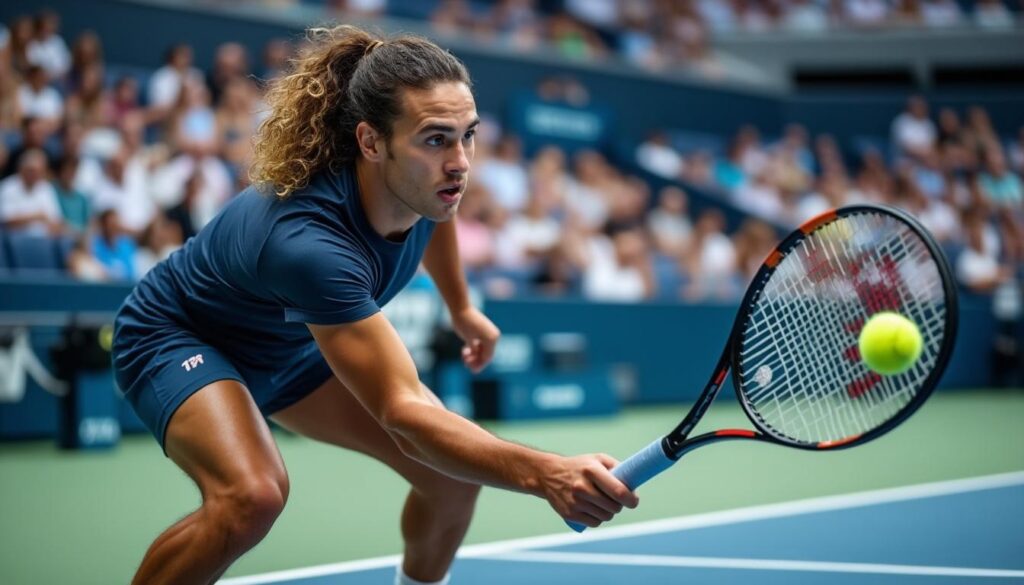
Few athletes have captured the world’s attention quite like Carlos Alcaraz, whose rise from promising teen to the dominant world number one has been propelled not just by skill but by an extraordinary physical foundation. His game explodes with raw power, agile footwork, and relentless endurance—attributes forged through a meticulously crafted conditioning regimen. Behind every thunderous forehand and rapid court coverage lies a training blueprint that blends traditional strength work with cutting-edge methods, fostering the stamina and explosiveness essential to elite tennis performance. This powerful approach is supported by his use of innovative fitness technology and gear from brands such as Nike and Adidas, while recovery tools like Theragun and hydration aids from Gatorade ensure optimal regeneration. Exploring Alcaraz’s power training reveals how a combination of targeted drills, strategic resistance training, and dynamic agility work culminate in a game style that captivates and overwhelms opponents time and again.
Carlos Alcaraz’s Use of Advanced Resistance Training to Build Explosive Power
A critical element in crafting Alcaraz’s explosive game lies in his application of advanced resistance exercises tailored for tennis. Resistance training, particularly the use of flywheel or inertia training, is gaining recognition for its ability to develop both concentric and eccentric muscle strength crucial for the rapid directional changes and powerful strokes on court.
Flywheel training introduces eccentric overload—a technique where muscles exert force as they lengthen—leading to enhanced control and resilience. Alcaraz’s sessions often feature simulated service motions using inertia pulleys with heavy resistance, deliberately slowing his backswing to maximize muscular engagement. This practice improves serve velocity, arm speed, and reduces injury risk by strengthening muscles involved in those movements. Research by Colomor and colleagues emphasizes that maximal intent in these exercises is key; Alcaraz’s commitment to executing every rep with explosive intent helps translate strength gains effectively into match play.
Medicine ball drills complement the flywheel training by emphasizing rotational power, mimicking the torso twist integral to groundstrokes and serves. For example, throwing or catching weighted balls during specific stances not only boosts core strength but develops neuromuscular coordination, improving Alcaraz’s shot precision and velocity.
List of resistance-based drills in Alcaraz’s training:
- Inertia pulley service simulation with heavy resistance
- Medicine ball rotational throws mimicking backhand and forehand swings
- Elastic band drills focusing on core stiffening and transverse strength
- Weighted shadow swings enhancing arm acceleration
- Single-leg squats and lunges to develop lower-body power and balance
Partnering resistance work with top-tier gear like Wilson and Babolat rackets allows Alcaraz to harness the full benefit of his physical gains, as the equipment complements his swing speed and strength flawlessly. This synthesis of tech and training raises questions many fans have pondered: has Alcaraz found a new gold standard in tennis conditioning? His performances, especially during grueling five-set matches at the US Open where endurance and power are tested relentlessly, suggest so.
| Resistance Training Method | Physical Benefit | On-Court Impact |
|---|---|---|
| Flywheel/Inertia Training | Enhanced eccentric/concentric strength | Increased serve speed & change of direction |
| Medicine Ball Throws | Core rotational power & coordination | More powerful, accurate groundstrokes |
| Elastic Band Core Work | Improved transverse abdominal stiffness | Better stroke stability under fatigue |

Dynamic Footwork Drills and Acceleration Training Behind Alcaraz’s Court Coverage
Carlos Alcaraz’s agility and acceleration are nothing short of remarkable, reflecting a training focus on quick, explosive footwork and seamless directional changes. His regimented approach includes short sprints, rope drills, and zone-based movement exercises that teach both precision and economy of motion to shave off precious milliseconds on court.
The ability to generate speed while maintaining balance is the hallmark of his power game—and this is cultivated via drills that condition neuromuscular response, proprioception, and muscular endurance. Notably, Alcaraz’s team emphasizes the importance of learning the correct angles and techniques for accelerating, skills that can make the difference between reaching a ball just in time or missing a critical point. This cutting-edge agility work helps him thrive in pressure situations, especially in long rallies during intense matches, as highlighted in conditioning focused on Grand Slam-level endurance and consistent shot placement.
Key footwork drills for explosive court movement:
- Zone-based shuttle runs to simulate multi-directional court movement
- Rope ladder drills enhancing foot speed and coordination
- Short acceleration sprints focusing on reaction to stimuli
- Change of direction drills combining speed and balance
- Progressive plyometric jumps boosting ground reaction time
Technologies from Technogym aid in precise monitoring and feedback during training sessions, tracking metrics such as acceleration and lateral agility. This data-driven approach helps fine-tune drills and prevent overuse injuries. Meanwhile, the use of Polar heart rate monitors keeps Alcaraz’s cardiovascular conditioning in check, ensuring he can endure marathon matches without performance drop-off.

Endurance and Cardiovascular Conditioning Foundations in Alcaraz’s Power Game
Alcaraz’s explosive style demands a cardiovascular engine built for stamina and rapid recovery. His conditioning drills incorporate high-intensity interval training (HIIT), extensive on-court endurance sets, and recovery protocols that solidify his ability to sustain peak output throughout multi-hour matches.
A characteristic feature of his training routine is the balance between powerful bursts and sustained exertion. This mix is vital for tennis players who switch frequently between anaerobic sprints and aerobic recovery phases during long points and rallies. Implementing scientifically designed protocols, his team incorporates sessions mimicking the intensity and unpredictability of match play, allowing Alcaraz to “suffer” through long rallies with patience and controlled aggression, traits emphasized by coaches like Carlos Santos Bosque.
Simulating the mental and physical pressure of tie-breaks and extended games through conditioning intervals helps Alcaraz hone his resilience. Integrating nutrition and hydration strategies, including the use of Gatorade for electrolyte balance, also supports optimal endurance and cognitive sharpness on court.
Key endurance drills contributing to Alcaraz’s sustained power:
- HIIT sessions involving sprints and ball striking combined
- Long rally simulations to build mental and physical stamina
- Multi-set conditioning mimicking Grand Slam match durations
- Recovery protocols utilizing foam rolling and percussion therapy (e.g., Theragun)
- Hydration and nutrition plans tailored for sustained energy
| Drill Type | Purpose | On-Court Benefit |
|---|---|---|
| HIIT Conditioning | Boost anaerobic capacity and recovery speed | Explosive point play and quick energy replenishment |
| Long Rally Simulations | Enhance endurance and mental toughness | Ability to maintain aggression and patience over extended points |
| Recovery Protocols | Promote muscle repair and reduce injury risk | Consistent performance without fatigue breakdown |
For more insight into tennis-specific endurance drills, check out this reference guide on endurance conditioning drills and high-intensity interval training for tennis players.
The Role of Technical Drill Integration in Consolidating Power and Consistency
While physical conditioning fuels Alcaraz’s explosive capabilities, technical mastery remains the engine behind translating power into effective performance. His training amalgamates technical drills emphasizing patient rally construction, shot placement accuracy, and stroke mechanics that maximize energy transfer.
Consistency drills cultivated by coaches, such as Carlos Santos Bosque, incorporate rope and zone-based exercises that not only build physical stamina but also deepen mental resilience and tactical patience. This approach helps Alcaraz convert raw power into sustainable aggression—striking a balance essential for winning on the highest stages.
His forehand power, often scrutinized for its speed and precision, is enhanced by unique technical nuances. For instance, Alcaraz generates late stretching in his forearm muscles by holding the racket tip back, which creates a whip-like effect releasing power at the final contact moment. This delicate coordination is honed through repetitive yet varied drills merging strength and technicality.
Examples of technical-power integration drills:
- Shot placement drills requiring precision under fatigue
- Two-handed backhand medicine ball throws simulating stroke mechanics
- Forearm elasticity and weighted racket swings
- Consistency rally drills promoting patience and shot tolerance
- Serve-plus-one strategies that combine power and anticipation as detailed here
These efforts underline why some analysts describe Alcaraz’s game as a composite of “the best elements of the greatest players” ever seen. By intertwining strength, stamina, and stroke precision, his training continues to push modern tennis standards.
Recovery, Nutrition, and Gear Impact on Maintaining Alcaraz’s Athletic Peak
Maintaining a power game of Alcaraz’s caliber extends beyond drills and conditioning. The integration of advanced recovery methods, optimal nutrition, and the finest gear crafts a holistic system supporting sustained performance across demanding tournaments.
Brands like Under Armour provide compression wear aiding in muscle recovery and circulation. Devices such as the Theragun percussion massager target areas of tension to accelerate healing post-training. Nutrition and hydration strategies incorporating Gatorade and monitored by Polar devices keep energy levels balanced and cognitive focus sharp.
Additionally, the right equipment—rackets from Head combined with tennis balls of top standards—ensure every ounce of physical capacity is translated flawlessly during competition. The synergy of proper gear and science-backed recovery methods prepares Alcaraz to withstand the rigors of Grand Slam contests and the grind of the ATP tour.
Key components supporting Alcaraz’s athletic longevity:
- Compression clothing for enhanced muscular support
- Percussion and vibration therapy using Theragun
- Scientific hydration protocols emphasizing electrolyte balance
- Customized nutrition plans aligned with energy demands
- High-performance rackets and footwear optimized for power and agility
For additional knowledge on training regimens and athlete recovery, tennis enthusiasts can explore routines inspired by champions like Serena Williams here and deep dive into conditioning programs proven effective on tour here.